A Bungling Makeover

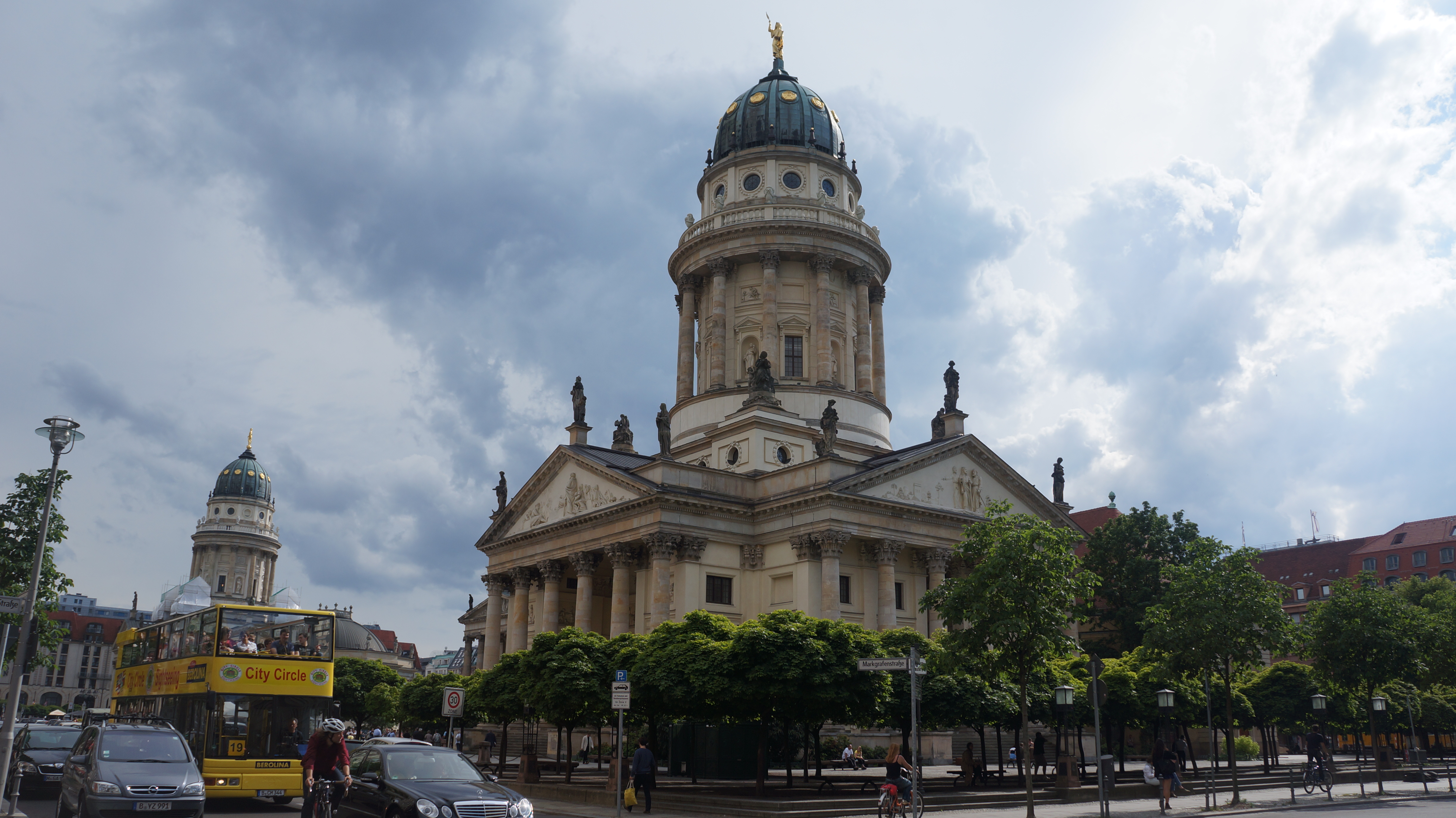
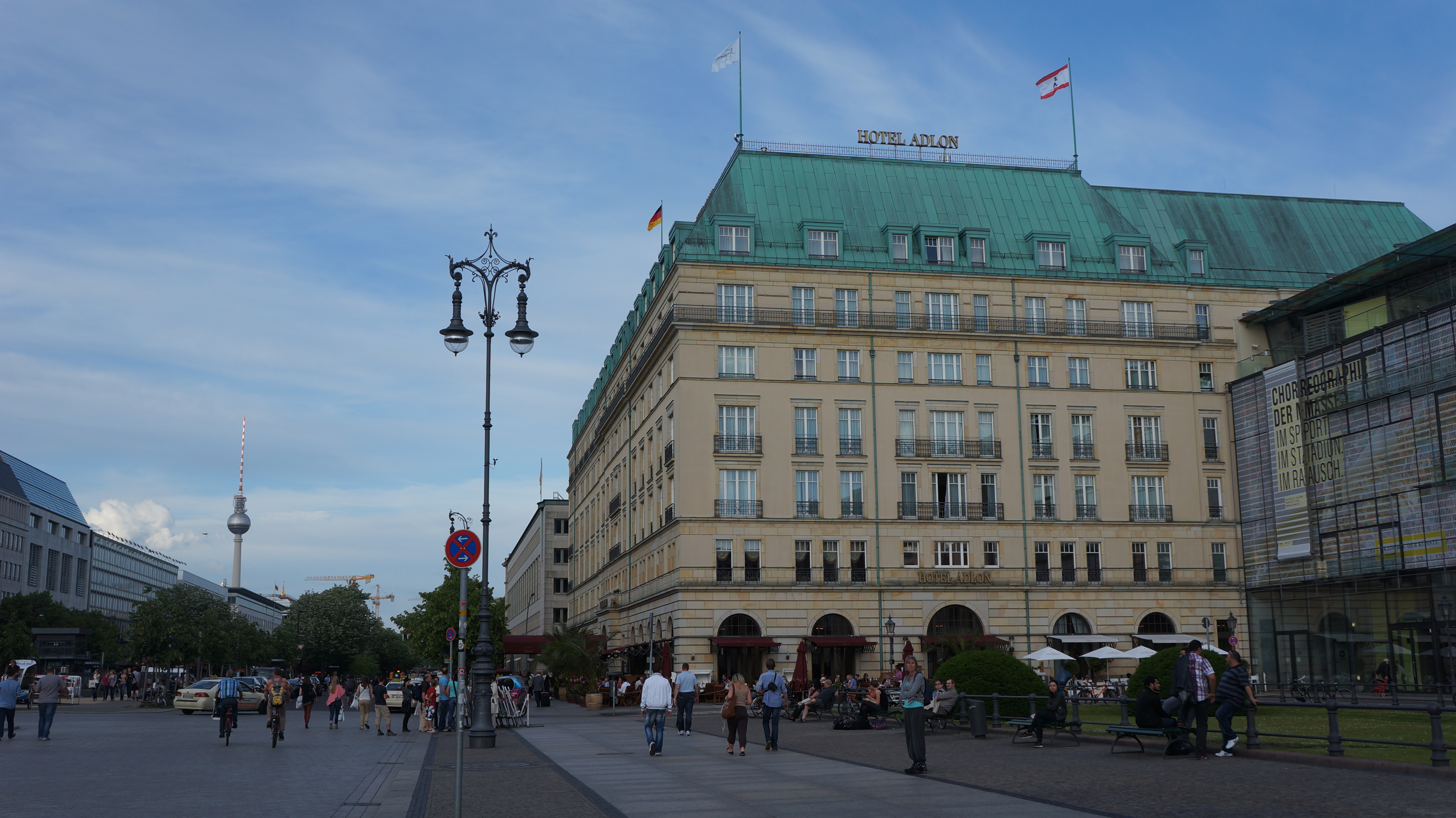
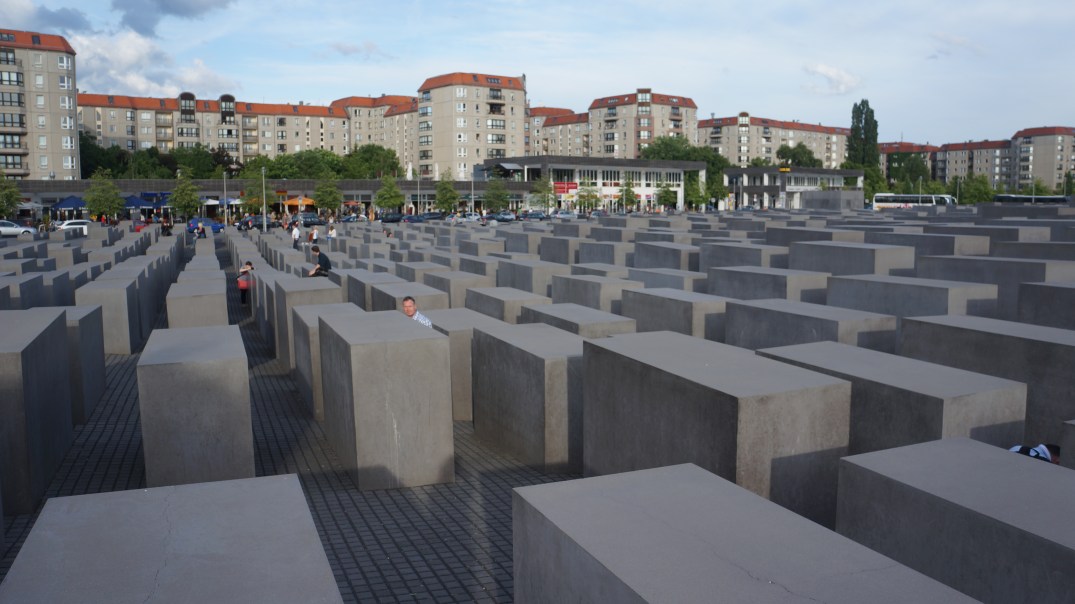
You don’t need to remind Berliners of their dark past during the Second World War or of Adolf Hitler and Nazi Germany – because these reminders are scattered all around Berlin. The city is chock full of these poignant epitaphs. Interestingly though, these are the same reasons why tourists are drawn to this historic city built out of swampland. A wave of optimism now surrounds Berlin as numerous construction projects are transforming the city.

The greatest transformation, though, is in the arts and entertainment scene. The city’s clubbing scene draws exuberant crowds from all over Europe. On the streets, artists / artisans are a thriving (and blooming) species in Berlin, and the streets are their open canvas.

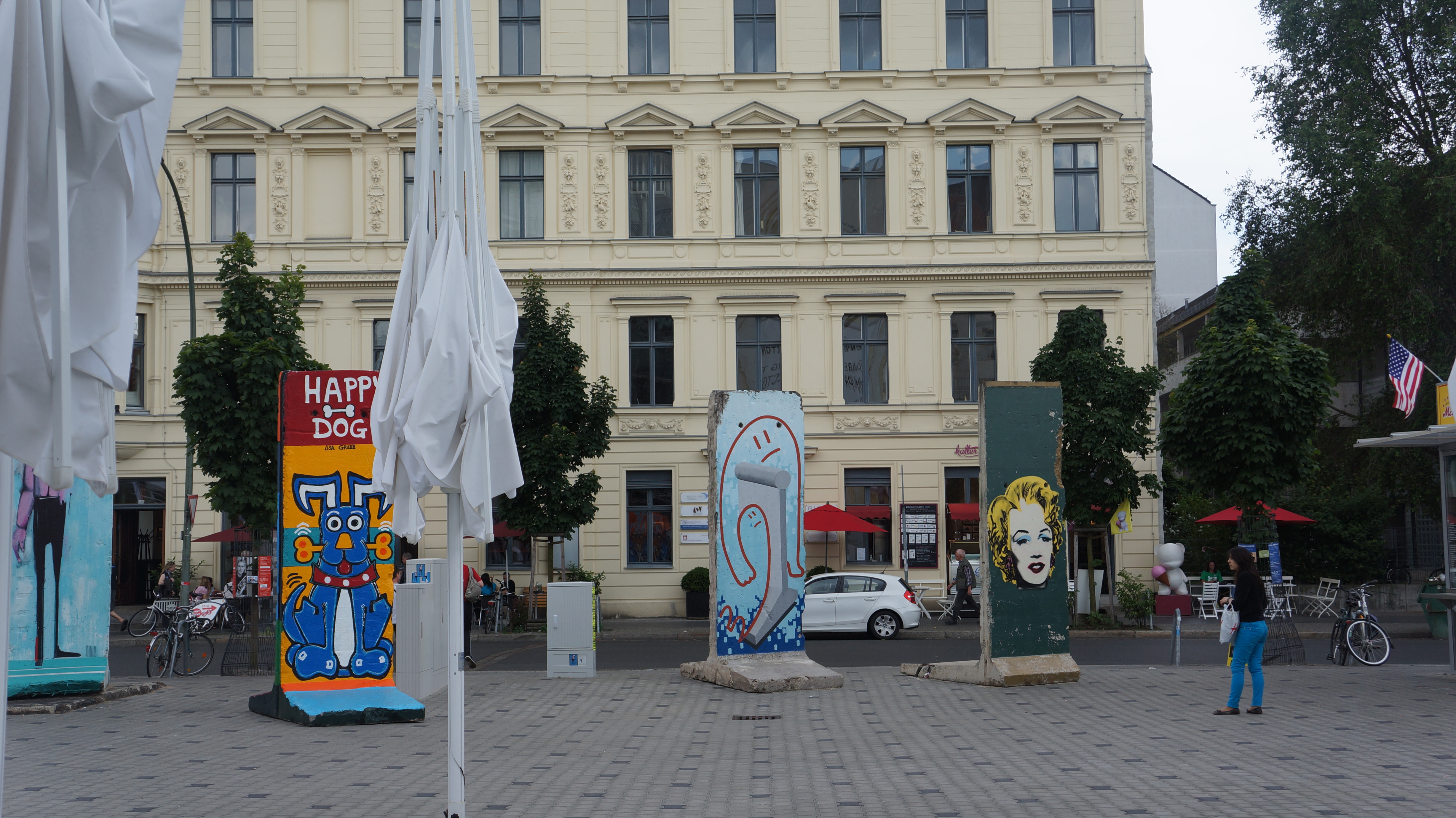
Along certain sections of what remains of the infamous Wall, the government is having a hard time trying to preserve a historical blight (a major tourist draw) that Berliners from both sides zealously sought to tear down a little more than a quarter century ago. Desperate to shed its post-war shackles, Berliners have indeed come a long way. Today’s Berliners are progressive, liberal and they know how to have fun!

However, the city’s ever-evolving physical landscape seems to be struggling to keep pace with its cultural evolution. As we speak, the new Berlin Brandenburg Airport – intended to replace both the Schönefeld and Tegel Airport – has become somewhat of a misnomer for German efficiency. Plagued by numerous delays, poor planning and mismanagement, the airport’s opening has been pushed back to 2018 or 2019 from its original schedule of 2010. Until the afore-mentioned construction projects are completed, these now serve more as distractions than attractions. Berlin can best be described as a “city in transition”.  LS

DSC00037a DSC00056 DSC00044DSC00082DSC00091DSC00067 DSC00088DSC00070IMG_5481DSC00108DSC00106

More Chinese Than China

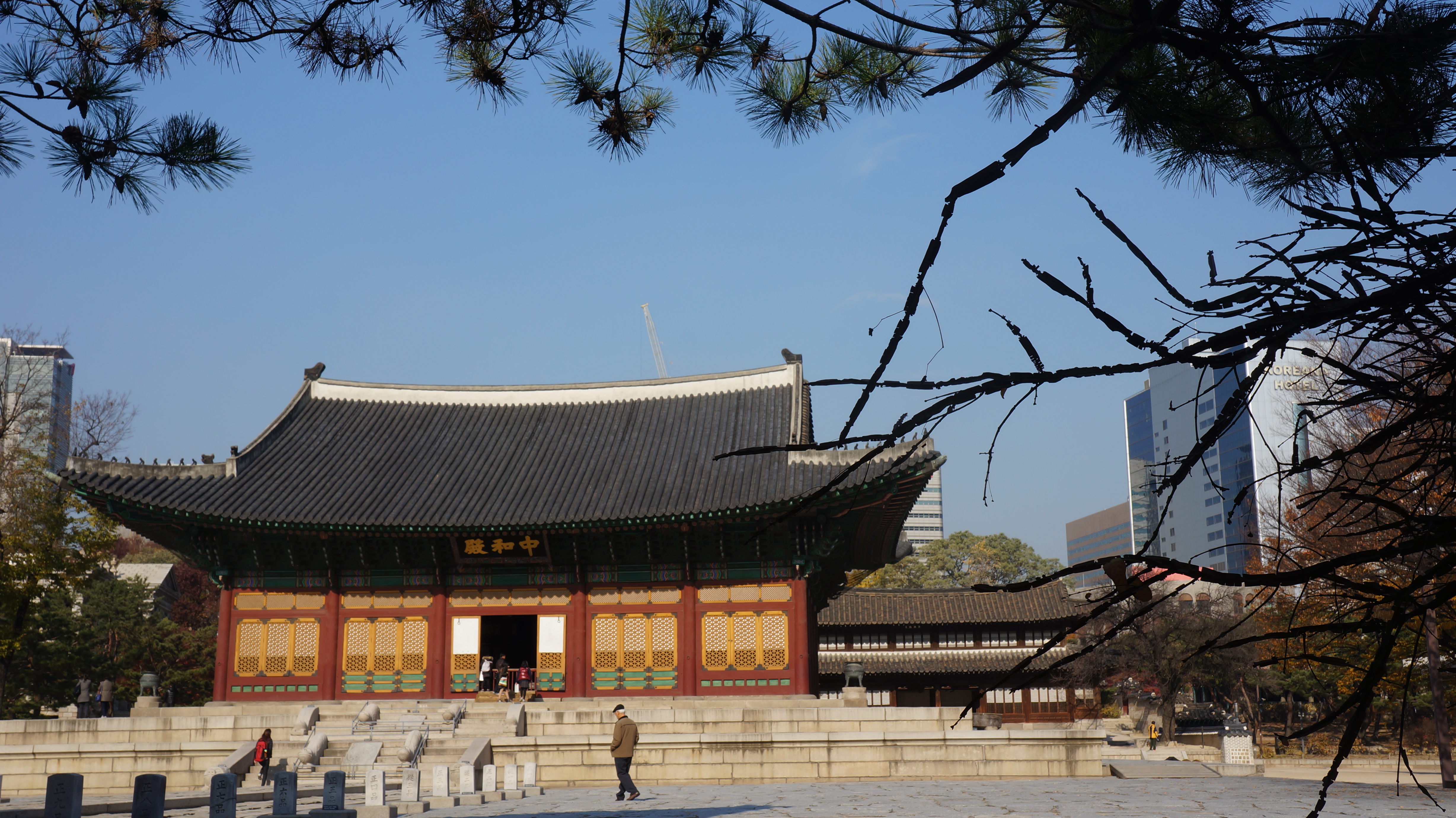
Forget the Great Wall of China, or the Forbidden City if you want to trace the ancestry of the Chinese race. These UNESCO World Heritage sites may have been legacies of the Ming dynasty (1368 – 1644 AD), often referred to as the greatest era of Han Chinese rule. However, do you know that much of ancient Chinese traditions and culture from the Tang dynasty (also known as the Golden Age of Chinese civilisation) reside in the Korean peninsula today? That’s a good 750 years before the Ming dynasty.

During the Three Kingdoms era of Baekje (백제), Goguryeo  (고구려) and Silla (신라), which pre-dates even the Tang dynasty, Buddhist and Confucian philosophies have become deeply entrenched in Korean society. The Tang dynasty, in particular, made Korea a vassal state during its reign. The Chinese written script was the de facto mode of communication and language until King Sejong (세종) the Great introduced the hangeul  (한글)  –  the script that you see in modern day Korea  – in 1446. Even then, much of the vocabulary had been preserved from an original Tang Chinese vernacular in hangeul.

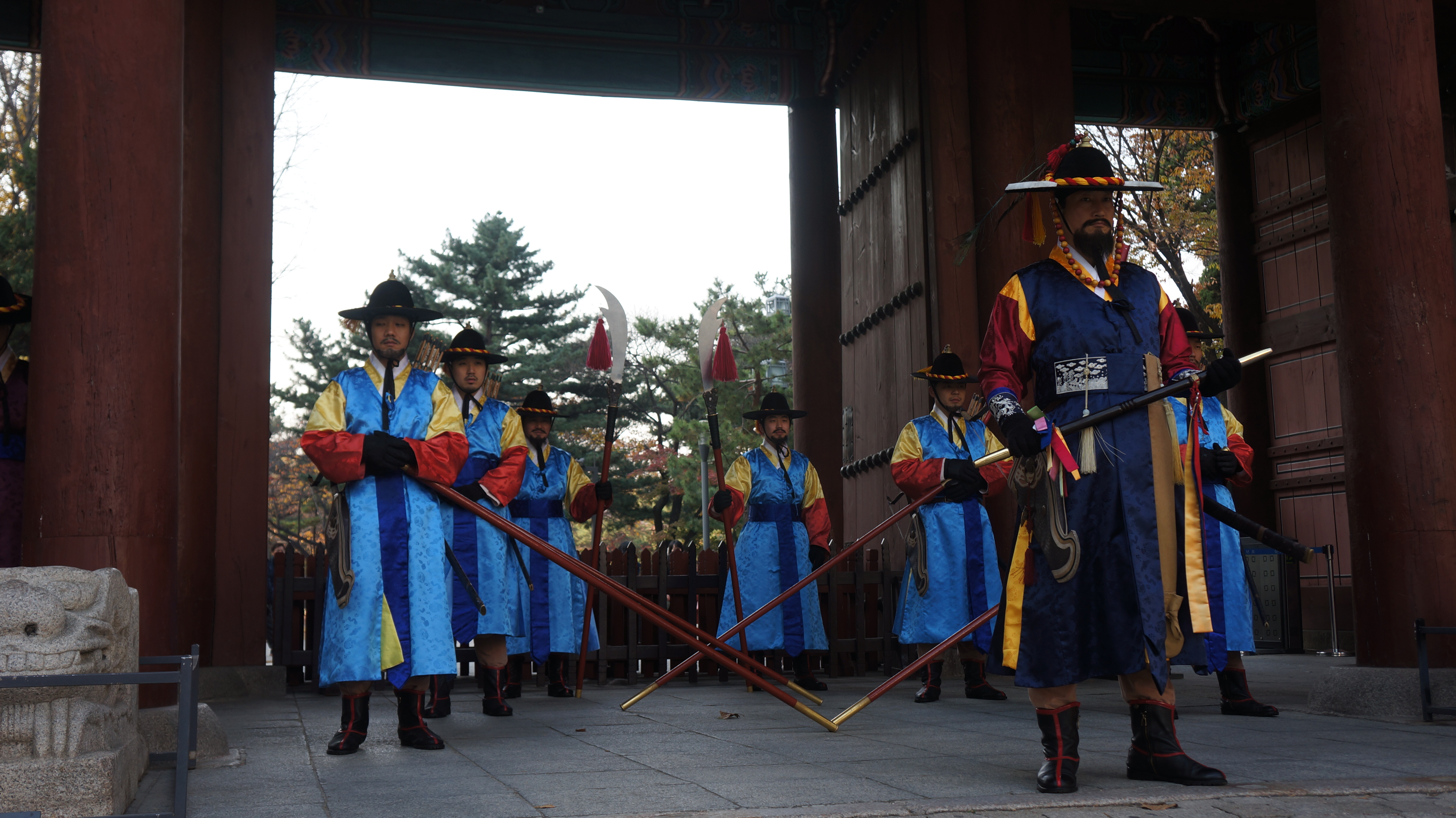
Today, all Koreans still have two versions of their name – a hangeul version and one written using Tang Chinese script. Confucian traditions and rituals, including funeral and ancestral worship rites, are still religiously practiced and propagated in many Korean families, down to the very last detail. On the other hand, Confucian philosophies have almost disappeared from modern Chinese society, except perhaps in some of the less developed regions in China. No wonder the Koreans often refer to their country as Dae Han Min Guk (대한만국) – which literally translates to “The Great Han Nation”.  Indeed!   LS

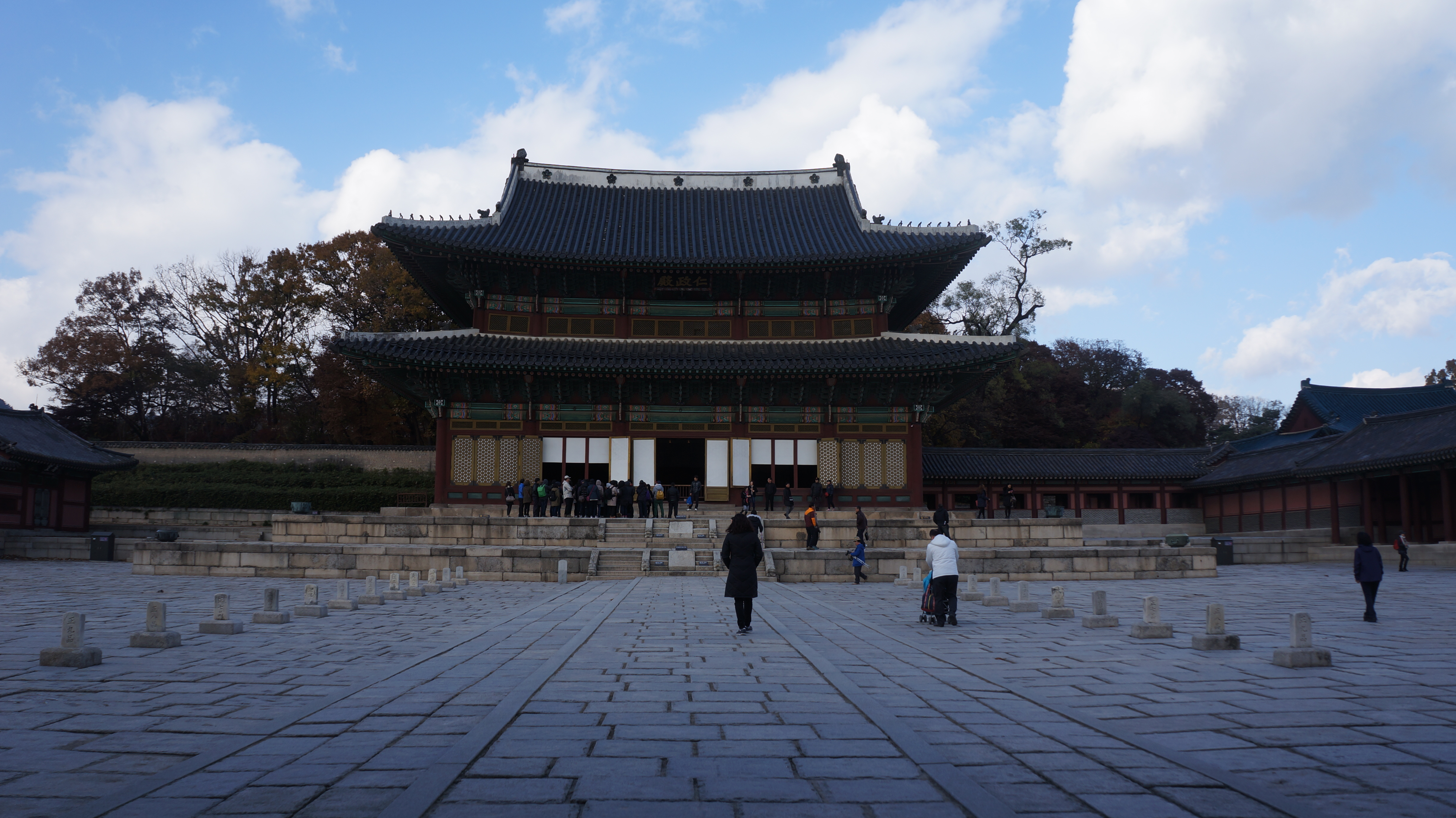
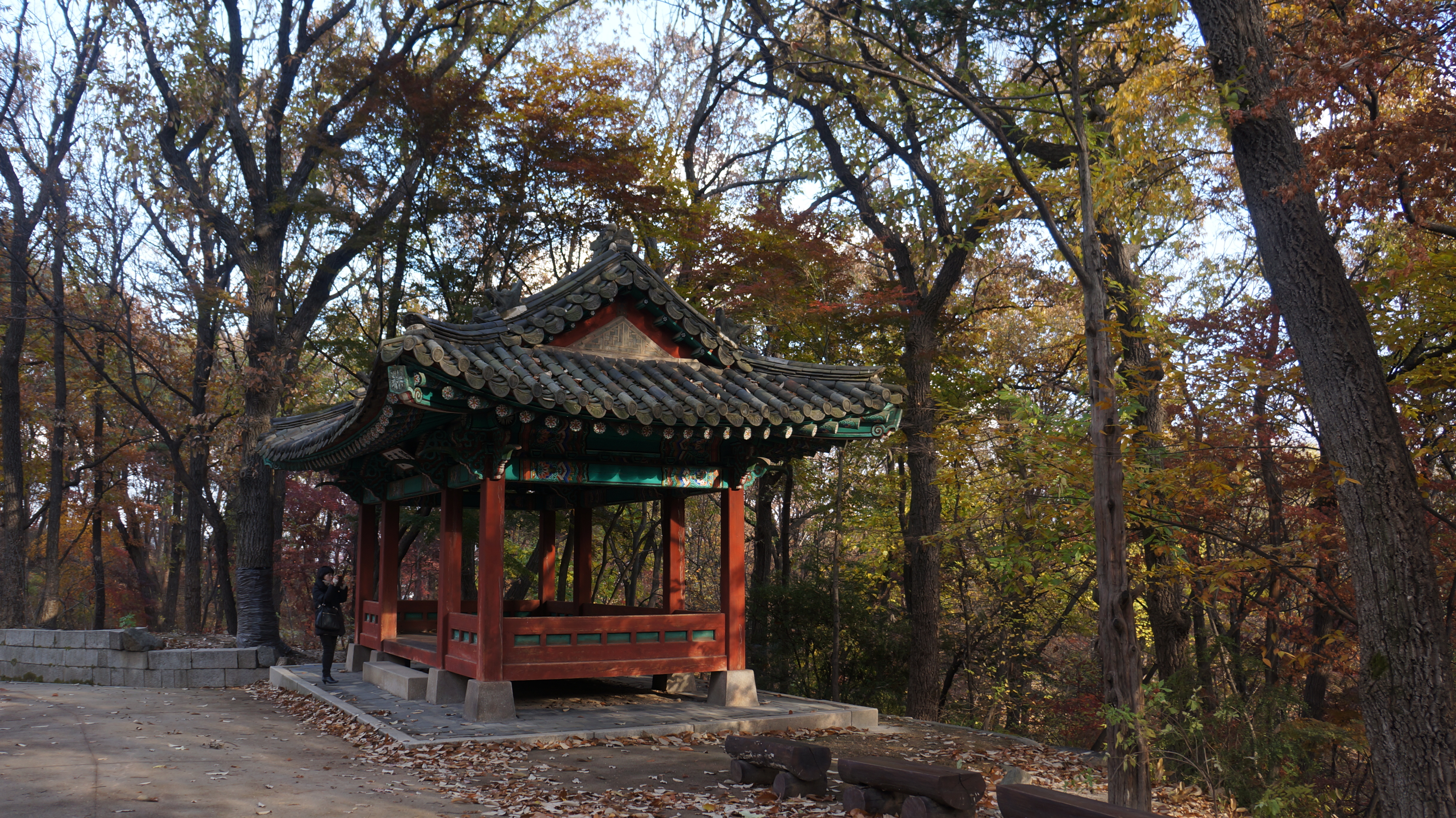
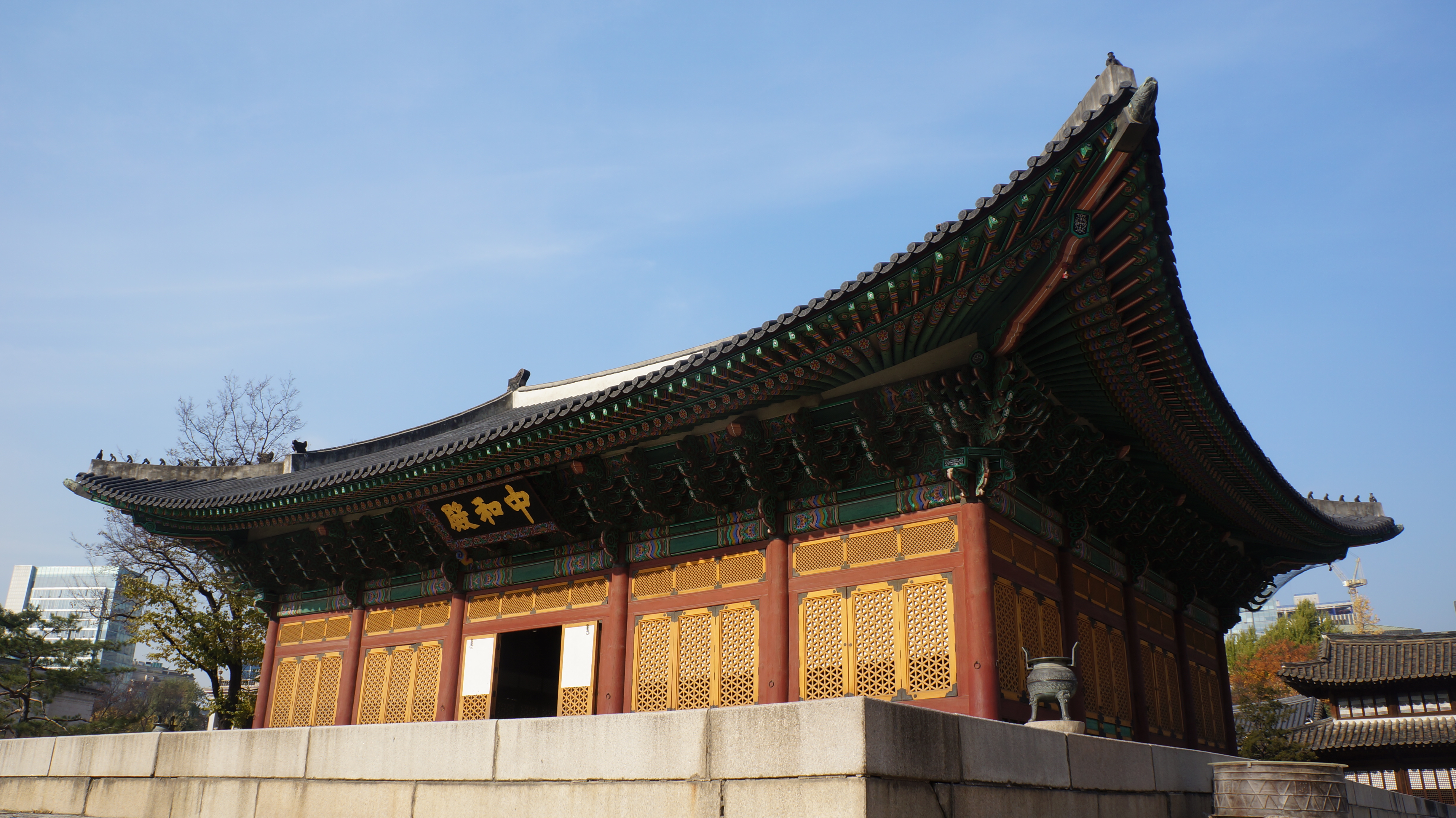
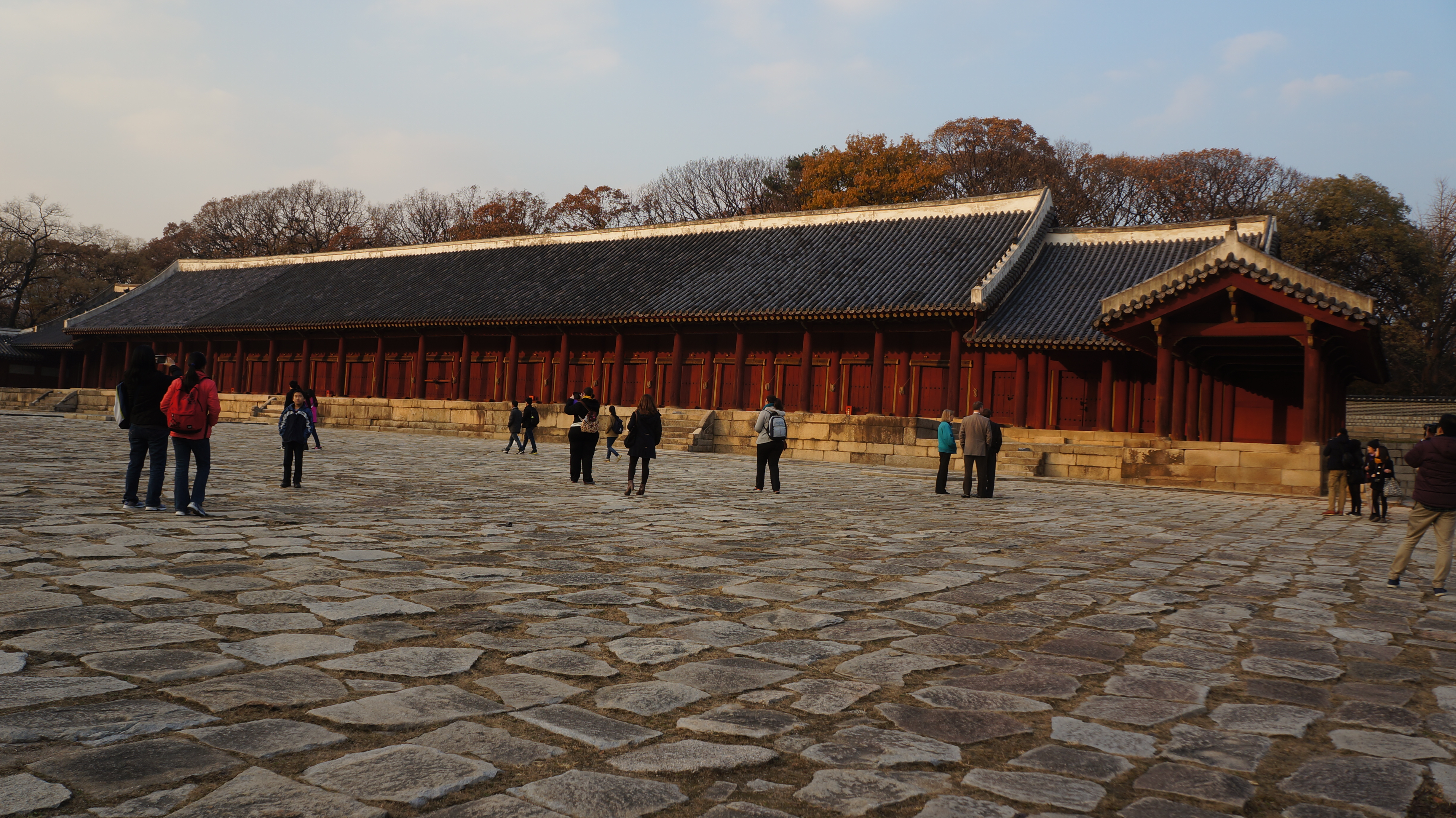
DSC06372 DSC04689 DSC04644 DSC04649 DSC04648DSC04690DSC04635DSC06378DSC04626DSC04632DSC06387DSC06375DSC04708DSC04679DSC04710DSC06382DSC06464DSC04666

Jeju | When Nature Calls

Seogwipo (서귀포) is a mistake. Unless your idea of a holiday in Jeju (제주) is to stay in a five-star luxury resort and romp around kinky sex dioramas. Because you had really come here to soak in Jeju’s natural beauty. And that makes Seogwipo a mistake because Jeju’s “upmarket” area also happens to be furthest away from Jeju’s most captivating sights.

Subscribe to get access

Read more of this content when you subscribe today.

Seoul Comforts

Saying goodbyes is probably the toughest part of any trip. Some cities leave you desiring for more. Other places leave you feeling relieved that you are getting the hell out of that place. Some cities leave you caught in between.

I found myself pondering over what Seoul meant to me. Before this trip, I had studiously made a list of the places I wanted to go, restaurants I wanted to check out, and things I wanted to do. While I had managed to tick most of the boxes, I also felt kind of short-changed when some of the places I had been looking forward to visiting didn’t quite pan out the way many over-zealous bloggers had described. Of course, travelling is a mixed bag of hits and misses, and I’ve long come to accept that as part of the package.

Despite the disappointments (my excessive walking has left me walking with a limp), what I really treasured the most is the friendship that I made along the way (or in the past). I am thankful for the chance to meet up with my Korean friends again and catch up on each other’s lives.

It’s easy to see Seoul as a city of cafes, of restaurants, of Joseon dynasty palaces, and perhaps even cosmetic surgery. The Korean language is daunting to the visitor who had absolutely zero knowledge of Korean. I know some would disagree and say that many foreigners, especially those from English-speaking / European countries, get by just fine without any inkling of Korean. But do you know that Koreans themselves are similarly daunted by the English language? The younger generations in general fare better, due to the emphasis on the teaching of English in mainstream schools these days. But by and large, most Koreans stil prefer to communicate in their native language.

And that is the secret to enjoying Seoul, or even Korea, for that matter. Today’s younger Koreans are more forward-looking and they open up to foreigners more easily. And they would be very happy to offer a helping hand to you – especially when you speak to them in Korean. You do not have to be fluent. You just have to learn simple Korean greetings and useful phrases that could help you get around and order your food. Even with my rudimentary grasp of the language and spitter-spatter of Korean, I realised it opened doors and allowed me to appreciate Seoul, and Seoulites from a different perspective.
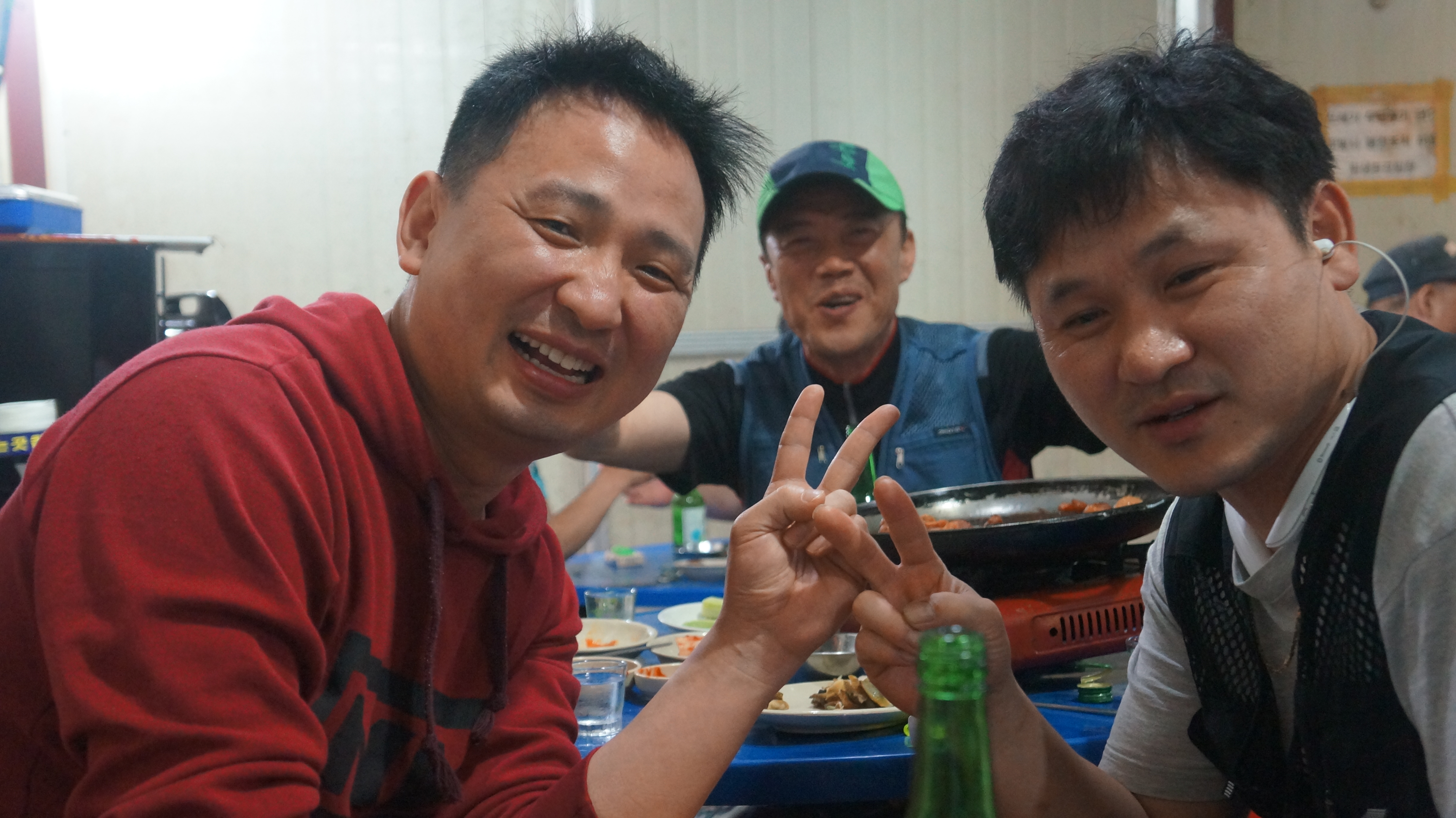
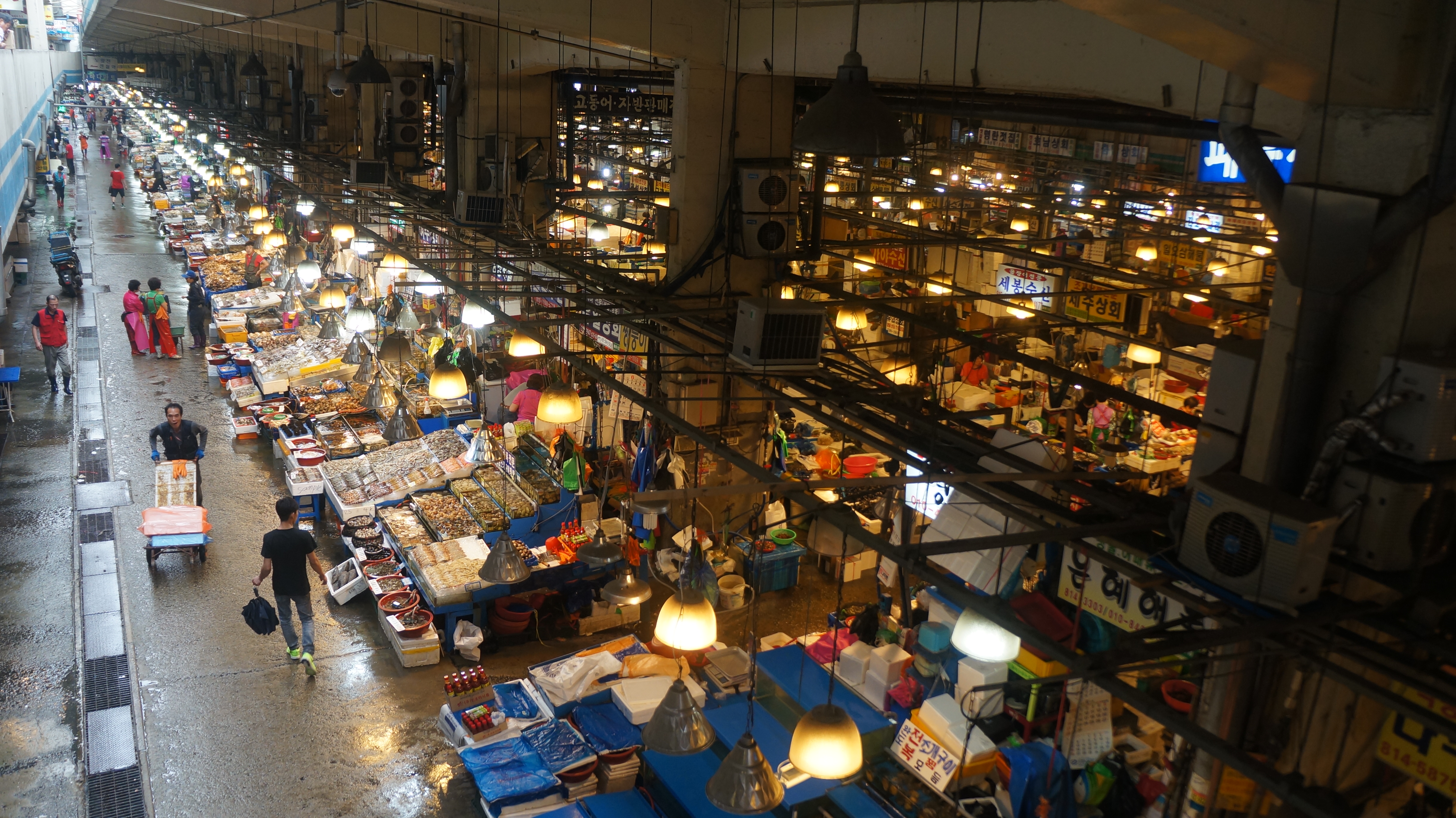
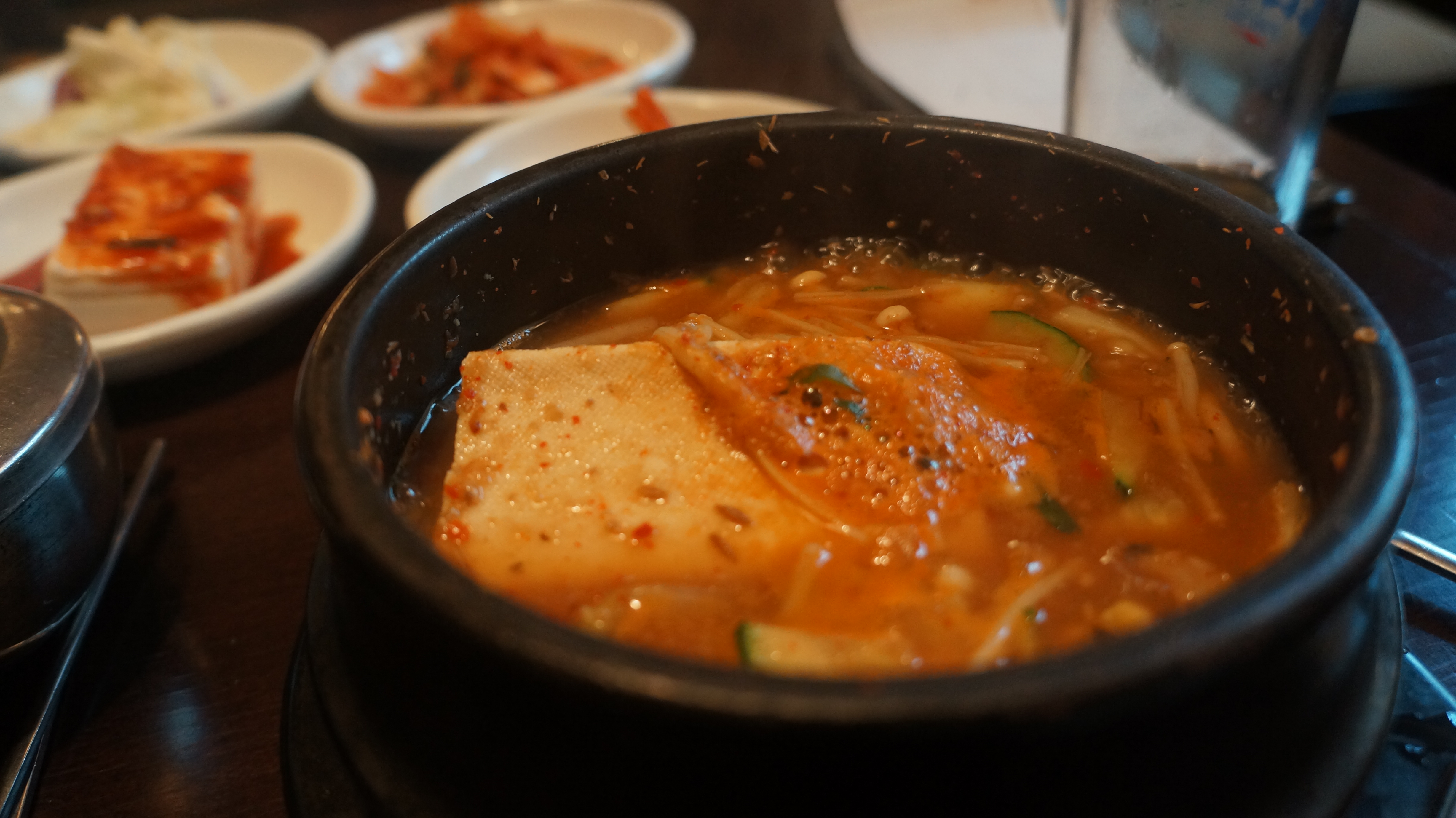
DSC08268DSC08247I appreciated the advice given to me by this wholesaler at Noryangjin market (노량진 수산시장) on how to enjoy wriggling “live octopus” and raw sea cucumber. (He happened to be enjoying an early lunch and round of soju with his fellow colleagues at an adjacent table). I felt the warmth and dedication of the ahjumma who placed a bowl of hot piping kimchi stew on my table. I thanked the couple who told me that it was okay to order “half and half” when I couldn’t decide between having original or spicy fried chicken.
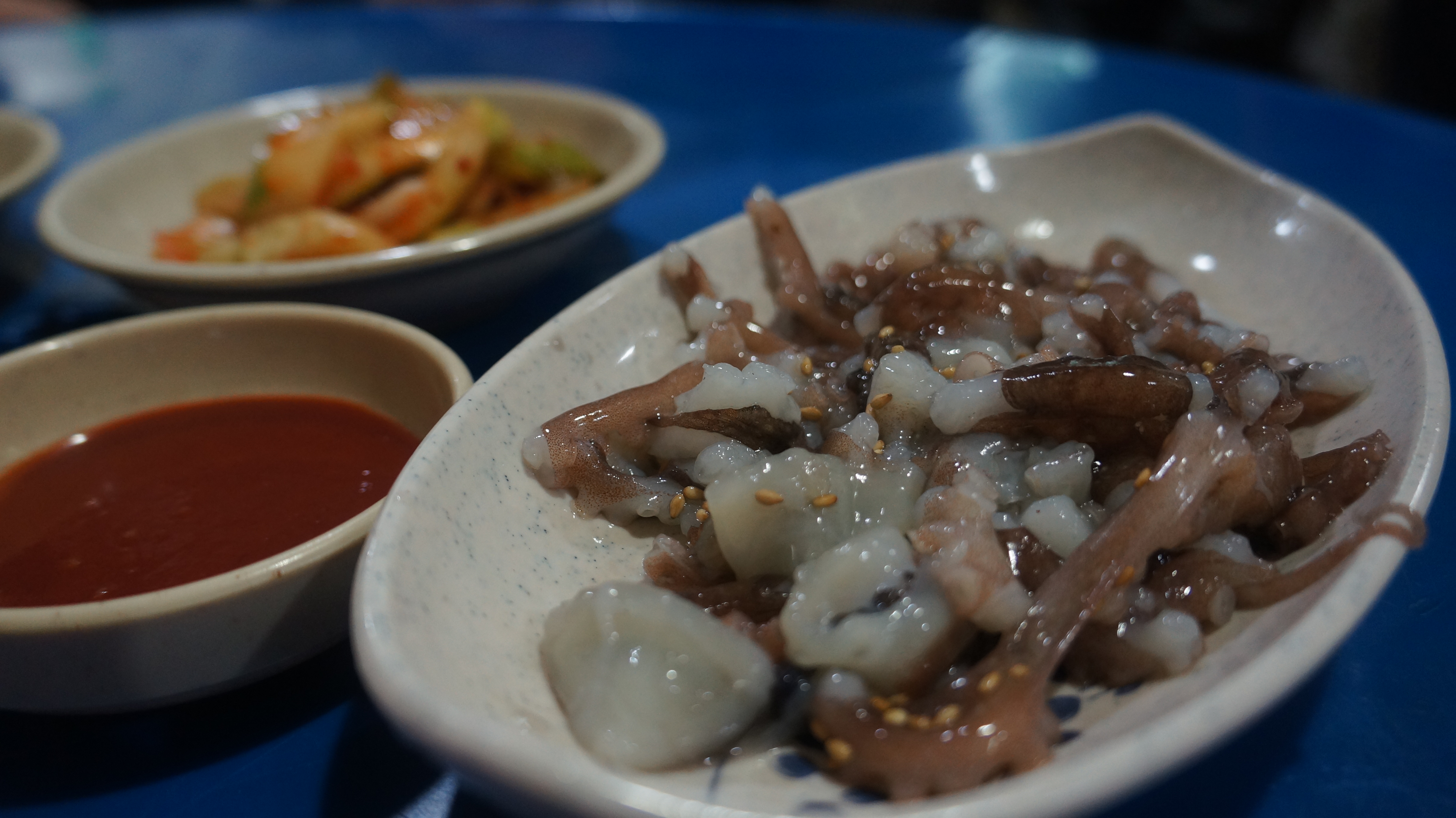
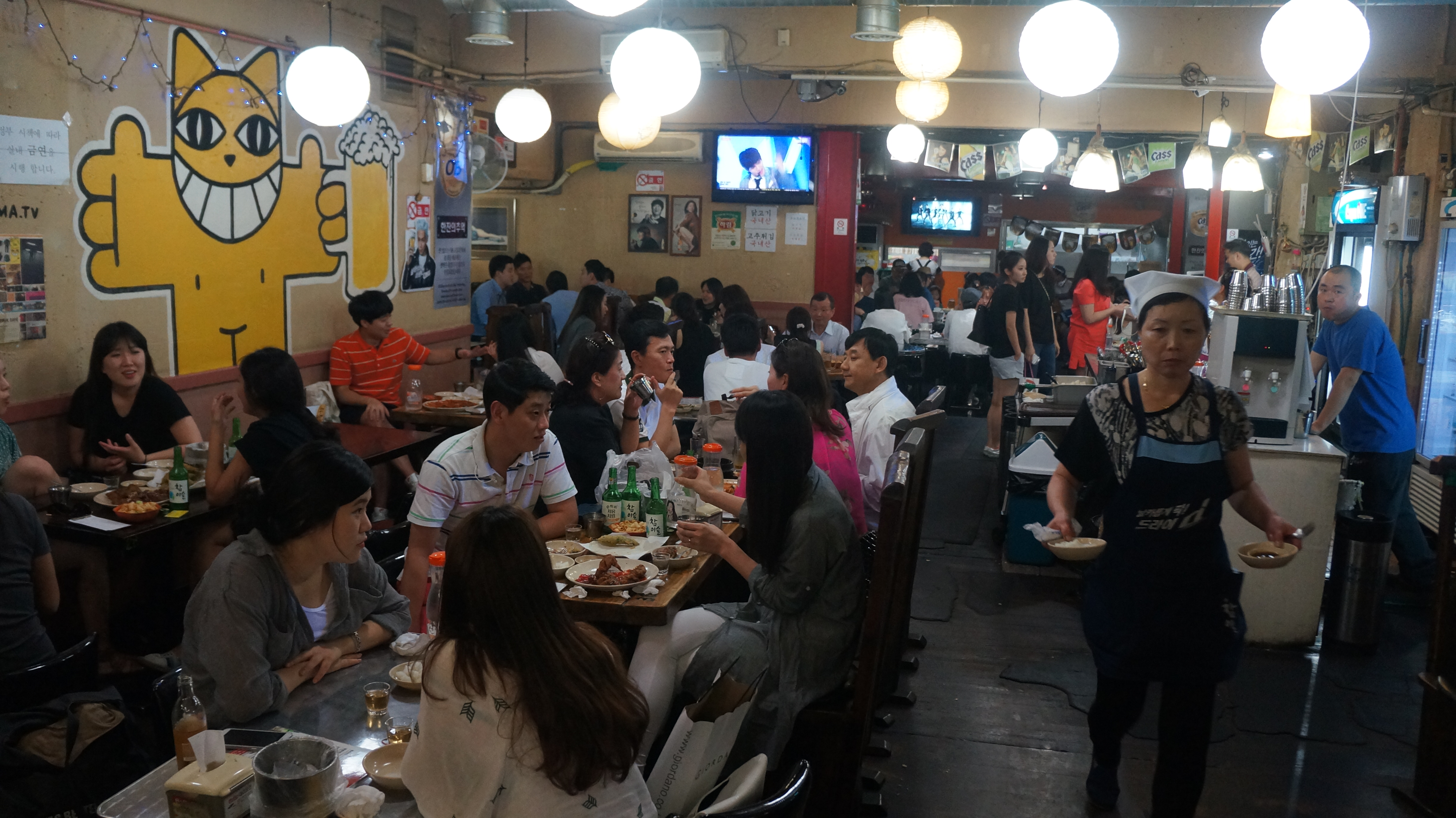
DSC08258DSC04870At the end of the day, what I found most comforting about Seoul is its people. Seoulites, young and old, work hard. Very very hard. And they drink even harder. Working life is tough and stressful here because of the rigid social hierarchy that still dominates many companies. So drinking helps Koreans to forget their troubles, their stress, their bosses. And when tomorrow comes, they fight another battle at the office.

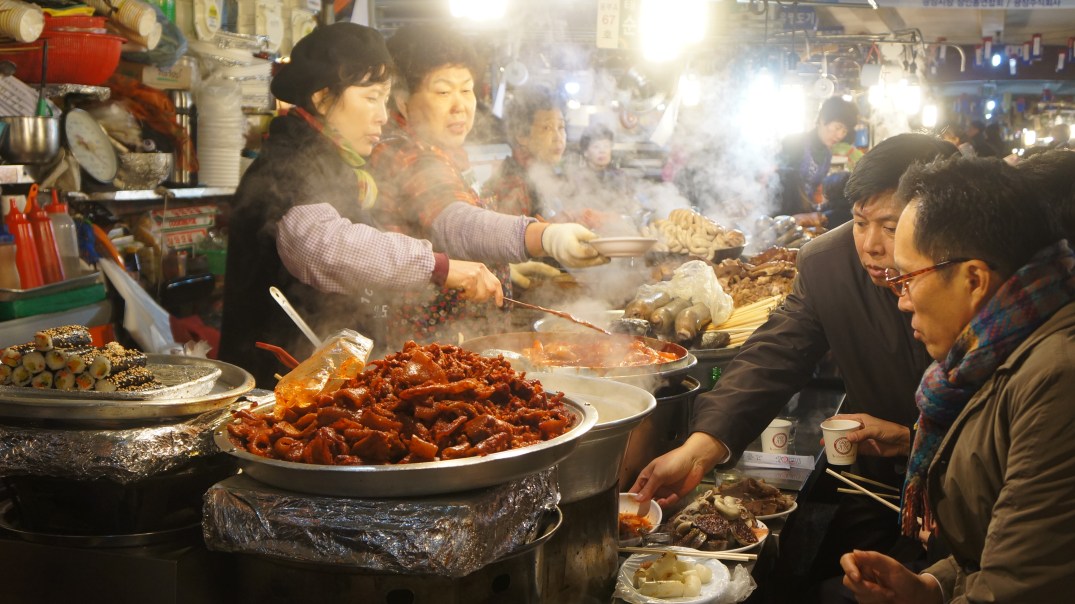
There’s a saying that Seoul never sleeps. Literally. There’s probably no other city in the world where you can order a bowl of hot piping tofu stew, fried chicken, pizza (in fact, almost any kind of food you can think of) at 3 – 4 a.m. in the morning, and have your orders delivered to your doorstep in minutes. That’s because some Seoulites work around the clock to provide that delivery service, and even that service itself sees some serious competition. Many also balance several part-time jobs to eke out a living in a city with a phenomenally high cost of living. Well, at least alcohol here is cheaper than coffee!  LS
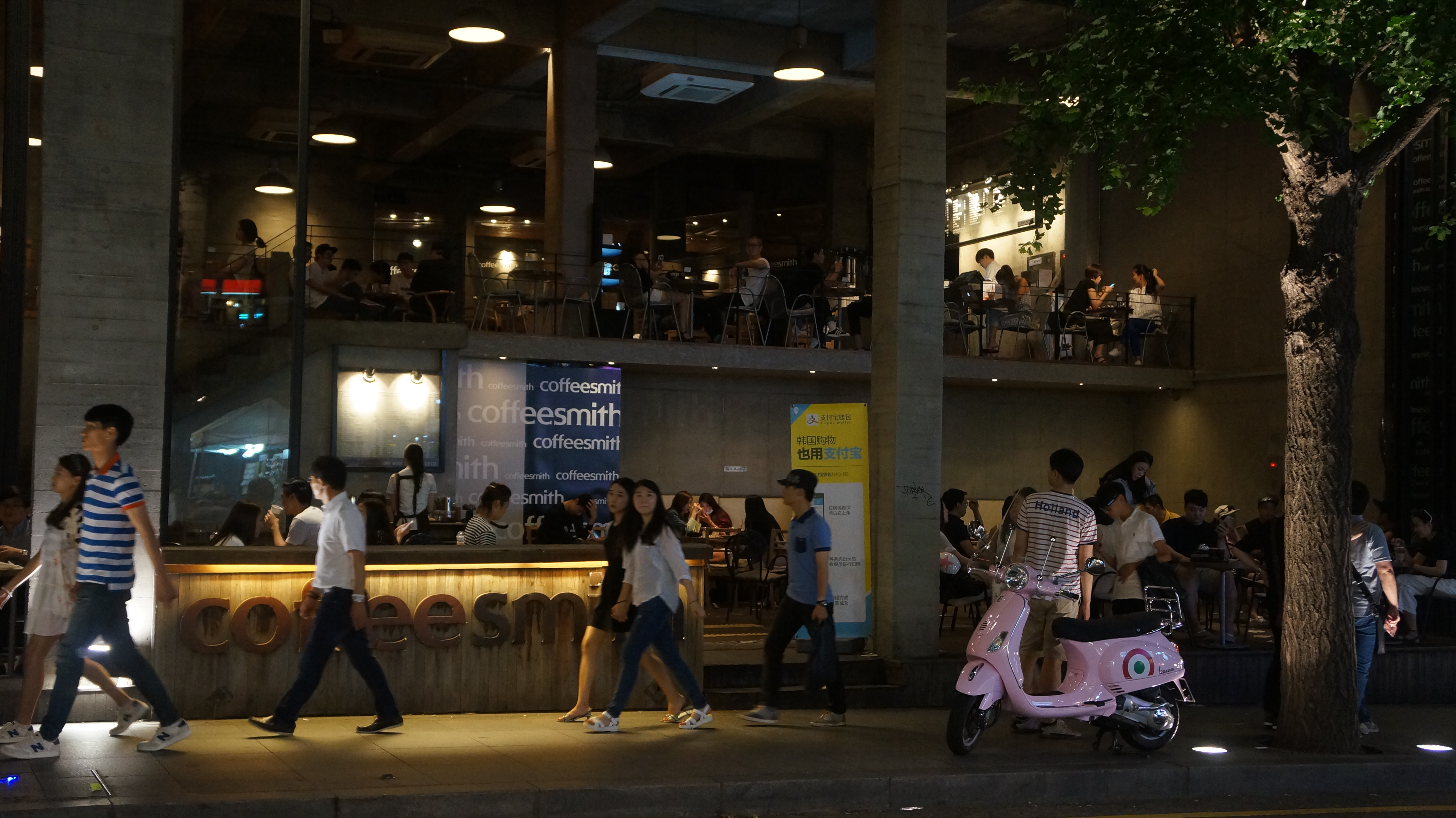
DSC08512DSC08498DSC04922DSC08350Final reporting from Incheon International Airport, South Korea.
Lost And Found

I suspect I’m my worst enemy when it comes to travelling. Okay, maybe not ‘suspect’. I am sure I am. Because when I set my heart on finding something, say a particular sight or a recommended restaurant / cafe  or whatever, I have to find it. This dogged determination and tenacity has served me well on a few occasions (for example, new discoveries, experiences or even meeting new people) and of course, caused frustration on others.
I’ve lost count of the number of times I have got lost trying to find that “off-the-beaten-track” attraction. I know what you must be thinking right now. You are either nodding your head in agreement or snarling at me in disgust. Perhaps, that’s why I find travelling alone easier. The time is yours to use it the way you want it. And if it means getting lost trying to find your favourite restaurant, my blistered feet are the only ones complaining.

Getting lost is not always a bad thing. Sometimes, I discover something really cool and fascinating, and the rewards and sense of achievement I feel justify the sores on my feet.  Sometimes, getting lost is a way of finding what you want in life. The thing is, people nowadays are too afraid to get ‘lost’. Getting lost is like making a mistake. And in today’s society, making mistakes is a weakness, a flaw, something that makes people sigh and shake their heads. It’s imperative for these people to know what is going to happen 5 years from now, 5 hours from now, and in extreme cases, 5 minutes from now.

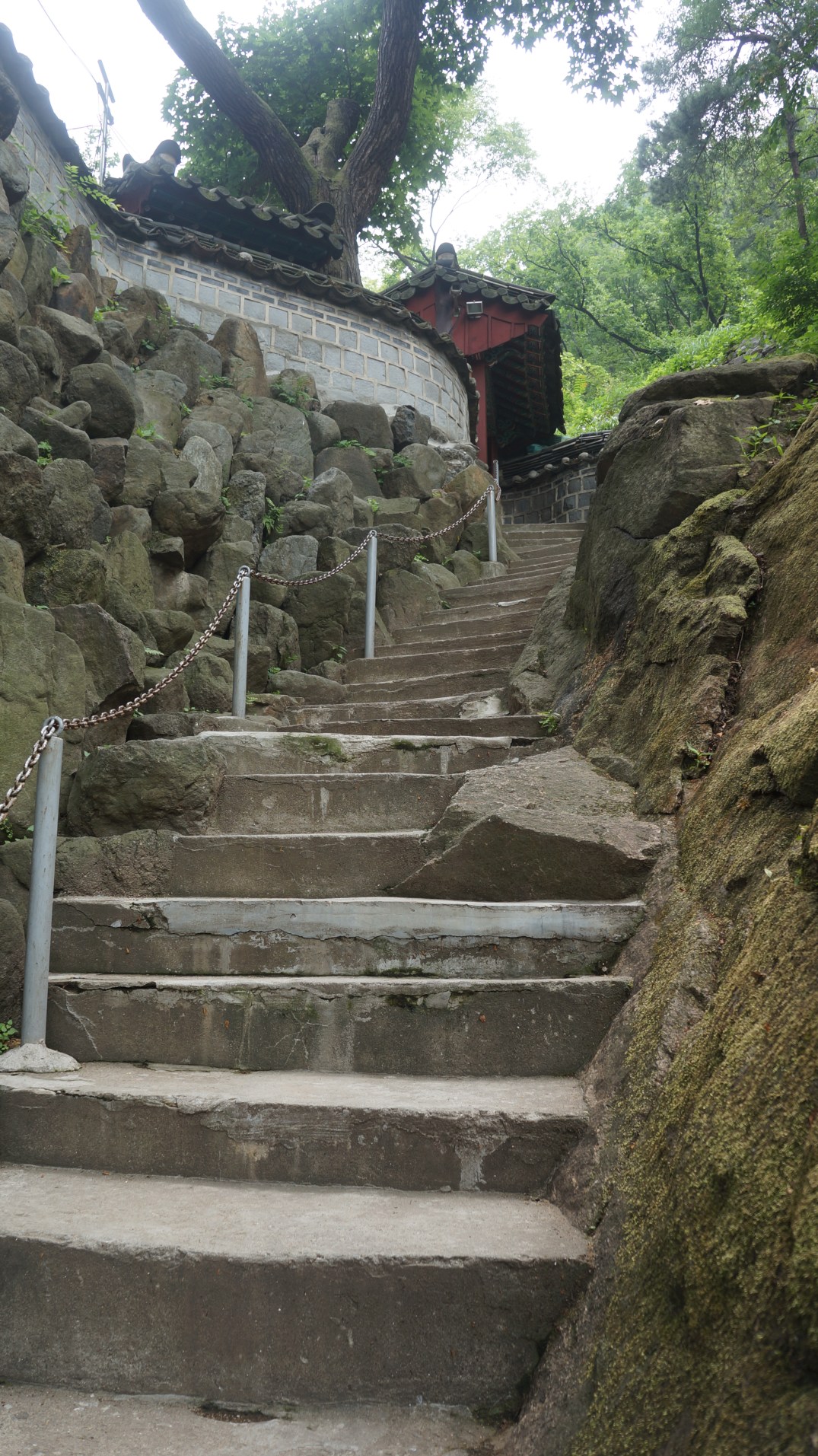
To this day, I still find myself getting lost in Seoul on many occasions. I get off at the wrong station.   I amble along blind alleys, wander around inconspicuous neighbourhoods and trudge along dirt tracks. Sometimes, I walked till my bladders threatened to burst. Getting lost is not always fun. But if getting lost helps you find your direction in life, I think it’s worth the trouble from time to time.  LS

DSC08214DSC08225DSC08231

Coffee With A View

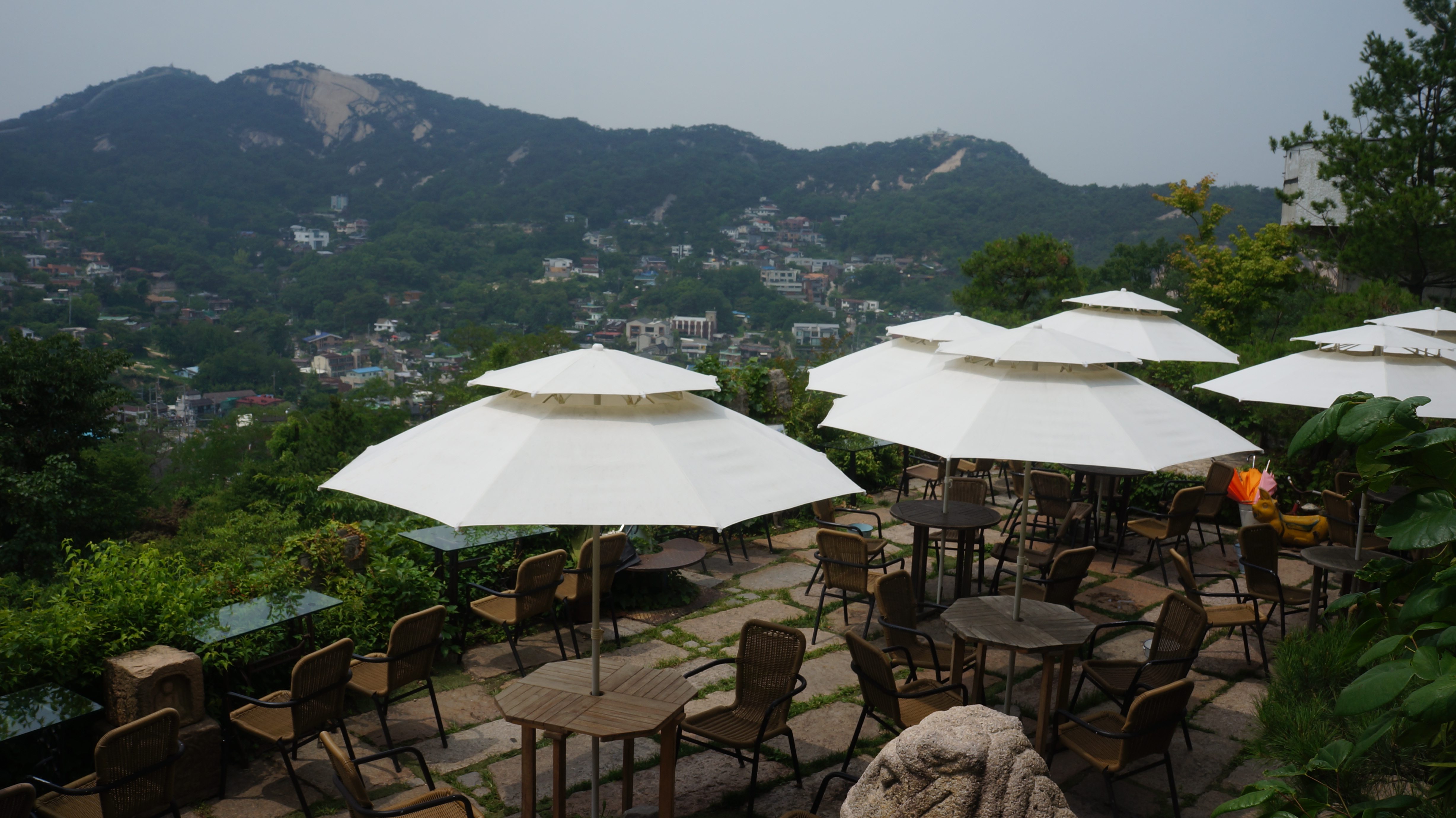
I’m exhausted. After a 30-minute and more strenuous-than-expected “walk” up a hilly road, I realised I desperately need to lose weight. Damn all that beer (and these days, soju / makkeoli)!! And the reason for my industry – to seek out this picturesque cafe in the middle of nowhere.

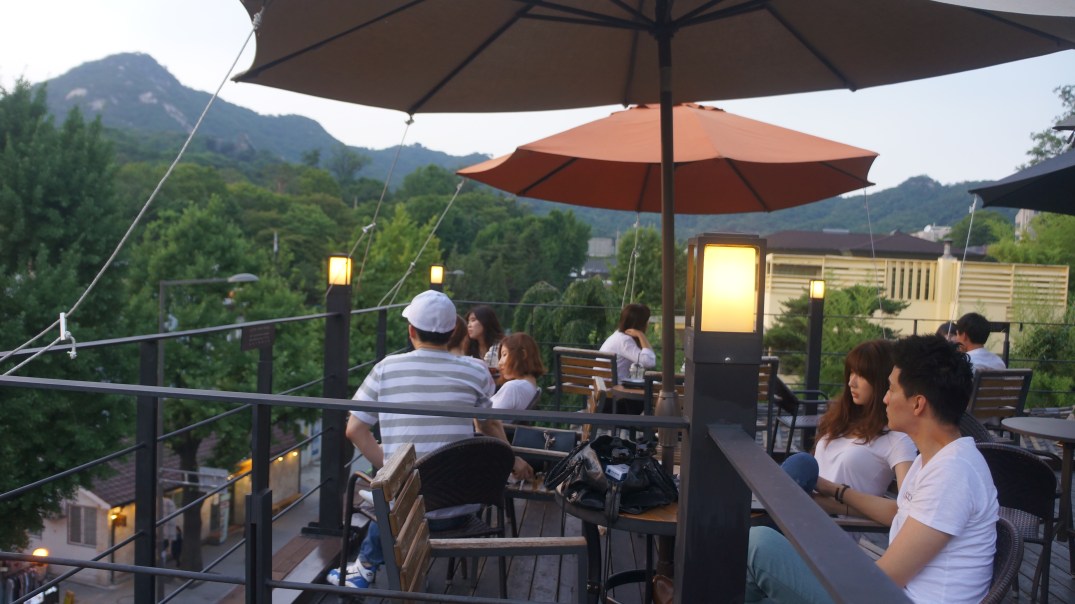
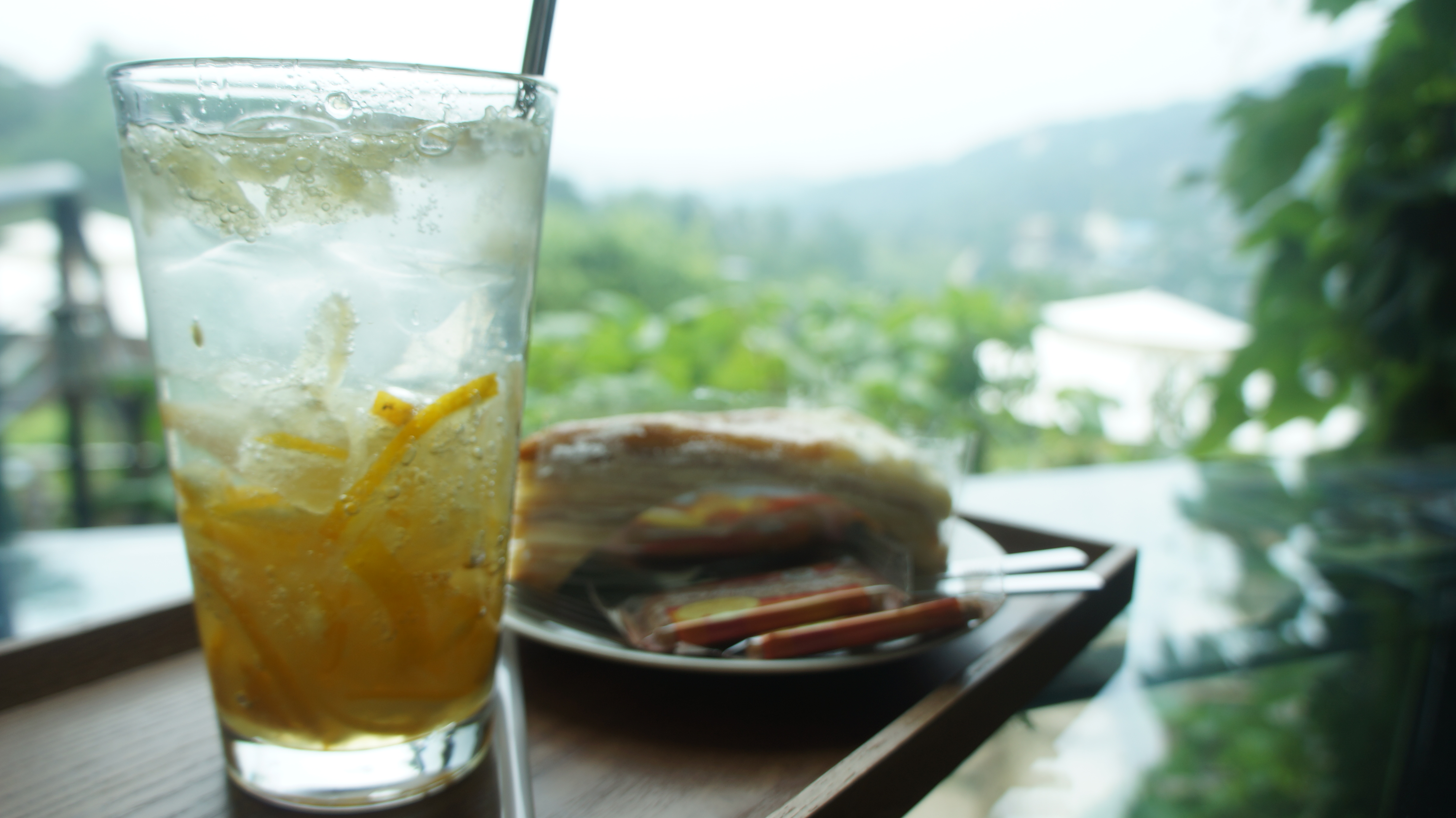
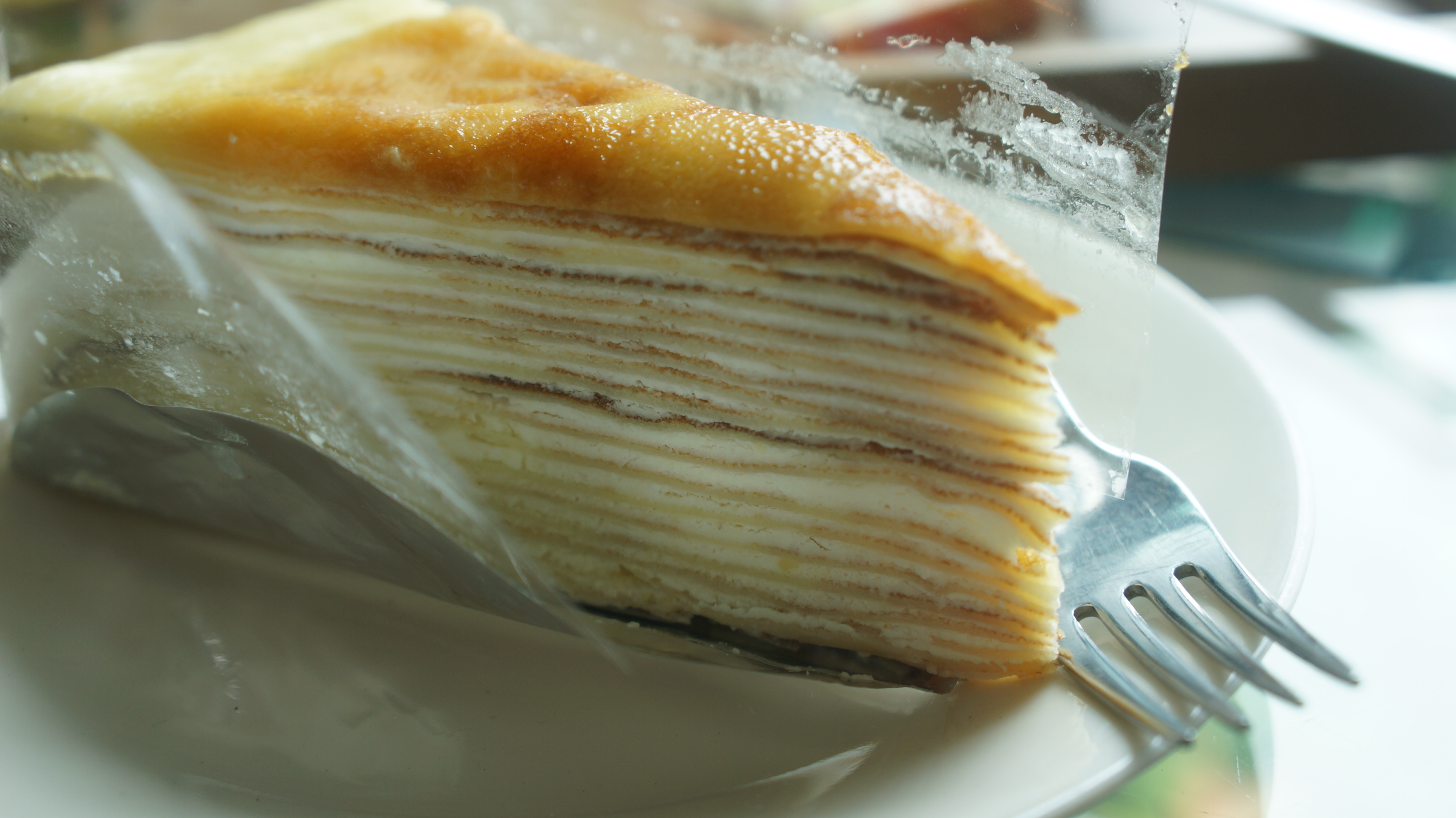
Buamdong, according to my Korean friend, is nicknamed the 사장님동 (Korean for ‘CEO’). That’s because many of the well-heeled and some Korean celebrities live in this neighborhood. And its star attraction is undoubtedly Sanmotoonge (산모퉁이), otherwise known as the filming location of popular Korean drama series “Coffee Prince”. Its breathtaking views justify the steep climb (and prices) I suppose. A cafe latte will cost you 7,000 won, almost twice the price for a cuppa in the city. Cakes start at 7,000 won a piece too. In cooler seasons, the alfresco area would have been fully occupied, but as it is summer, the heat drove me indoors. The view is great, but air-con is what I need at the moment.

Off-the-beaten-track enthusiasts have waxed lyrcial about the quaintness of Buamdong, its charm and mix of art galleries and cafes. Can I be brutally honest? It’s not exactly worth the hike (or the hype). Thankfully, I had also pencilled in an afternoon at Samcheong-dong (삼청동). This is still the place for some aimless wandering, cafe hopping, or leisure shopping at the local designers’ stores. In other words, a wonderful place to bum.

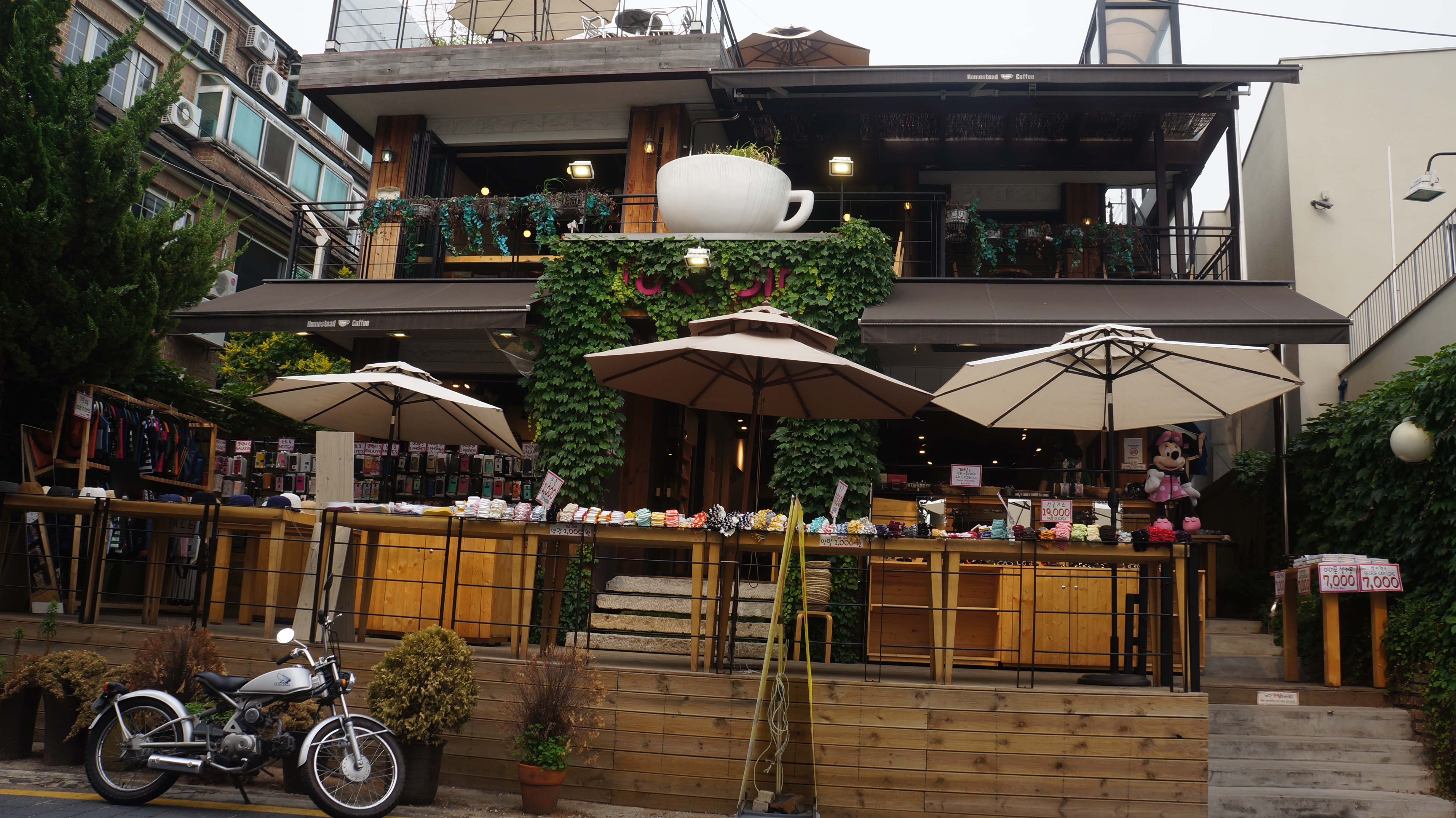
On hindsight, I felt a little silly, having trekked all the way to Coffee Prince Cafe earlier when there are so many fantastic options to choose from in Samcheong-dong. Seoul is caffeine city. There are probably more cafes in Samcheong-dong (or in Seoul for that matter) per square metre than vehicles that you wonder how they actually manage to balance the record books. But who’s complaining? An afternoon at Samcheong-dong is the perfect way to while away that lazy Saturday afternoon in Seoul. And if you’re tired from all that walking, treat yourself to a cuppa at one of those cafes with a rooftop terrace and a “Coffee Prince” view.  LS

DSC08109 DSC08111 DSC08116 DSC08121 DSC08154DSC08167DSC08162DSC08181DSC08176 Cafe hopping at Samcheong-dong, Seoul.

Gyeongju | Oh Silla! Where Is Your Glory?

Believe it or not, Korea had, once upon a time, been one unified country instead of the current North and South divisions. For nearly a thousand years, the Silla () dynasty (57 BC – 935 AD) ruled over a unified Korea after vanquishing the Goguryeo (고구) and Baekje () kingdoms in 668 AD during the reign of King Munmu (). And Gyeongju was her capital.

Subscribe to get access

Read more of this content when you subscribe today.

Busan | Proud To Be Loud

Busan is a city of opposites. Here, smelly (but fascinating) fish markets sit alongside gleaming Lotte megamalls. Along the coast, colourful houses (Gamcheon Cultural Village 감천문화마을) sprawl over like lichen in a haphazard fashion, which has earned the city the moniker “Santorini of the East”. Korea’s second-largest city is an eclectic mix.

Subscribe to get access

Read more of this content when you subscribe today.

Feels Like Home

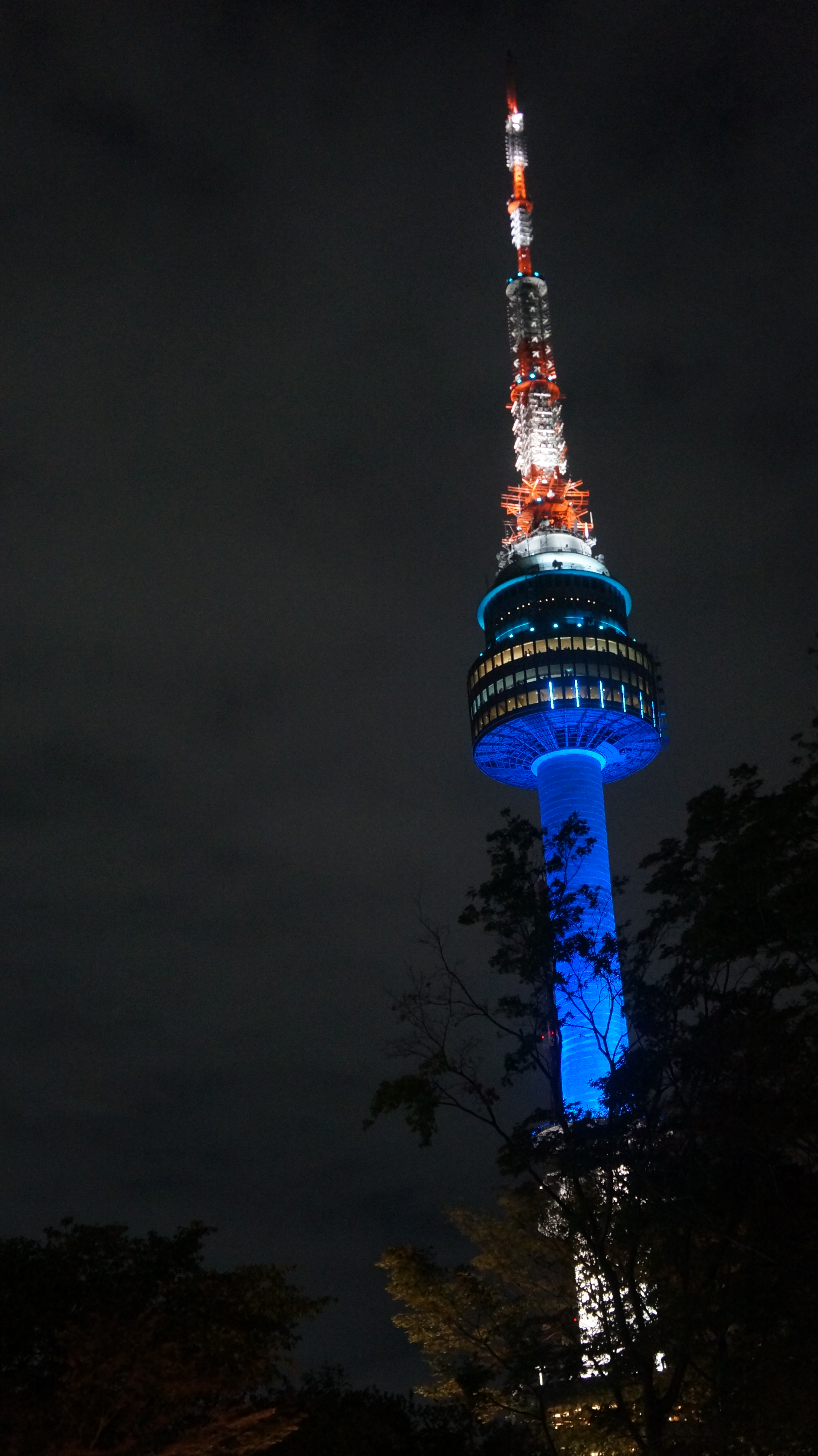
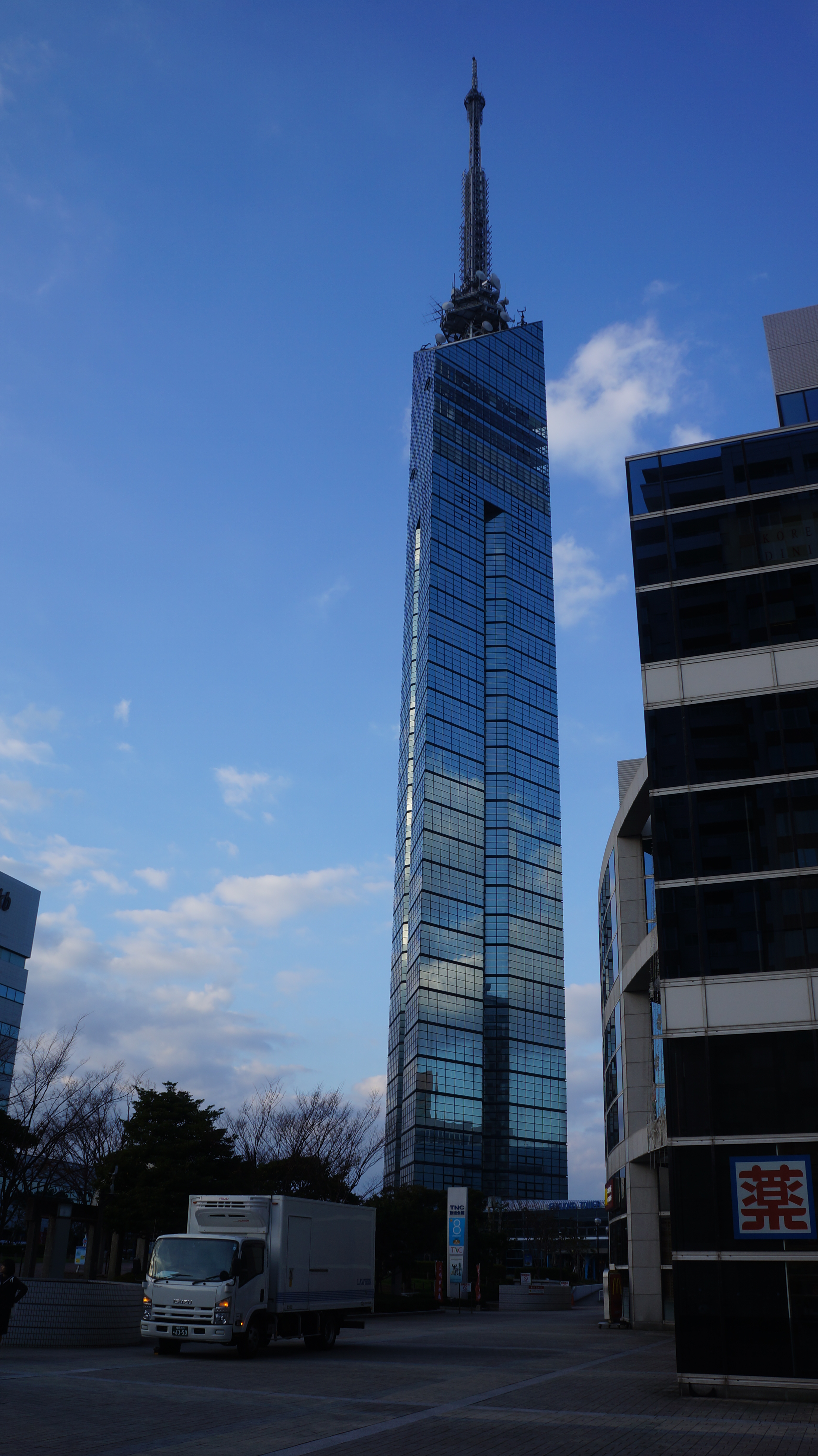
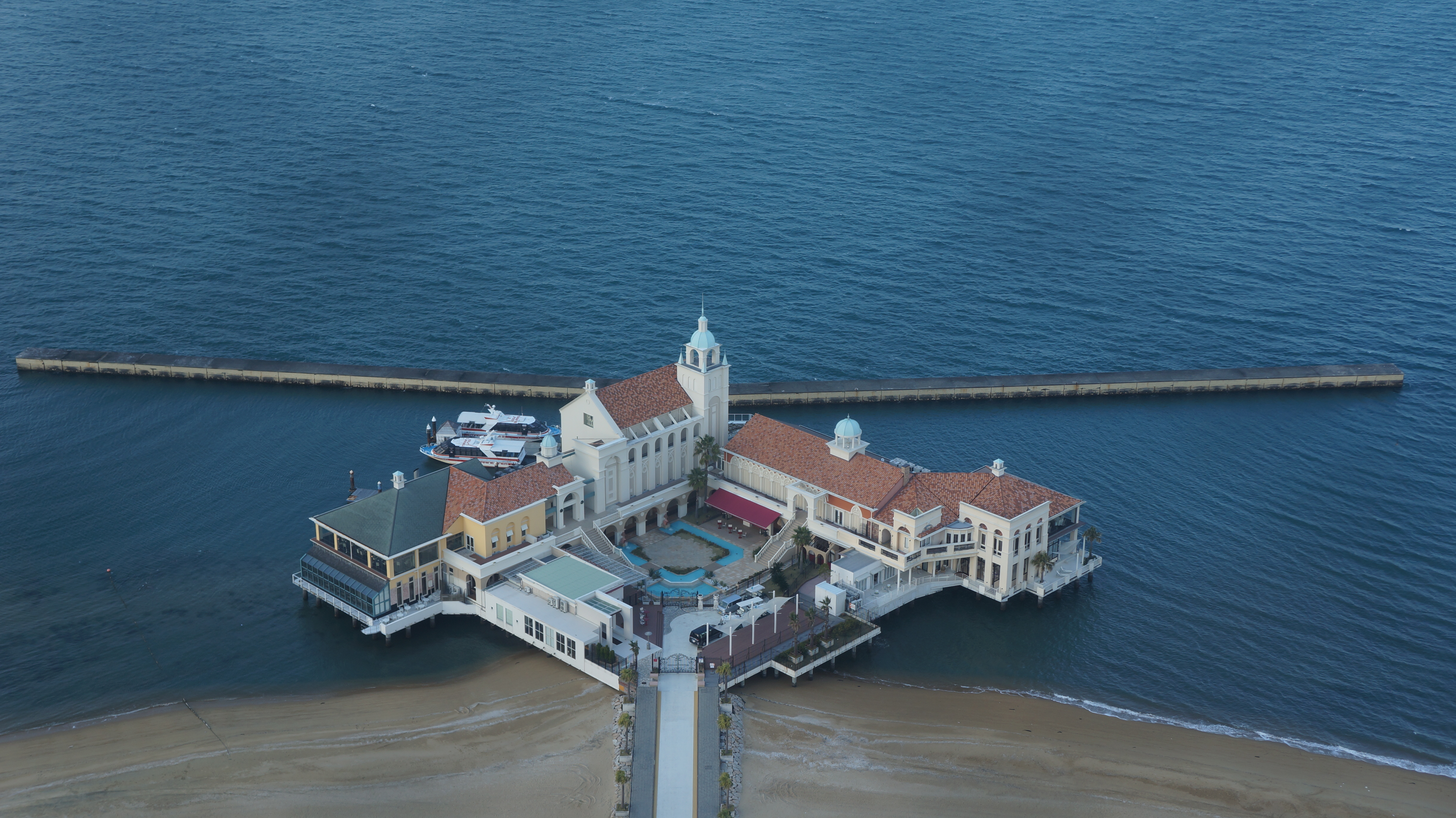
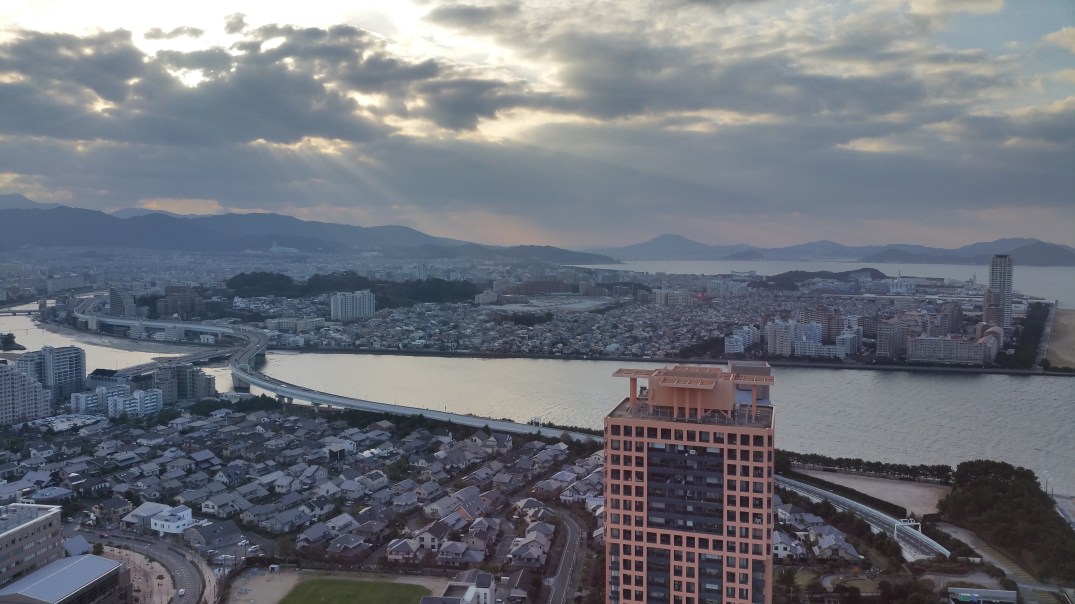
DSC07960Every major Japanese city boasts of some tower of sorts, the kind that gives you an adrenaline shot when zipping skywards in their shinkansen-esque elevator. Fukuoka is no exception. Standing at 234 metres, the city’s sentinel, the Fukuoka Tower is all gleaming blue glass, and looks like a slender glass shard from far. And if you visit at 7 p.m., you get to witness a dazzling lights display. Take a leisurely stroll along the Momochi Seaside Park (シーサイドももち, Shīsaido Momochi) and enjoy some lovely evening snaps.

As I took in a 360 degrees view of the city skyline, I thought about my experiences here over the past few days, and what this city meant to me. Many people see Fukuoka as nothing more than a transit hub (like a ‘Frankfurt’ of sorts), a base from which to explore the Kyushu region. “Functional Fukuoka”, some may say. True, Fukuoka may not have the diversity of attractions that Tokyo boasts of, or the cultural richness that Kyoto exudes. Yet, Fukuoka combines a cosmoplitan vibe with the laid-back charm of a coastal city. It’s a curious mix that makes a city-dweller like me feel, almost, at home.  LS

DSC0797520141209_160324DSC07973DSC07963DSC07978DSC07981DSC07992

The Best Ramen in Town is Black

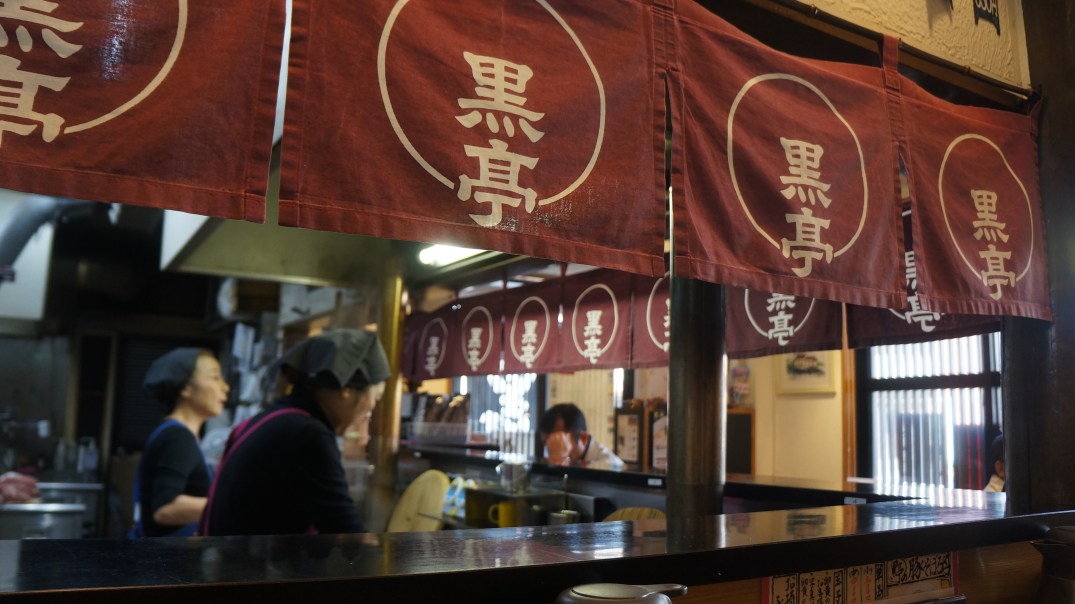
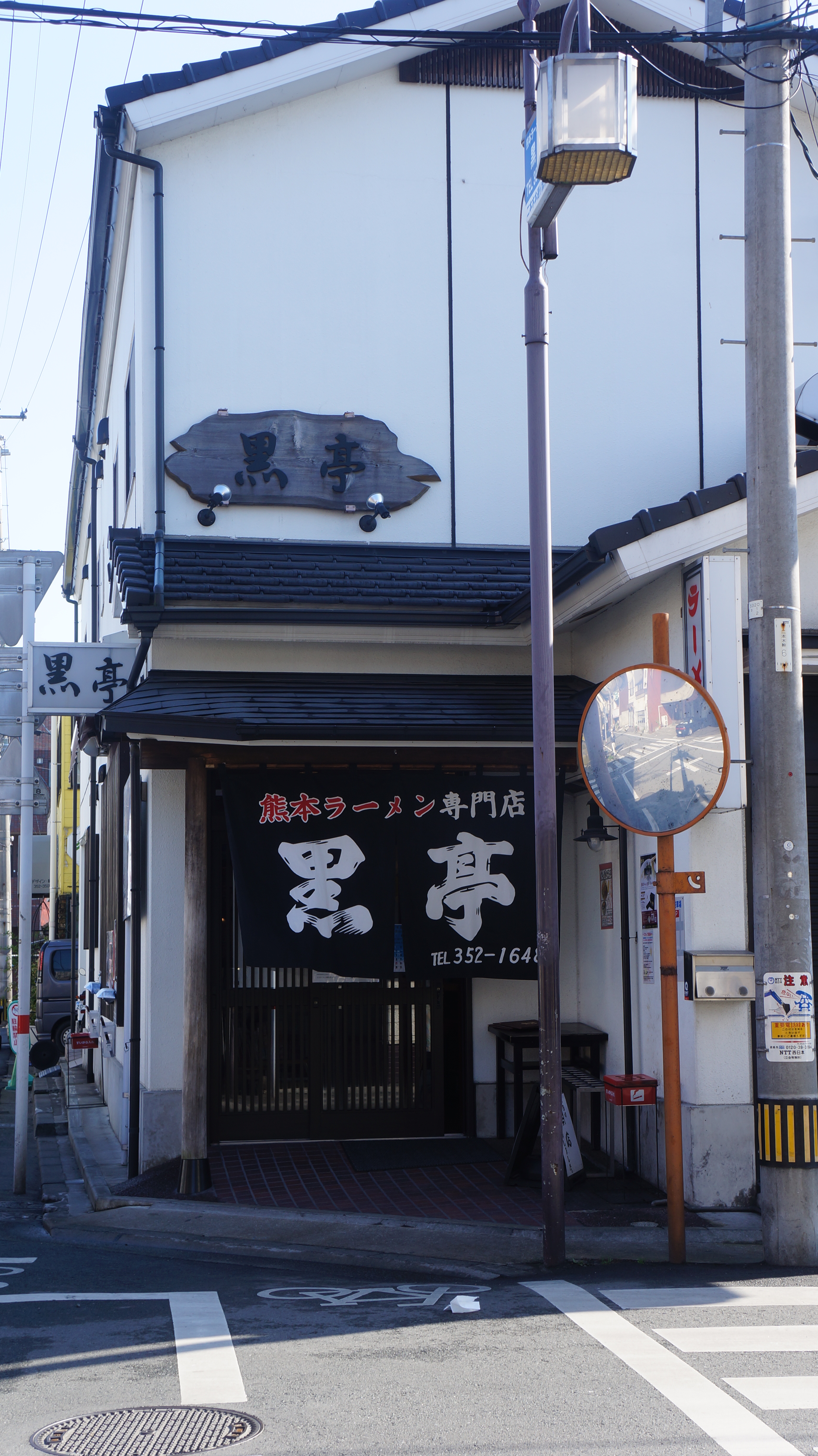
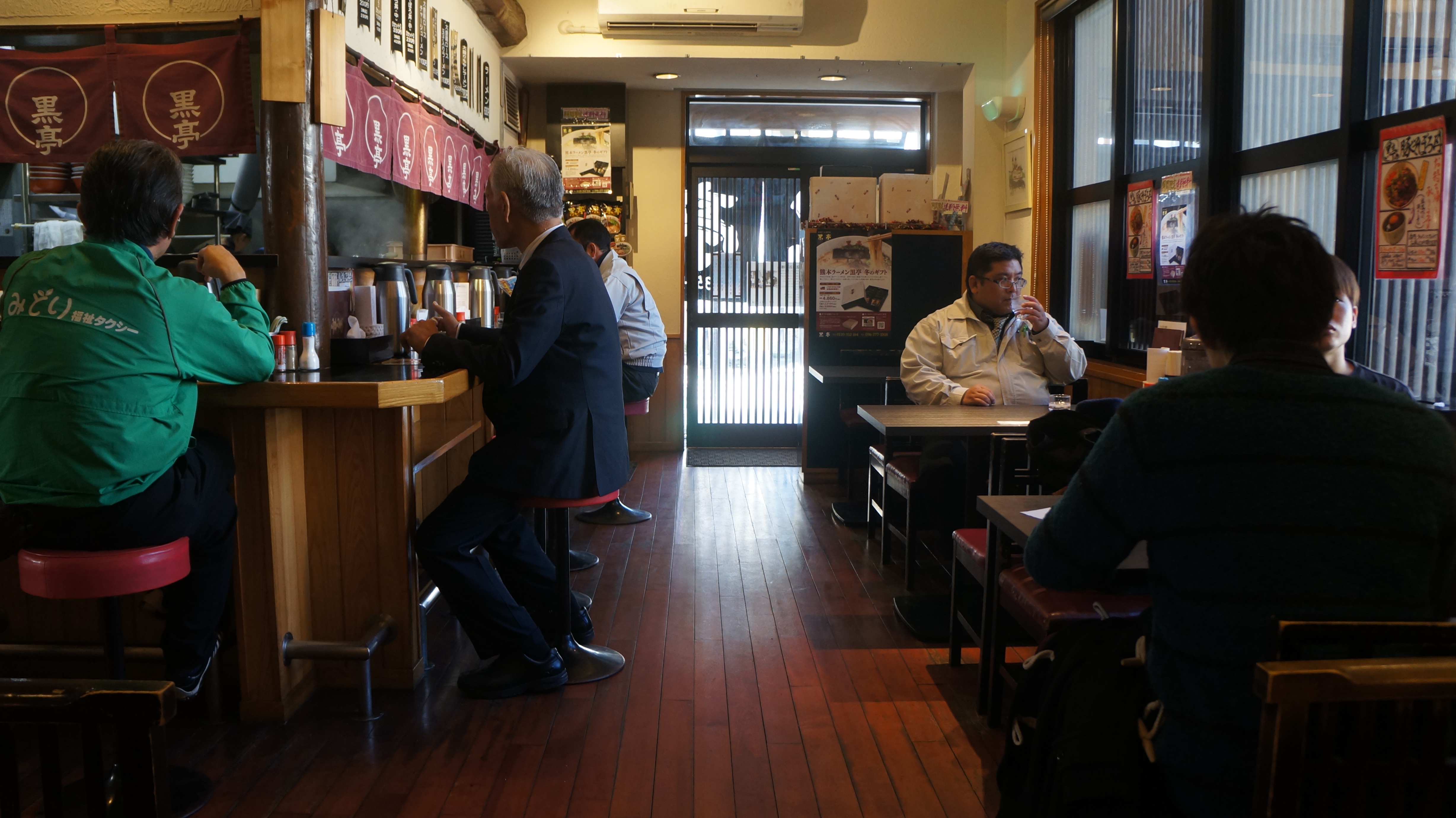
Before leaving Kumamoto for Hakata, there’s just one final pilgrimage I had to make – and that was to Kokutei (黒亭). If Hakata has its Holy Trinity of Ippudo, Ichiran and Ikkousha, then Kumamoto’s Kokutei is its undisputed King (of ramen).

Tucked away in a nondescript neighbourhood across from Nihongi-guchi Tram Stop (二本木口電停), Kokutei doesn’t strike one as the Holy Grail of Ramen in Kumamoto. But wait till you check out the lunchtime crowd that snakes around the restaurant. Even at night, there’s no glitzy neon sign that points the way to this ramen shrine. In fact, don’t even bother dropping in after dark (as I found out the hard way). Kokutei’s ramen sells out everyday by 4 p.m. The good news is that you can find Kokutei’s signature tonkotsu (とんこつ) broth in almost every Japanese supermarket worth its salt. As for me, nothing tastes better than the real McCoy.  LS

DSC07936 DSC07938 DSC0794220141209_113547DSC07943