 One of the first things I penned down on my bucket list when doing my research on Sapporo was the Sapporo Beer Museum (札幌ビール博物館) and the Sapporo Factory (サッポロファクトリー). I’ve always enjoyed Japanese beer, and in particular, Sapporo (I prefer this over Asahi or Kirin). So how could I not make a pilgrimage to the Holy Grail when I am in Sapporo?
Let’s cut to the brew. To be honest, if time is of the essence for you in Sapporo, I suggest you can safely give both destinations a miss. I hear a gasp…
Yes I mean it! As much as I fancy a tipple from the sacred shrine, I would have to admit that besides the beer tasting (which you can actually experience without a tour of the museum), both destinations do not offer a truly interactive experience.
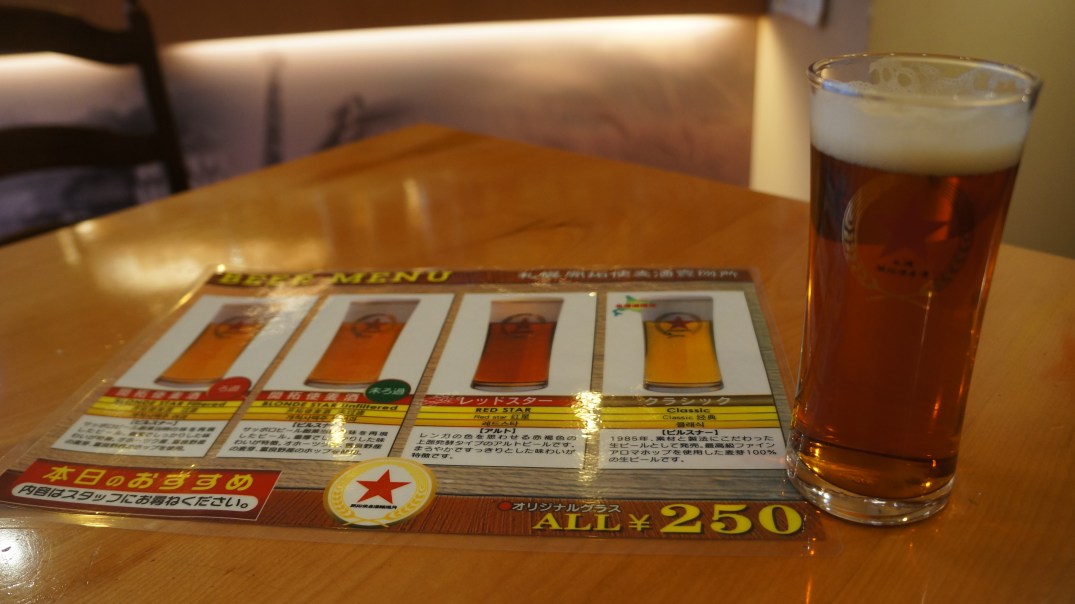
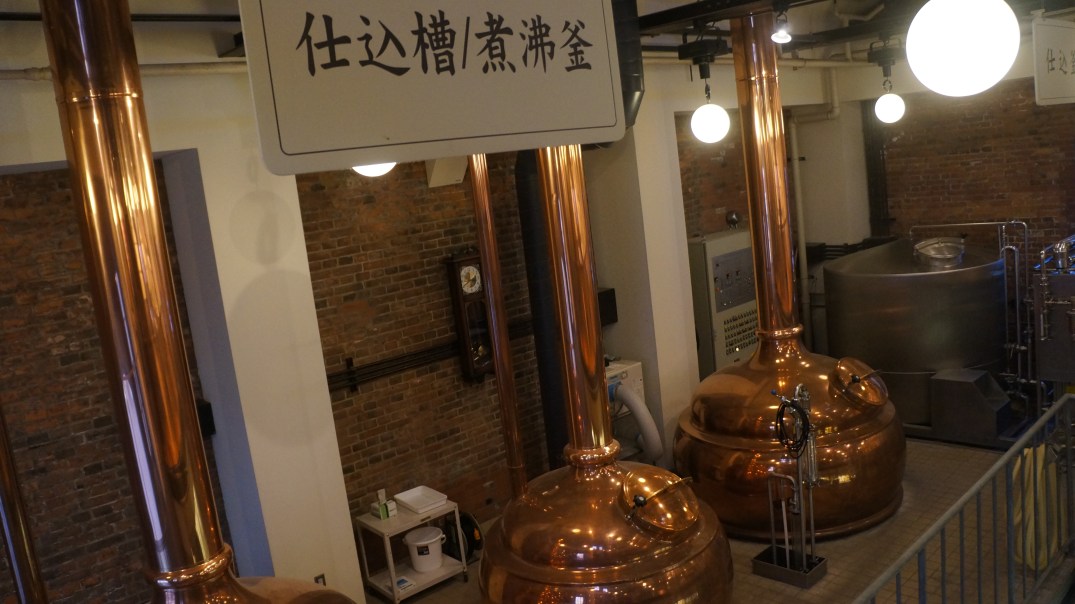 Take the Sapporo Factory for example. This former brewery is now a shopping centre, restaurant complex and tourist trinkets trap. The only reason I spent a good hour there – there’s a small tasting room at the corner of a miniscule “exhibition room” where you can taste 6 different kinds of Sapporo Beer for 250 yen each for half a pint.
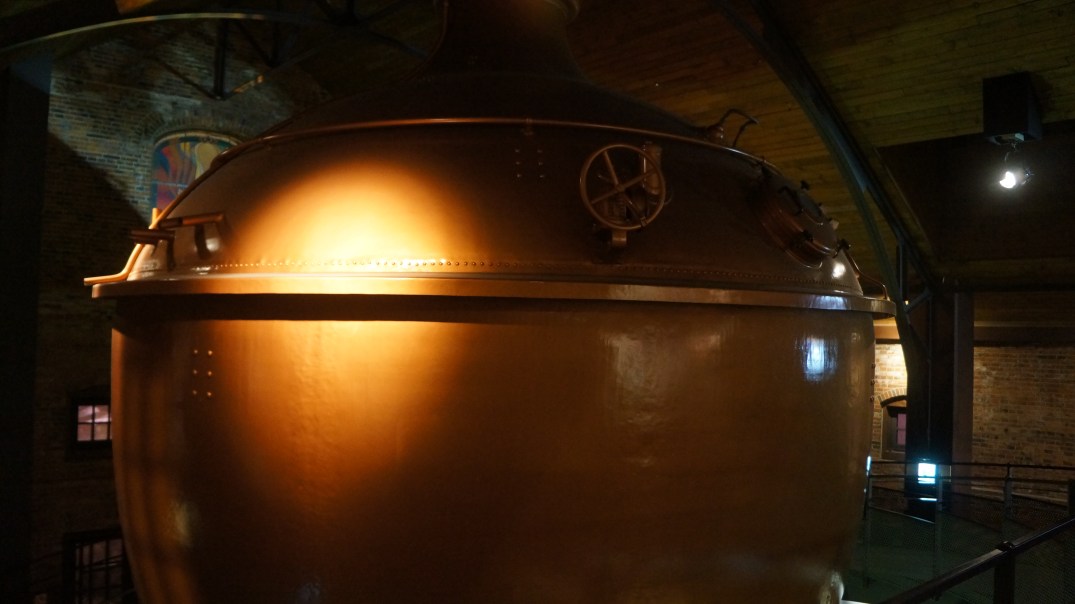
 Next, the Sapporo Beer Museum (札幌ビール博物館). It’s a shuttle bus ride from the Factory. The architecture is strangely European and the distinctive Sapporo red star that adorns every steeple and roof kind of reminds you of the former communist Soviet Union (or is it just me?)
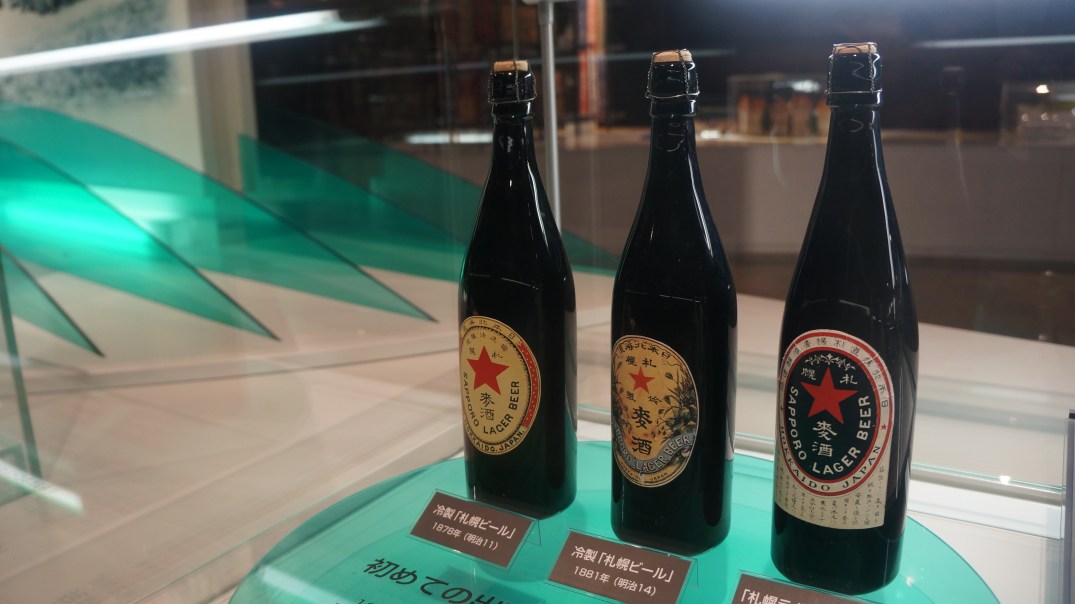
 Inside the Museum, there’s two floors of exhibits – both of which took me less than 5 minutes each. The exhibits cover the history of Sapporo Brewery and a special tribute to their bestselling Black Label. I would have preferred a more interactive experience, but sadly, the exhibits are mainly posters and Sapporo beer bottles from the different eras.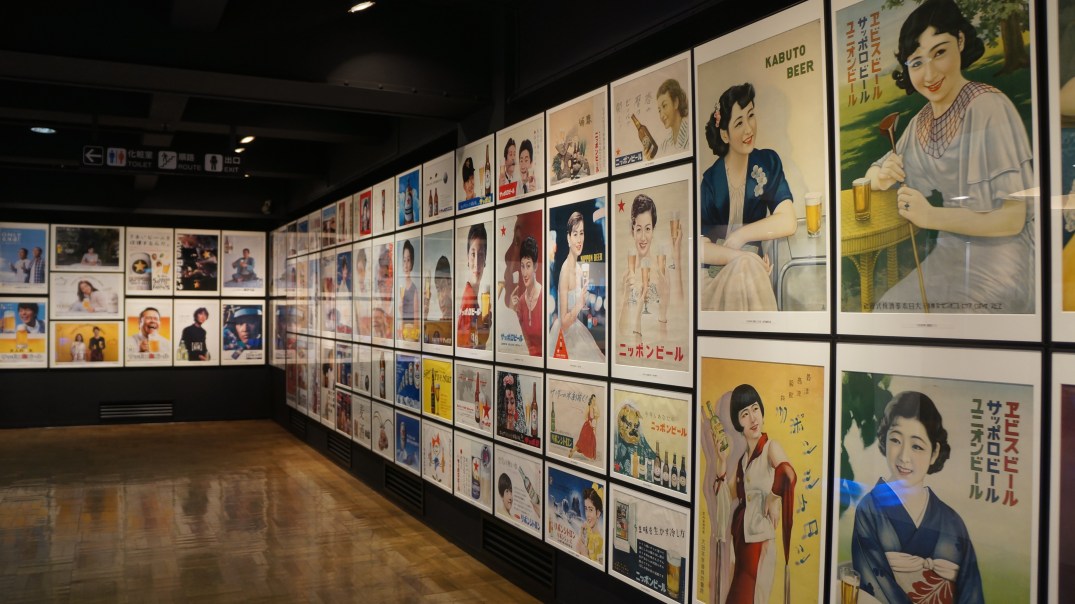
 Now if you have time, the beer tasting is the real deal. And the best part, you get to sample 3 half-pints of different Sapporo beers at a grand total of 500 yen. This almost makes the earlier price tag of 250 yen per half pint offered at the Factory seem exorbitant. In addition to the beer tasting, there’s an interesting souvenir shop where you can purchase beer flavoured chocolates, beer flavoured cookies, beer flavoured anything… Cheers to that! LS




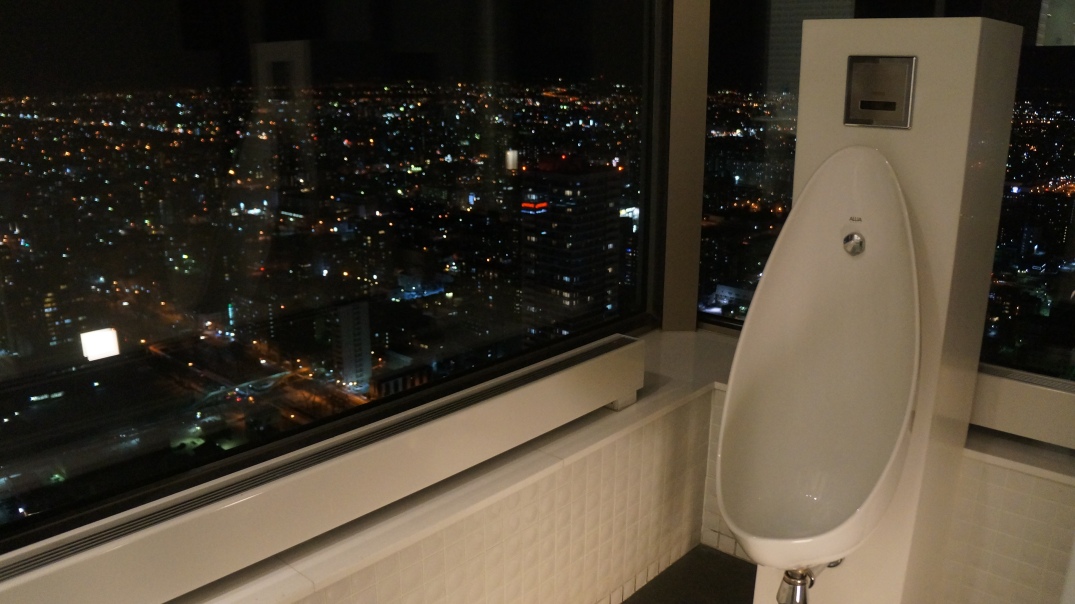
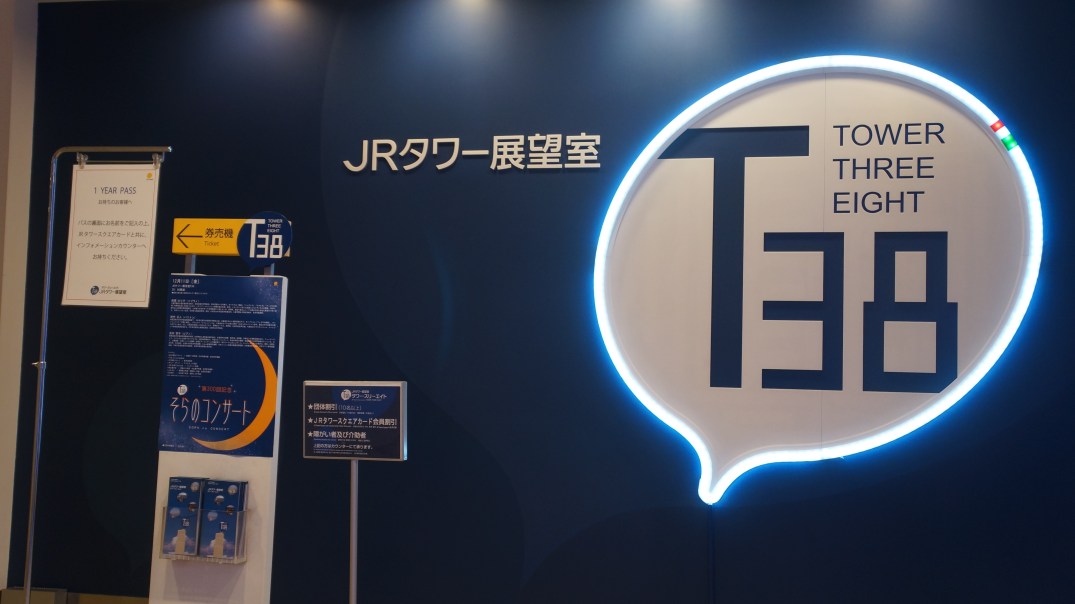

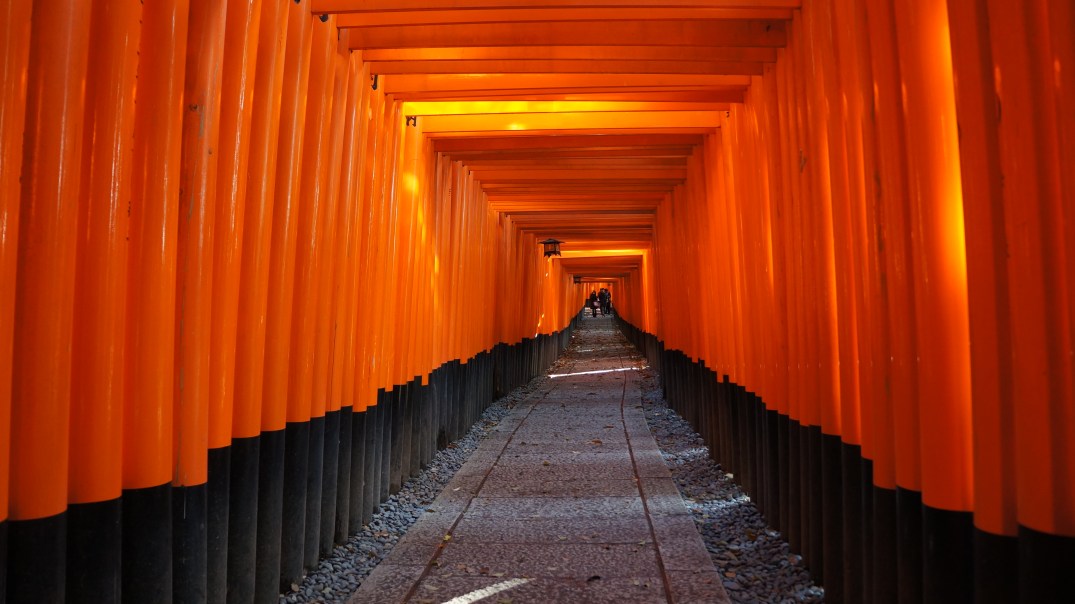
 So I’m going to accost your sights with
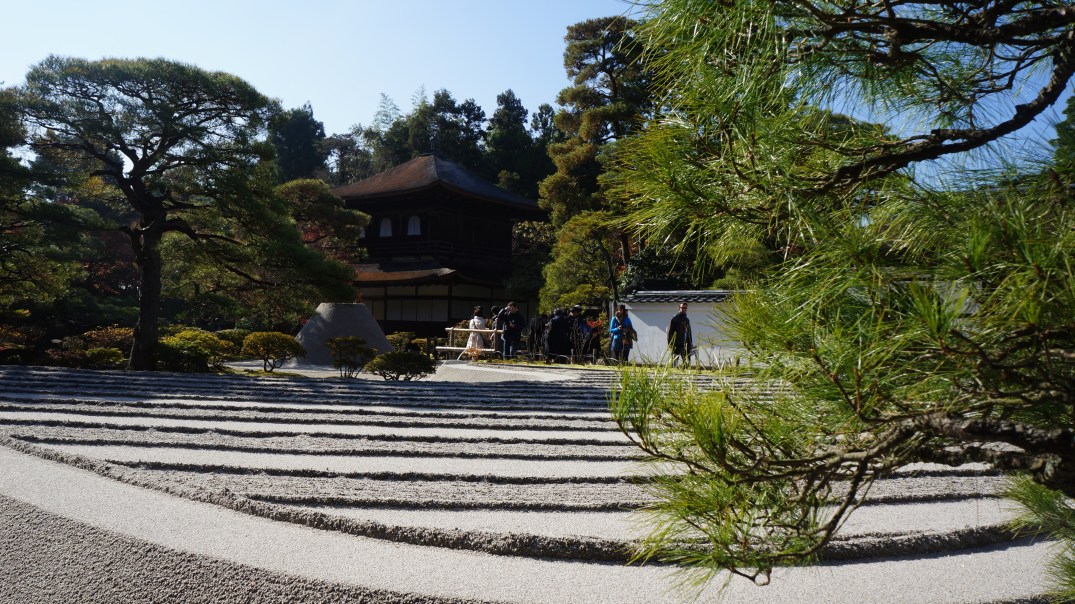
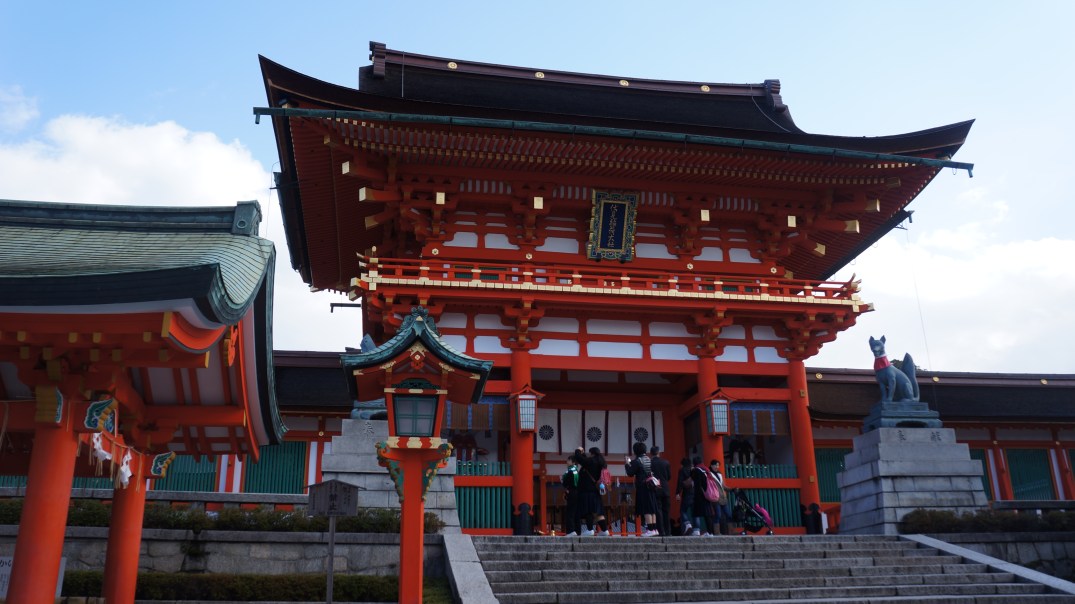
 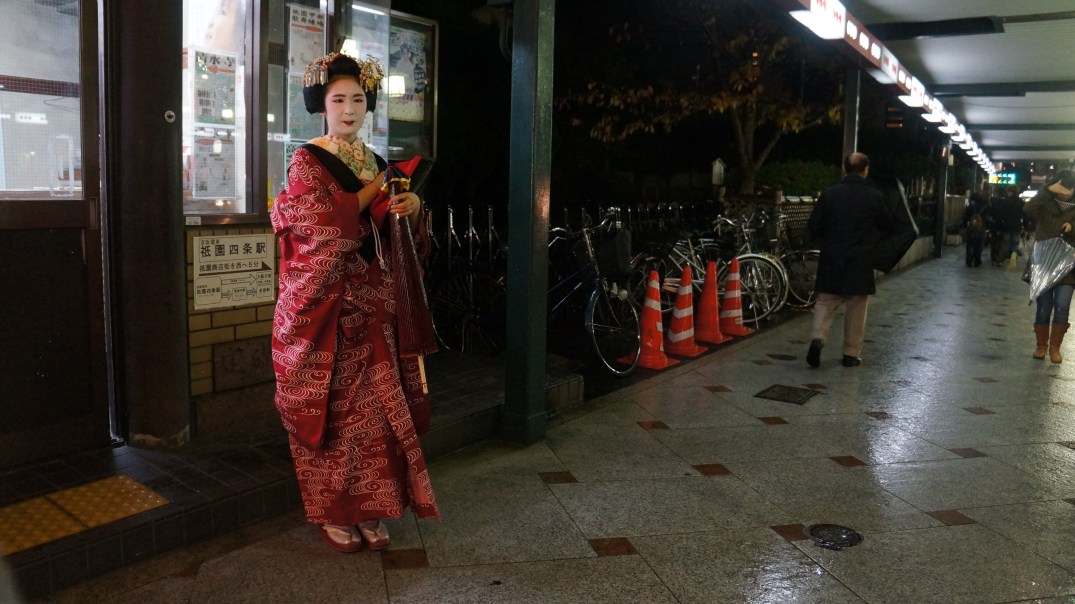 Here, geishas toting umbrellas totter in wooden clogs on the cobblestoned streets of Gion. Shrines pop up in the most unlikely of places (for example, in the middle of Teramachi, a bustling market and shopping arcade). And just a stone’s throw away from the shopping belt, mega temples built on hilltops instantly spirit you into a zen new world.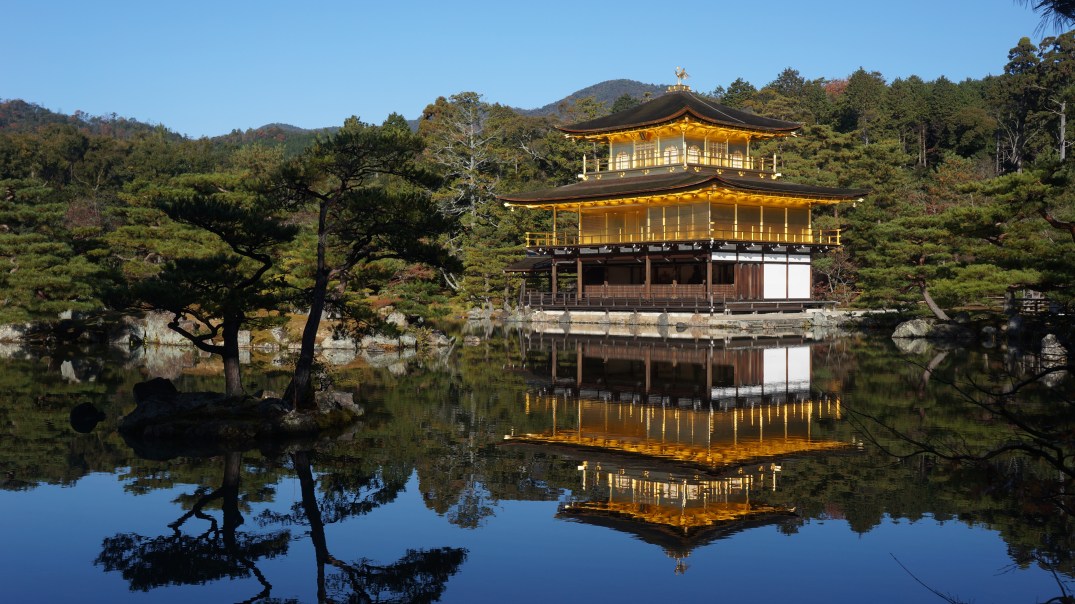




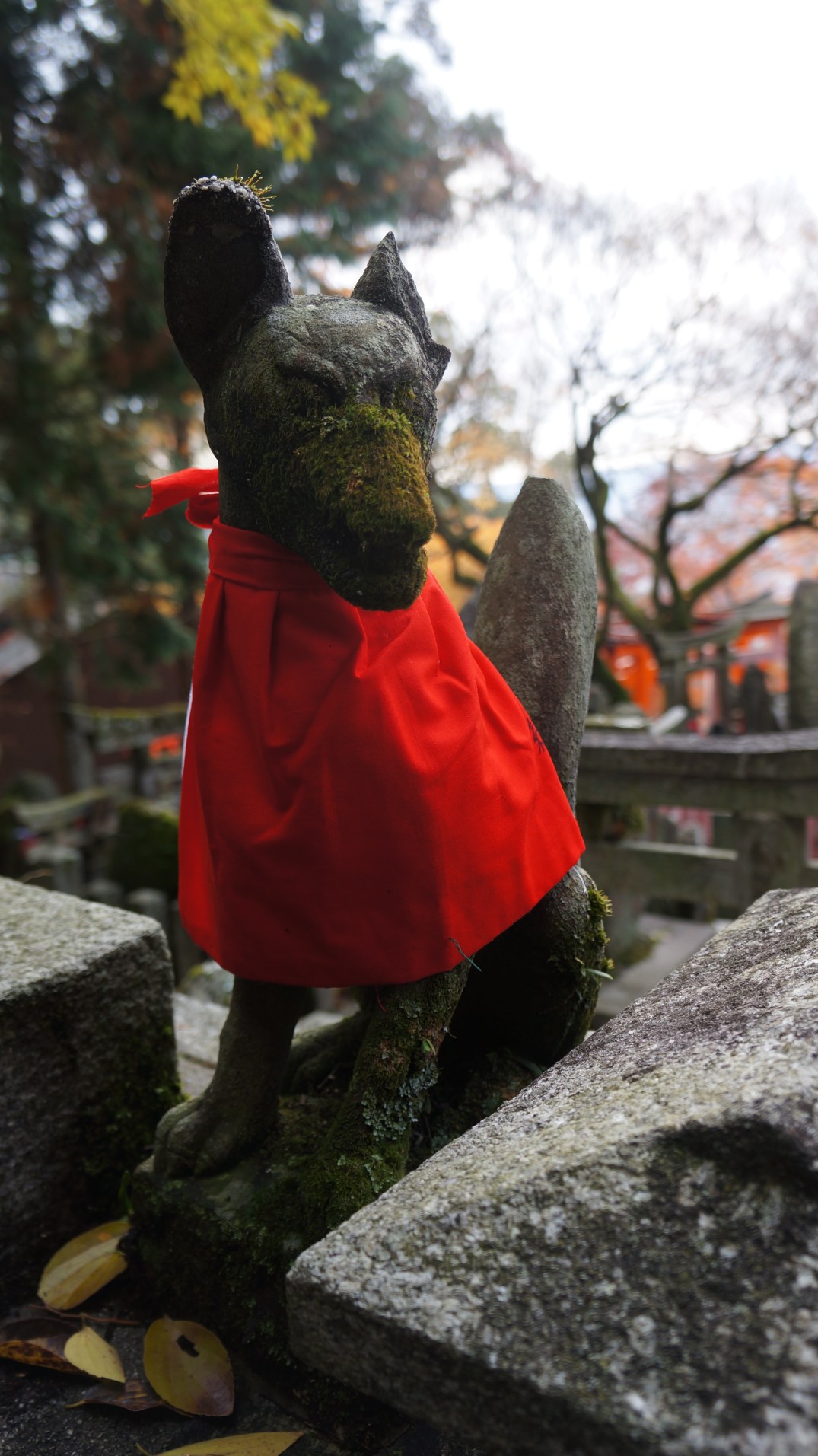
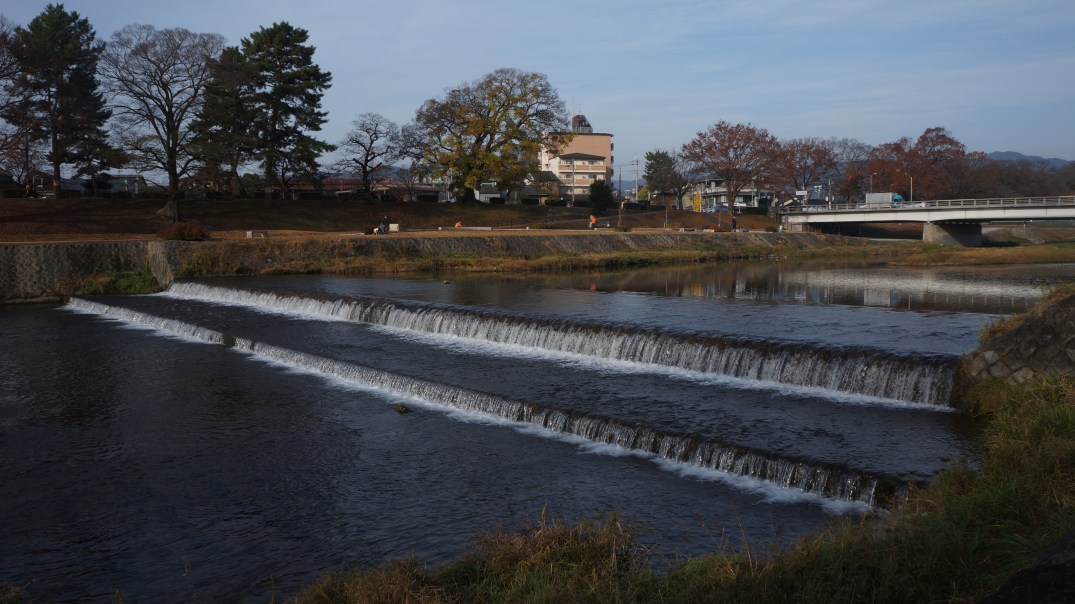

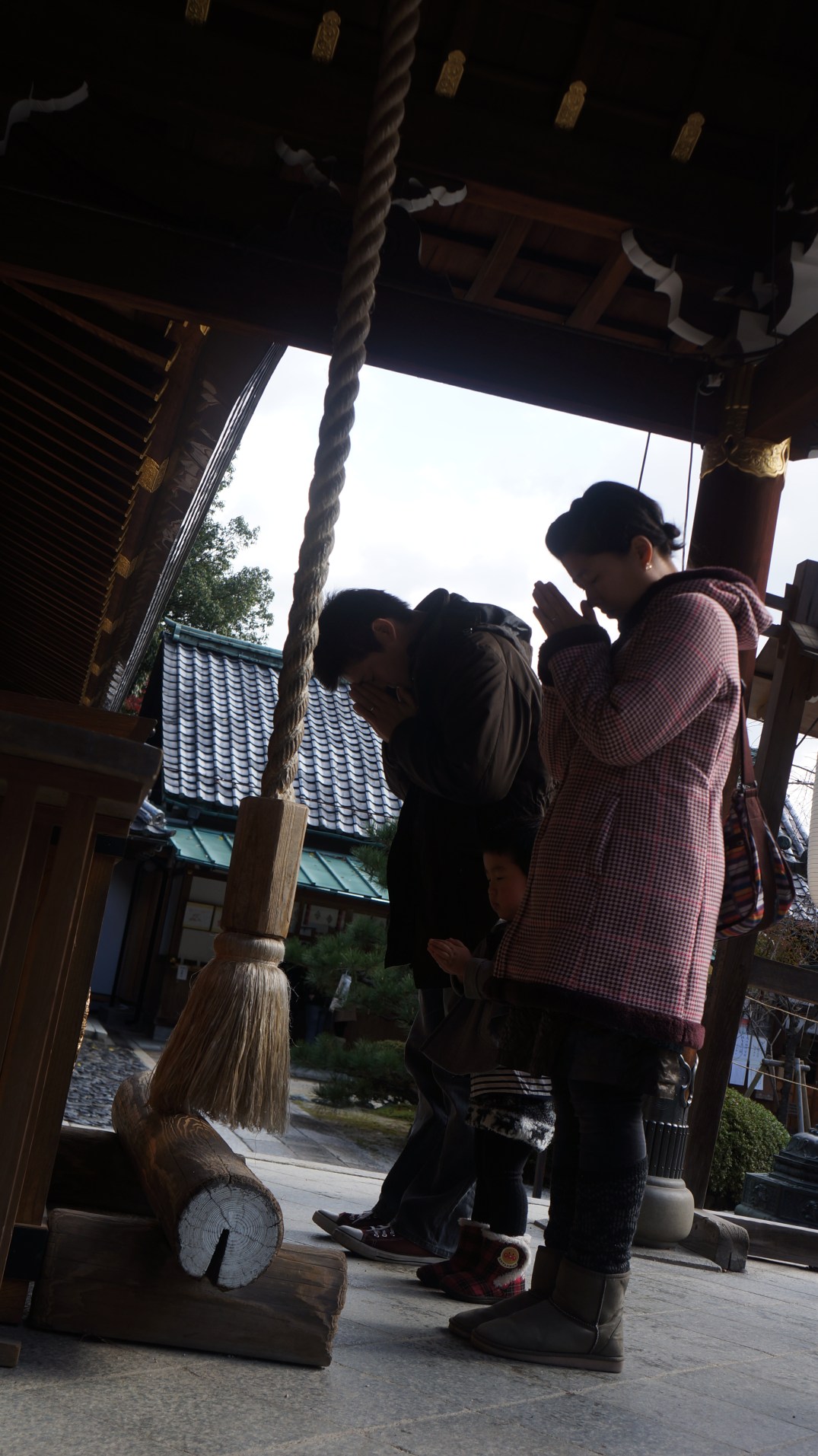
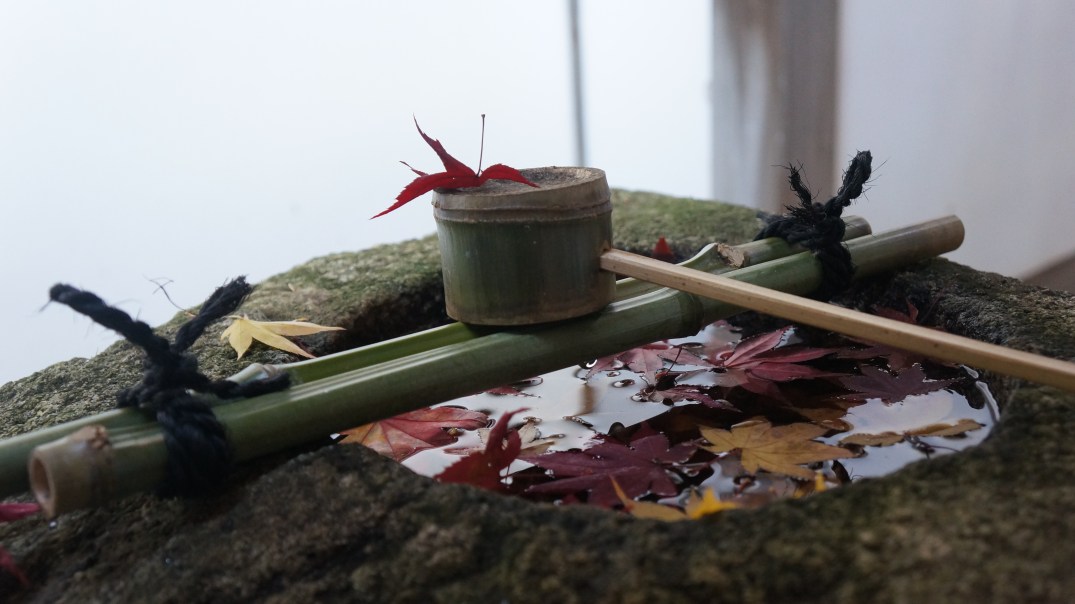






 It’s funny how sometimes you just feel like doing random things. Like sit in a Lego shop and play with the bricks for a good two hours before heading to your next destination. If you must know, I managed to fashion a synagogue / church (can’t really tell which it resembles more) out of a ton of yellow bricks.


 Exploring the Jewish quarter is another adventure on its own. A little sedate in the day, the cobblestone enclave really comes alive at dusk – when the pubs and restaurants open and start filling up with locals.


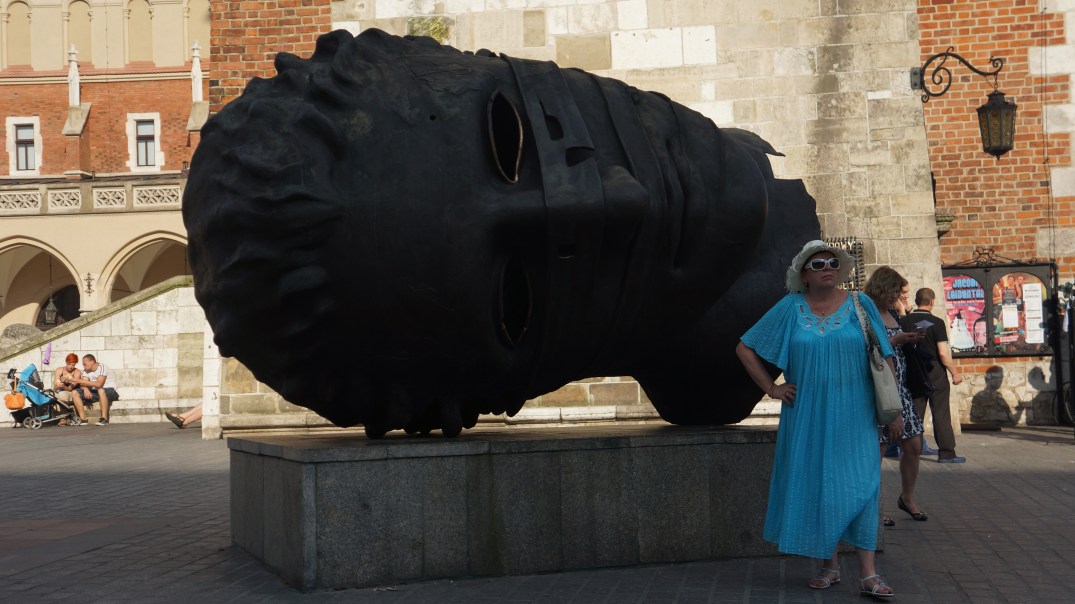
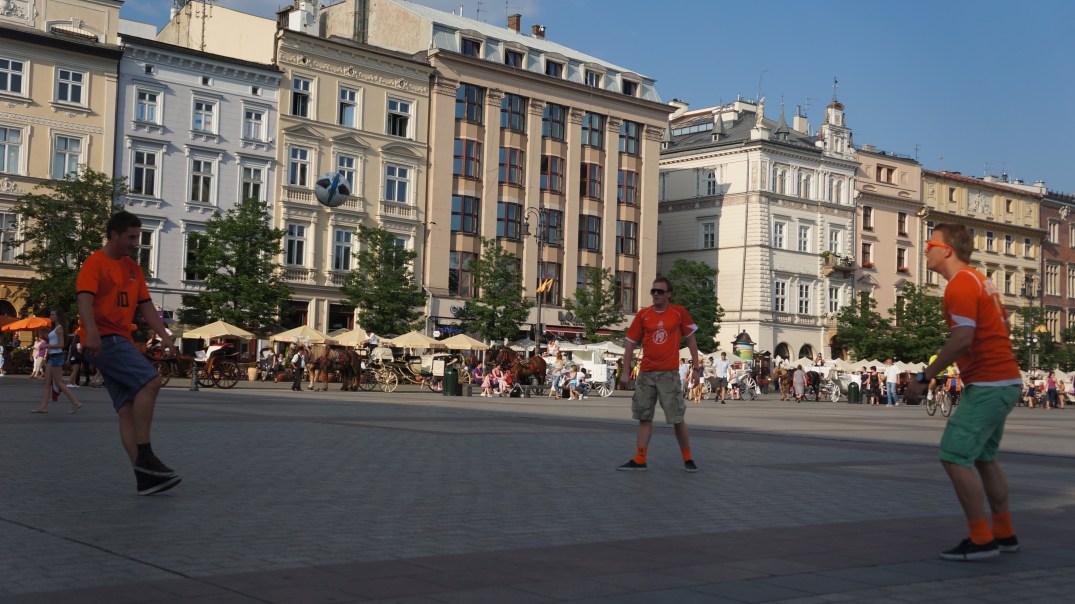


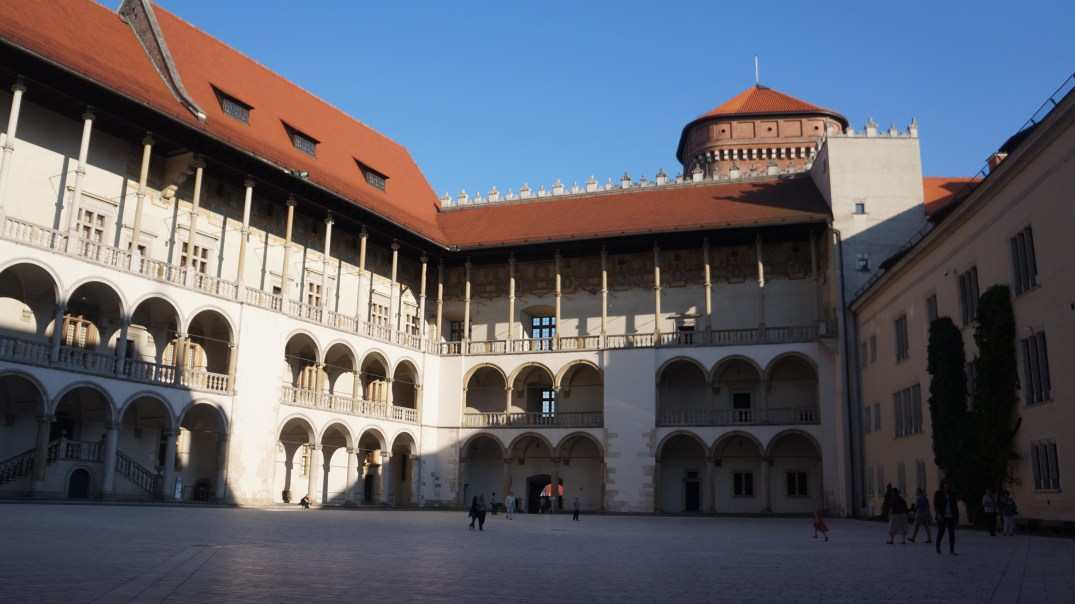
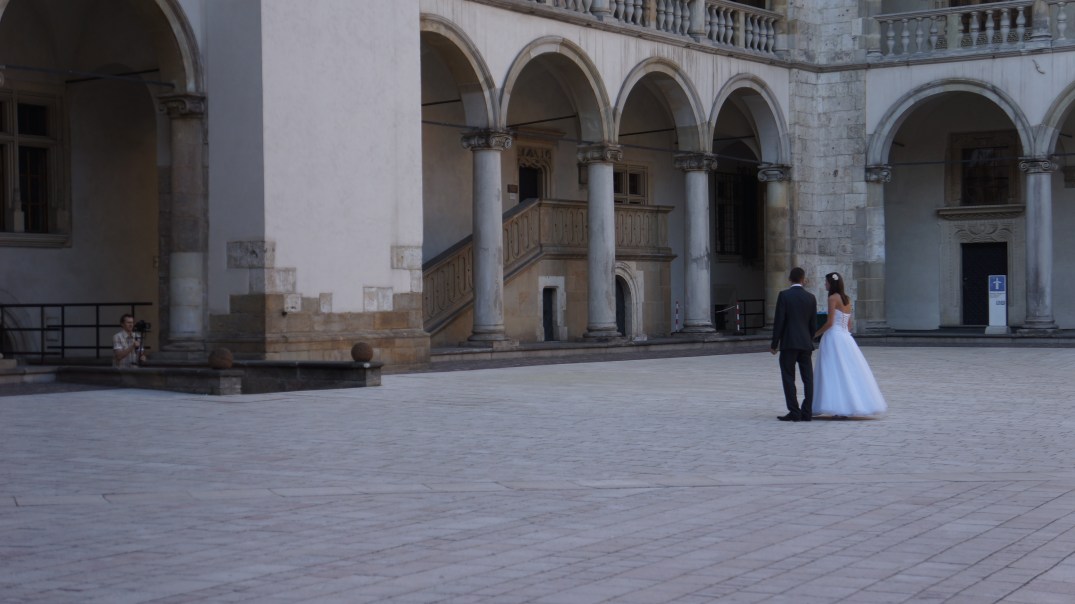

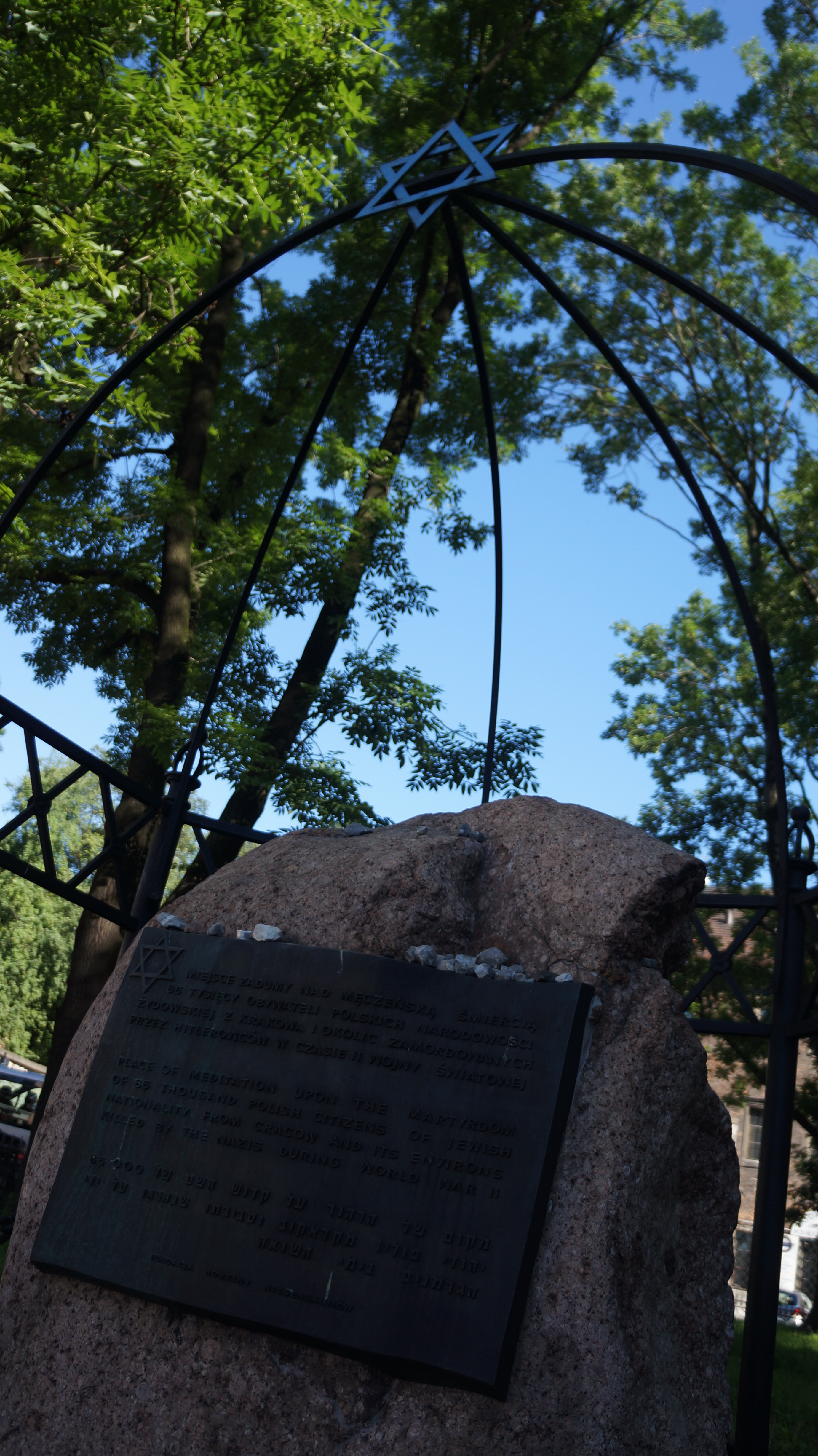


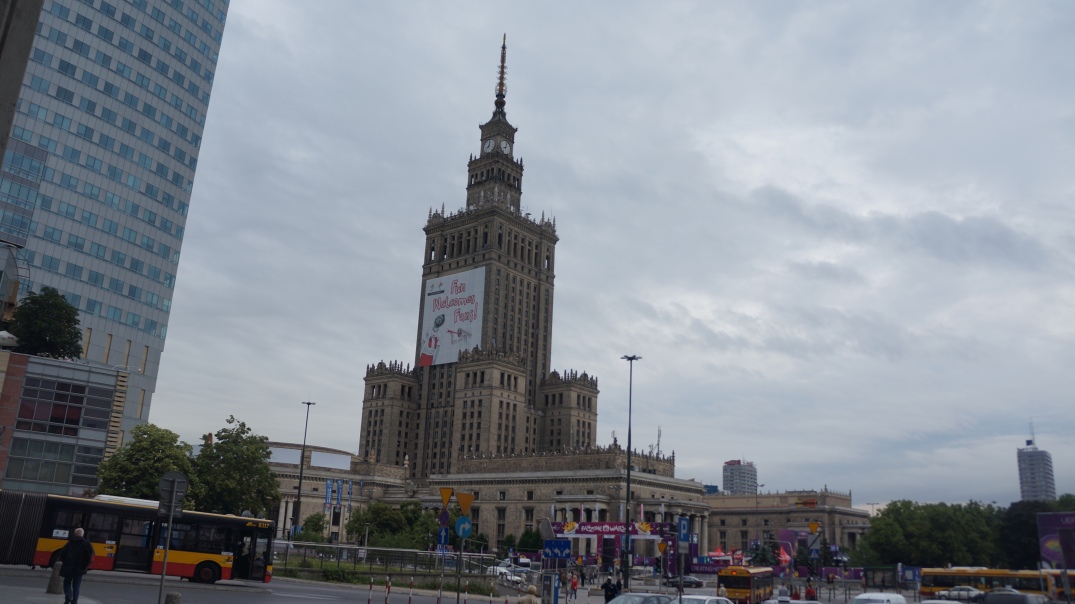
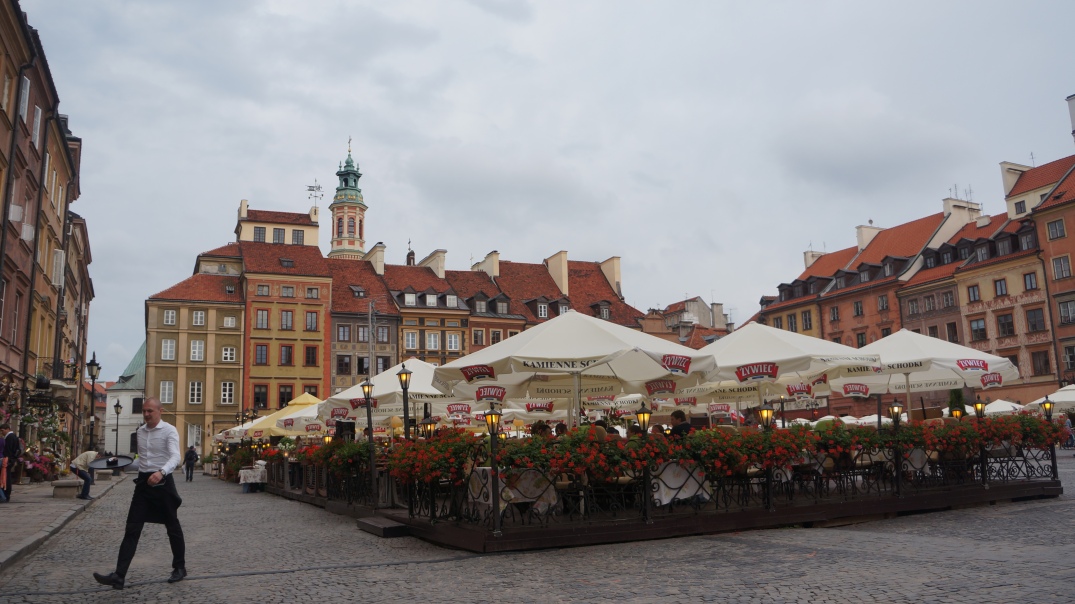 The Old Town Market Square (Rynek Starego Miasta) overlooking the Vistula is the heart of Warsaw and probably any traveller’s first stop. However, when the sun goes down, hipsters and well-heeled Poles flock to Nowy Świat, a cosmopolitan F&B thoroughfare that boasts some of Warsaw’s swankiest cafes and fine dining restaurants. Here, you can spend hours just people watching or bar-hop to find your ideal poison. Luckily for me, they still count in zlotys. So go ahead, indulge your inner demons!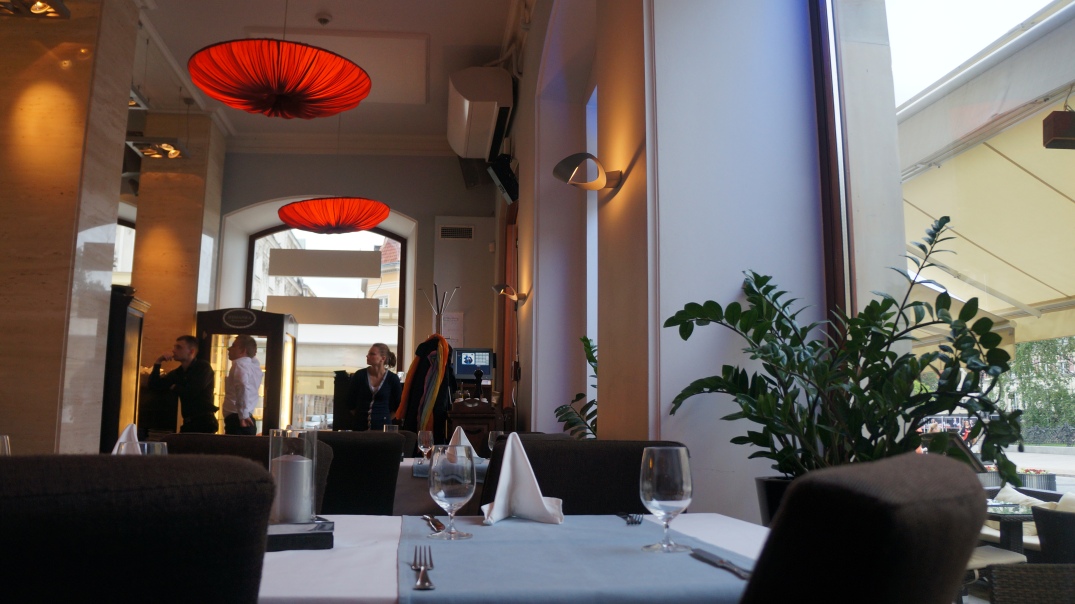
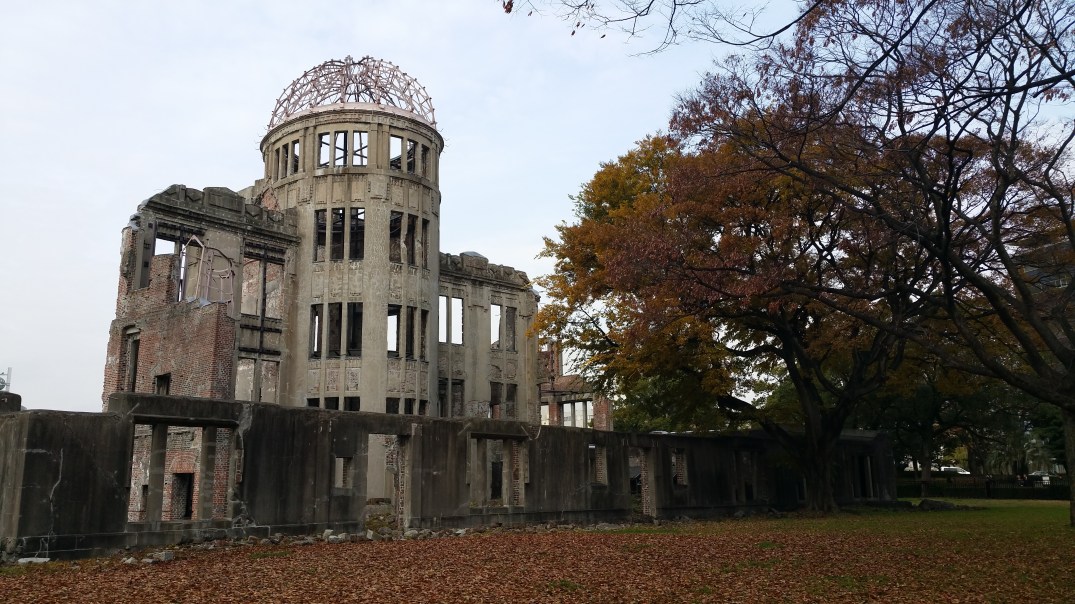

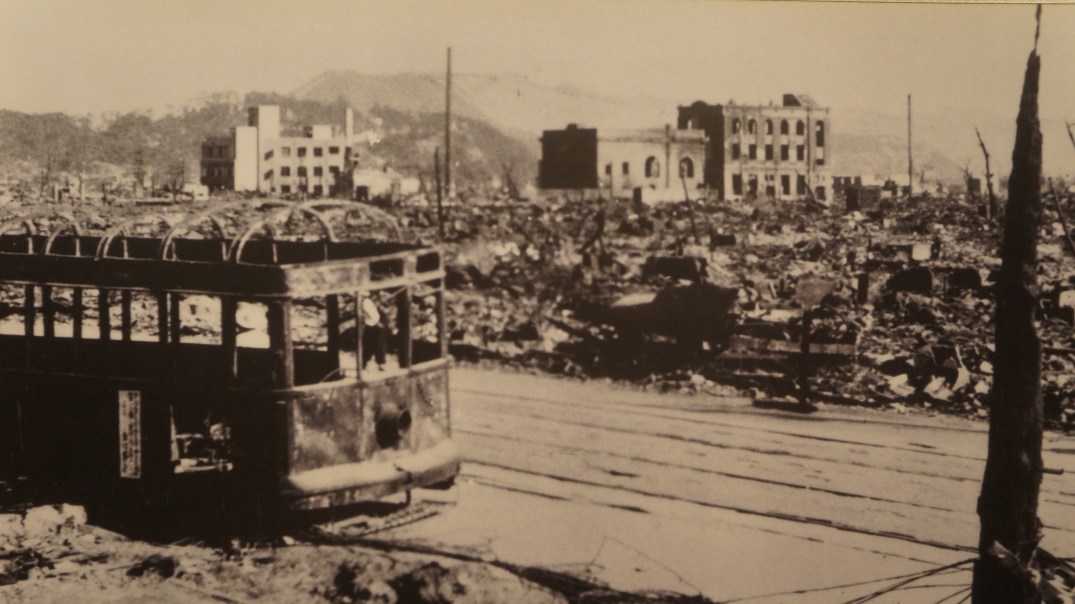
 If what the Japanese did to us was abominable, what the Americans did to the Japanese (in the name of ending the Pacific War) was unpardonable. I recalled the solemn atmosphere at the
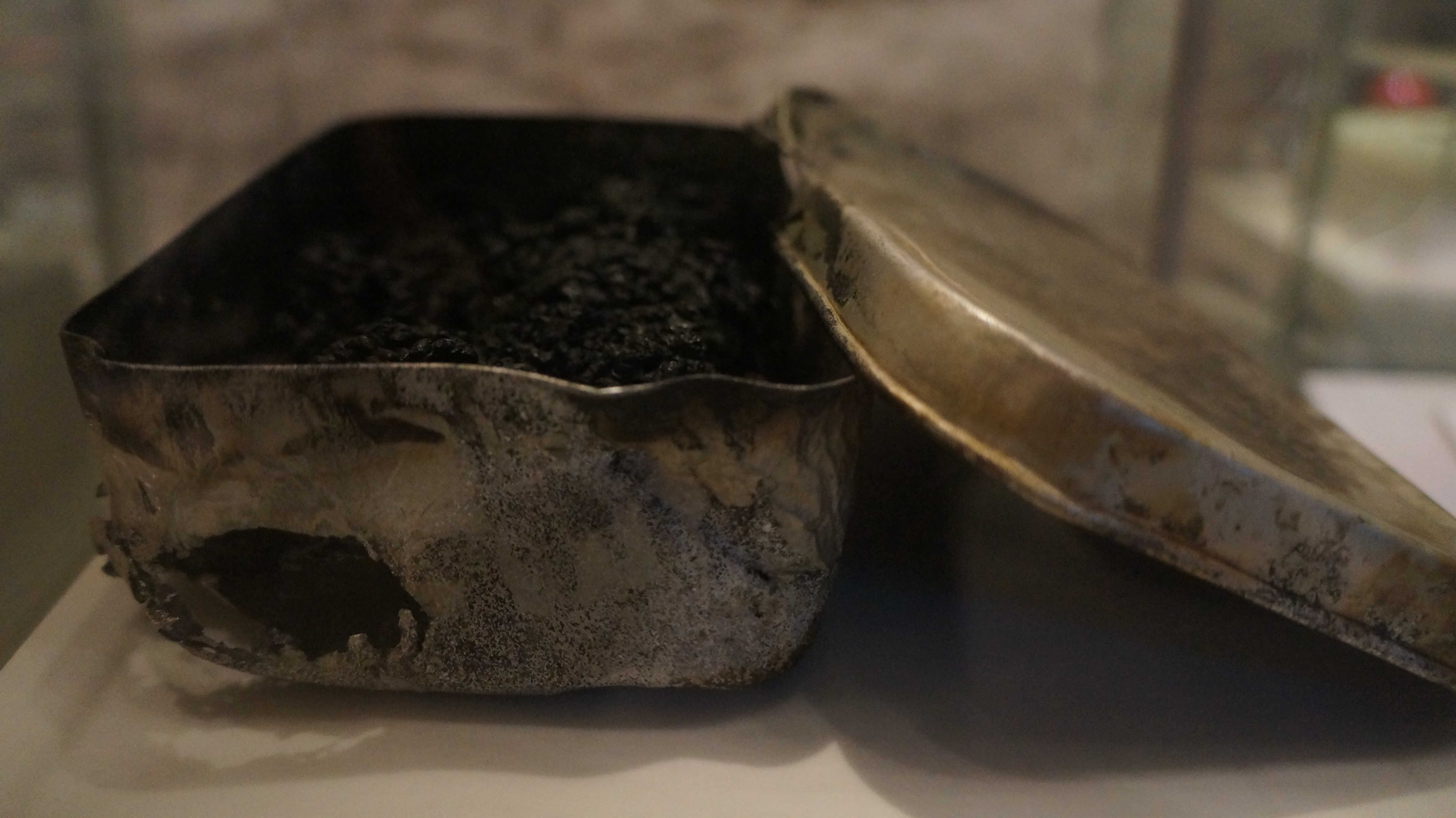
  On 6 August 1945, Hiroshima was flattened by a uranium bomb, dropped by a US B-29 bomber, and which exploded about 600 metres above the city. Nicknamed ‘Little Boy’, the bomb unleashed a gigantic fireball (370 metres in diameter) over the city when it detonated, measuring 6,000 degrees Celsius. Thousands caught in the hypocentre of the bomb instantly vaproised. The resulting firestorm from the blast swept across Hiroshima, incinerating everything in its path. 140,000 people perished. The radiation emitted by the bomb will continue to haunt the generations after.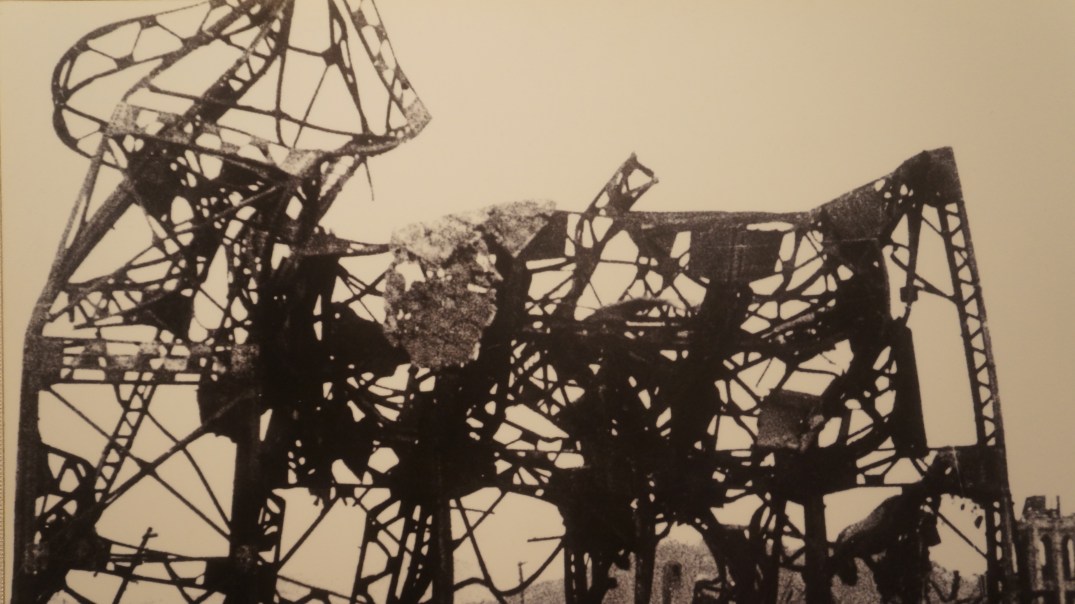
 The Peace Memorial Park just outside the Museum had a dedicated section to the children who perished during the bombing. Thousands of colourful paper peace cranes, painstakingly folded and woven into Japanese kanji (or Chinese) characters symbolising Peace, dotted the Children’s Memorial Park. I stood in front of the Children’s Memorial, the statue of an angel, and said a silent prayer.




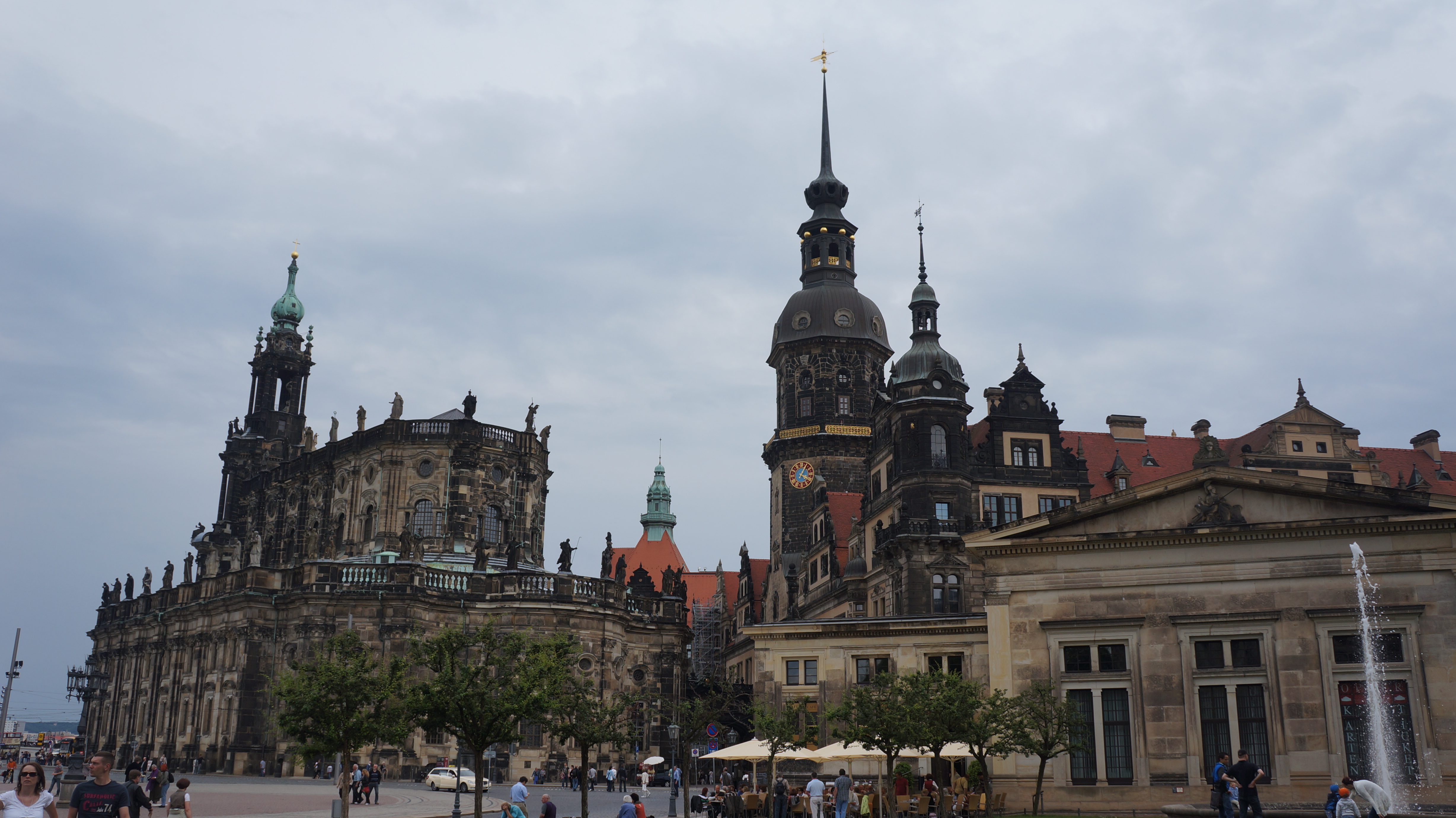
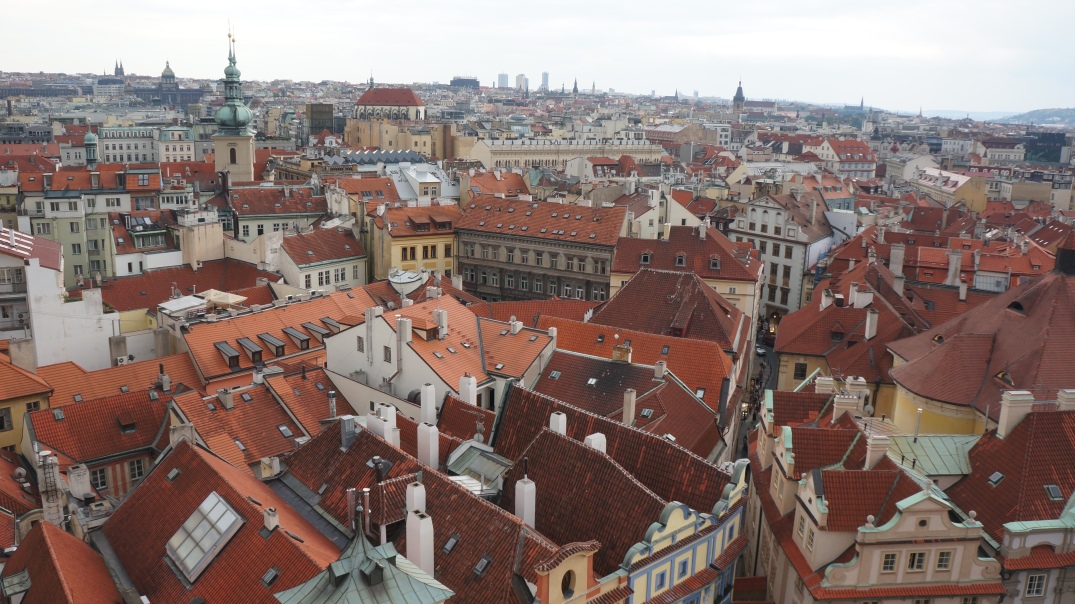 Prague may have lived past its post-Velvet Revolution tag of the “Paris of the East”. Tourist arrivals since the turn of the century have driven up living standards and costs, and made this once affordable city on par with its more illustrious West European neighbours. However, these have done little to diminish the city’s allure. Even on a weekday,
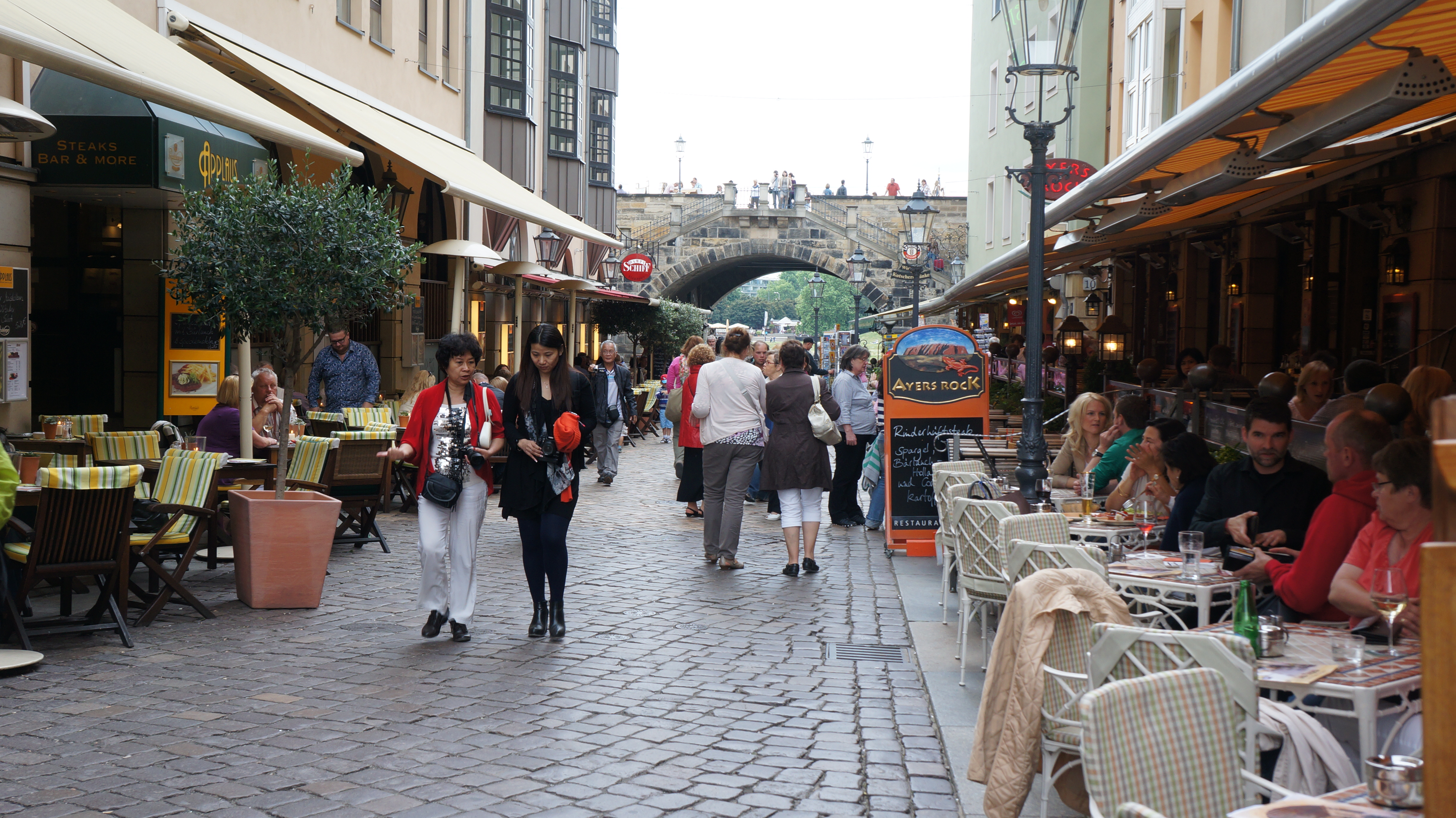
  Thankfully, there are pockets of Prague to call your own. And you can find them in the less crowded neighbourhoods of Vinohrady and Vršovice, or the rustic back alleys of Provaznická and Karlin. But if you desire to do nothing, just pick a good spot in one of the many alfresco restaurants at Malá Strana (or the ‘Little Quarter’) and watch the world go by, with a Pilsner.







 lonesojourns