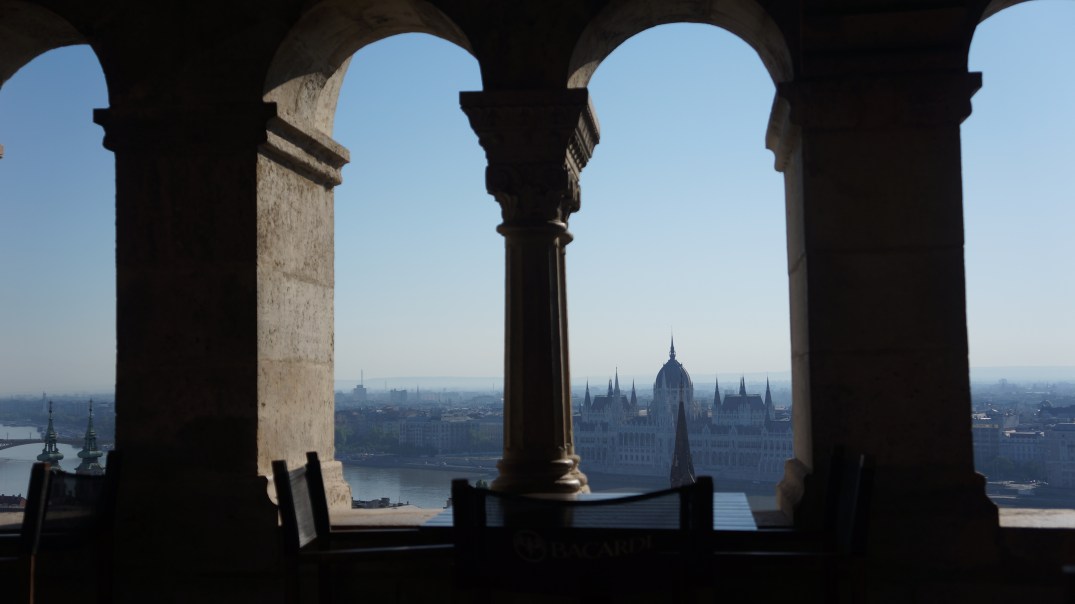
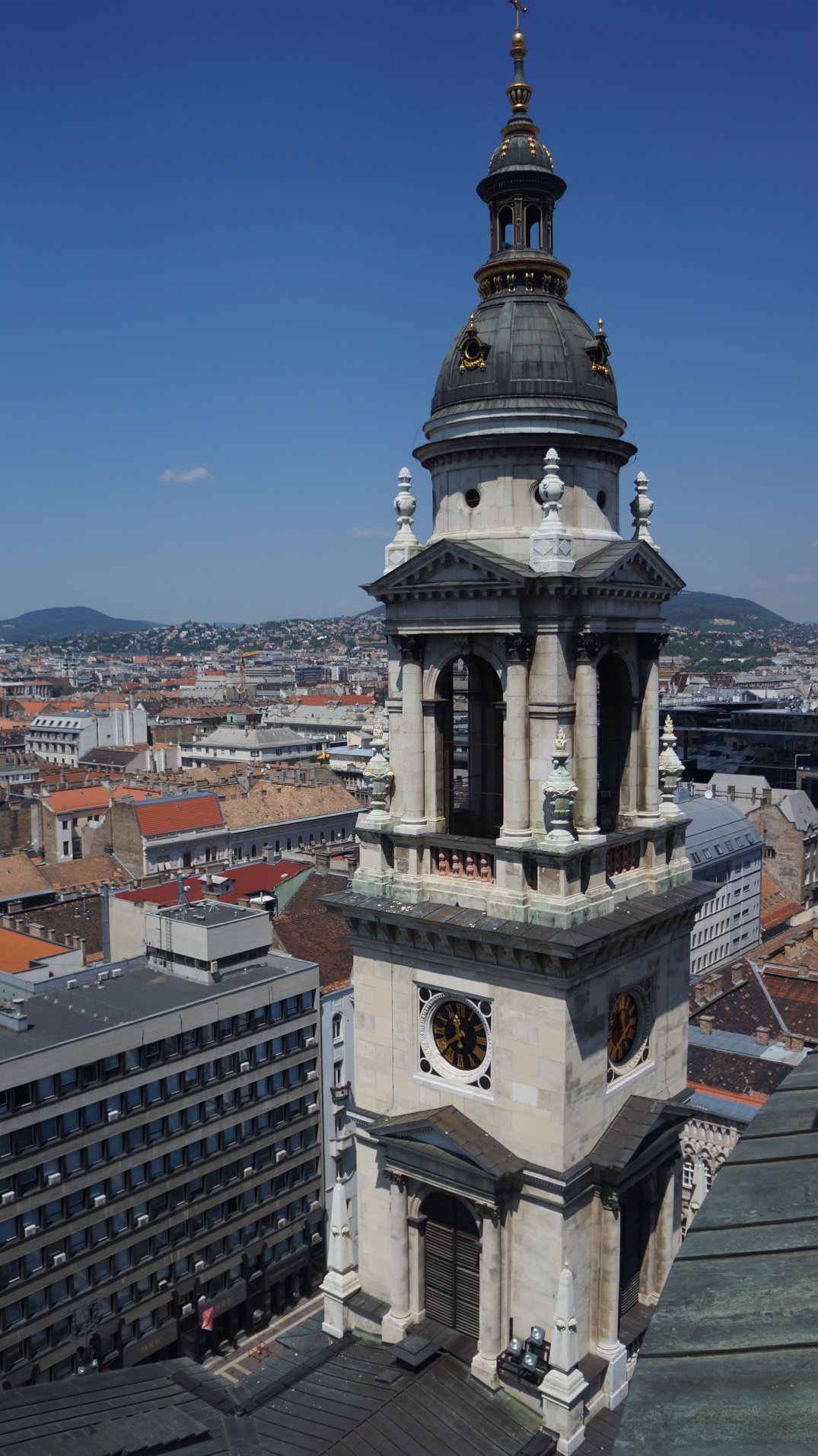
No other city on this trip filled me with more regrets than Budapest. Regrets of the positive kind, that is. Because there were so many sights to see, so many dishes to savour, and so many pubs to bar-hop that I almost fell into a near depressive state while packing my bags on the first (and my last) night in this beautiful city.
Did I say “beautiful”? That was an understatement!
Budapest is probably one of the most magnificent but understated (and under-rated) cities in Europe. Relatively a newbie compared to its ex-communist brethren (Poland and Czech Republic), Budapest has grown exponentially in the last decade. In the streets, Michelin-starred restaurants, local artisan stores and luxury hotel chains and designer ateliers are sprouting like moss after a springtime rain. Fortunately, a relatively depressed forint means that you get more bang for your buck.
There’s one thing that the Hungarians and Japanese share in common – their love for baths. Although the number of baths here pale in comparison to its Japanese counterparts, the tradition dates back to the Romans and there’s nothing more “local” than to spend a day at one of the dozen public baths that dot the city. Of course, as you may have guessed, this tradition is more like a graying pastime in modern Budapest. If you ask me, picking up some words of wisdom or being regaled by tales from Hungary’s Iron Curtain past from some septuagenarians doesn’t sound like a bad idea at all. LS

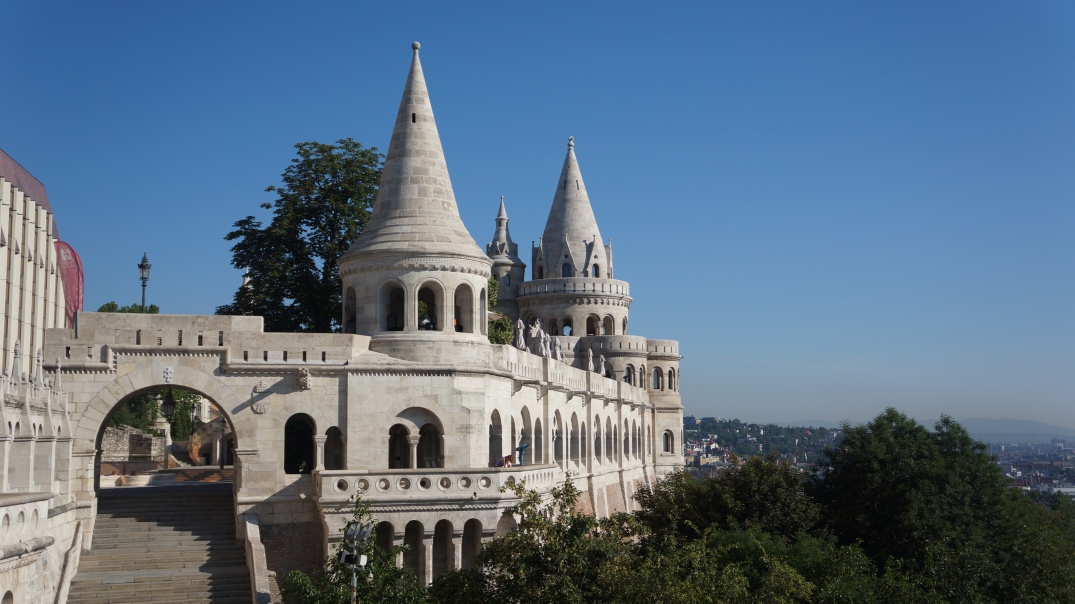

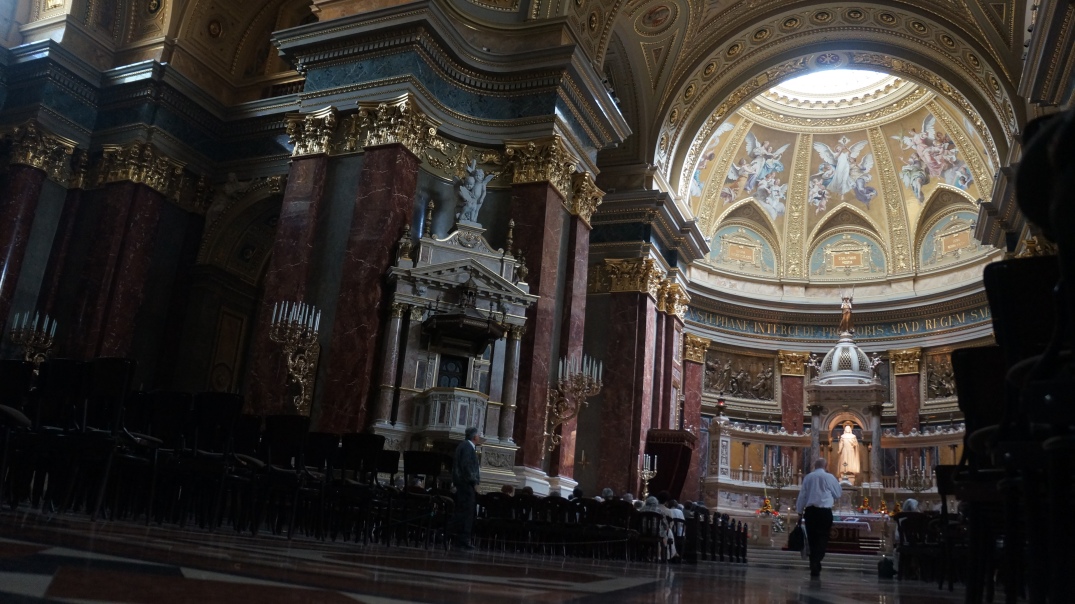
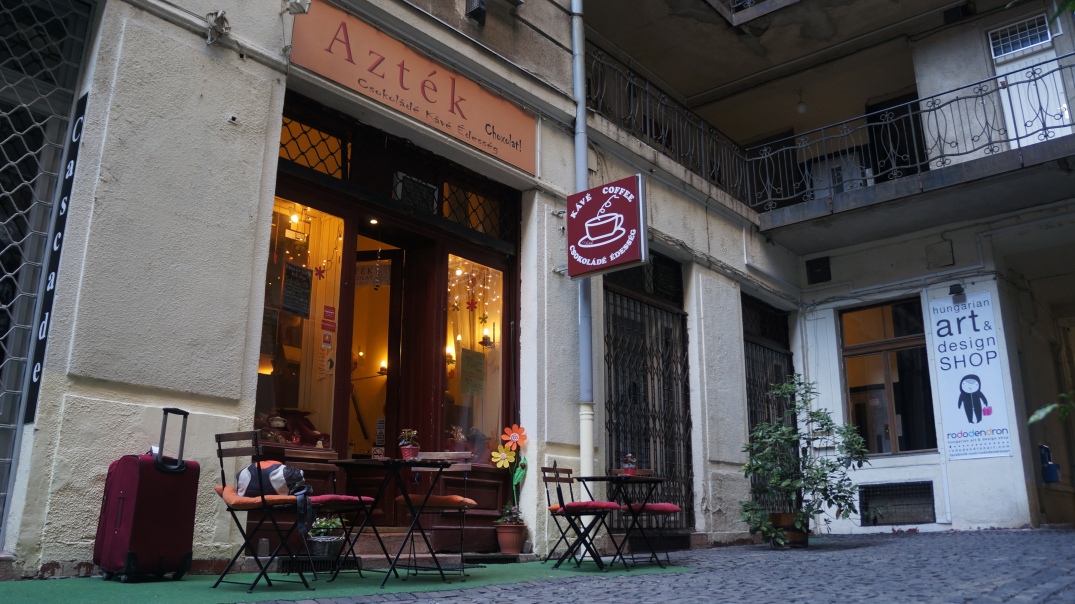


 It’s funny how sometimes you just feel like doing random things. Like sit in a Lego shop and play with the bricks for a good two hours before heading to your next destination. If you must know, I managed to fashion a synagogue / church (can’t really tell which it resembles more) out of a ton of yellow bricks.


 Exploring the Jewish quarter is another adventure on its own. A little sedate in the day, the cobblestone enclave really comes alive at dusk – when the pubs and restaurants open and start filling up with locals.


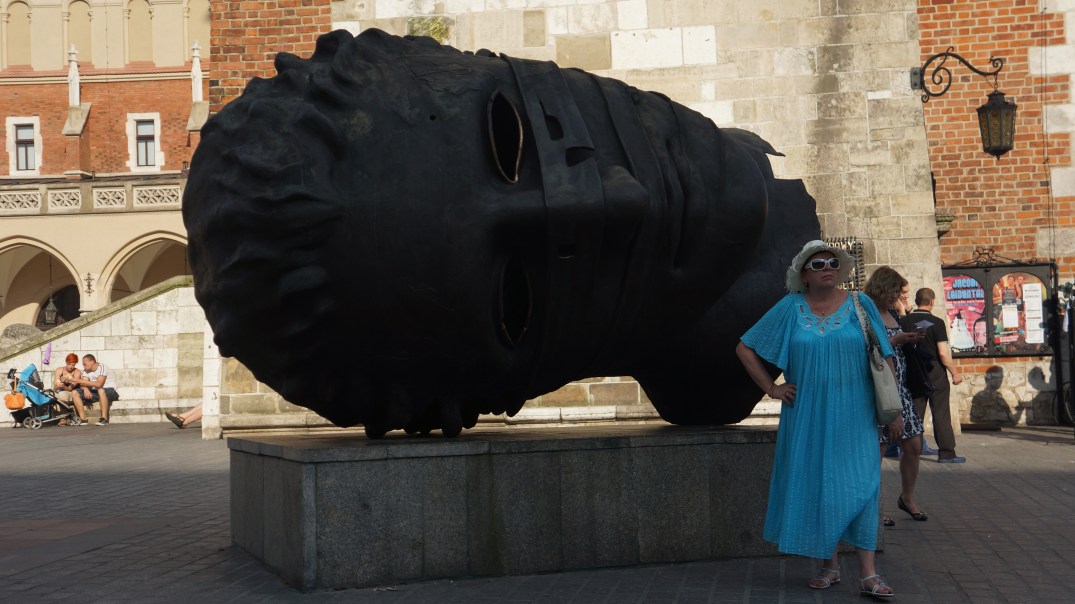
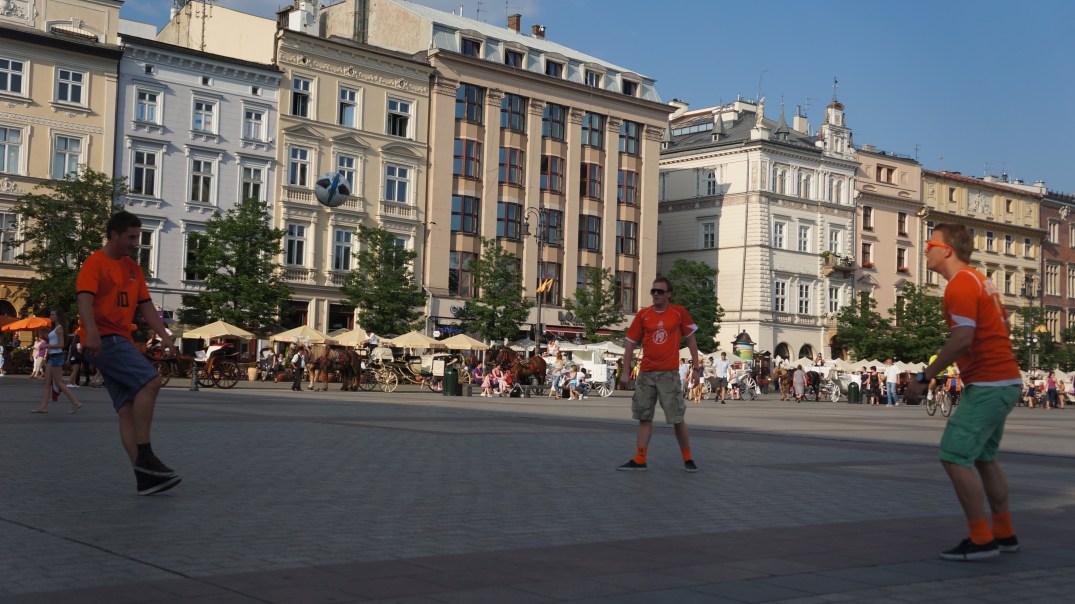


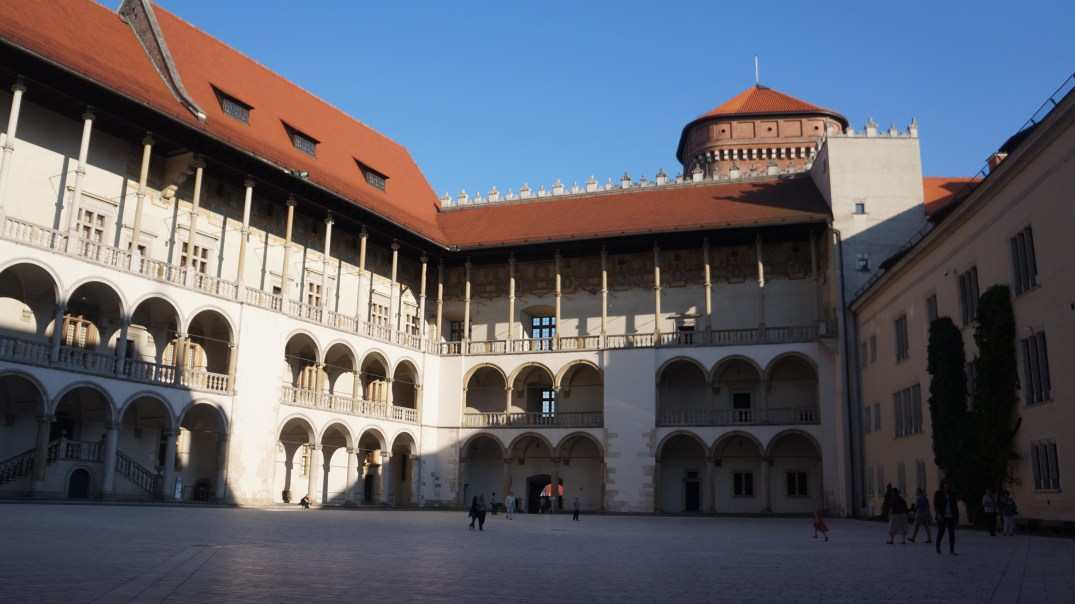
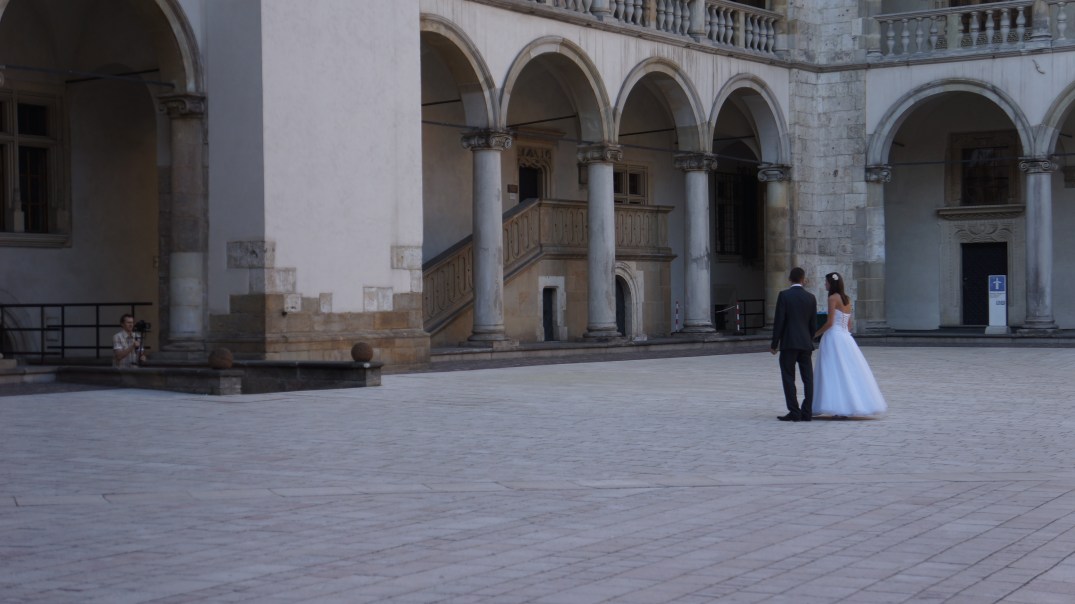

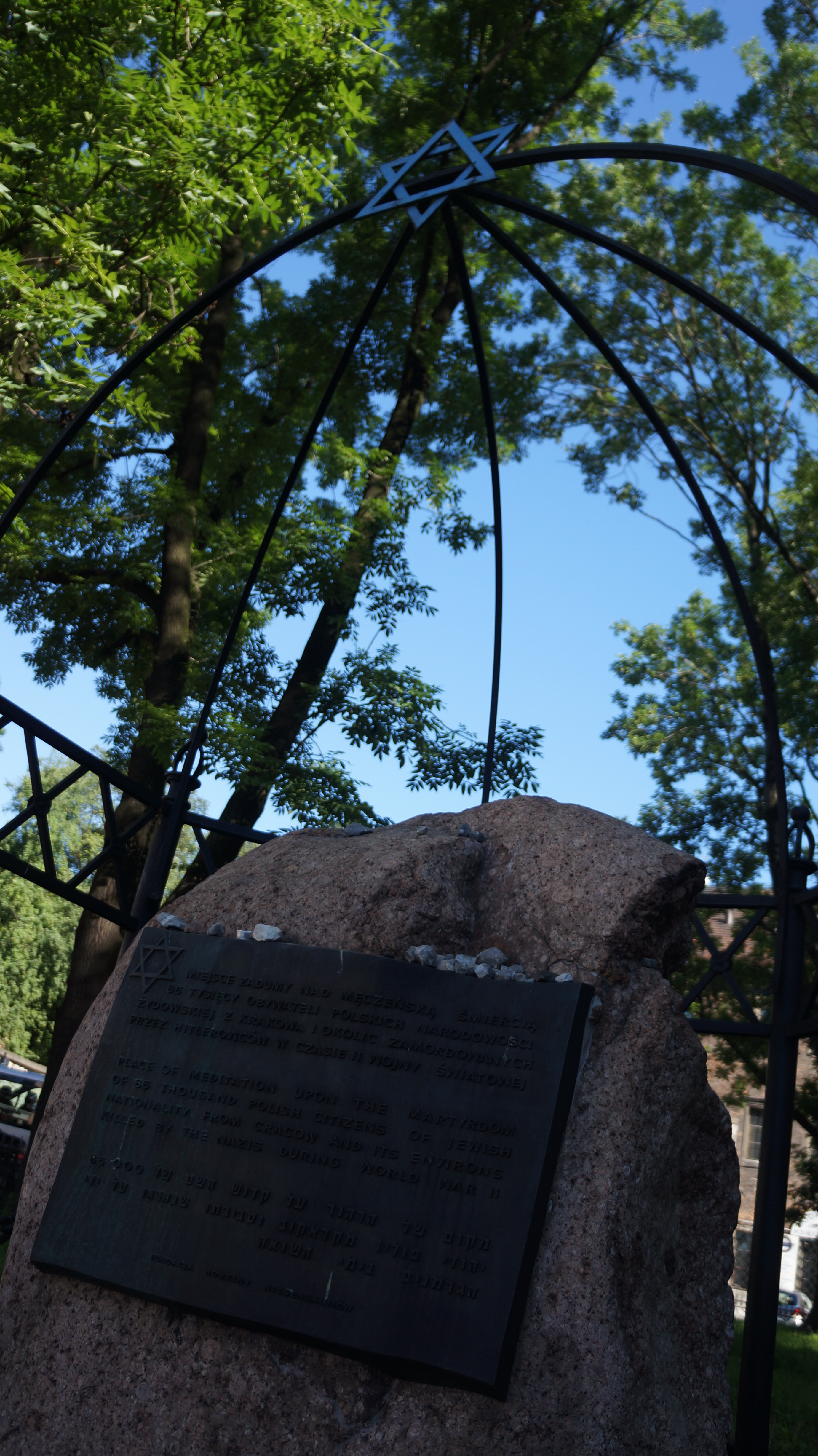


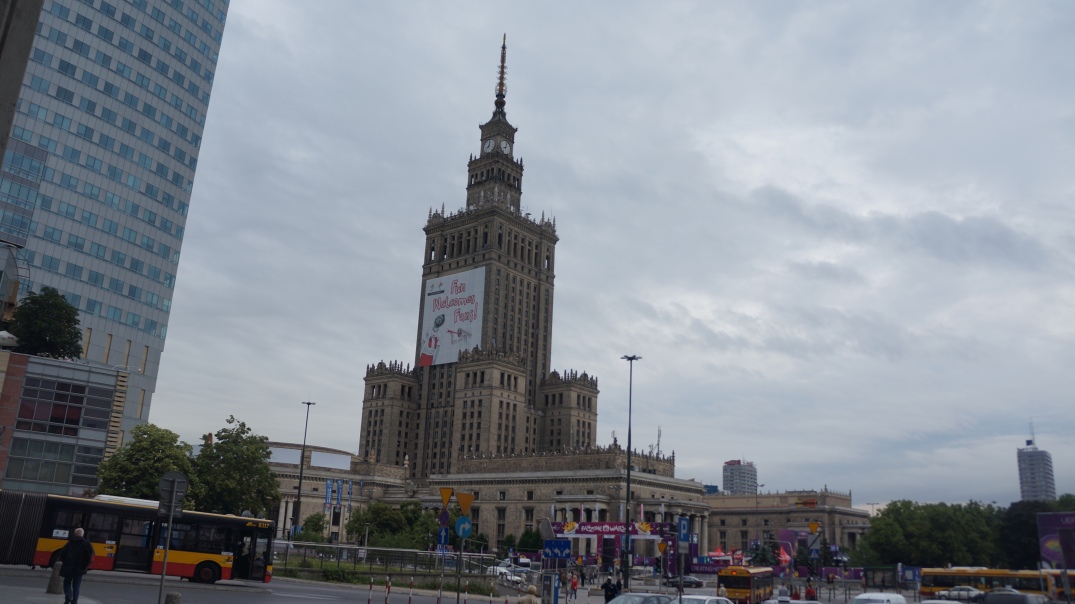
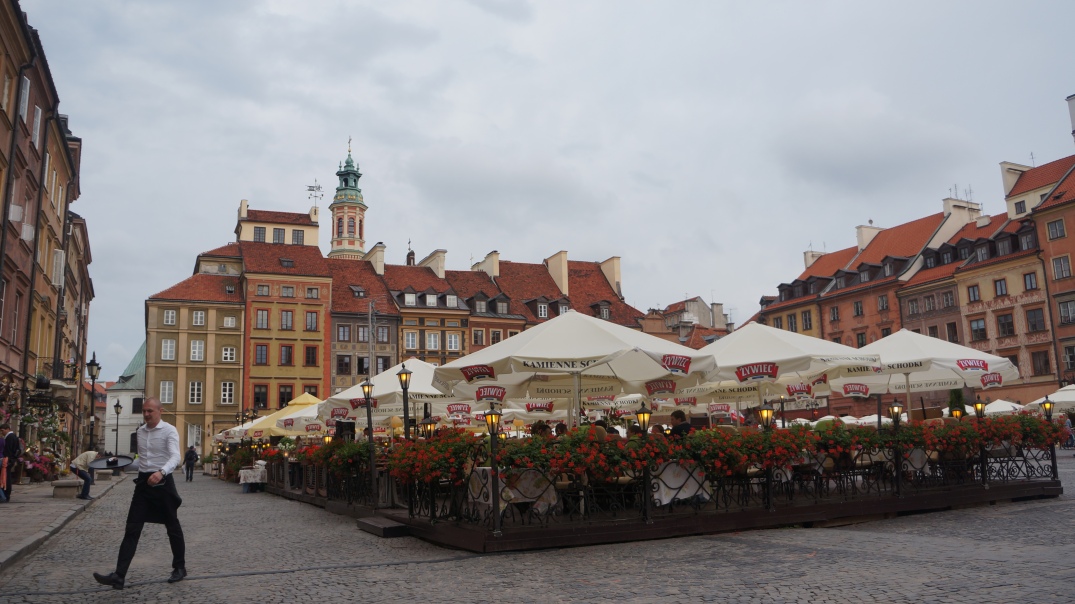 The Old Town Market Square (Rynek Starego Miasta) overlooking the Vistula is the heart of Warsaw and probably any traveller’s first stop. However, when the sun goes down, hipsters and well-heeled Poles flock to Nowy Świat, a cosmopolitan F&B thoroughfare that boasts some of Warsaw’s swankiest cafes and fine dining restaurants. Here, you can spend hours just people watching or bar-hop to find your ideal poison. Luckily for me, they still count in zlotys. So go ahead, indulge your inner demons!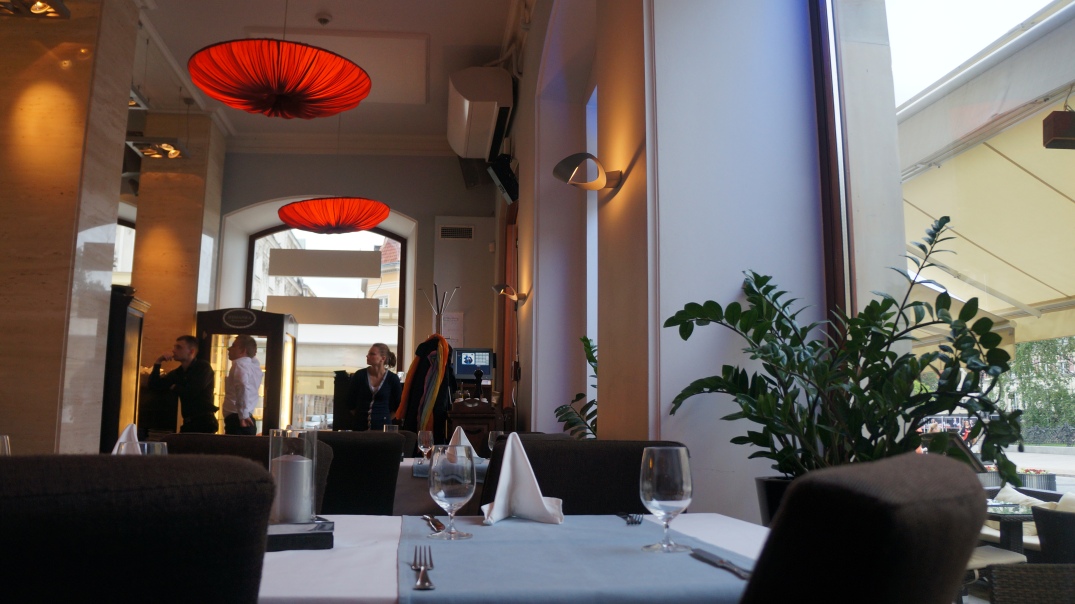
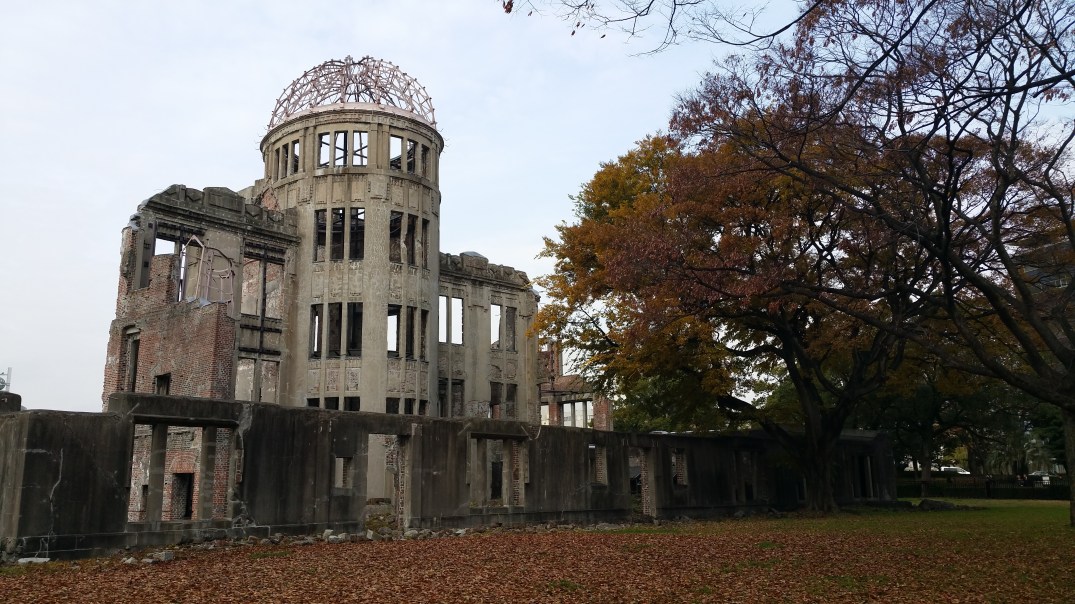

 If what the Japanese did to us was abominable, what the Americans did to the Japanese (in the name of ending the Pacific War) was unpardonable. I recalled the solemn atmosphere at the
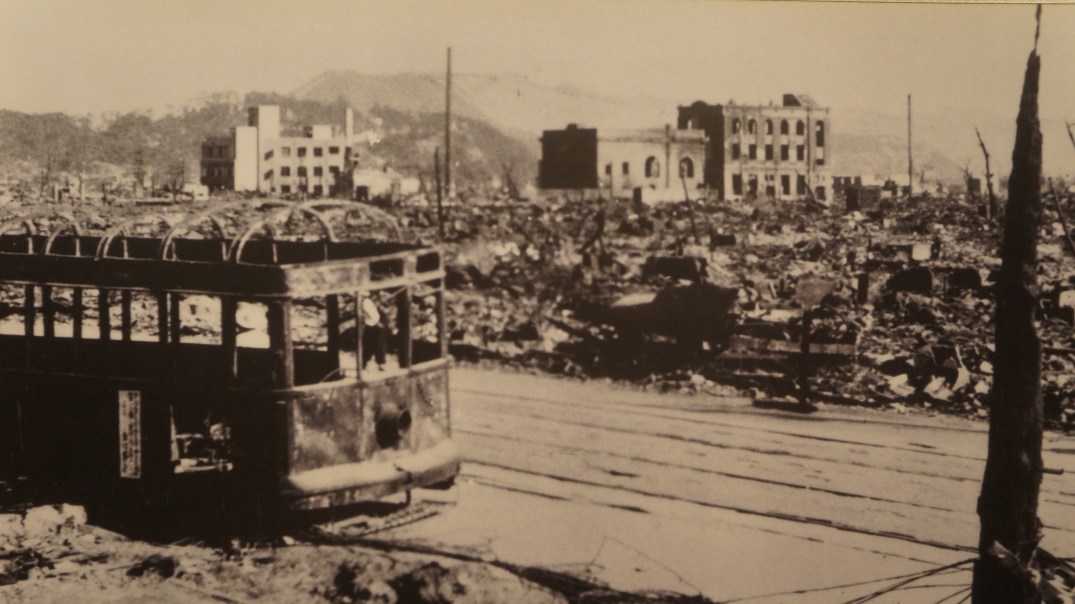
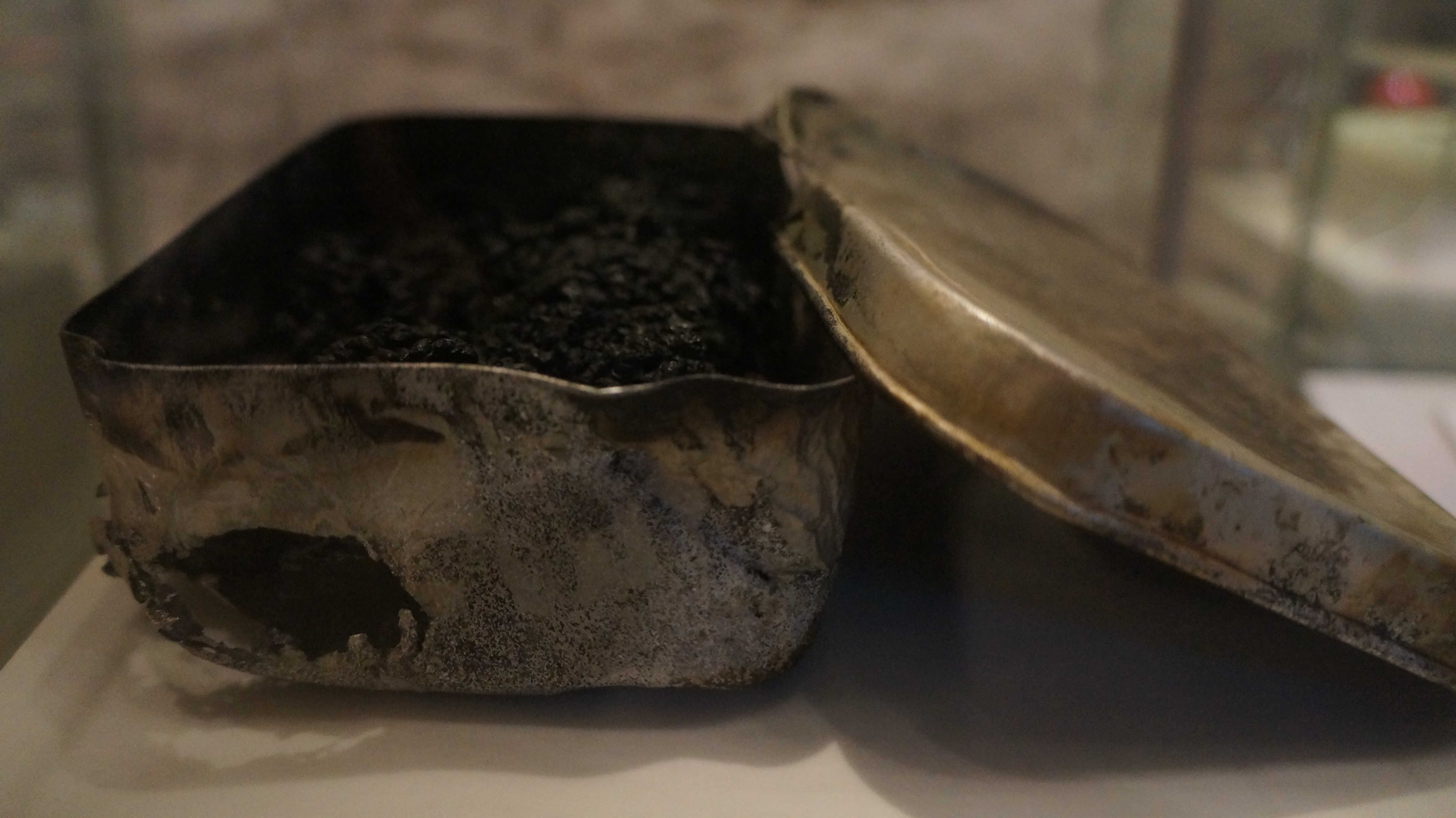
  On 6 August 1945, Hiroshima was flattened by a uranium bomb, dropped by a US B-29 bomber, and which exploded about 600 metres above the city. Nicknamed ‘Little Boy’, the bomb unleashed a gigantic fireball (370 metres in diameter) over the city when it detonated, measuring 6,000 degrees Celsius. Thousands caught in the hypocentre of the bomb instantly vaproised. The resulting firestorm from the blast swept across Hiroshima, incinerating everything in its path. 140,000 people perished. The radiation emitted by the bomb will continue to haunt the generations after.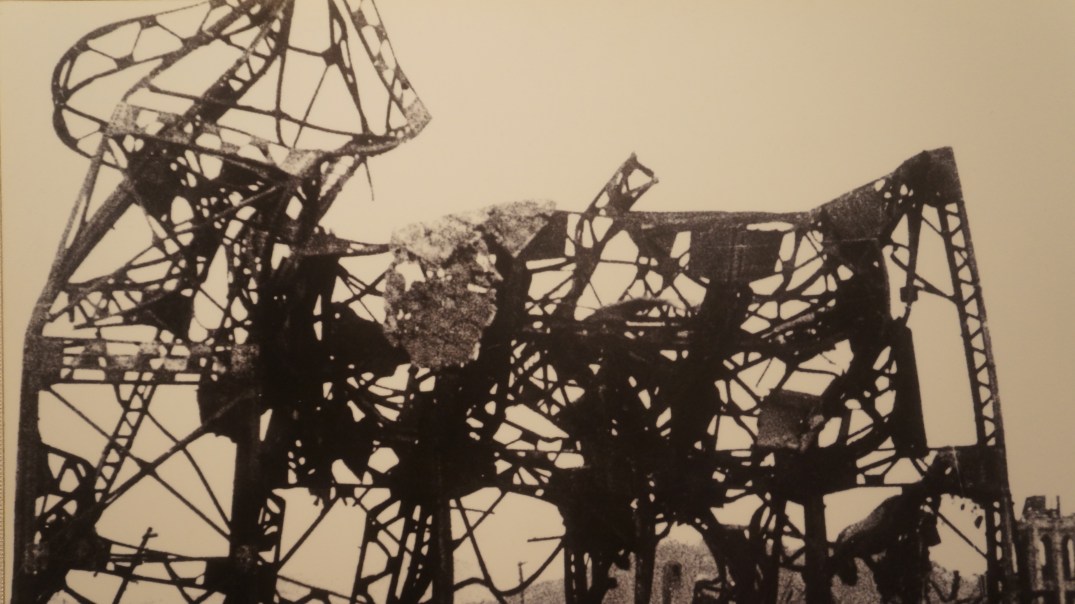
 The Peace Memorial Park just outside the Museum had a dedicated section to the children who perished during the bombing. Thousands of colourful paper peace cranes, painstakingly folded and woven into Japanese kanji (or Chinese) characters symbolising Peace, dotted the Children’s Memorial Park. I stood in front of the Children’s Memorial, the statue of an angel, and said a silent prayer.




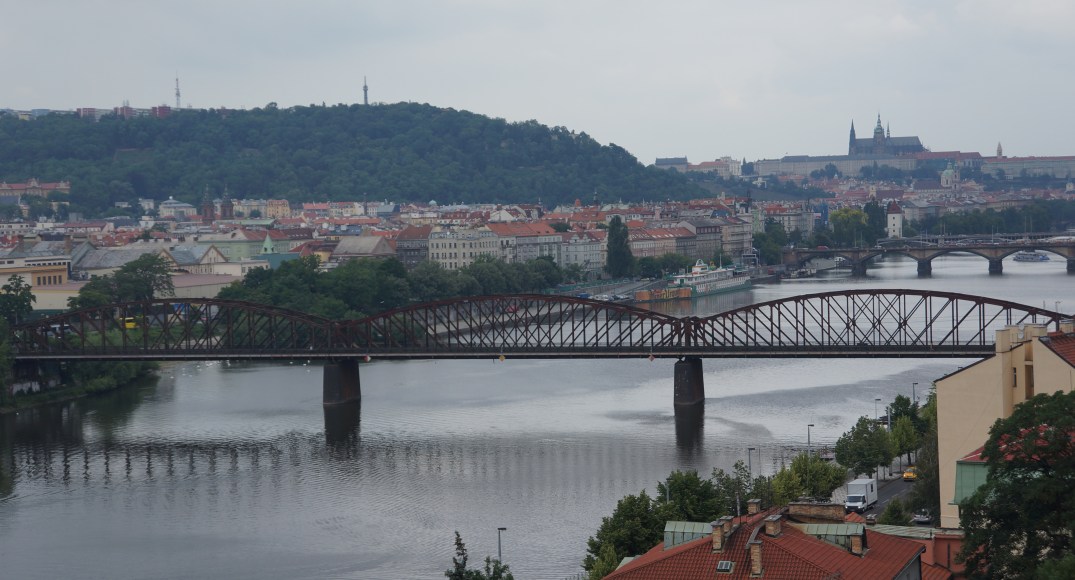
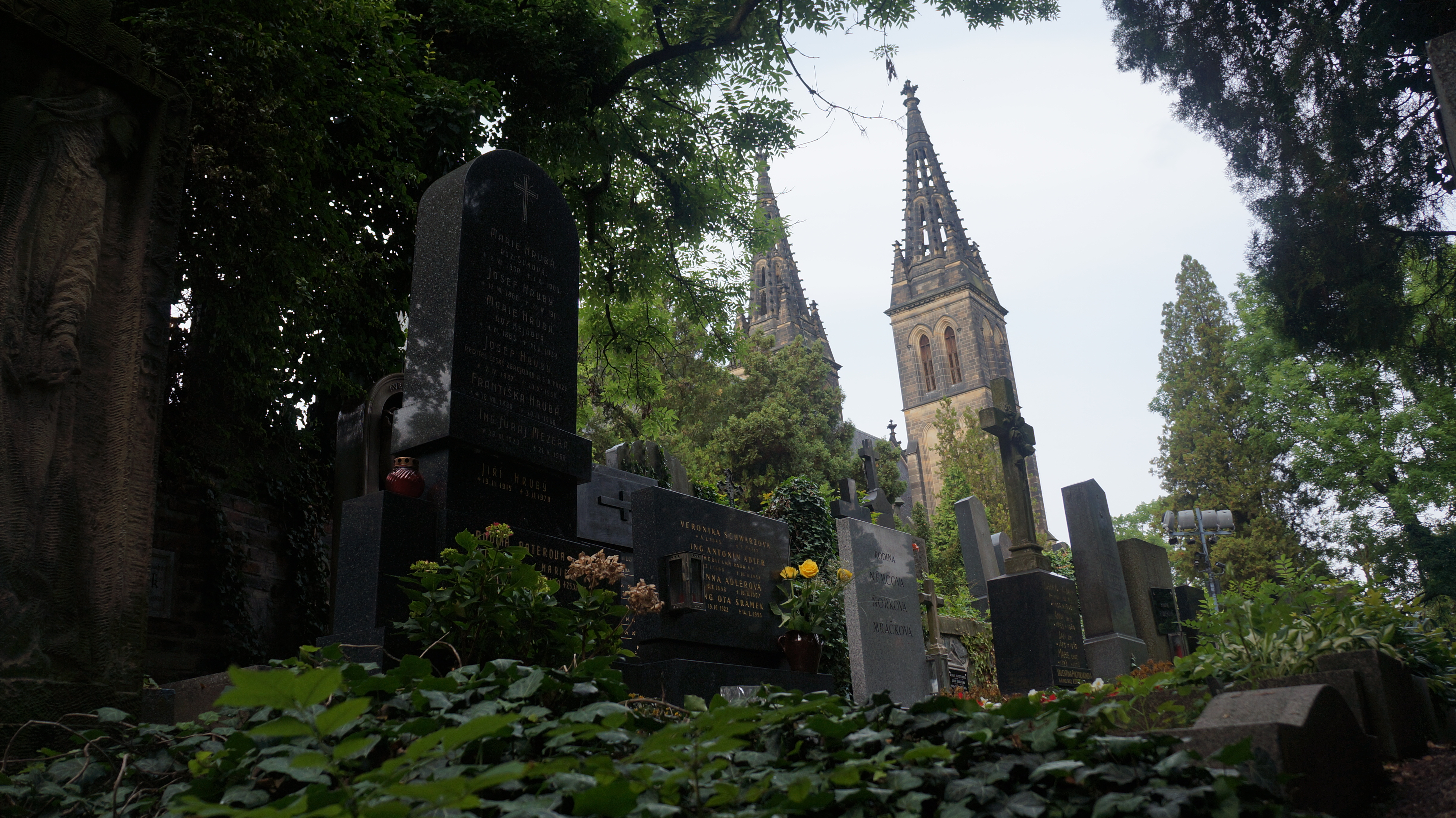
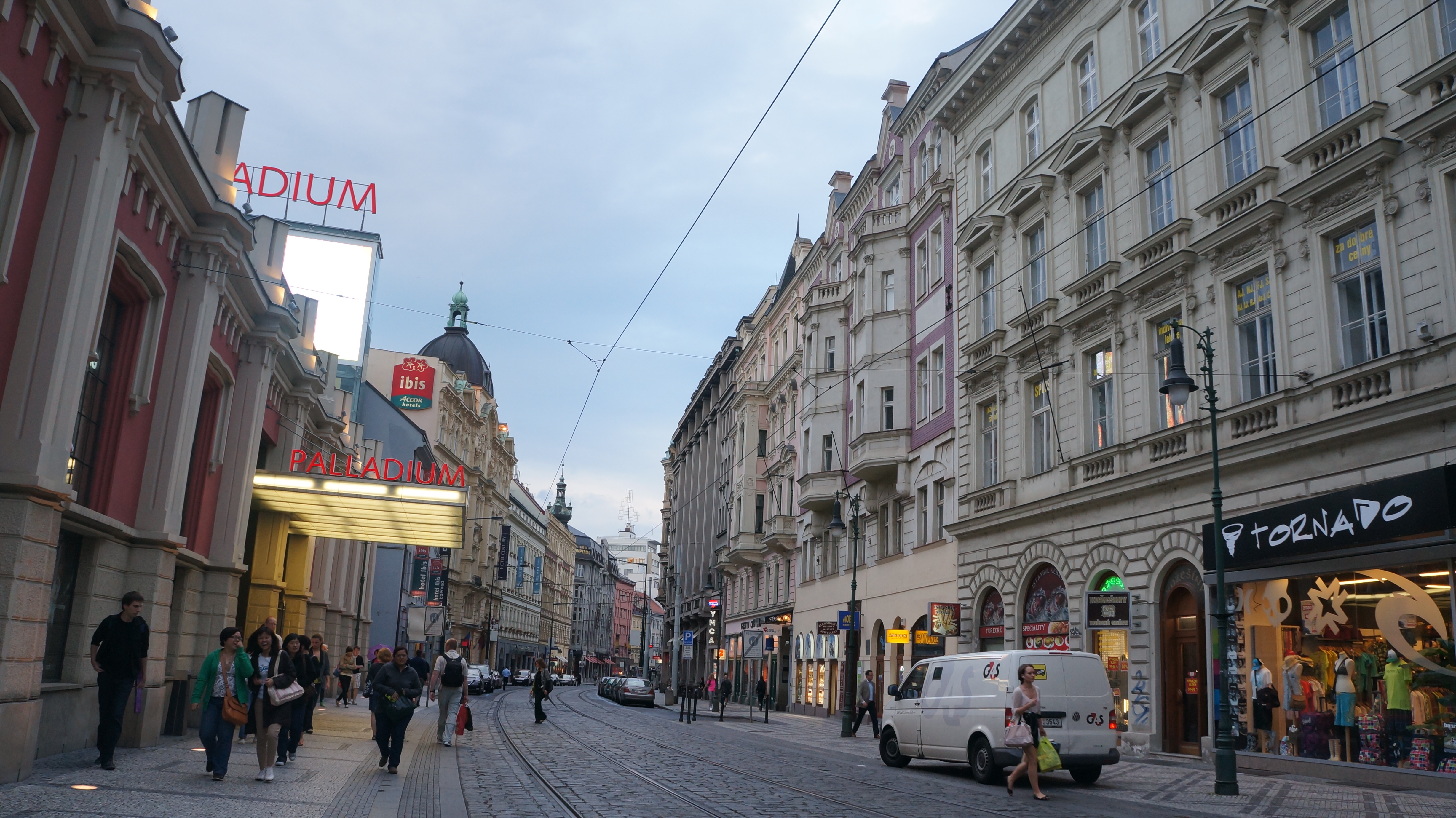


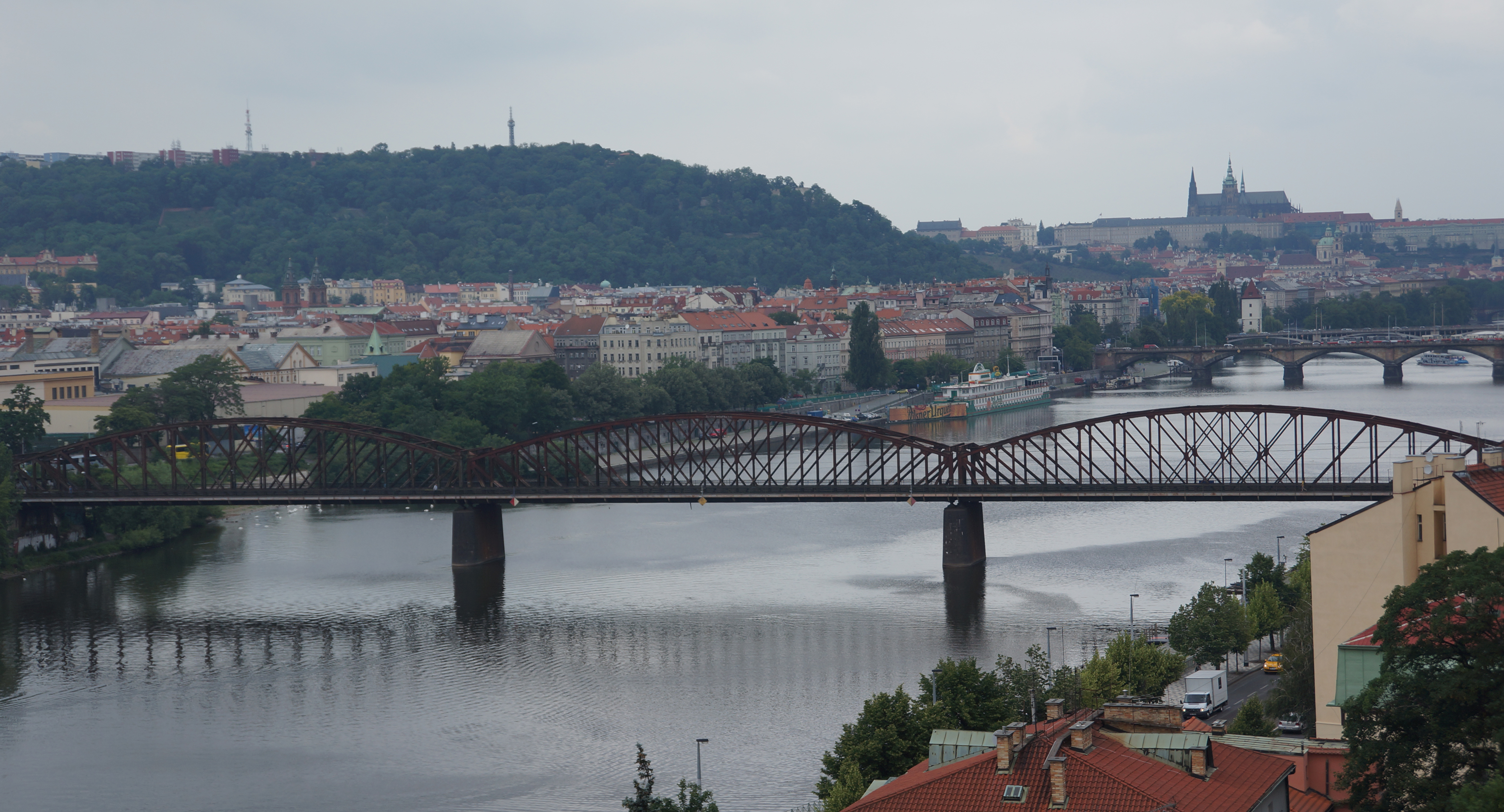


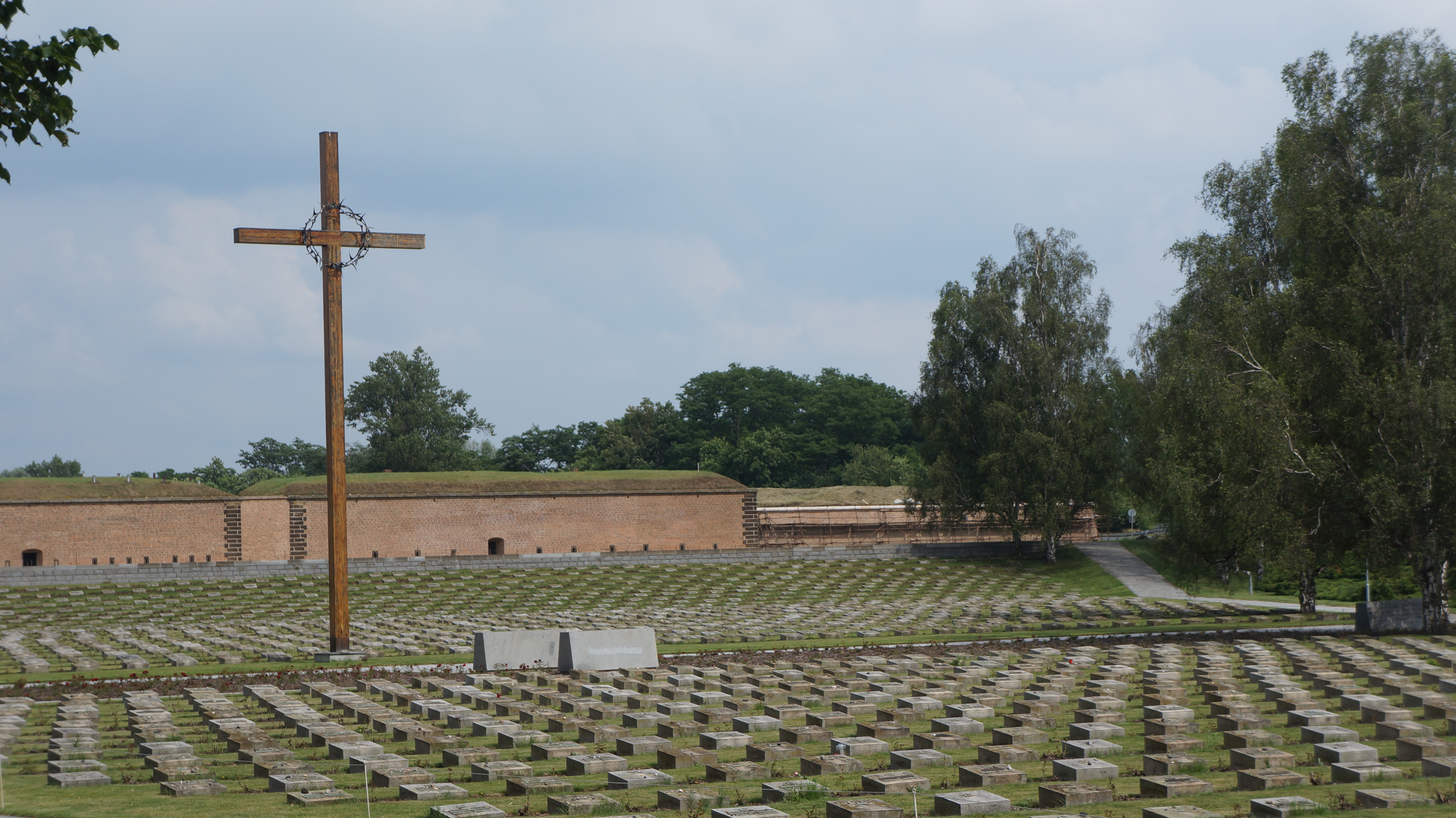
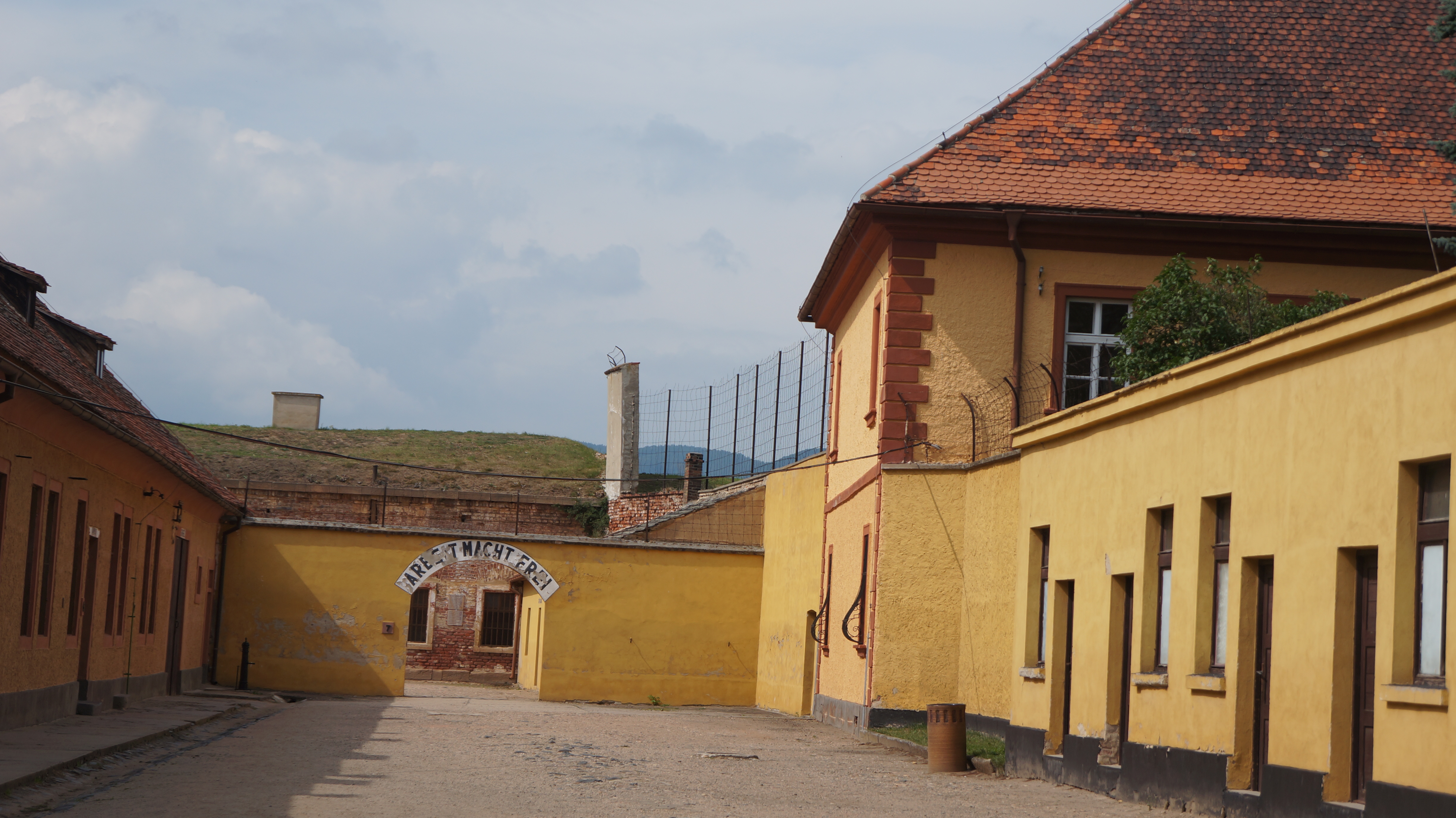
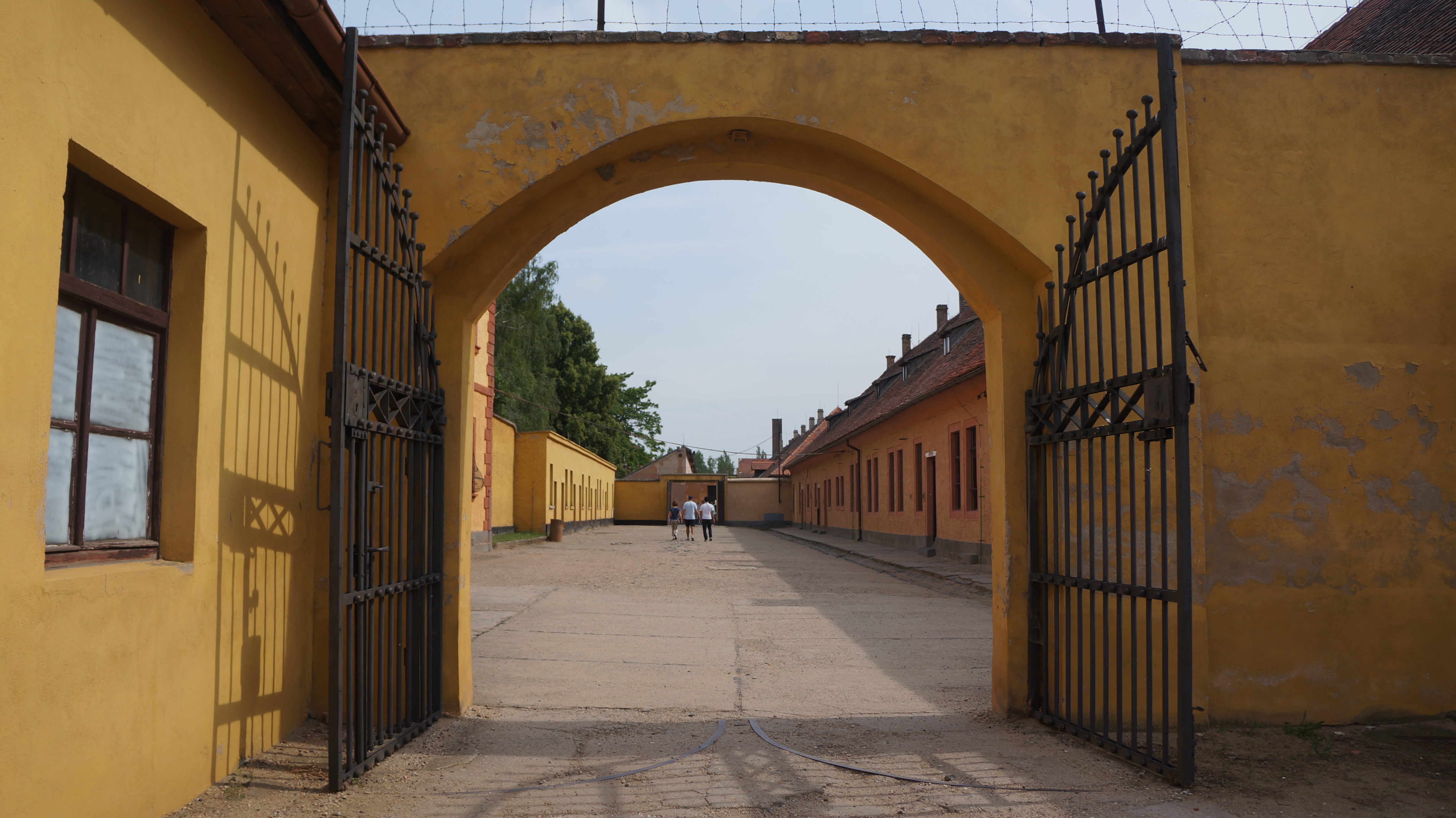




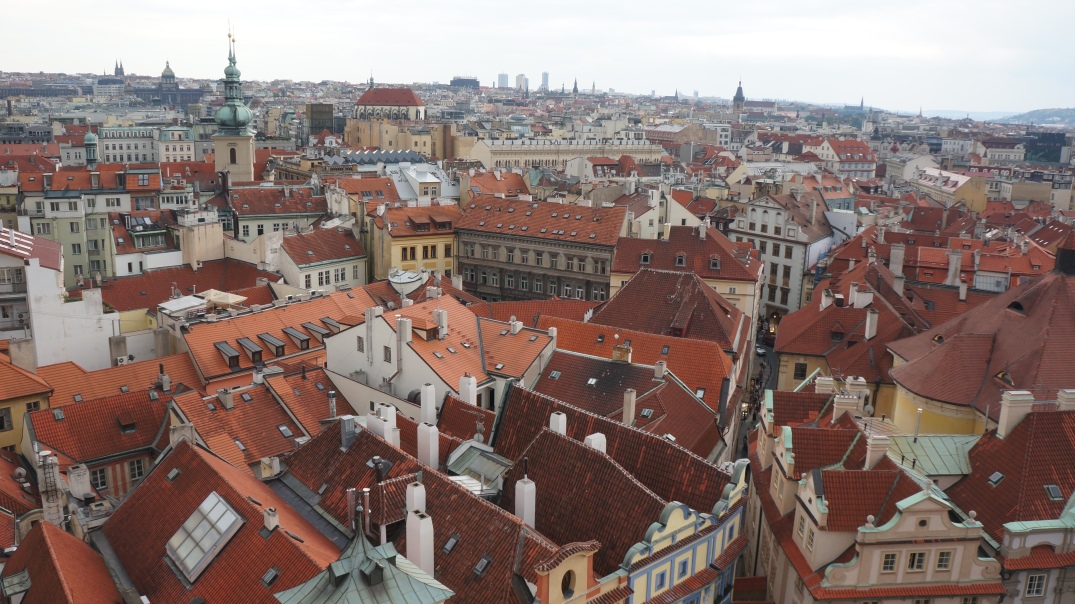 Prague may have lived past its post-Velvet Revolution tag of the “Paris of the East”. Tourist arrivals since the turn of the century have driven up living standards and costs, and made this once affordable city on par with its more illustrious West European neighbours. However, these have done little to diminish the city’s allure. Even on a weekday,
  Thankfully, there are pockets of Prague to call your own. And you can find them in the less crowded neighbourhoods of Vinohrady and Vršovice, or the rustic back alleys of Provaznická and Karlin. But if you desire to do nothing, just pick a good spot in one of the many alfresco restaurants at Malá Strana (or the ‘Little Quarter’) and watch the world go by, with a Pilsner.
















 lonesojourns