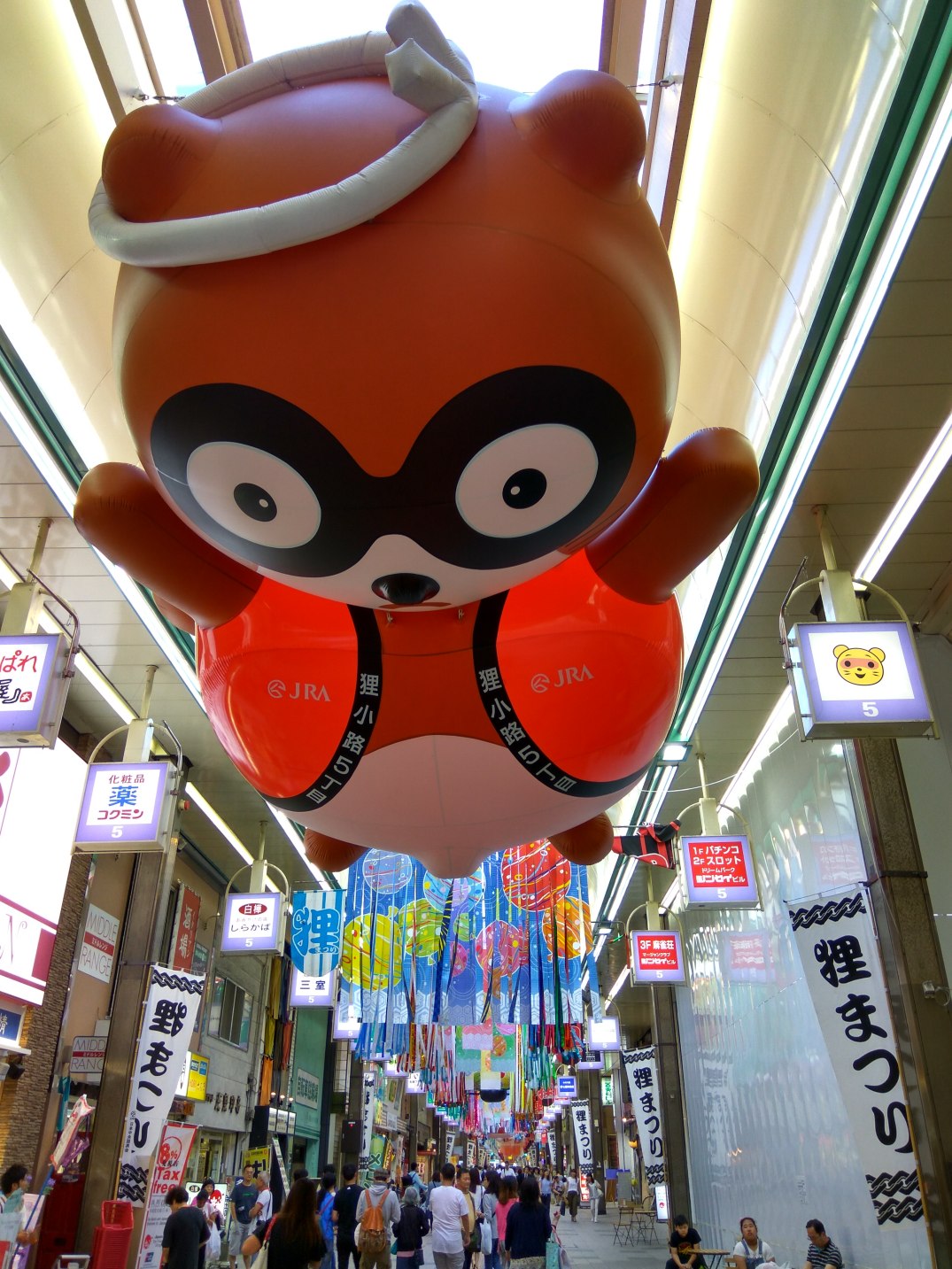
 It’s been three months since my last post was published, so I was reminded when I finally got to log in today. Today also marks my first week as a resident in Japan, or more specifically, in the city of Tomakomai in Hokkaido.
I come here as an Assistant Language Teacher (ALT) of English under the Japan Exchange and Teaching (JET) Programme, and will be based in Tomakomai, a name that probably does not register with many people outside of Japan. With a population of about 170,000, Tomakomai is apparently the fifth largest city in Hokkaido, and one of the four biggest ports in Japan.
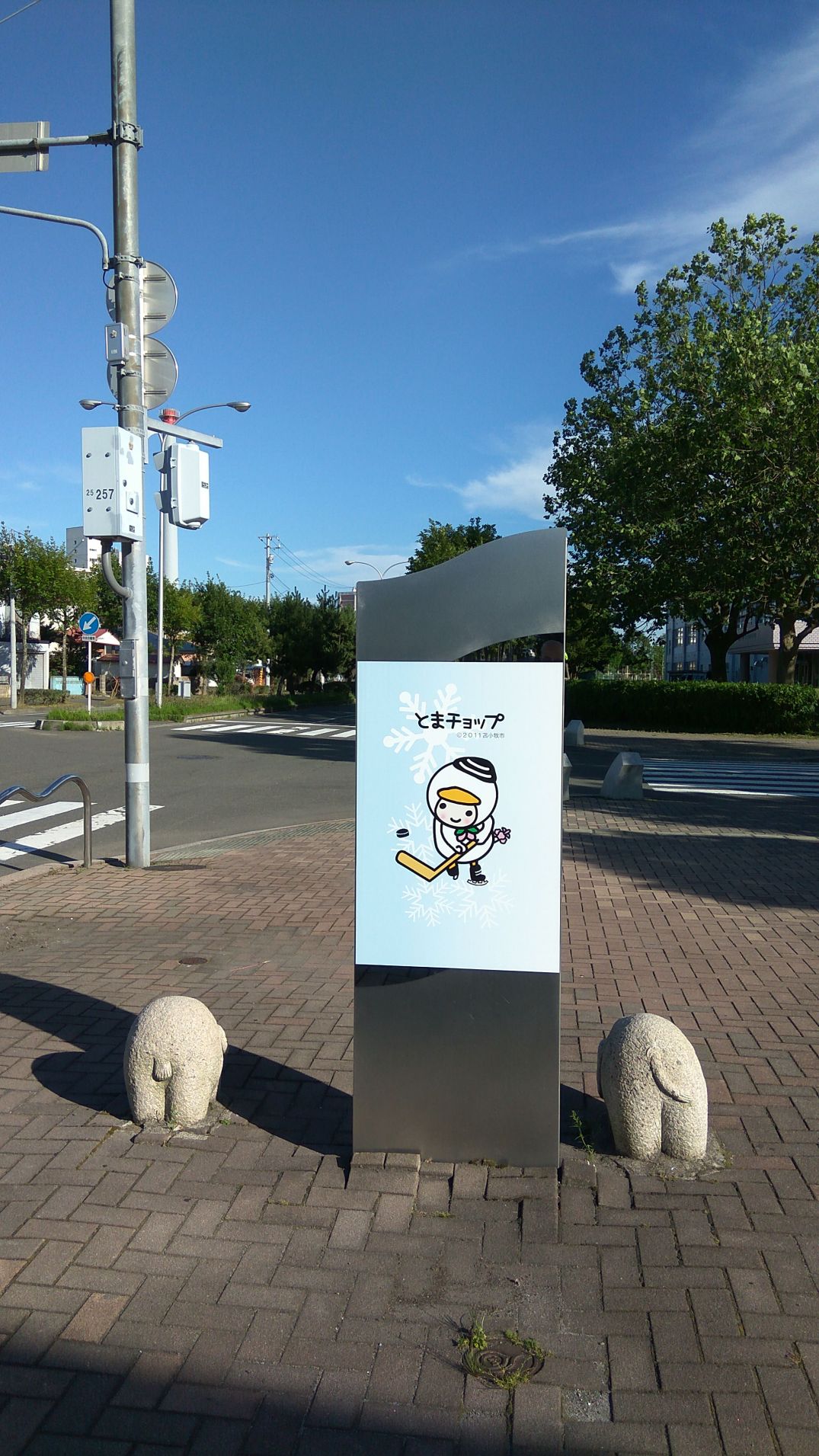 Another word that is synonymous with Tomakomai is ice hockey, and you only have to look at the city’s mascot (the Japanese have mascots for everything, from food products to toilet paper) to know. I was presented with a business card of the city’s mayor, Mr. Hirofumi Iwakura, suited in an ice hockey gear.
I touched down in Tokyo’s Narita International Airport on 31 July. However, preparations for this day started two months before departure. From visiting Japanese schools in Singapore for lesson observations (to get an idea of how English lessons are taught in a Japanese school), deciding what to pack to scouring Chinatown, Little India, local markets, and department stores for the most quintessential Singaporean omiyage and then re-packing what I have packed, I found myself unwittingly caught in a roller-coaster ride of emotions as I attempt to repack my life in a suitcase.
 It’s my first time living abroad alone, far away from family and friends. It’s also the first time I am well out of my comfort zone, in a place where English is hardly spoken, and a country whose culture and lifestyle cannot be any more different from mine. I find myself struggling with my rudimentary Japanese, though I could get by with asking for directions and shopping for groceries and buying the train tickets. Anything more is a tough ask. This, I hope, will slowly improve as I immerse myself in Tomakomai, and Hokkaido.
 There were also other firsts, for example, visiting the Singapore Embassy in Tokyo in Roppongi, and the feeling of being treated like a pseudo-diplomat. For the first time in my life, I felt like I was part of something so much bigger than myself. The JET programme celebrates its 30th anniversary this year, and coincidentally Singapore celebrates its 50th anniversary of diplomatic relations with Japan. I’m excited to be part of this, but at the same time, slightly overwhelmed by my new environment.
I constantly remind myself that everything is going to be alright. 大丈夫 (daijoubu, the Japanese say).
I can do this! 大丈夫. LS
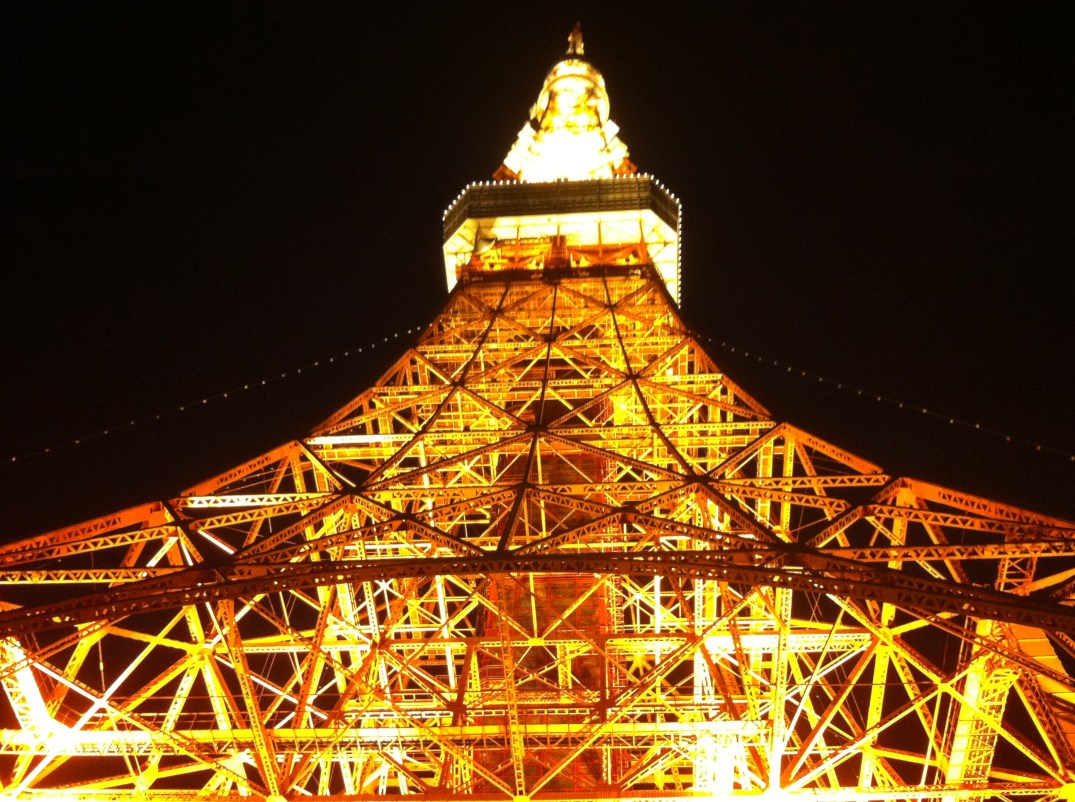
 I could still remember vividly my first trip to Tokyo. Well, why couldn’t I? After all, it was only about five years ago, to be honest. No big deal, you may think.
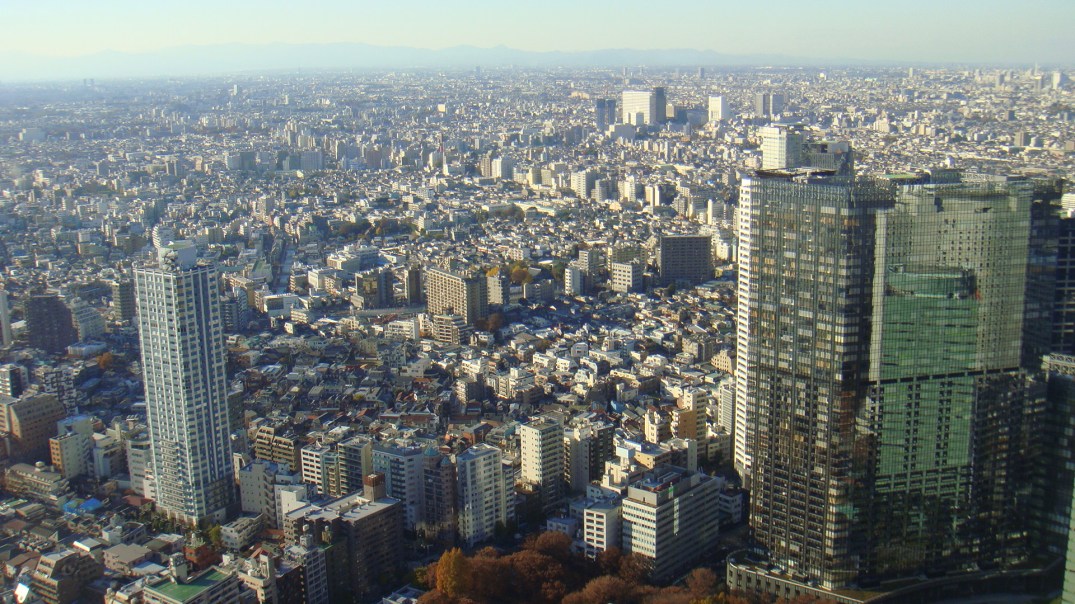 Japan today is a modern democracy, celebrated for its cuisine and culture, and revered for its natural beauty. Its economy may have stagnated for more than two decades in recent times. Yet, the Land of the Rising Sun is still recognised as one of the most influential economies in Asia, and even the world.
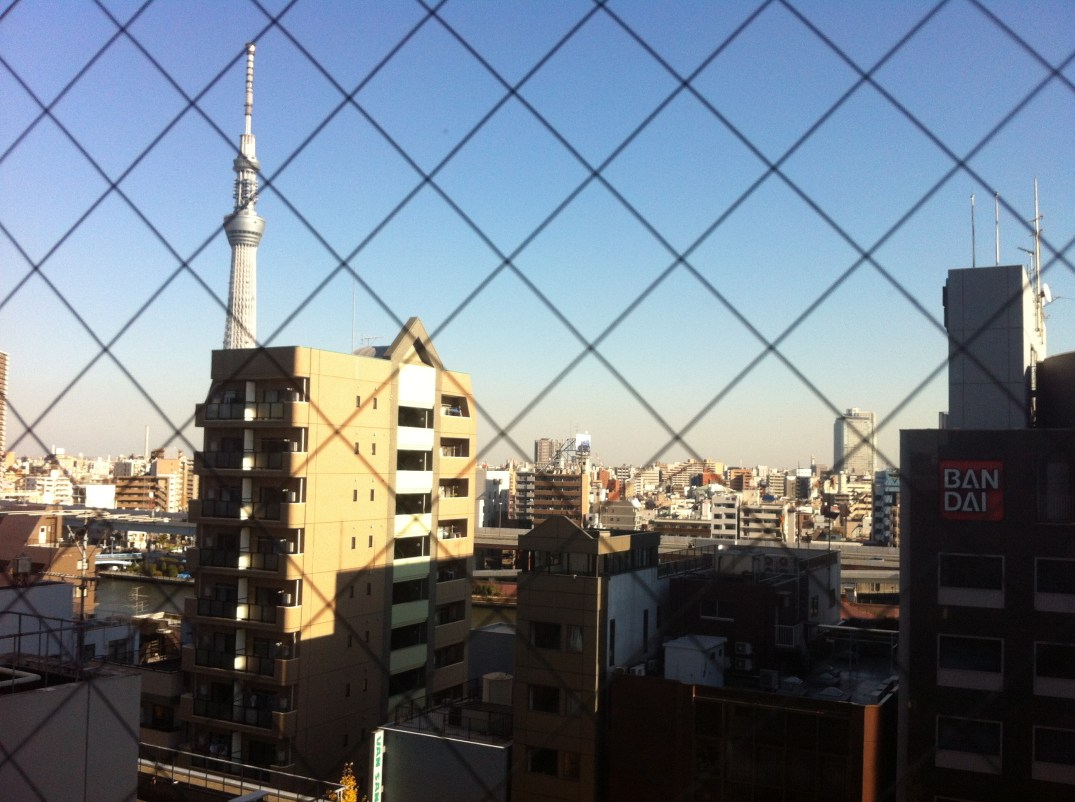 I returned from that trip to Tokyo in December 2011 with a new determination and conviction to take up the Japanese language again. I use the word ‘again’ because I had previously taken Japanese as a language elective module during my varsity years. I had lasted merely two semesters then because I found myself spending more time studying and revising Japanese than the other core modules, which affected my grades. This time, however, I am determined to master it, I tell myself. And when I do, I want to return to Japan, to find a job and experience living in Japan for a couple of years. I am on the verge of realising my dream come August this year.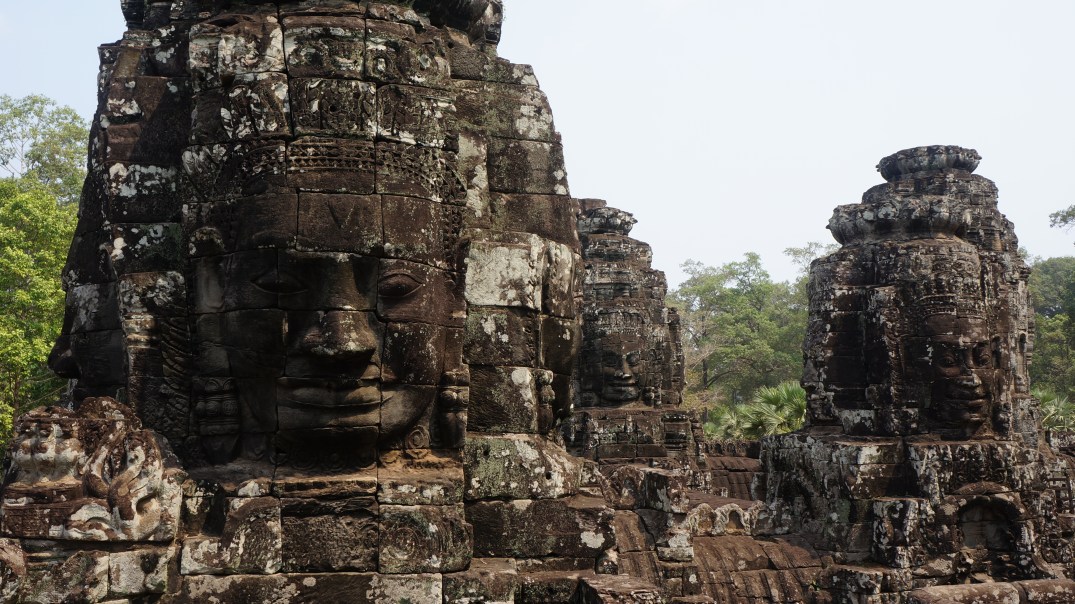
 Archaeologists have debated the exact function and symbolism of Bayon, according to Lonely Planet. However, if you were trying to guard against a counterattack from your enemy, the scenario that Jayavarman VII found himself in at that time, the many faces of your own portrait, designed to pass off as similar to that of a Bodhisattva, makes perfect sense.

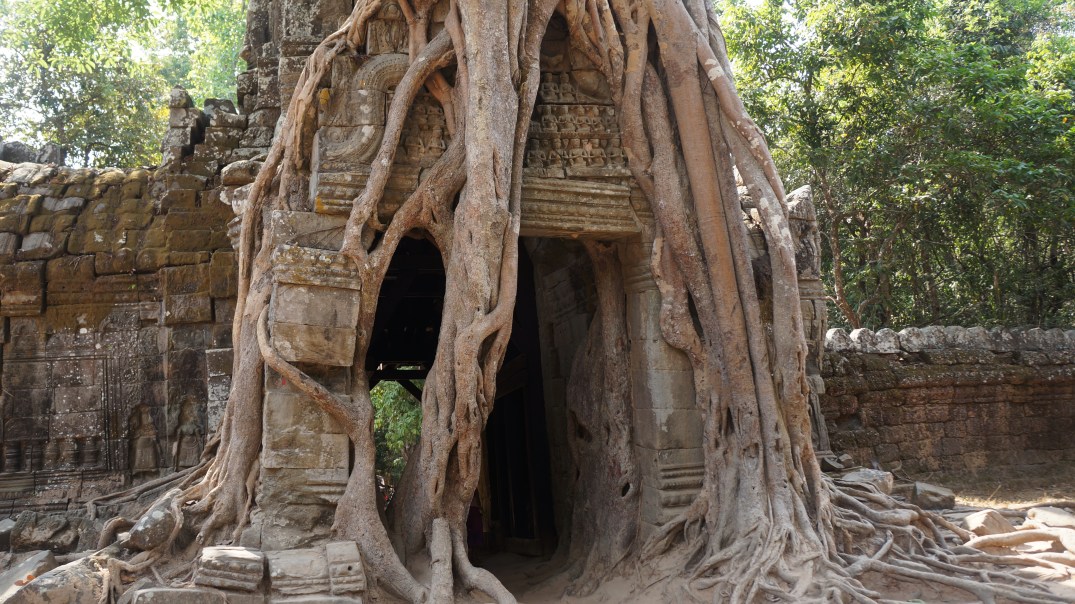
 Half the fun of exploring the architectural wonders of the Khmer kingdom lies in reading up the rich history of each shrine and monument. I know this sounds like a wet blanket but really, reading up on the history of the Angkorian period (AD802 – 1432) and the many kings that embarked on their own building fantasies – each, of course, with the view to leaving behind his own legacy (and hopefully outdoing its predecessors), allows you to appreciate these stunning behemoths. Without the historical context, it’s easy to get ‘temple fatigue’ after a day at Angkor, and all you may see are just piles of stone and rubble.
 Preah Khan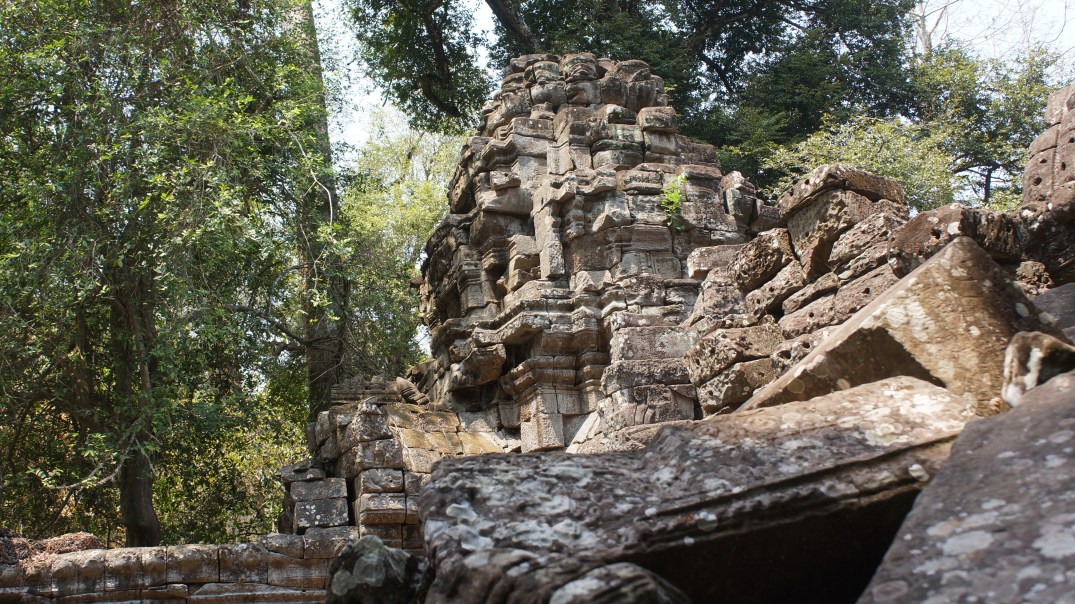


 East Mebon
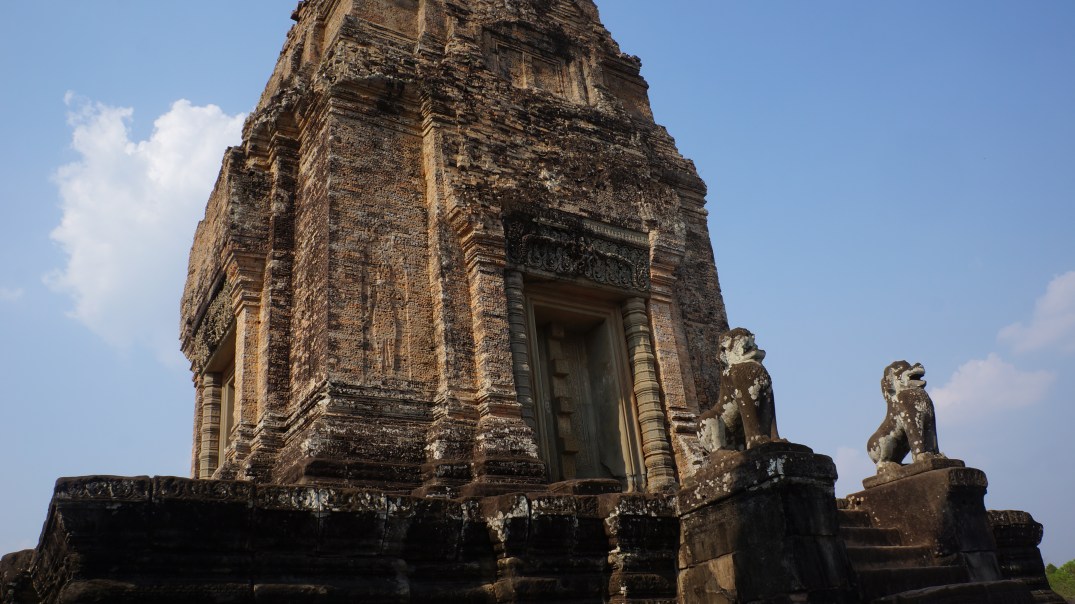
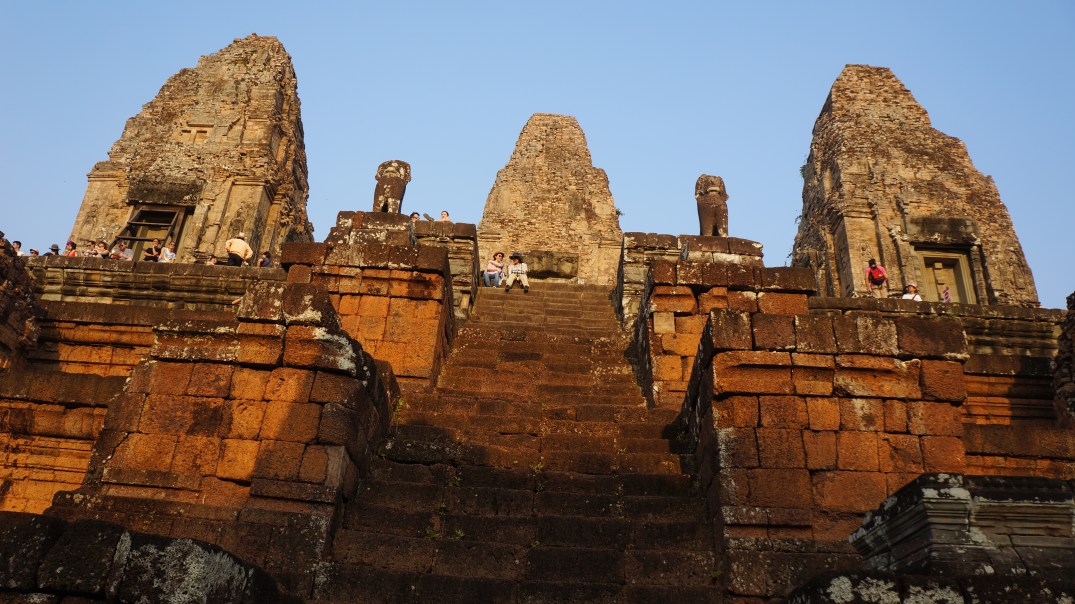 Pre Rup

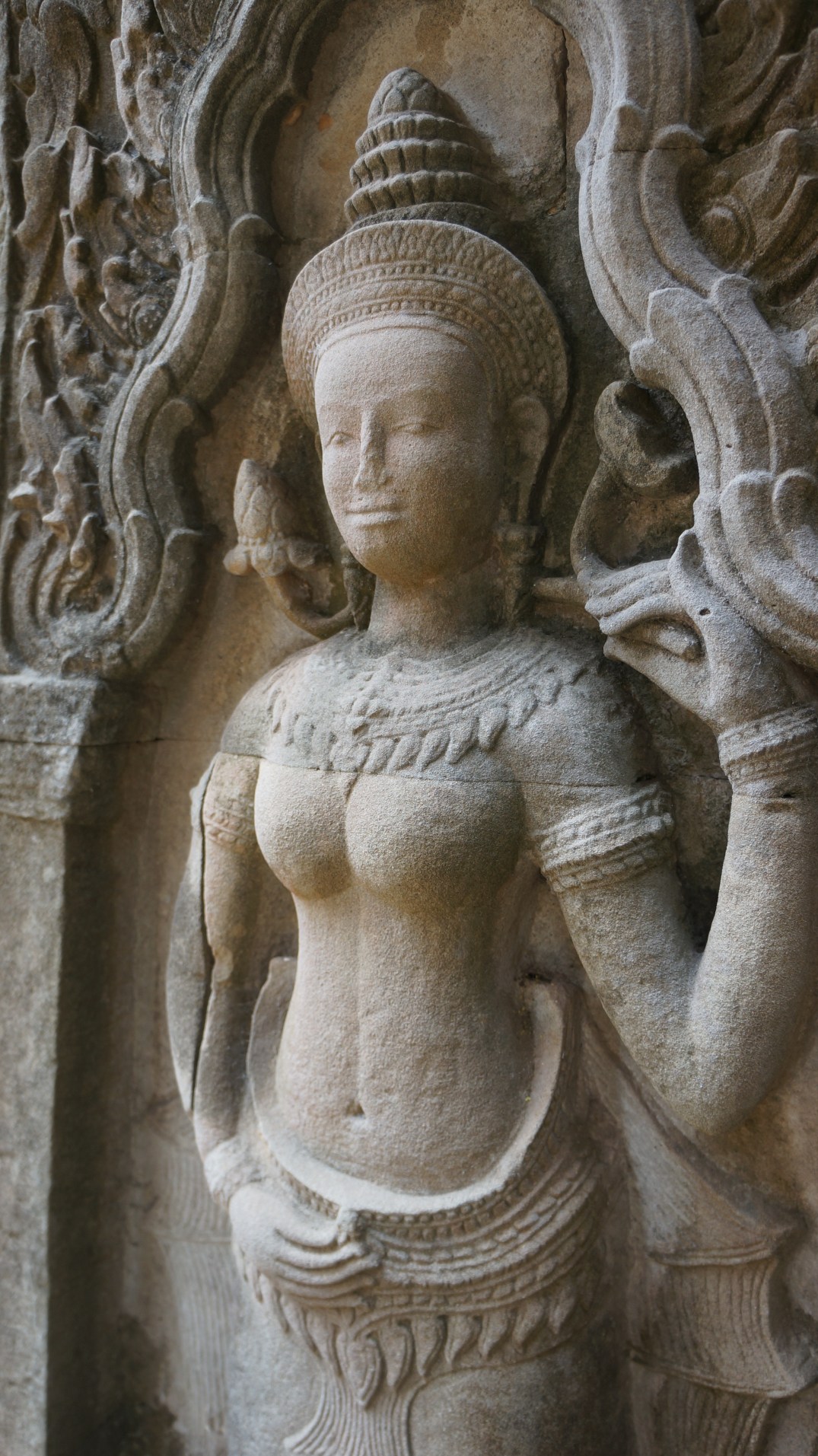
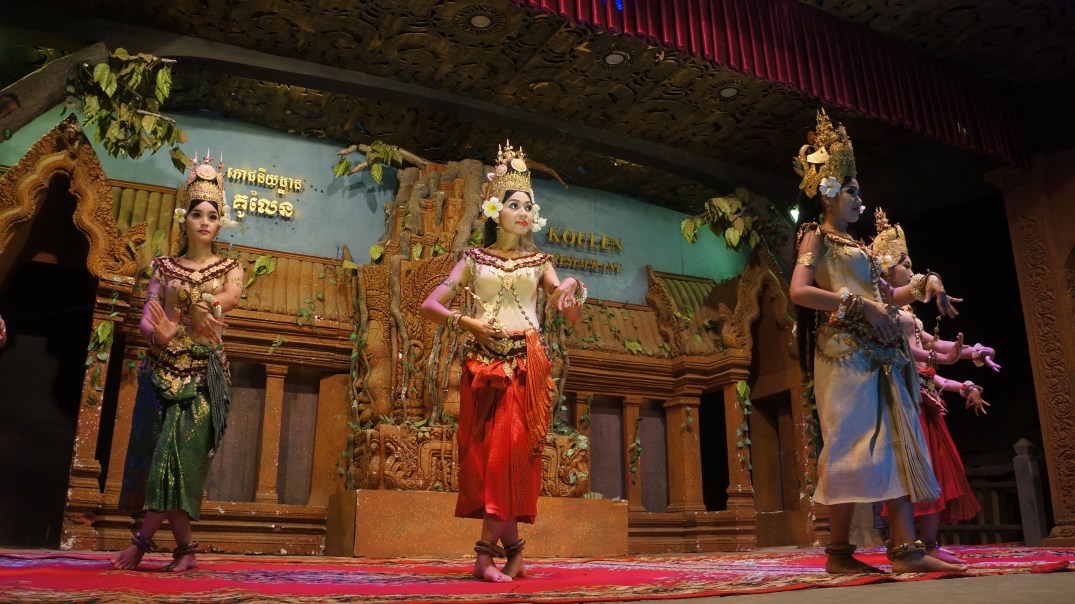
 Frankly though, your trip to Siem Reap or Cambodia will never be complete without catching an Apsara performance. Many restaurants in Siem Reap offer this traditional dance performance, although prices vary markedly, so it’s good to check with your hotel before you make a reservation. You can find a relatively affordable meal with accompanying Apsara dance for US$12 at the Koulen II Restaurant. The best part of the deal – it’s a buffet!
 After your Khmer debauchery, head for the night markets for some bargain hunting. Or indulge your own Fear Factor fantasies by taking on some traditional Khmer street food – fried spiders / scorpions / crickets / baby frogs!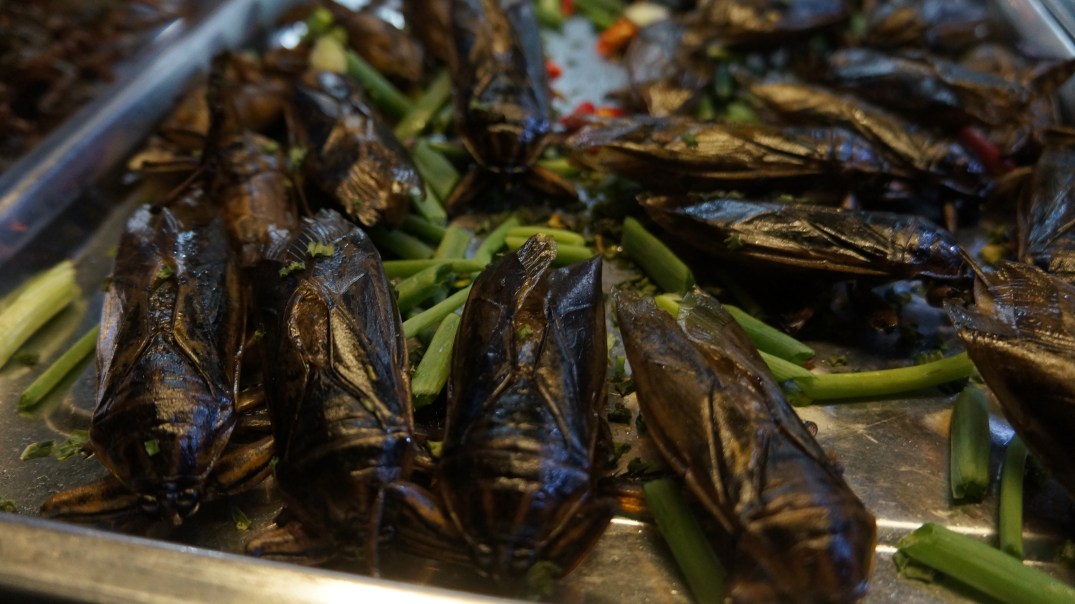


 So I’m going to accost your sights with
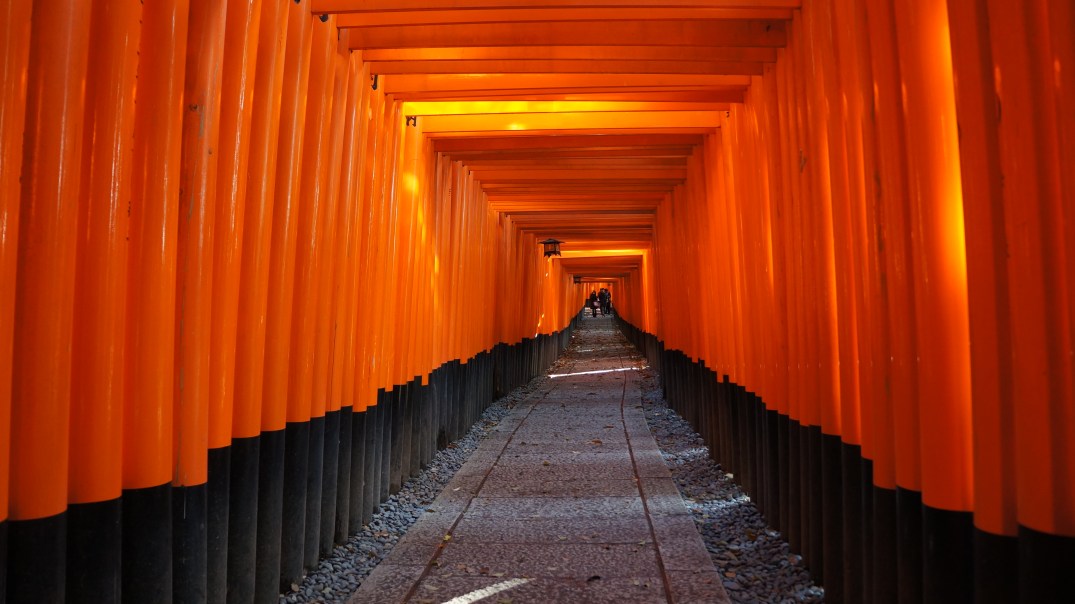
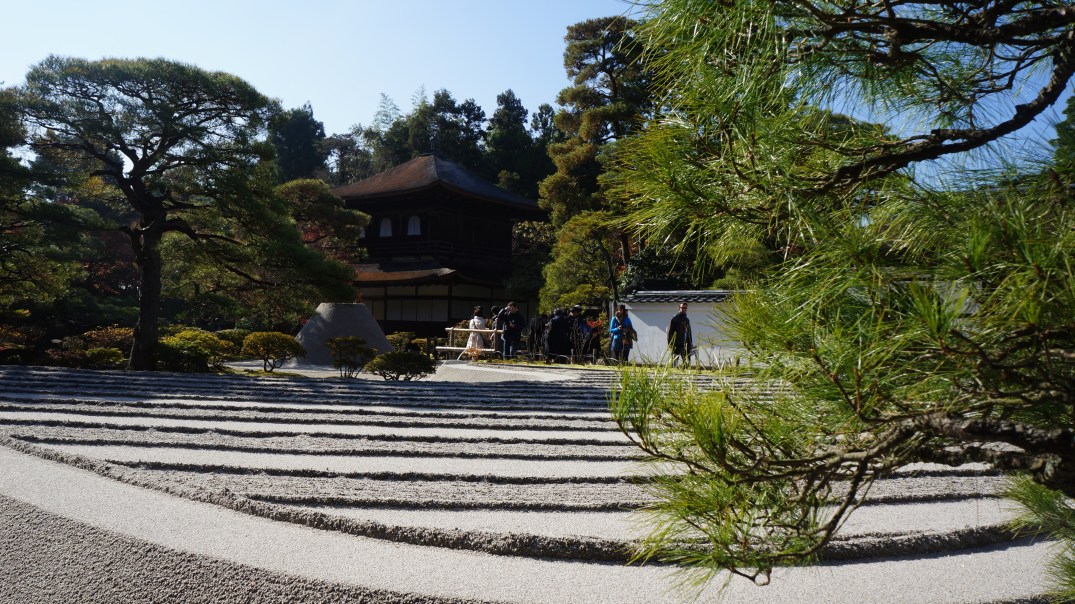
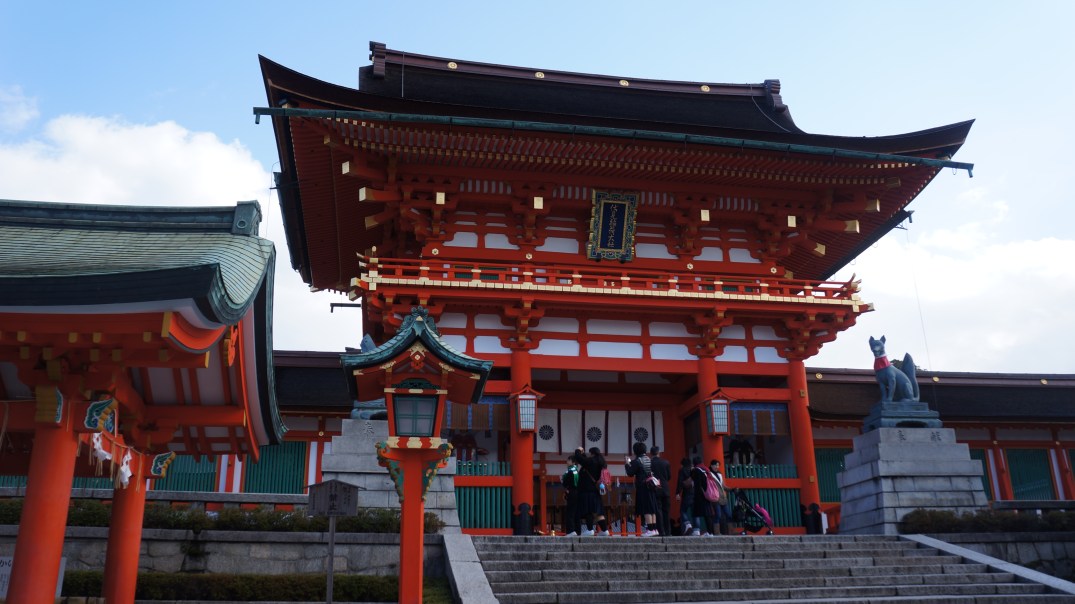
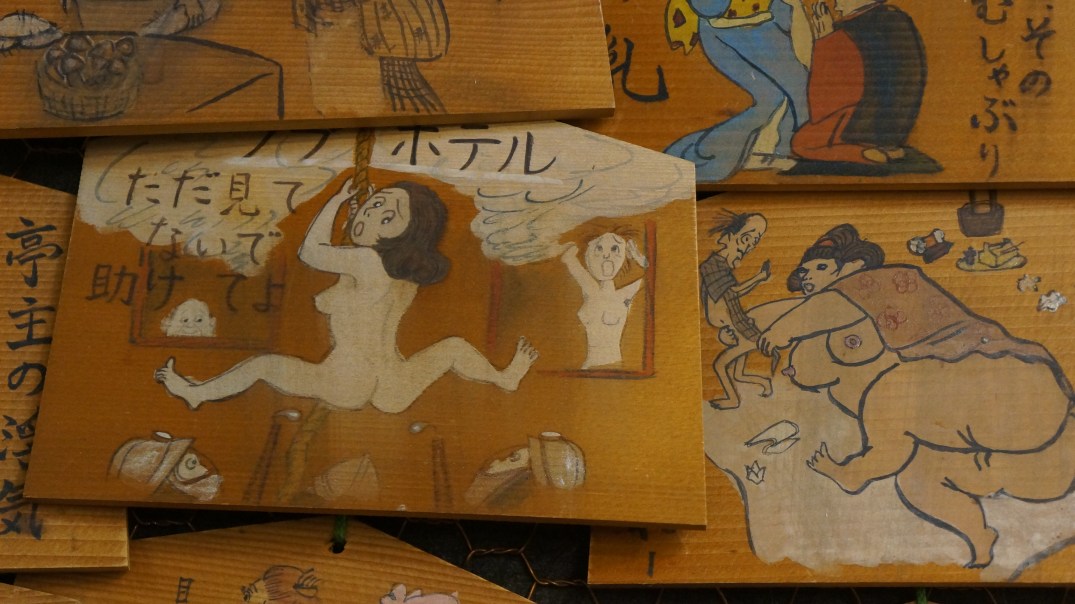
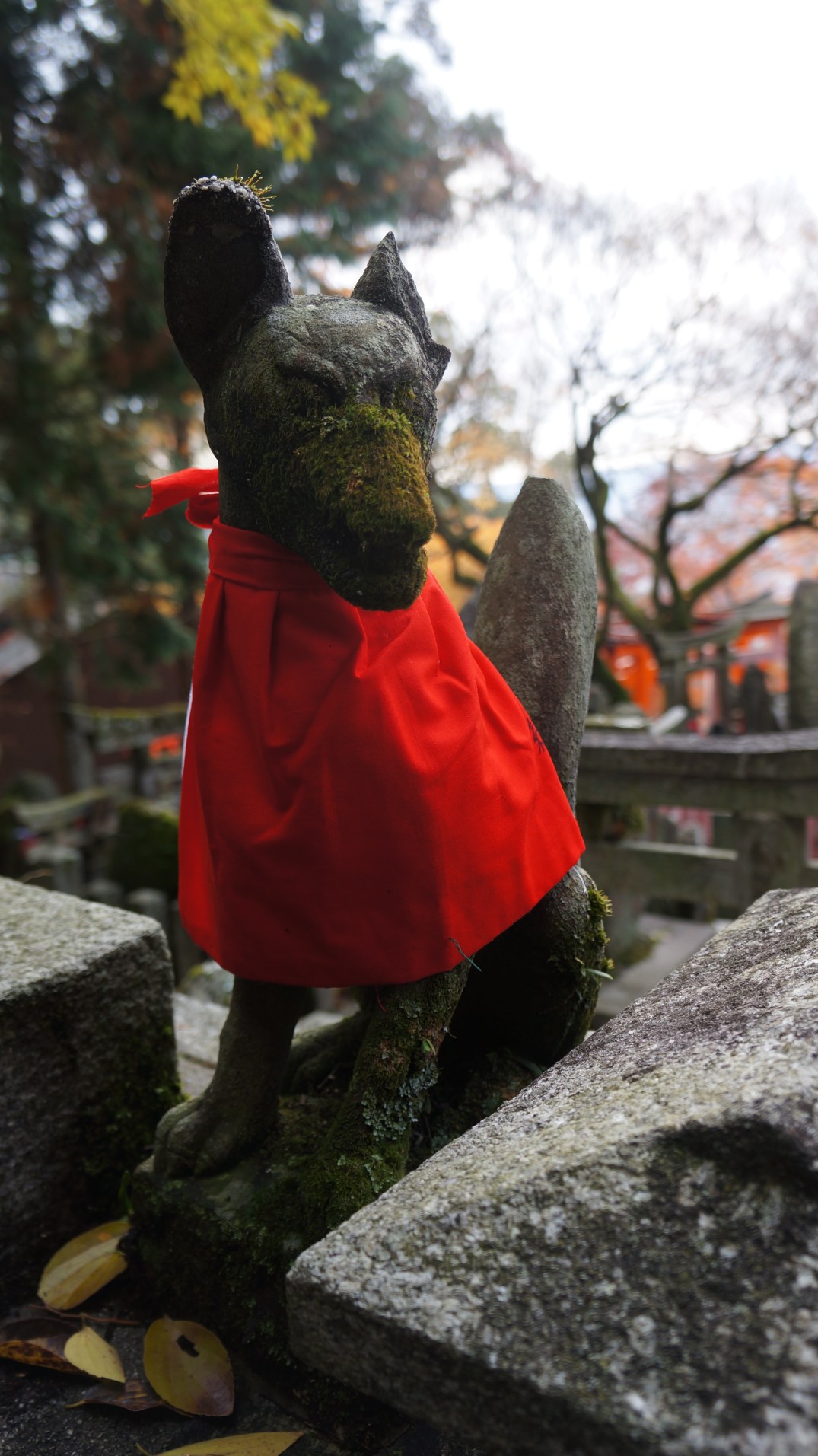
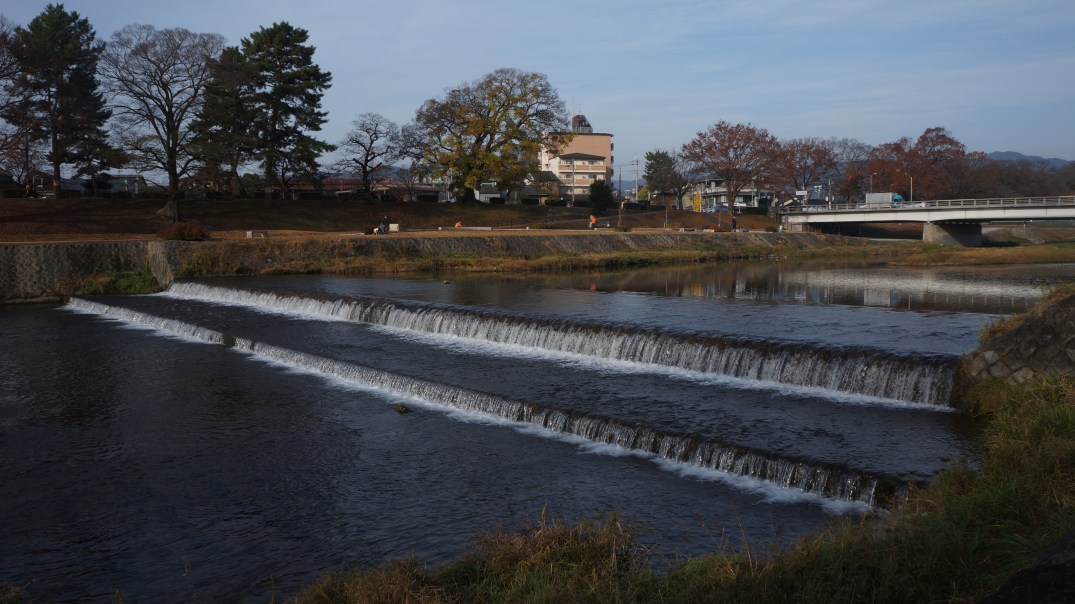
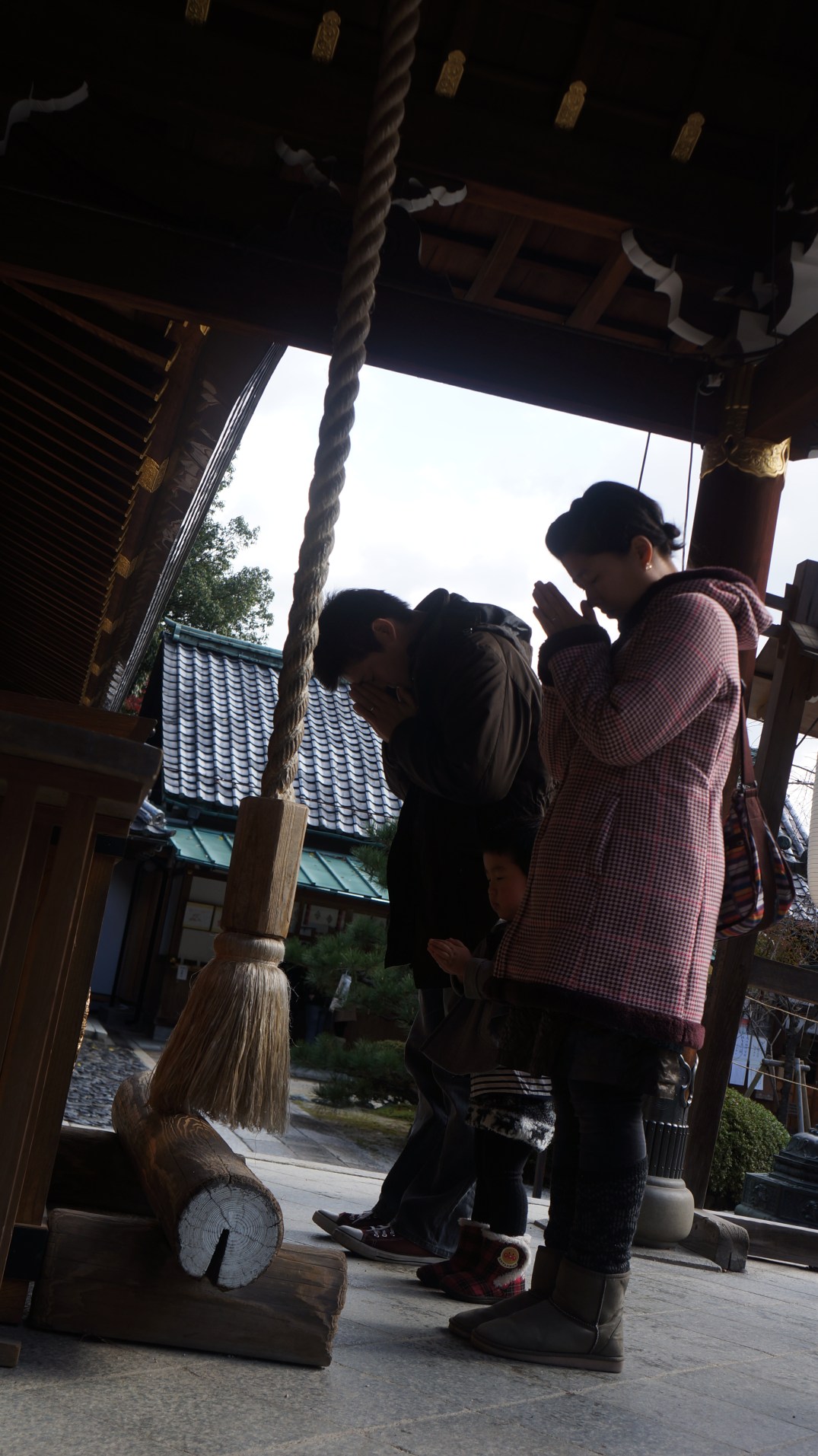
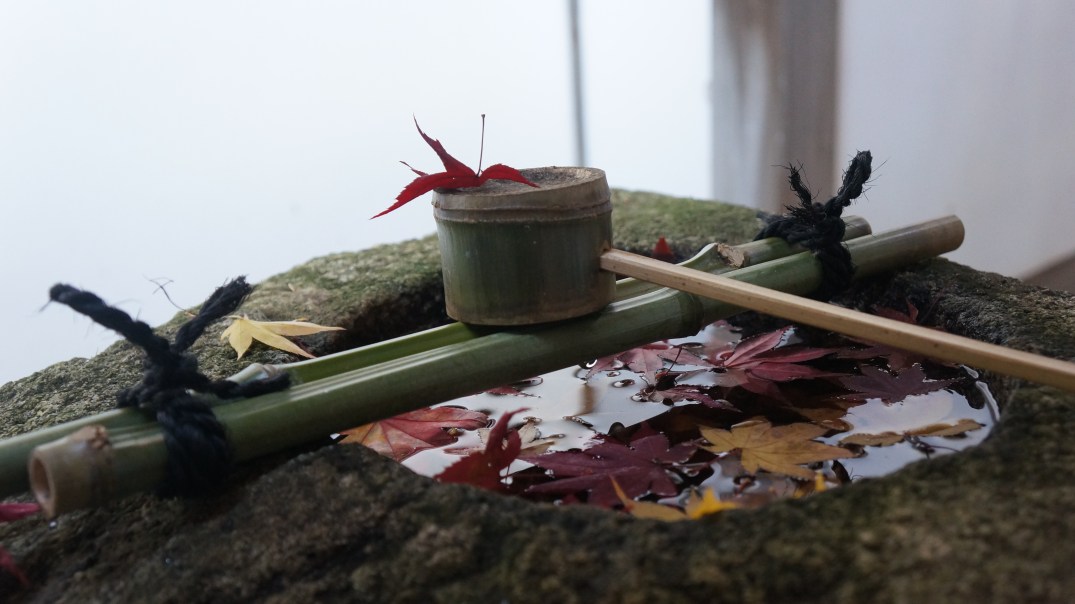
 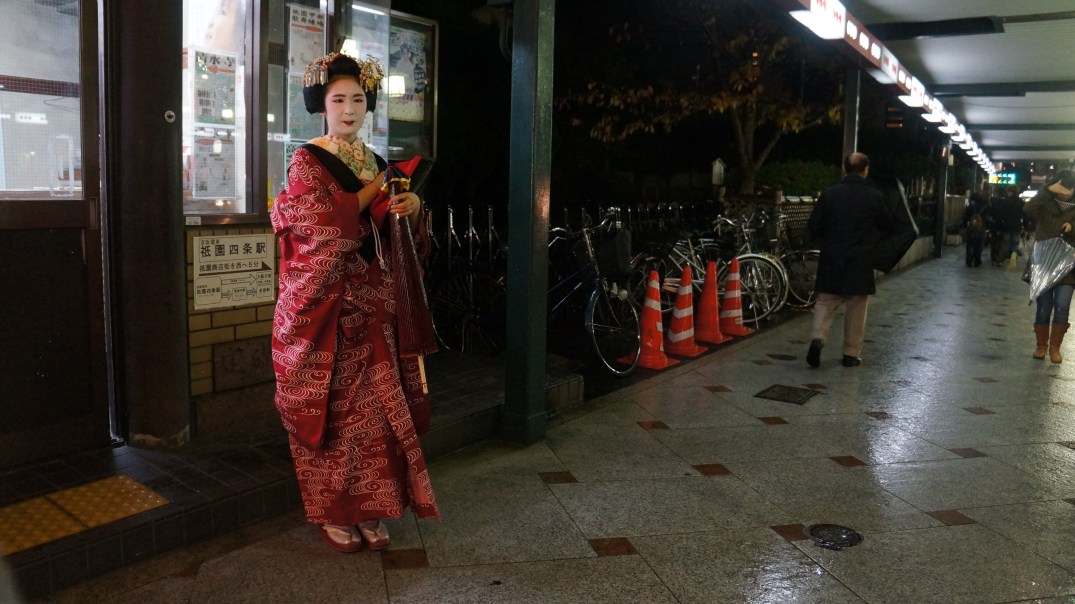 Here, geishas toting umbrellas totter in wooden clogs on the cobblestoned streets of Gion. Shrines pop up in the most unlikely of places (for example, in the middle of Teramachi, a bustling market and shopping arcade). And just a stone’s throw away from the shopping belt, mega temples built on hilltops instantly spirit you into a zen new world.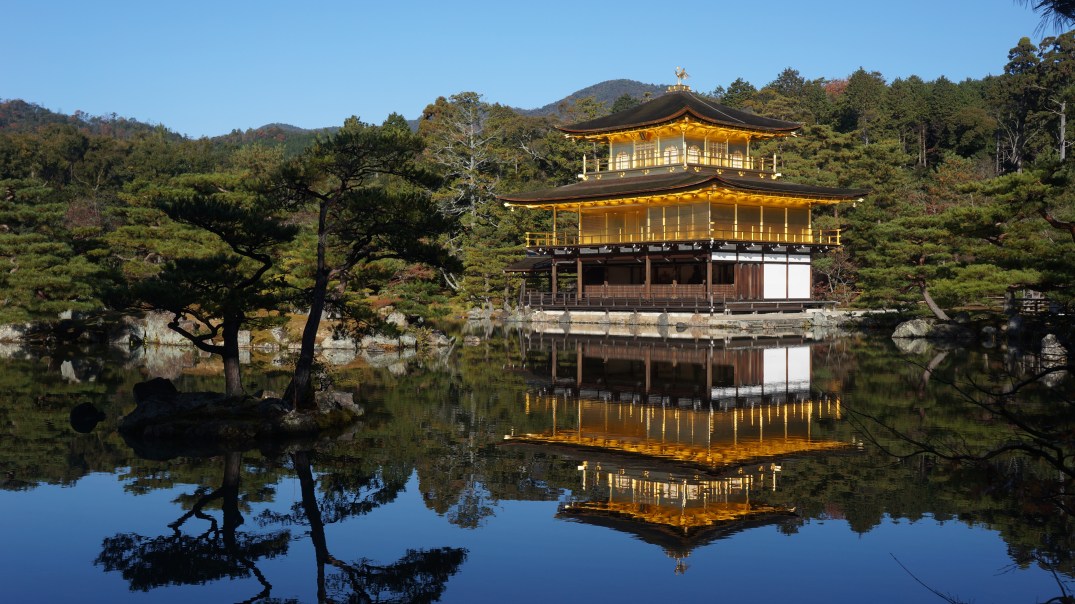





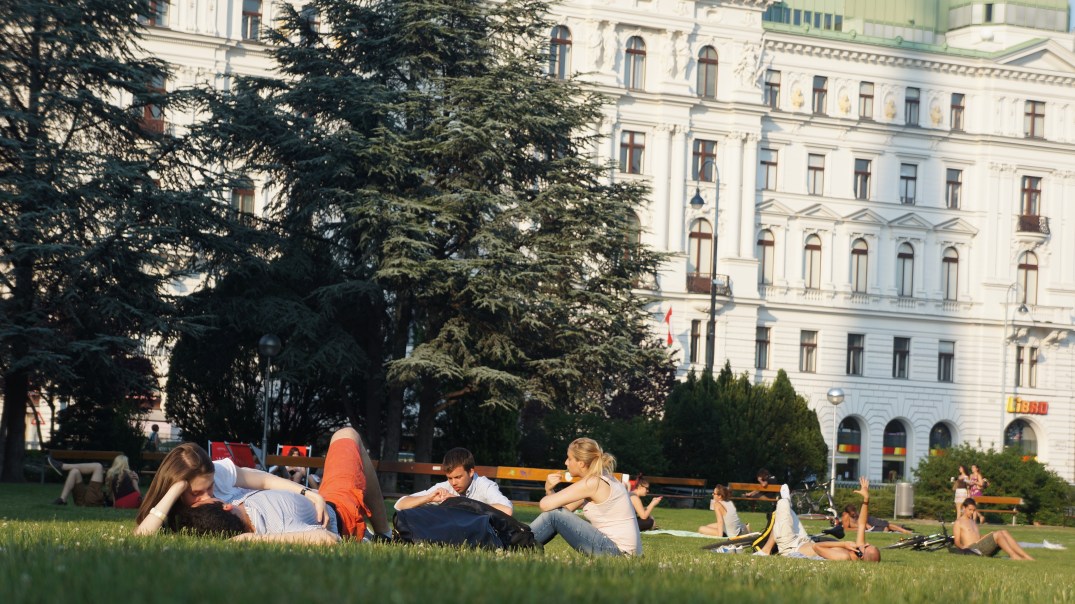
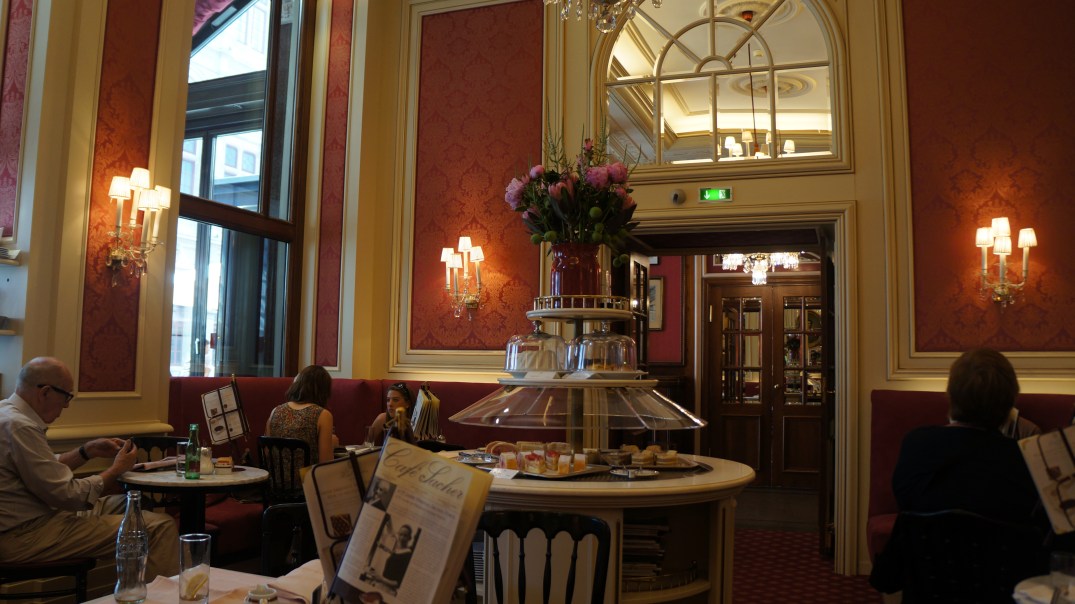
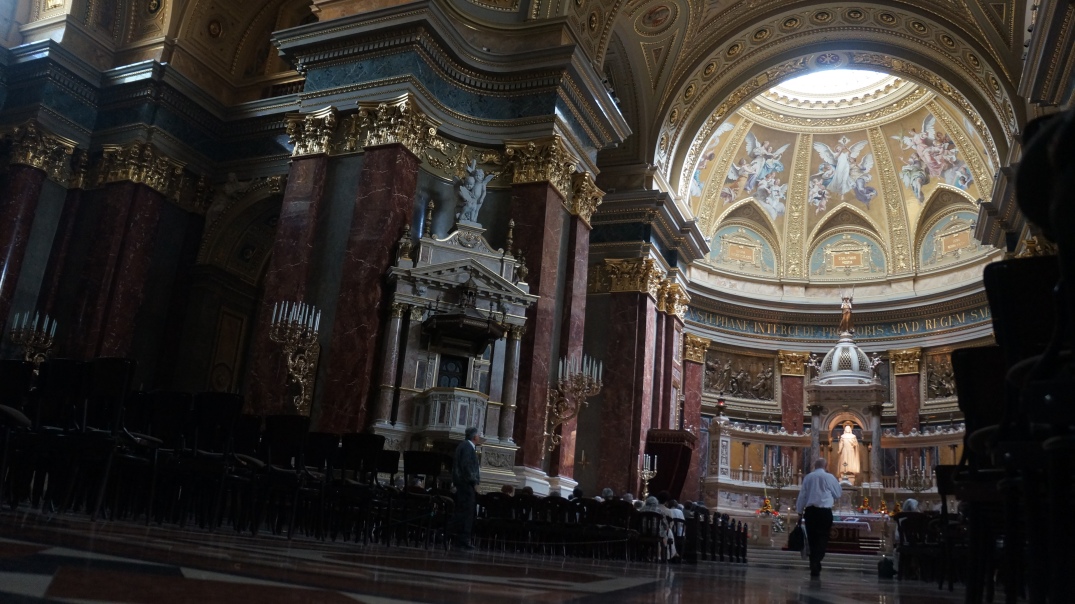
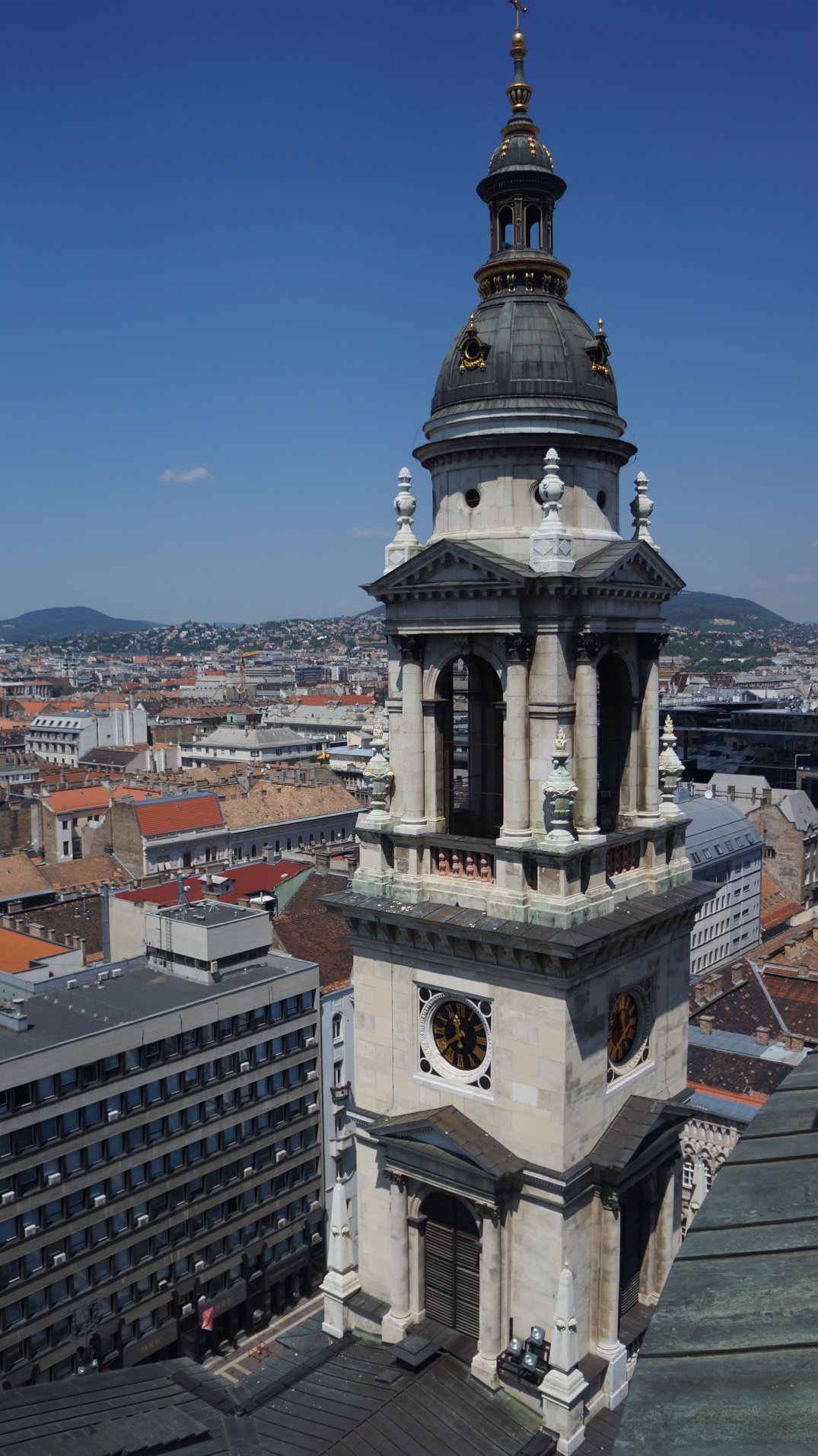
 At the same time, I’m suffering from “church fatigue”. At first, you just snapped at every single one you see. You admired the ornate interiors, the intricate carvings, the awe-inspiring sculptures of Jesus and his disciples. By this time, however, even the majesty of St Stephen’s Cathedral has lost its draw on me. I just stood in front of the cathedral, wilting in the Viennese summer heat. I decided I needed another round of iced coffee.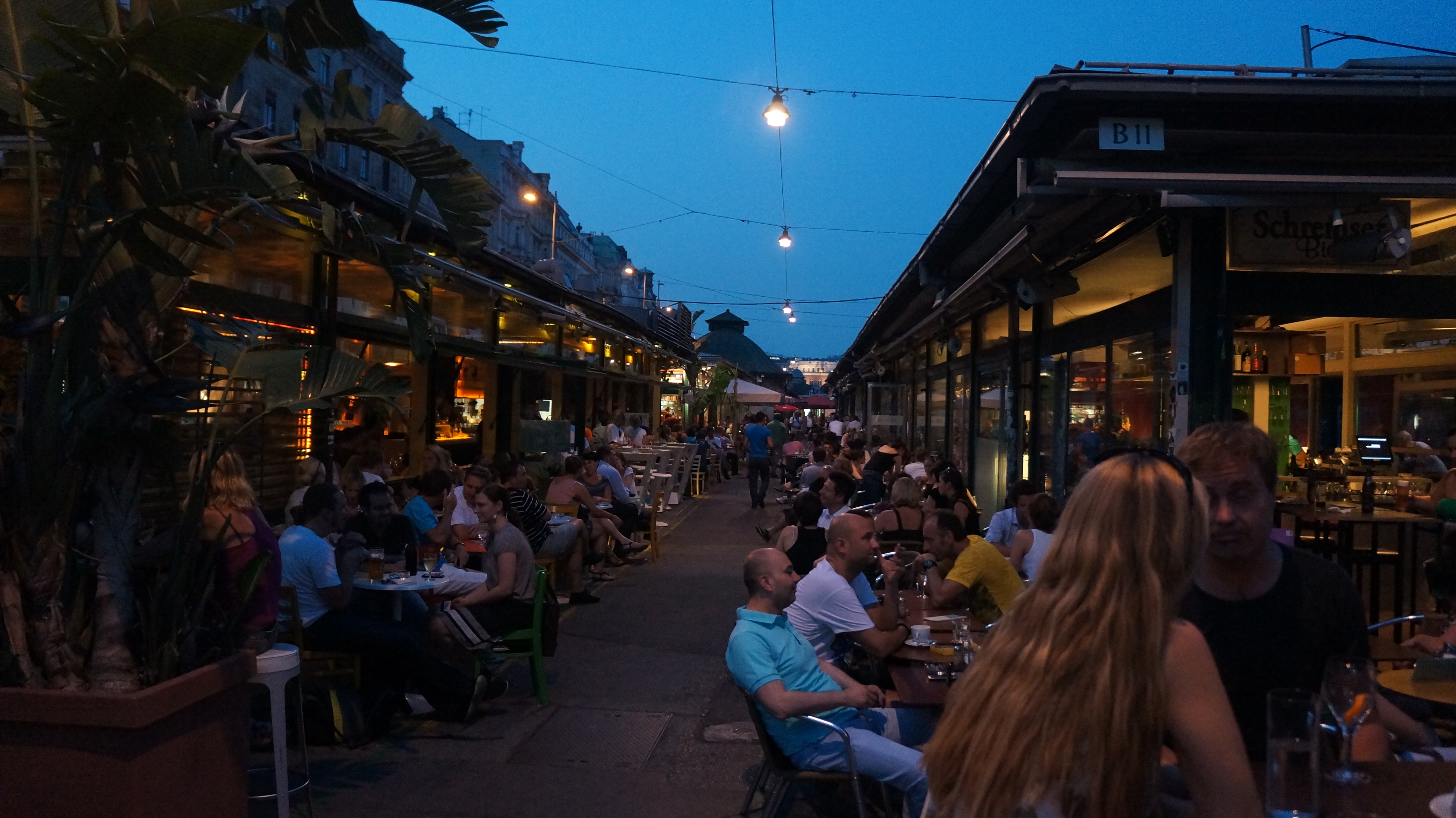





 It’s funny how sometimes you just feel like doing random things. Like sit in a Lego shop and play with the bricks for a good two hours before heading to your next destination. If you must know, I managed to fashion a synagogue / church (can’t really tell which it resembles more) out of a ton of yellow bricks.


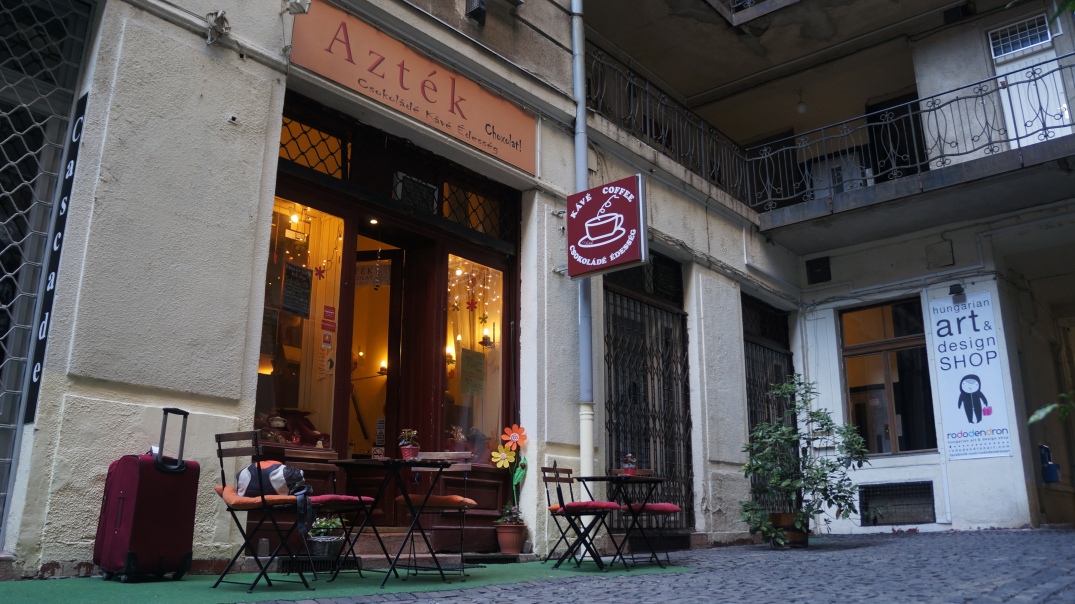
 Exploring the Jewish quarter is another adventure on its own. A little sedate in the day, the cobblestone enclave really comes alive at dusk – when the pubs and restaurants open and start filling up with locals.


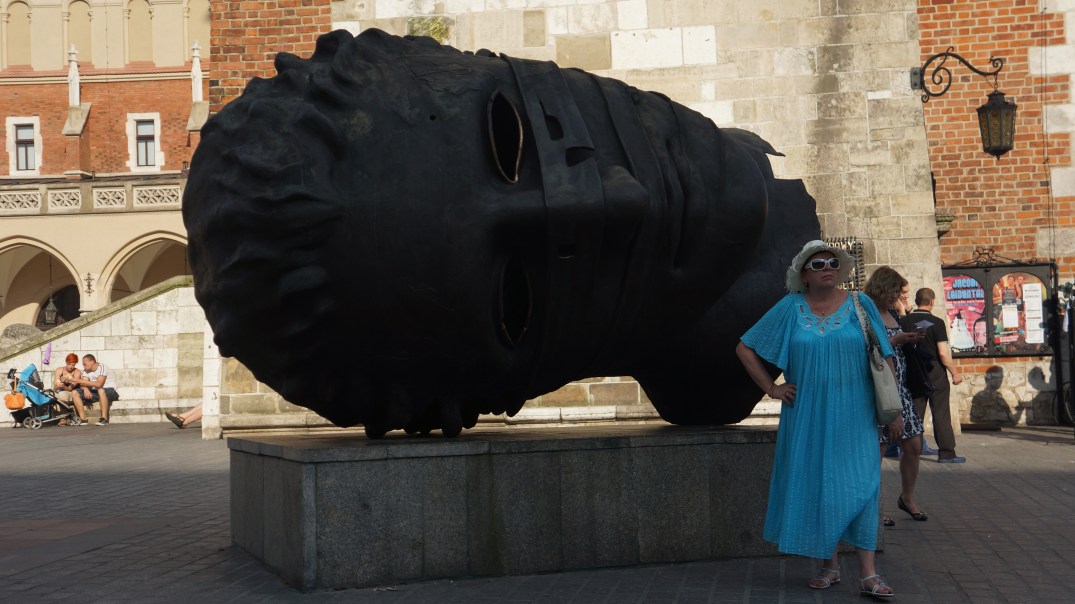
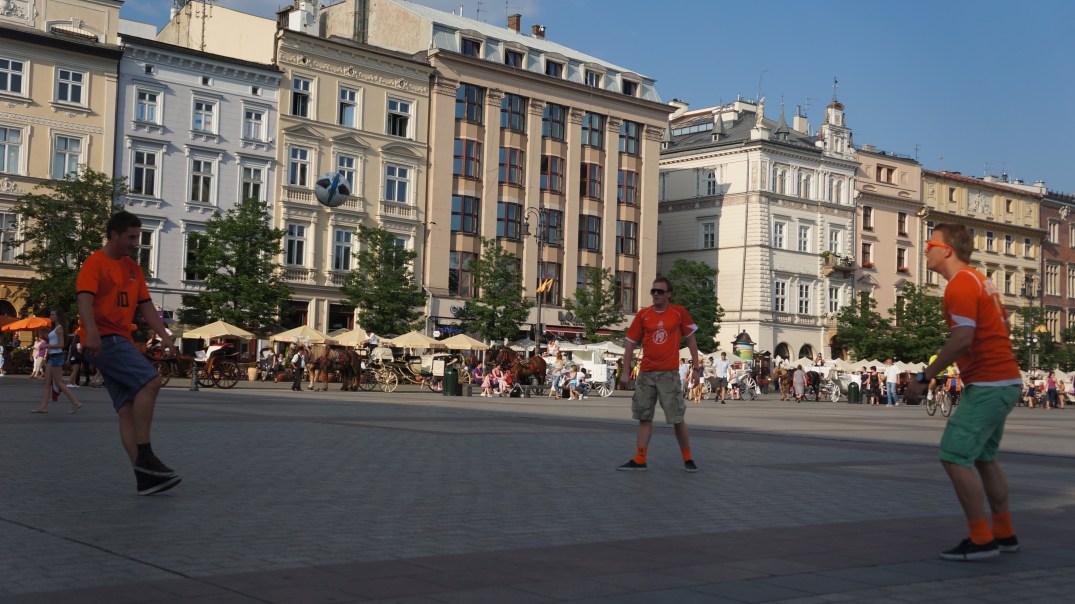


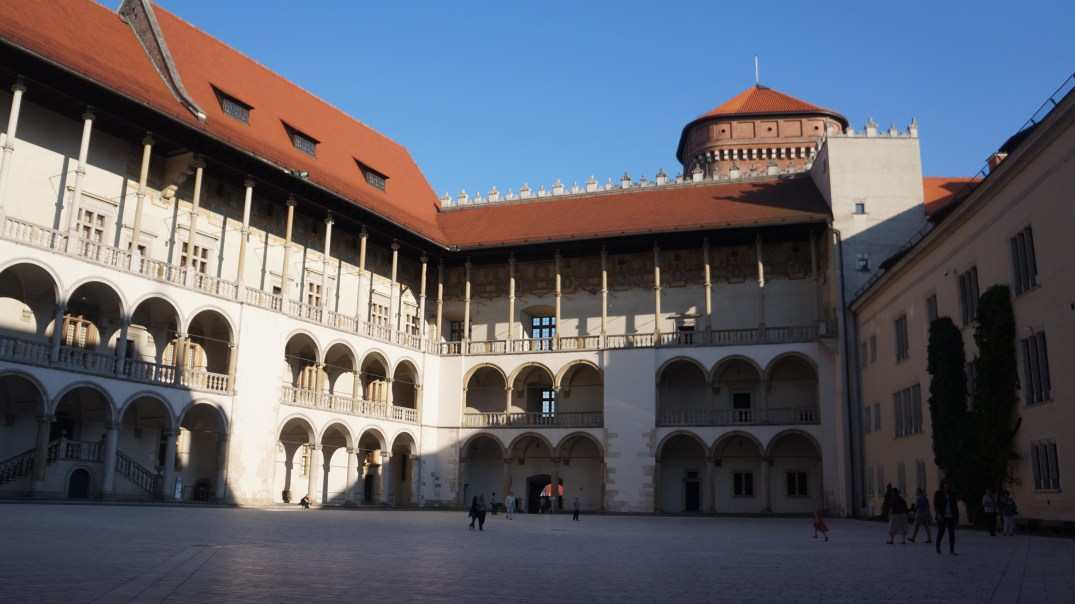
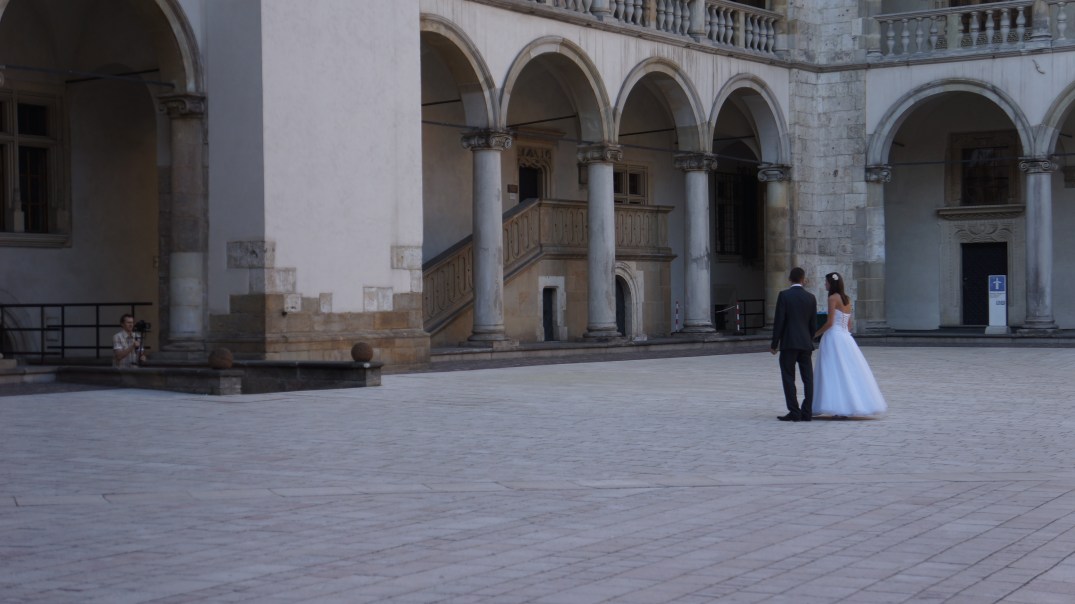

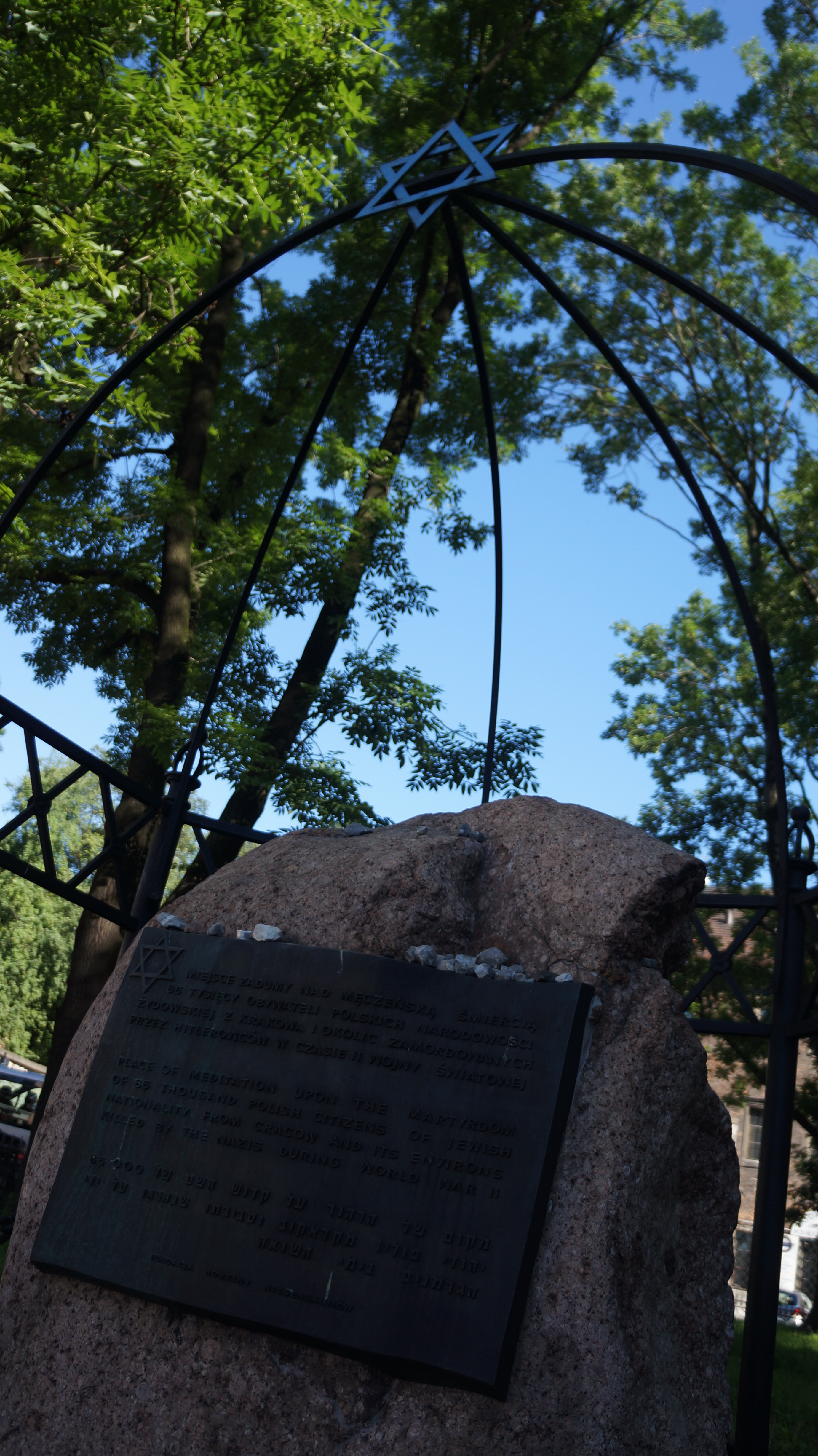


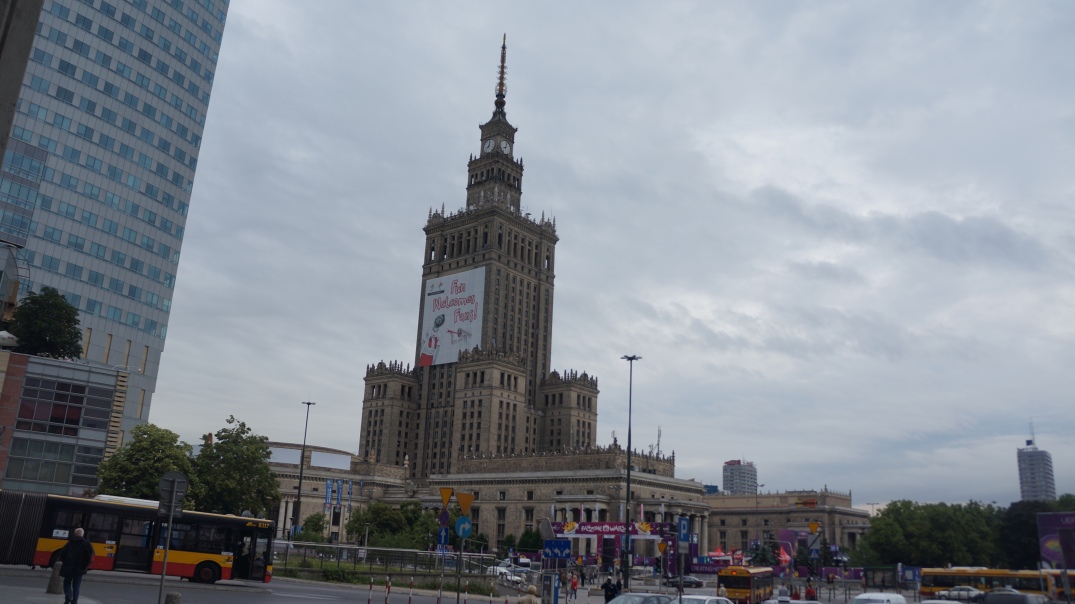
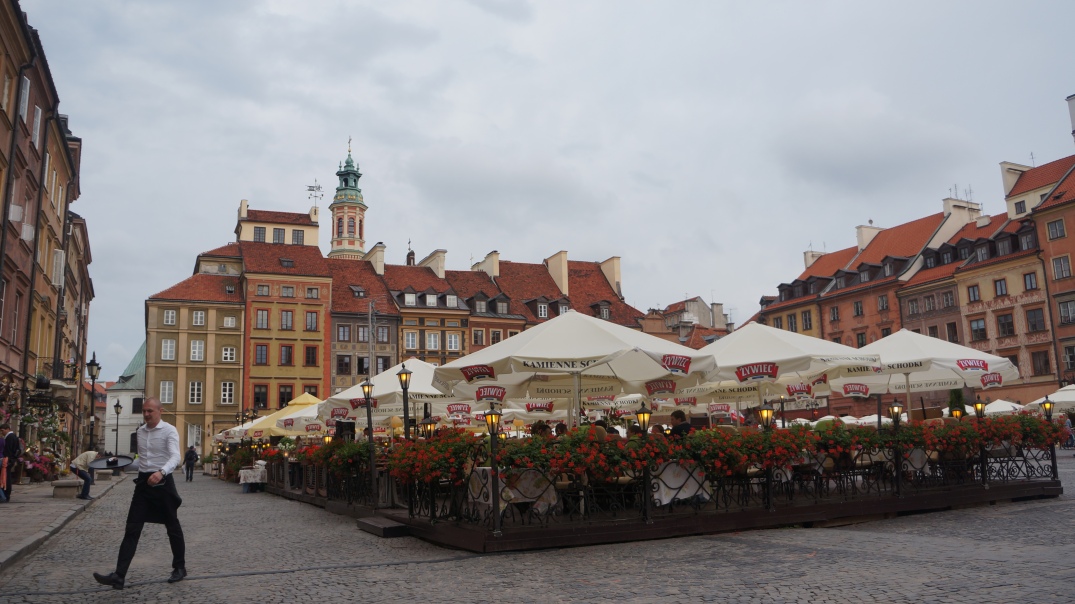 The Old Town Market Square (Rynek Starego Miasta) overlooking the Vistula is the heart of Warsaw and probably any traveller’s first stop. However, when the sun goes down, hipsters and well-heeled Poles flock to Nowy Świat, a cosmopolitan F&B thoroughfare that boasts some of Warsaw’s swankiest cafes and fine dining restaurants. Here, you can spend hours just people watching or bar-hop to find your ideal poison. Luckily for me, they still count in zlotys. So go ahead, indulge your inner demons!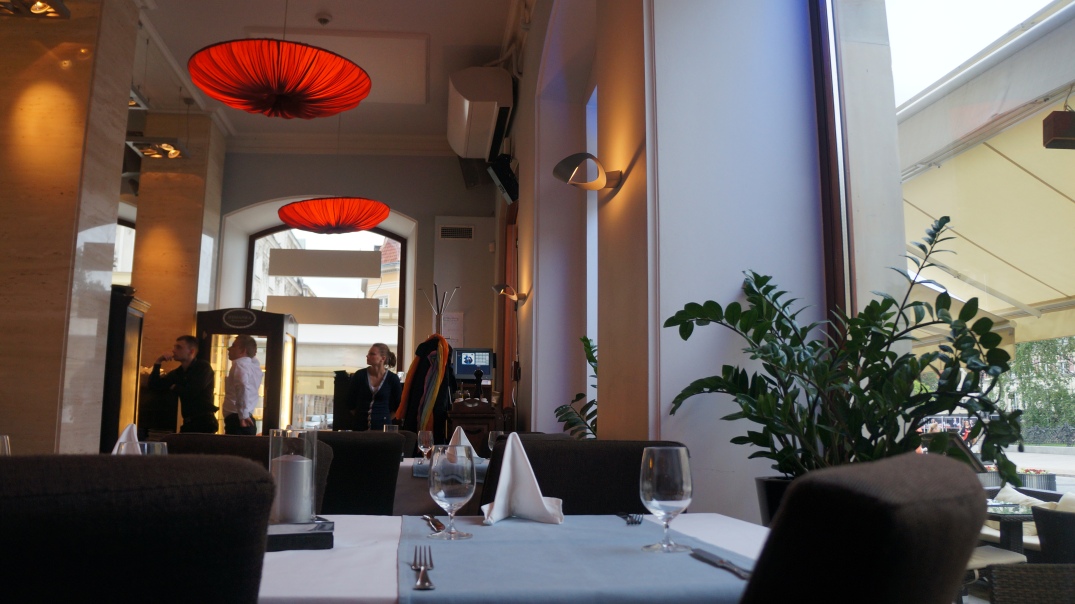
 lonesojourns