Cracking Krakow

DSC01365It’s funny how sometimes you just feel like doing random things. Like sit in a Lego shop and play with the bricks for a good two hours before heading to your next destination. If you must know, I managed to fashion a synagogue / church (can’t really tell which it resembles more) out of a ton of yellow bricks.

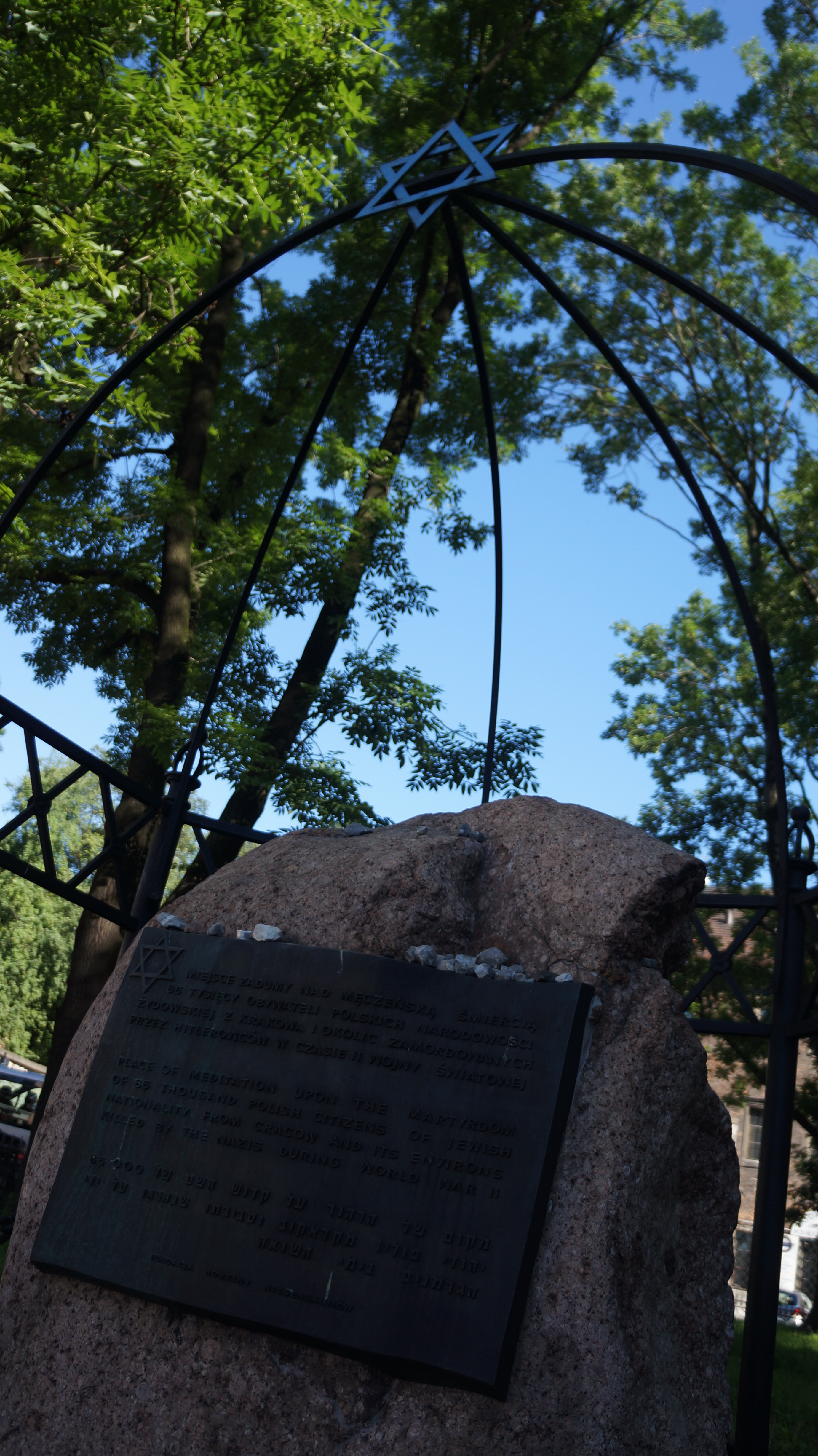
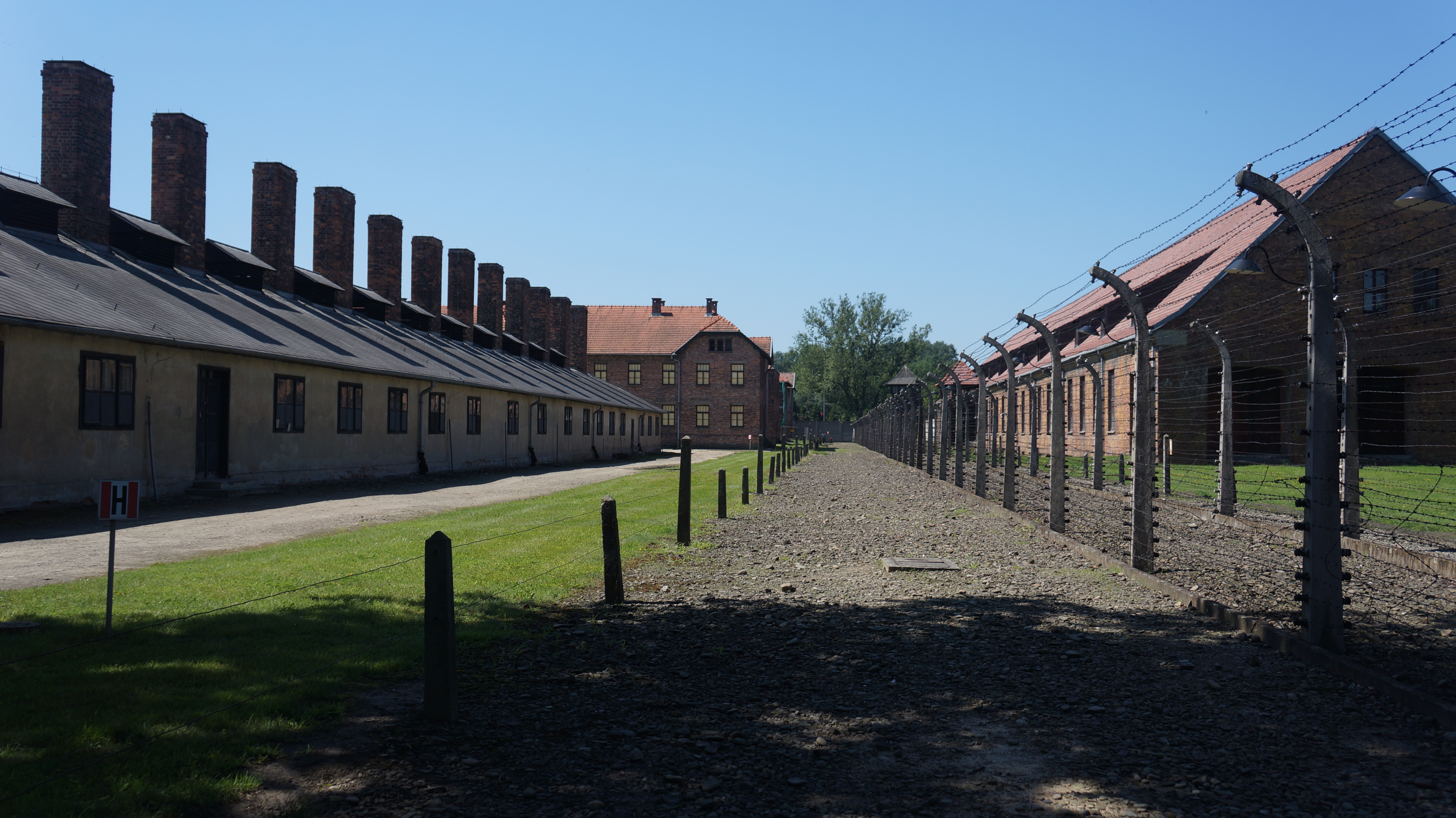
That’s what I did, of all places, in Poland’s second largest city. Don’t get me wrong. Krakow is a lovely city, and there are tons of things you could do besides playing with Lego. But I thought I needed a break after a three-hour excursion to Auschwitz. I guessed I just needed somewhere to sit down and contemplate what I’ve just seen in what is known as the largest Nazi concentration camp in Europe.
DSC01570I had chosen to base myself at Kazimierz after reading about the cool bohemian vibe in this Jewish quarter. Of course, rentals here are also cheaper than elsewhere. And I was surprisingly rewarded with an adjoining Chinese restaurant run by Vietnamese immigrants. I know this might sound silly but I was really craving noodles and fried rice after two weeks in Europe, so this restaurant was a godsend. And its portions were extremely generous – I had never seen so much rice on a plate for 4 euros!

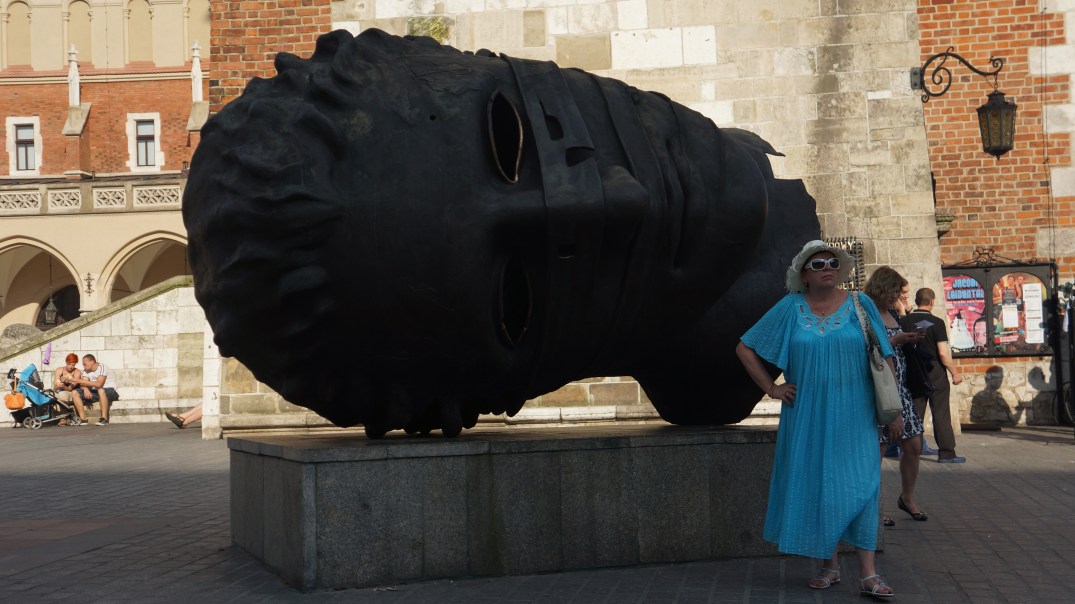
DSC01868DSC01863DSC01870Exploring the Jewish quarter is another adventure on its own. A little sedate in the day, the cobblestone enclave really comes alive at dusk – when the pubs and restaurants open and start filling up with locals.

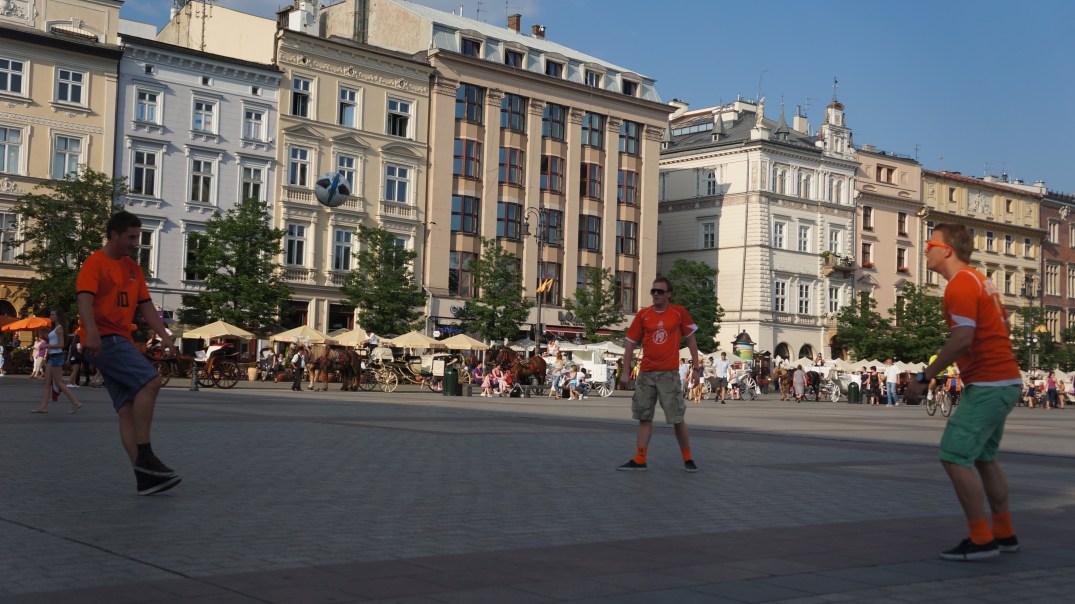
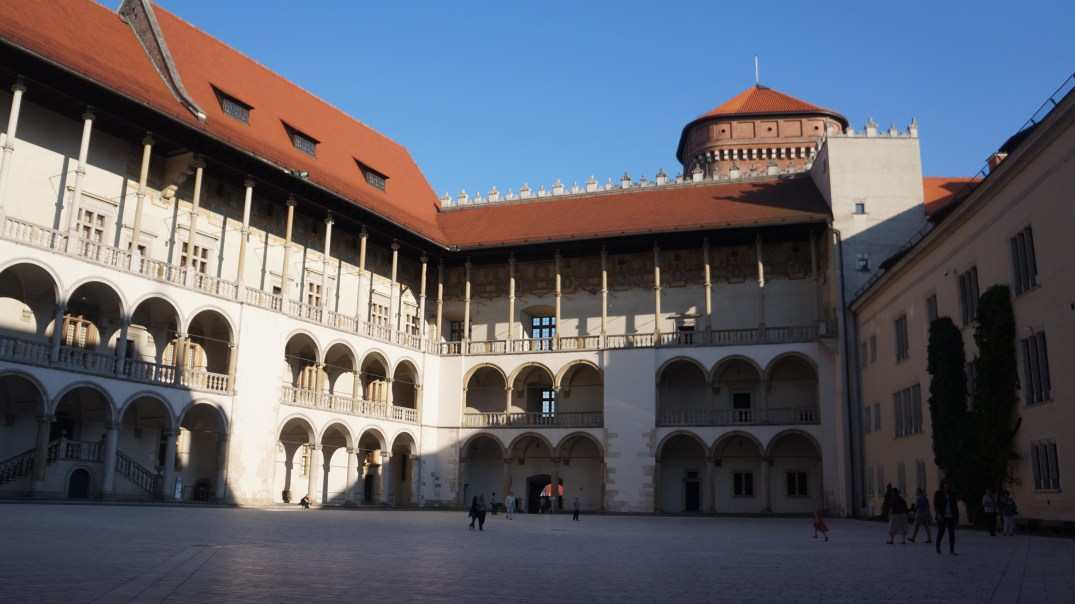
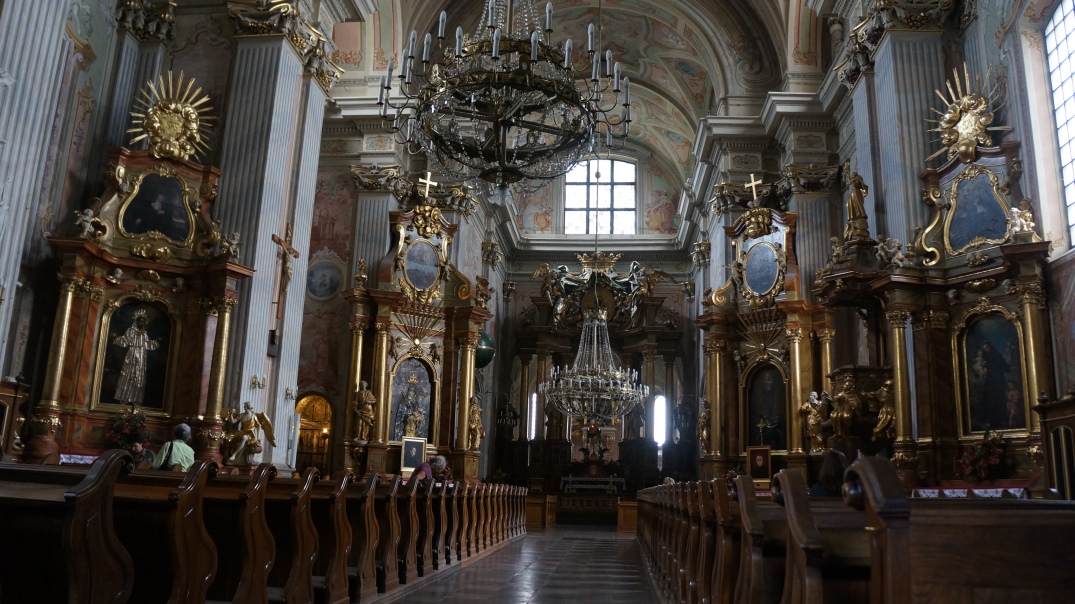
Unlike Warsaw, which was completely flattened by Nazi bombardment, Krakow was spared after a stroke of luck. This means that most, if not all of its churches and castles dating back to the 10th century – remain gloriously pristine. Rynek Glowny is the city’s heartbeat. Ringed by swanky restaurants and creative pubs, the market square retains the Old Town vibe, untouched by globalisation and American brands (but that could change in the future).

Here, I found myself content to just kick back on my salon chair and people-watch while slurping on a Zywiec. Prague seems like an inferior cousin already.  LS

DSC01495DSC01473DSC01468DSC01987DSC02014DSC02044DSC01449DSC01424DSC01422DSC01352DSC02093DSC01872

Poles Apart

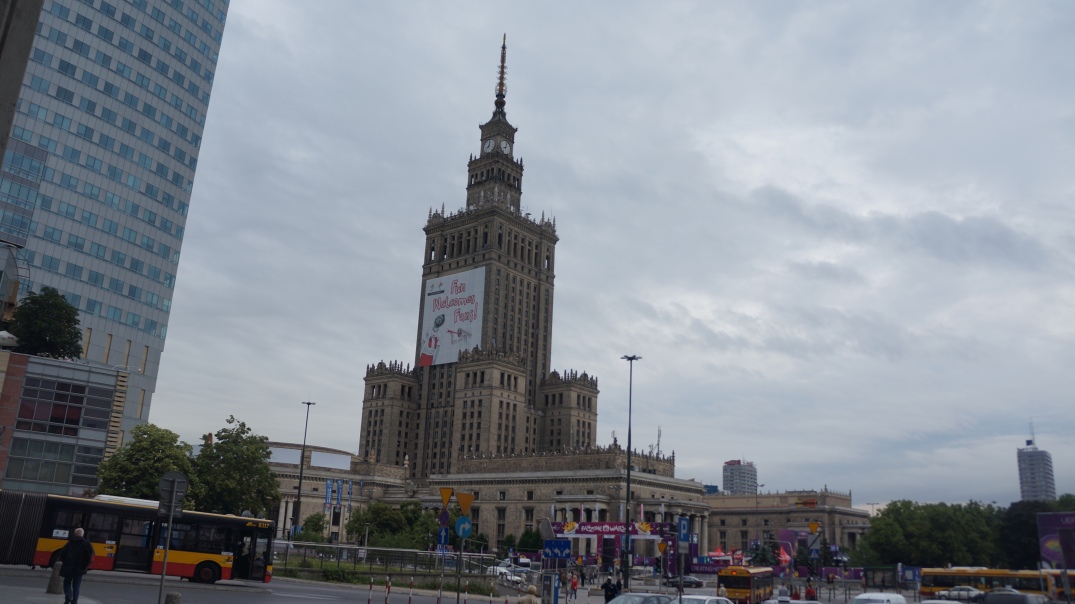
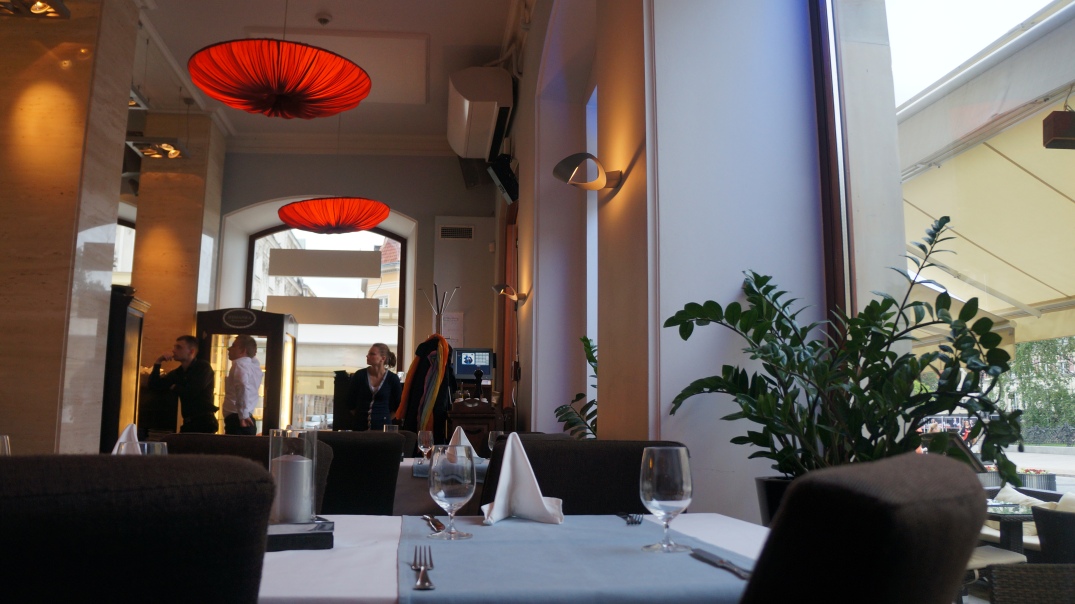
DSC01138For a city that was completely flattened by Nazi bombing during the Second World War, Warsaw (or more affectionately known to the locals as Warszawa) has come a long way.  Although remnants of its post-war Soviet Cold War era still survived (most notably the inappropriately named Palace of Culture and Science – a Stalinist monstrosity which turned 60 this year by the way) across from the Warszawa Centralna Railway Station, Warszawa is changing so fast that six months would seem like a decade.

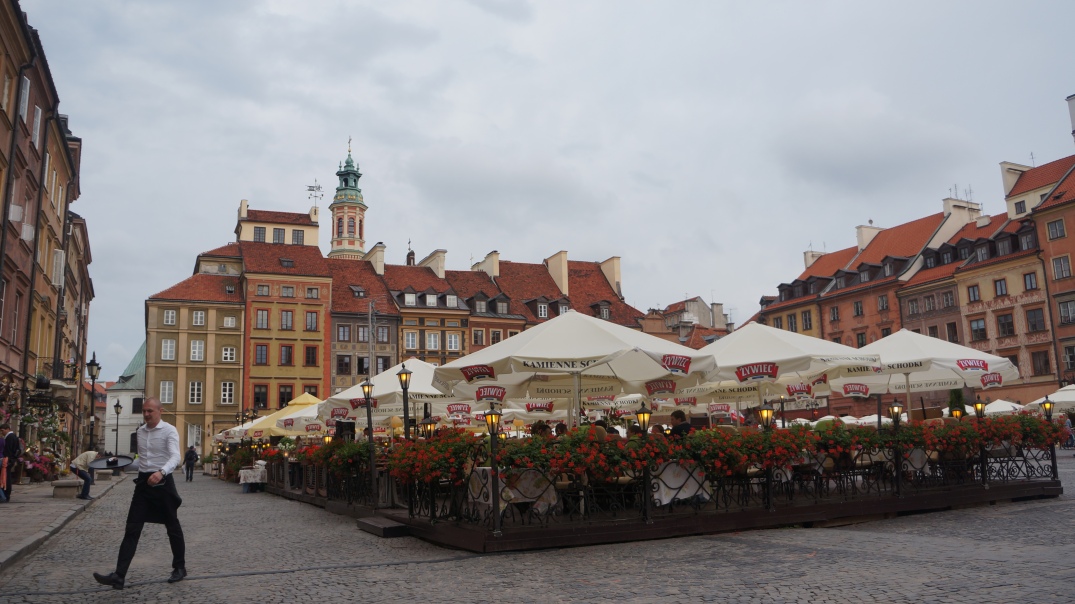
DSC01117DSC01258The Old Town Market Square (Rynek Starego Miasta) overlooking the Vistula is the heart of Warsaw and probably any traveller’s first stop. However, when the sun goes down, hipsters and well-heeled Poles flock to Nowy Świat, a cosmopolitan F&B thoroughfare that boasts some of Warsaw’s swankiest cafes and fine dining restaurants. Here, you can spend hours just people watching or bar-hop to find your ideal poison. Luckily for me, they still count in zlotys. So go ahead, indulge your inner demons!   LS
DSC01285DSC01152DSC01204DSC01196

Special Tribute: To The Faithfully Departed

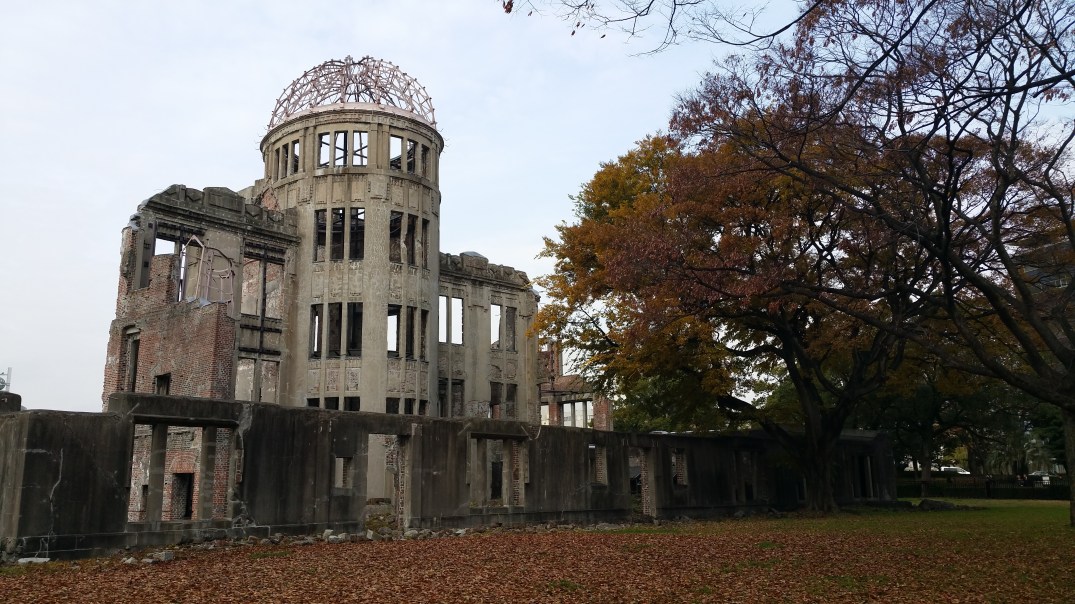
Watching the news on Hiroshima’s 70th anniversary of the atomic bomb brings back memories of my visit here last year. In Singapore, we have been brought up to hate the Japanese because of their atrocities during World War II. I grew up on a diet of stories of Japanese soldiers’ cruelty, the Sook Ching massacre in Singapore and other war crimes, vividly told to us through documentaries, television dramas and illustrated in history textbooks. However, I bet few of us knew the horrors caused by the atomic bomb on the residents of Hiroshima. These were ordinary citizens too – men, women, children and babies.

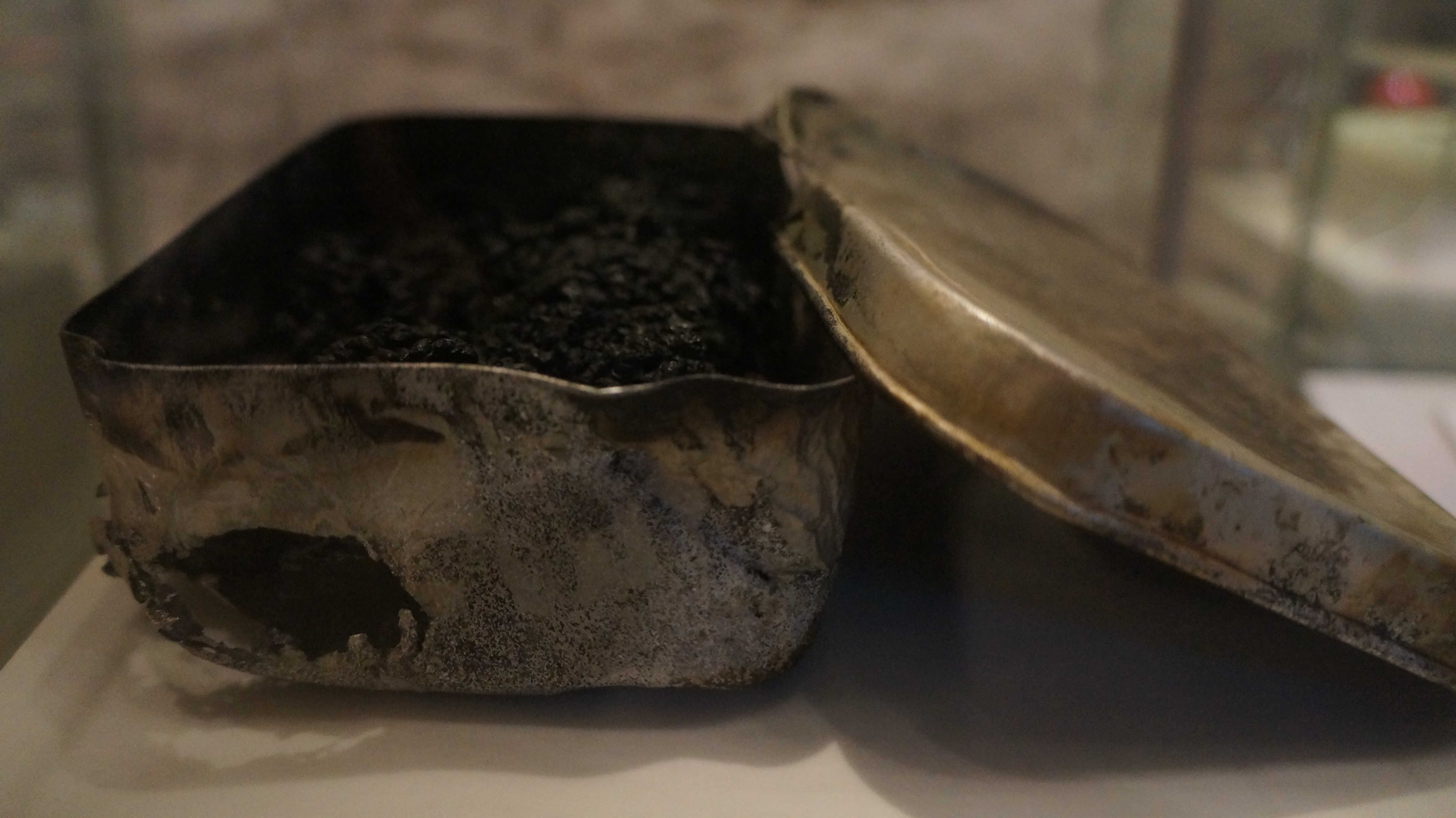
DSC06812DSC06874If what the Japanese did to us was abominable, what the Americans did to the Japanese (in the name of ending the Pacific War) was unpardonable. I recalled the solemn atmosphere at the Peace Memorial Museum, the silent weeping of Japanese visitors as they pored through the exhibits at the Museum – remnants of children’s clothes, locks of hair, a sandal, lunch boxes, school uniforms, a tricycle, even finger nails.

Many of the dead and wounded were children. Many were drafted to work in factories because all the men had been conscripted to fight for their nation in the Pacific War. Stories of survivors fleeing the city, suffering third degree burns, and with burnt skin hanging from their limbs like melted candle wax, were displayed inside the museum.

DSC06844On 6 August 1945, Hiroshima was flattened by a uranium bomb, dropped by a US B-29 bomber, and which exploded about 600 metres above the city. Nicknamed ‘Little Boy’, the bomb unleashed a gigantic fireball (370 metres in diameter) over the city when it detonated, measuring 6,000 degrees Celsius. Thousands caught in the hypocentre of the bomb instantly vaproised. The resulting firestorm from the blast swept across Hiroshima, incinerating everything in its path. 140,000 people perished. The radiation emitted by the bomb will continue to haunt the generations after.
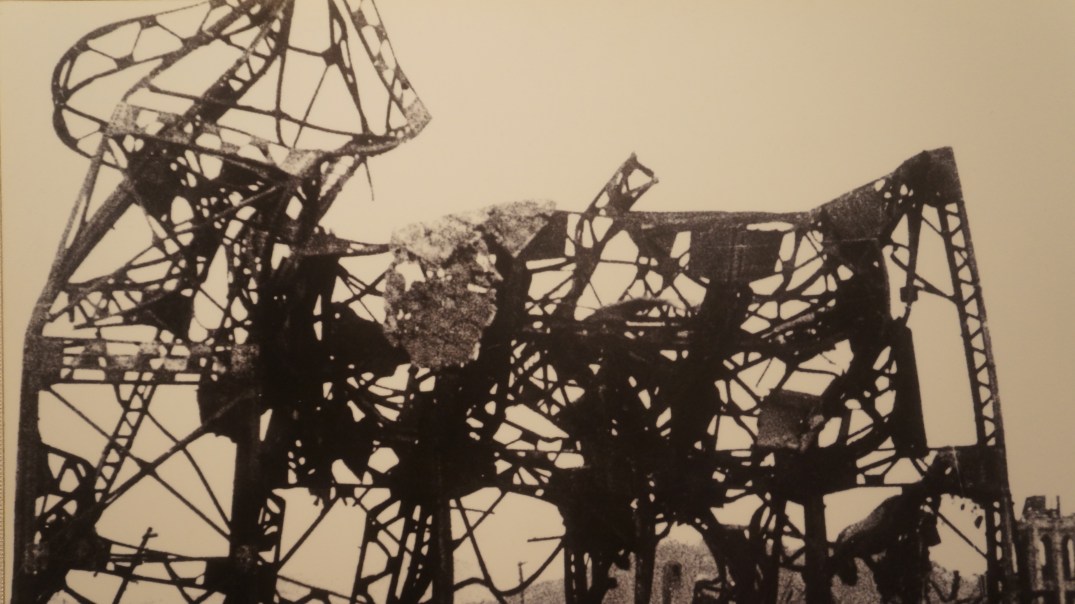
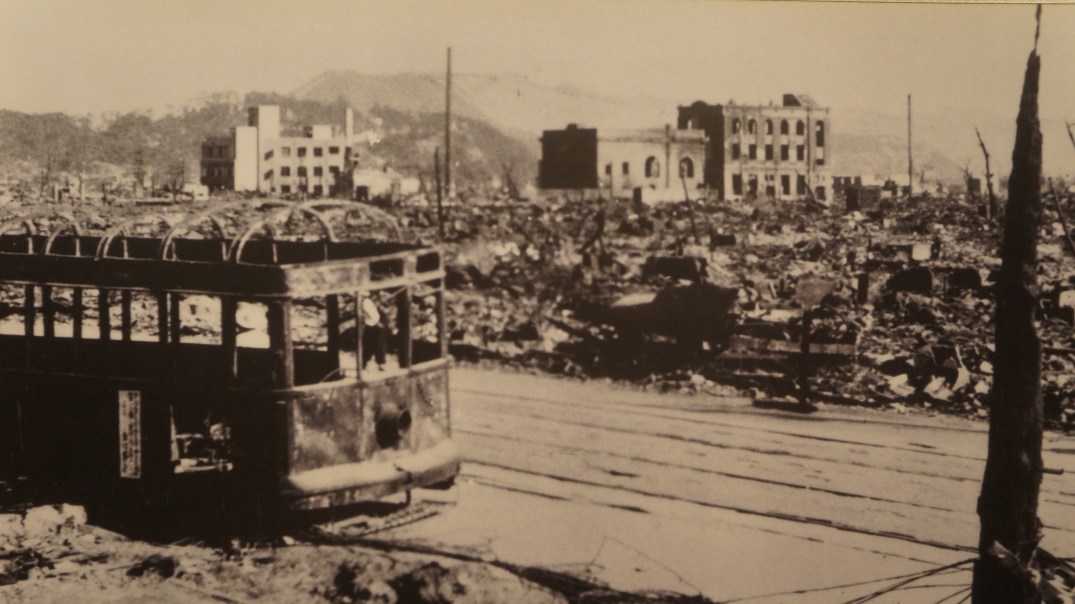
DSC06876DSC06875The Peace Memorial Park just outside the Museum had a dedicated section to the children who perished during the bombing. Thousands of colourful paper peace cranes, painstakingly folded and woven into Japanese kanji (or Chinese) characters symbolising Peace, dotted the Children’s Memorial Park. I stood in front of the Children’s Memorial, the statue of an angel, and said a silent prayer.

DSC06883DSC06887DSC06833DSC0689020141128_131112DSC0682720141128_132014DSC06845DSC06848DSC06849DSC06851DSC06854DSC06862DSC06871DSC06867DSC06877DSC06891DSC06893This year, Singapore celerbates 50 years of independence. On the same day 70 years ago, the Americans dropped a second atomic bomb, this time, on Nagasaki. If only you knew…   LS

20141128_125756

Czeching Out

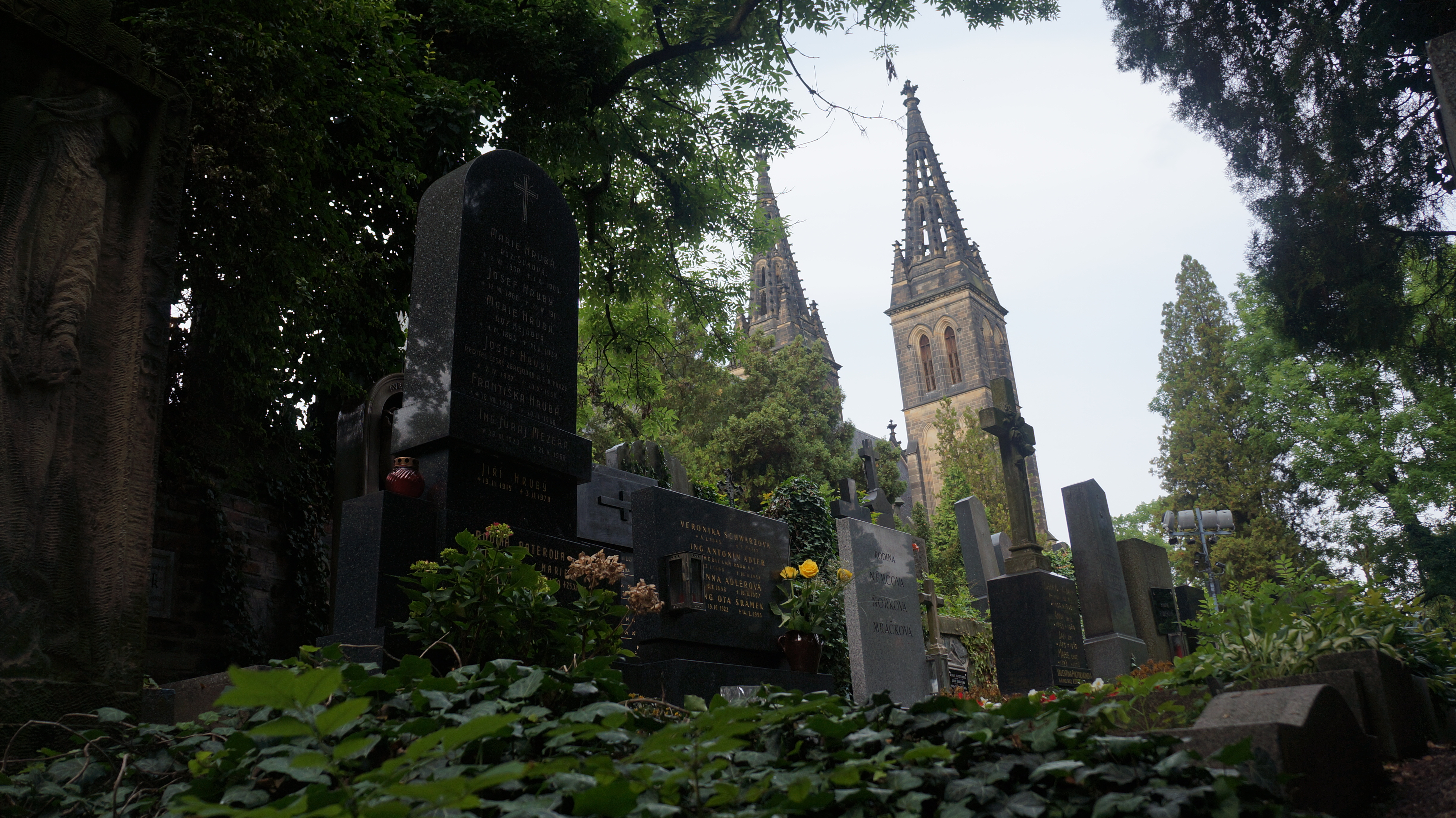
DSC00945Cemeteries may not be anyone’s idea of a “tourist attraction”. Unless of course, you are one of those paranormal investigators or enthusiasts. However, to me at least, cemeteries can be an ideal place for an early morning amble for some quiet contemplation. And so it was, on the morning before I departed for Warsaw, I reflected on some of my experiences in Prague over the last few days.

DSC00632Prague was beautiful, but not spectacular. Something happened on the bus on my way back from Prague Castle that left a sour aftertaste in my mouth, like leftover beer from last night’s party. You see, I was ‘cornered’ by what I believed to be one of those plain-clothes ticket frauds, who preyed on unsuspecting tourists and insisted that it’s mandatory EU law that you carry a valid EU ticket on public transport, subjected to a fine of 50 euros if violated. Under normal circumstances, that wouldn’t even bother me a wimp, but on that day, I just had to forget bringing my ticket day pass (I had absent-mindedly left the pass in another pair of jeans the previous day). Be warned.

On my overnighter from Prague to Warsaw, that incident weighed somewhat on my mind. It wasn’t really the money that bothered me. Sure, you could argue that 50 euros wasn’t a large amount anyway. But it’s the entire experience – the fact that I was defenceless and had no way to communicate or retort in the same language. Fortunately, except for a couple of chatty Polish (who disturbed my beauty sleep), the overnight train proved to be safe and sound (I’ve heard stories of missing luggage and thieving passengers). An overnighter was also not such a bad idea to see the rest of Czech Republic and even Slovakia. This time though, I made sure the train pass never left my sight.  LS

DSC00993 DSC01095 DSC00987_s

NEVER FORGET

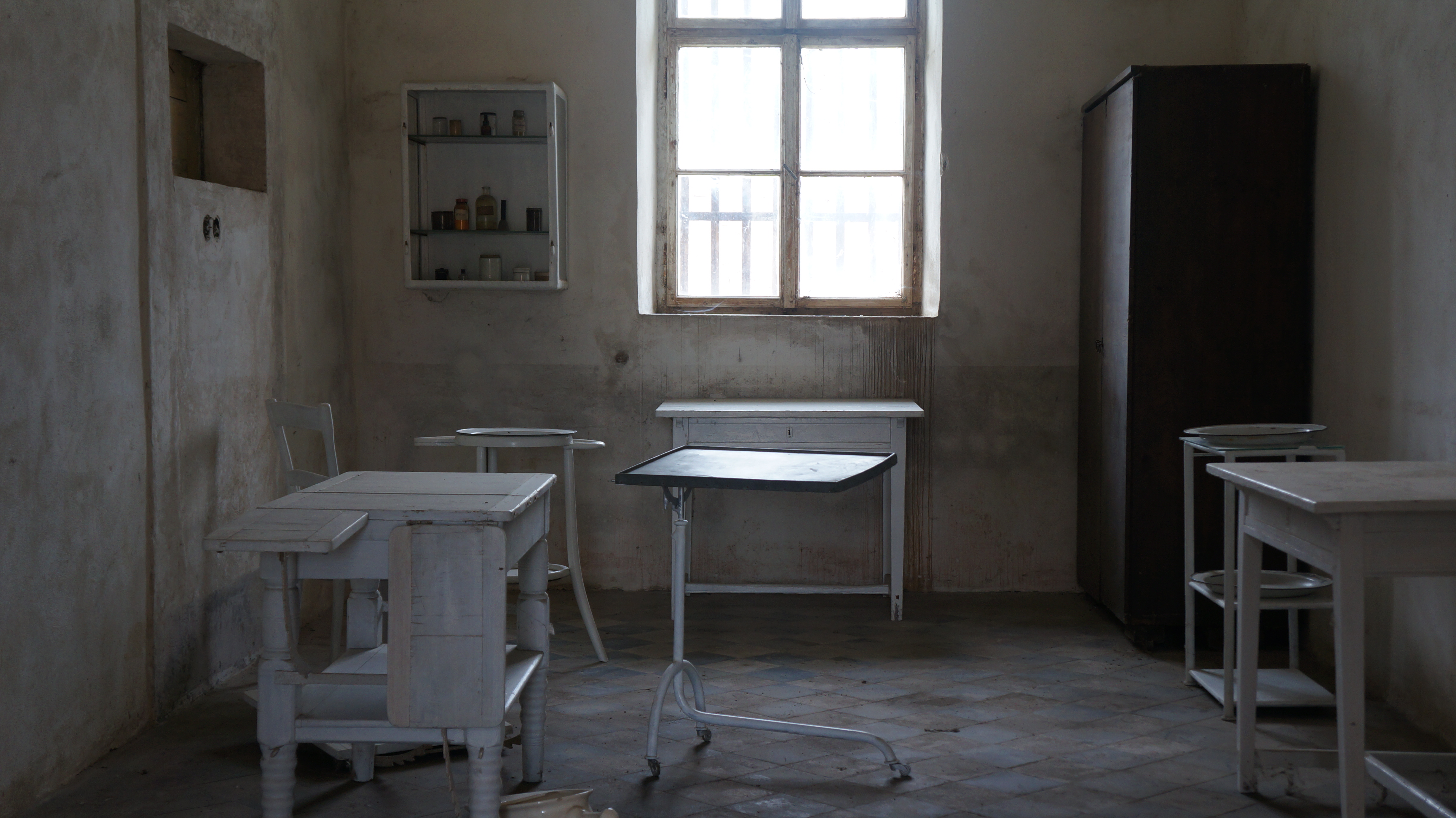
I never intended to visit Terezín. But the visit to Sachsenhausen a few days earlier had left such a deep impact on me that I figured I just might pull it off as a day trip from Prague.

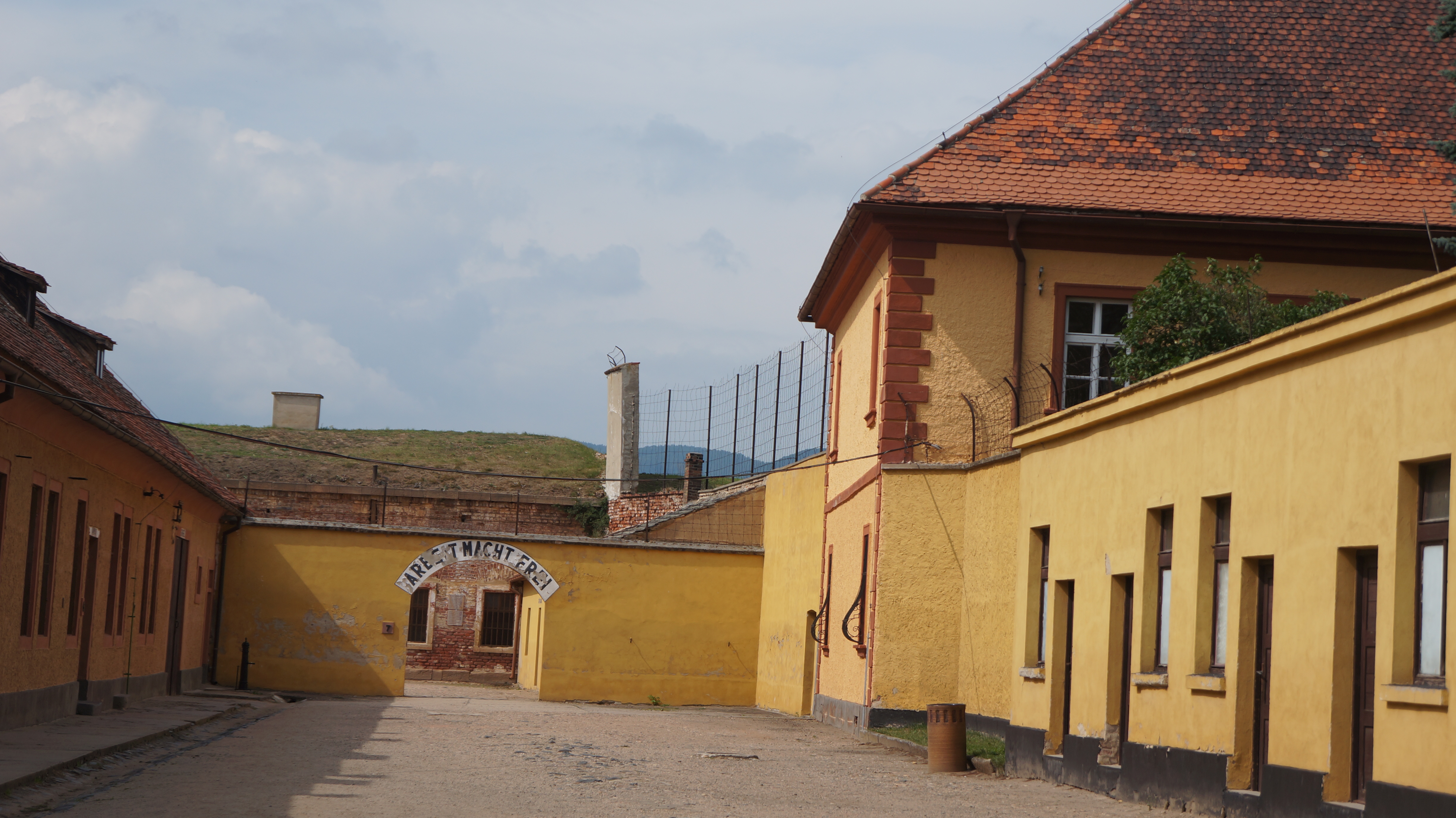
From the documentaries I’ve watched, I found out a little about Terezín or Theresienstadt (German). This was Hitler’s propaganda camp – where he attempted to convince the world that the Jews were being well looked after. In fact, he tried to present it as a “model Jewish settlement”. In reality, Terezín was like a “bus interchange” of sorts. Jews deported here from all over Europe were housed temporarily before being shipped off to other extermination camps like Auschwitz or Dachau.

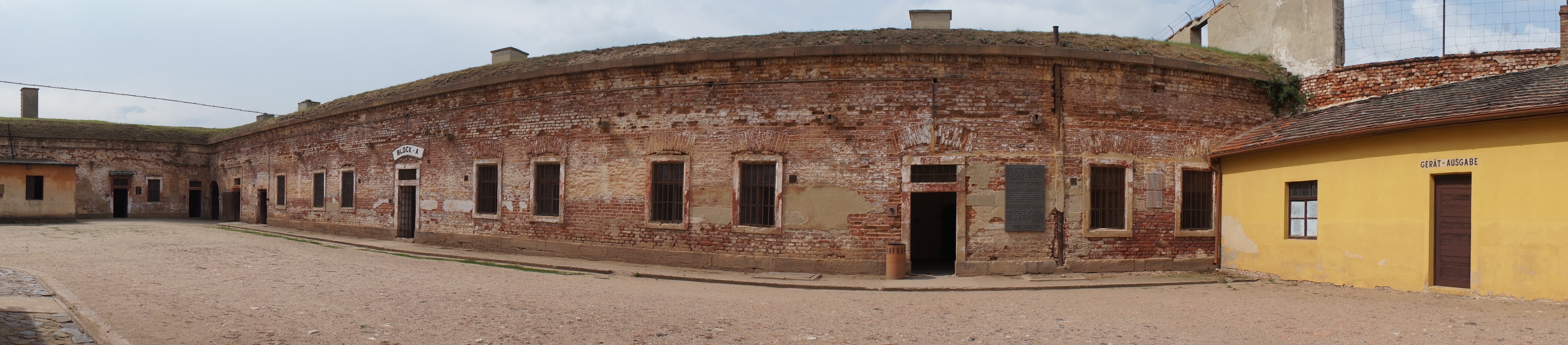
Today, unlike Auschwitz or Dachau, Terezín had not become a major tourist draw. On the day I visited, the place was deserted. Almost serene.

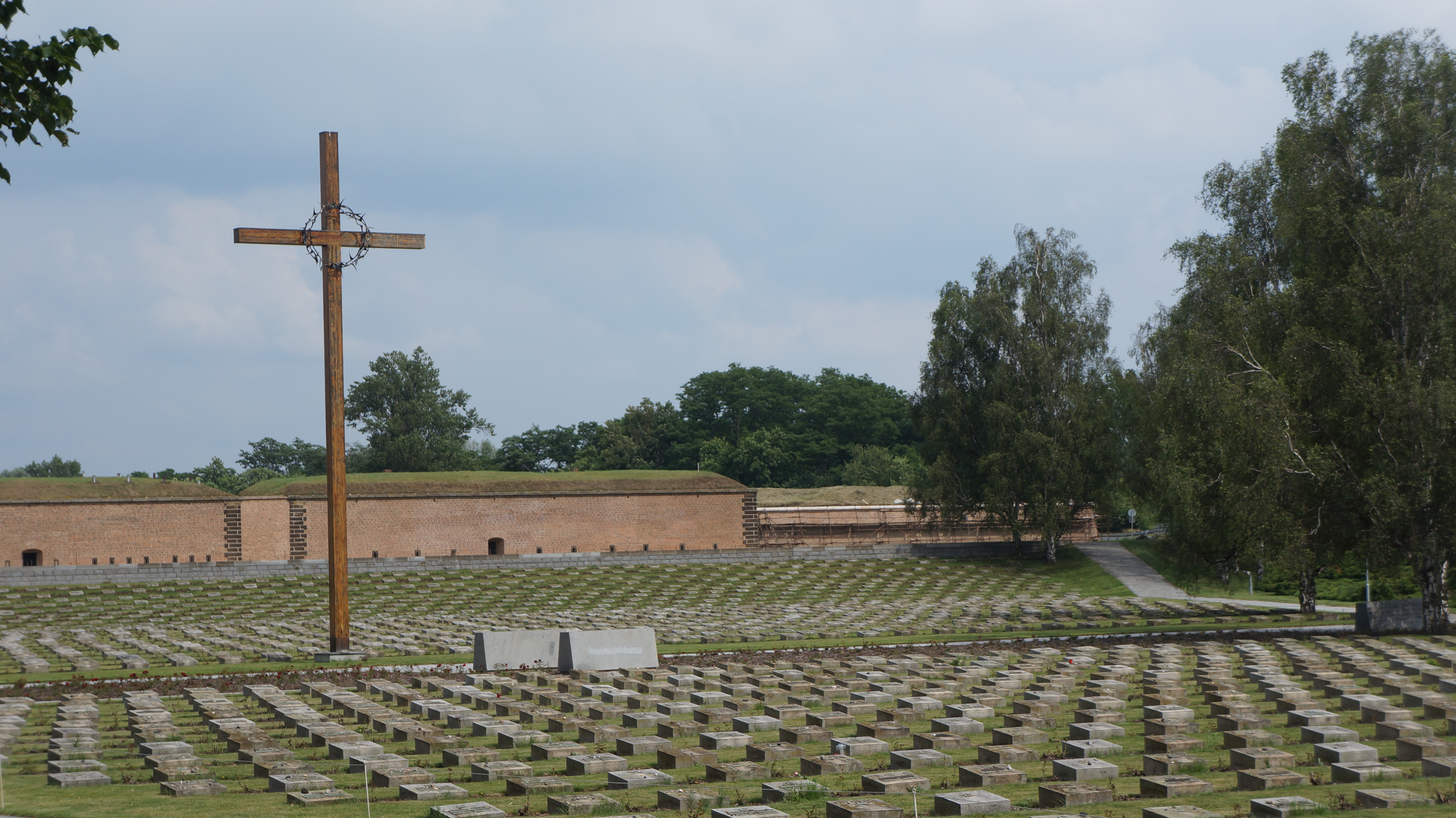
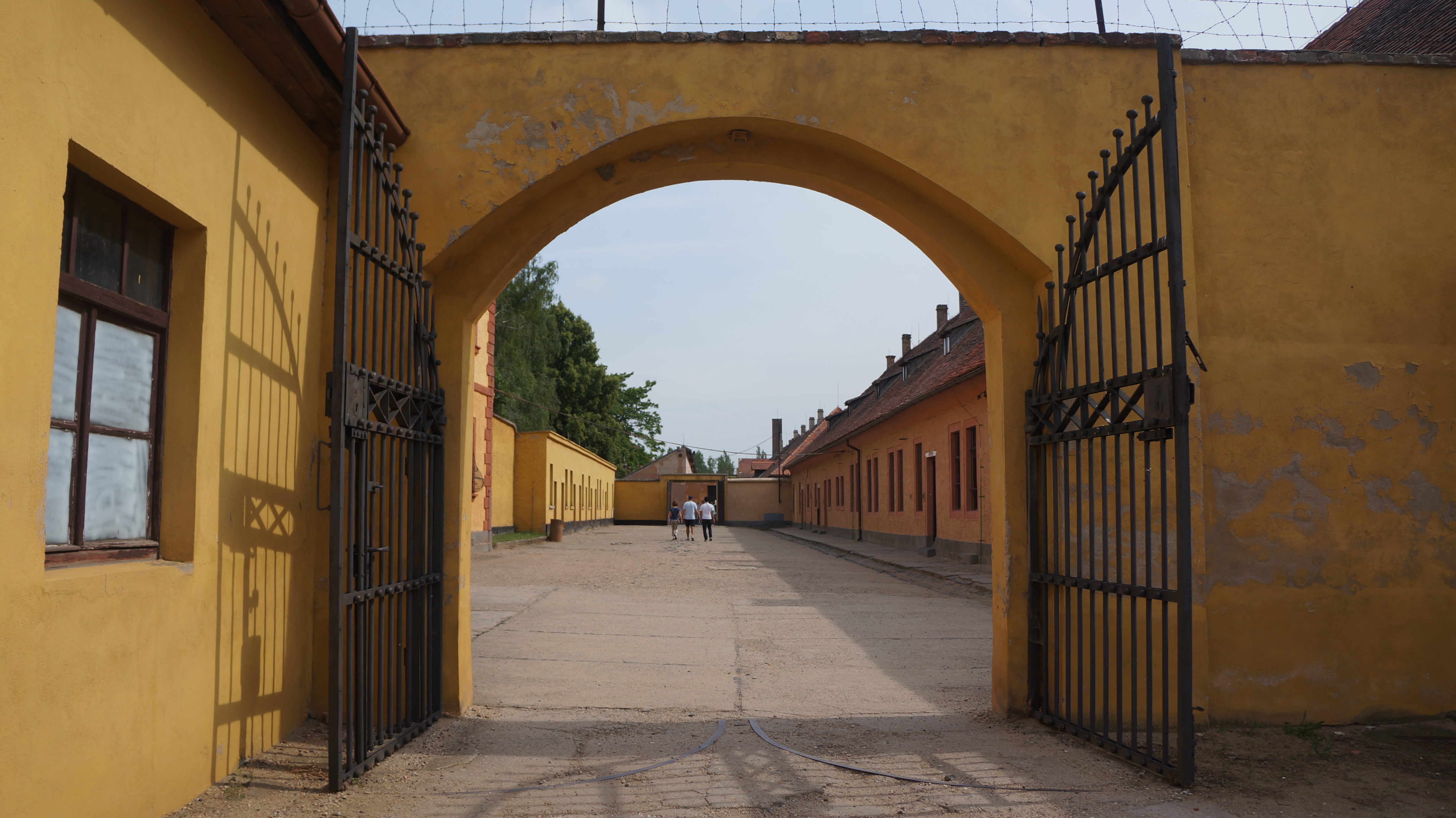
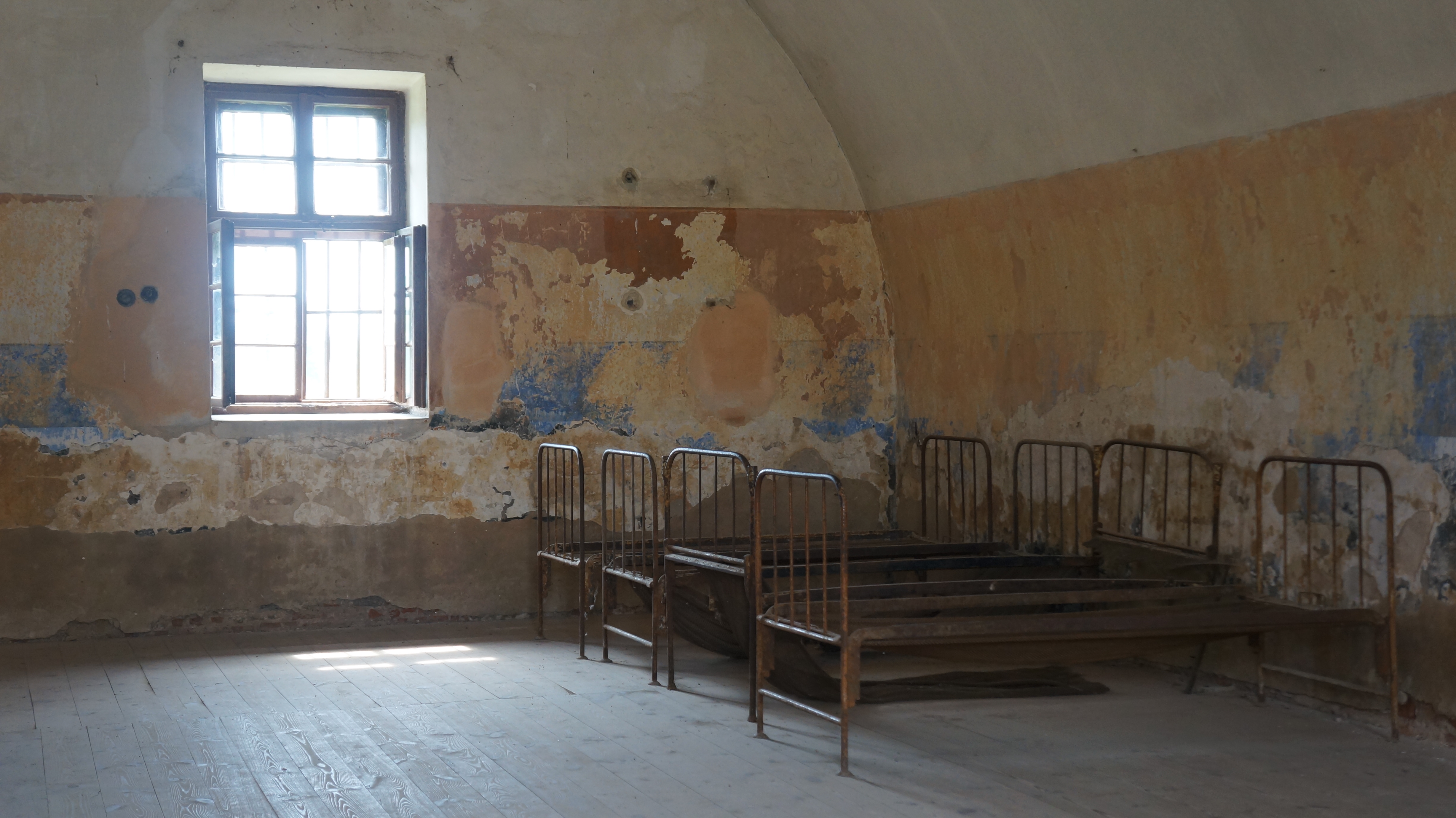
Terezín is about an hour’s bus ride from Holešovice train station in Prague. Constructed during the late 18th century on the orders of the Austrian emperor Jospeh II, the fortress of Terezín later served as a prison for military and political prisoners. After the Nazis marched into the former Czechoslovakia, they converted this red brick baroque fortress to house political prisoners. Later on, Terezín became known as an interim camp for Jews en route to other extermination camps in Europe.

It was estimated that approximately 144,000 Jews had been sent to Terezín. Of these, more than 60 per cent were transferred to Auschwitz and other camps. The remaining died in Terezín.

DSC01004Visitors to Terezín are greeted by an imposing church that stands in the middle of a large field. Inside the Jewish Museum Ghetta (just opposite the bus stop where I alighted), the image of this church was replicated in thousands of children’s sketches and crayon drawings on the walls of the Jewish Museum. Almost all these children had later been deported to Auschwitz and straight to the gas chambers.

I was not allowed to take any pictures here. But I will never forget those haunting images.   LS

DSC01015 DSC01025 DSC01054 DSC01037 DSC01047 DSC01046 DSC01039 DSC01036 DSC01049 DSC01070DSC01067DSC01077 DSC01078 DSC01044

Where Doing Nothing Is Everything

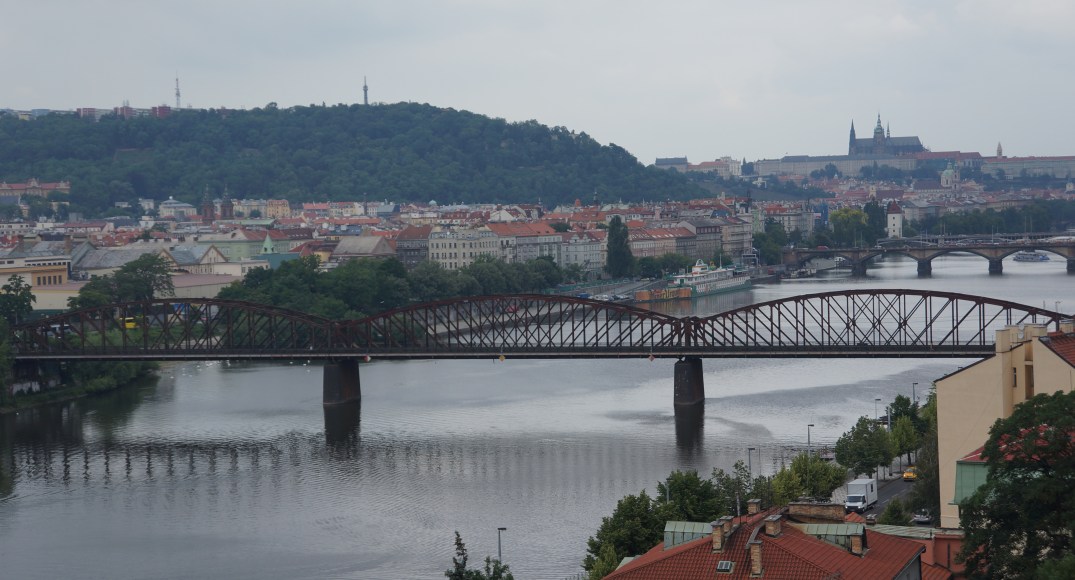
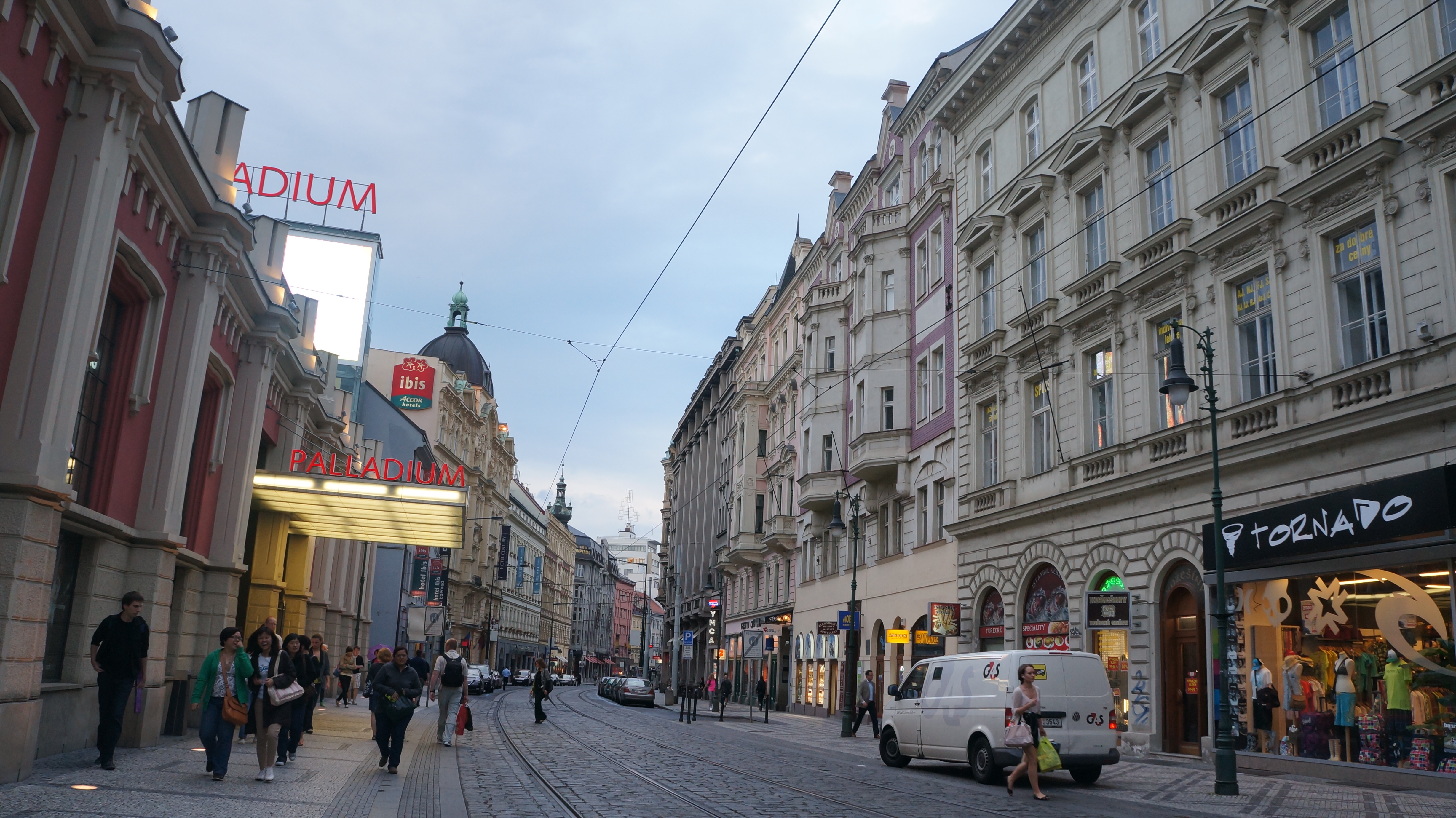
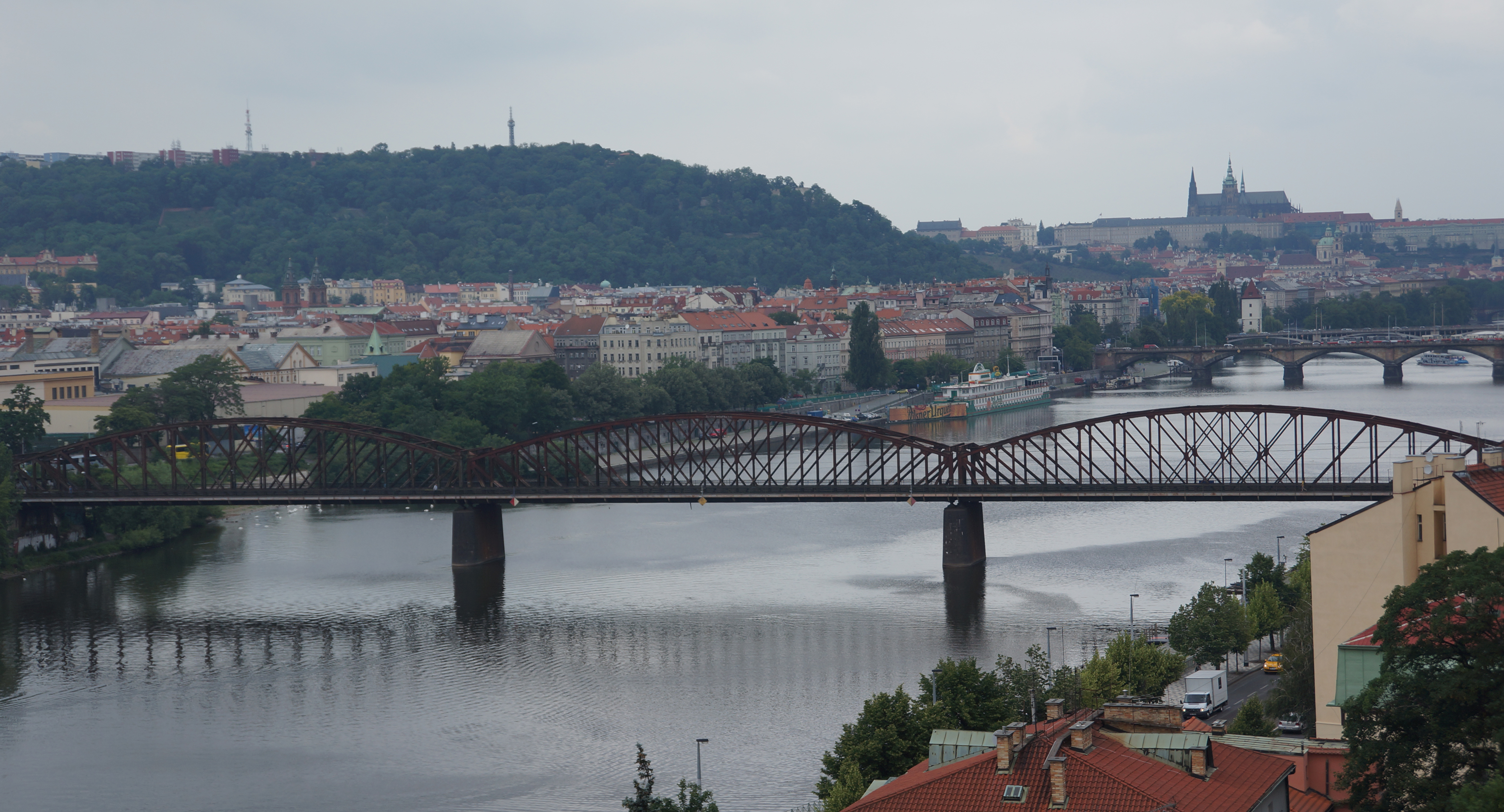
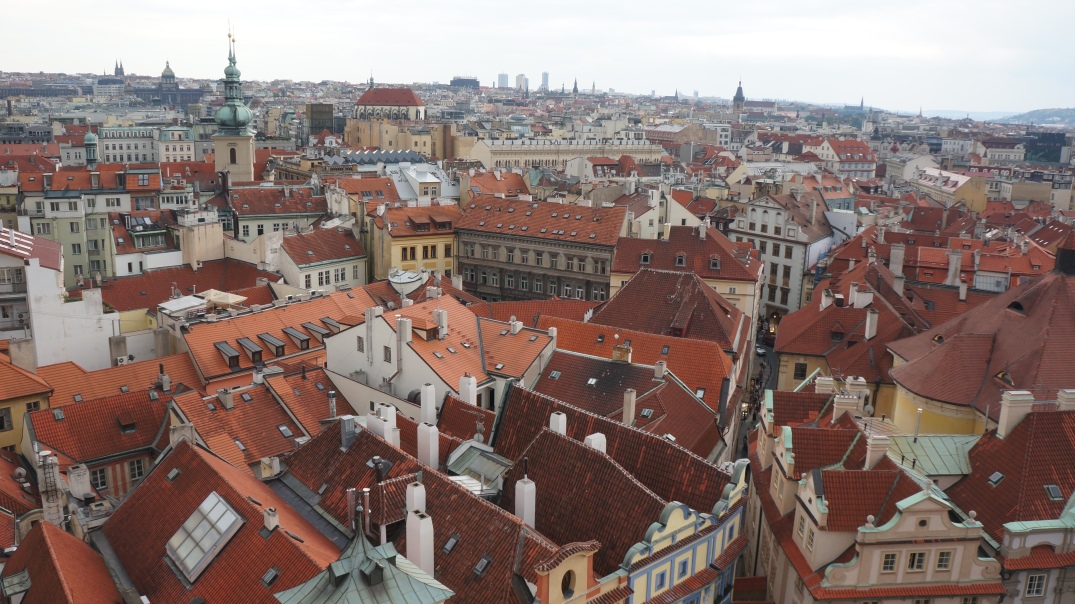
There are many things you can do in Prague. But then again, you can also do nothing. Because wandering the cobbled streets of the Staré Město (or Old Town), sipping locally brewed Czech lager (and I’m not referring to Pilsner) at Holešovice or just sitting along the banks of the Vltava at sunset are some of the most effortless (yet ‘productive’) ways to appreciate this charming city.

DSC00558Prague may have lived past its post-Velvet Revolution tag of the “Paris of the East”. Tourist arrivals since the turn of the century have driven up living standards and costs, and made this once affordable city on par with its more illustrious West European neighbours. However, these have done little to diminish the city’s allure. Even on a weekday, Prague Castle and Charles Bridge are swarmed with visitors from an international potpourri.

DSC00898Thankfully, there are pockets of Prague to call your own. And you can find them in the less crowded neighbourhoods of Vinohrady and Vršovice, or the rustic back alleys of Provaznická and Karlin. But if you desire to do nothing, just pick a good spot in one of the many alfresco restaurants at Malá Strana (or the ‘Little Quarter’) and watch the world go by, with a Pilsner.  LS
DSC00583DSC00561DSC00512_pDSC00610 DSC00624 DSC00678DSC00744DSC00944DSC00982DSC00911DSC00668

Jewel on the Elbe

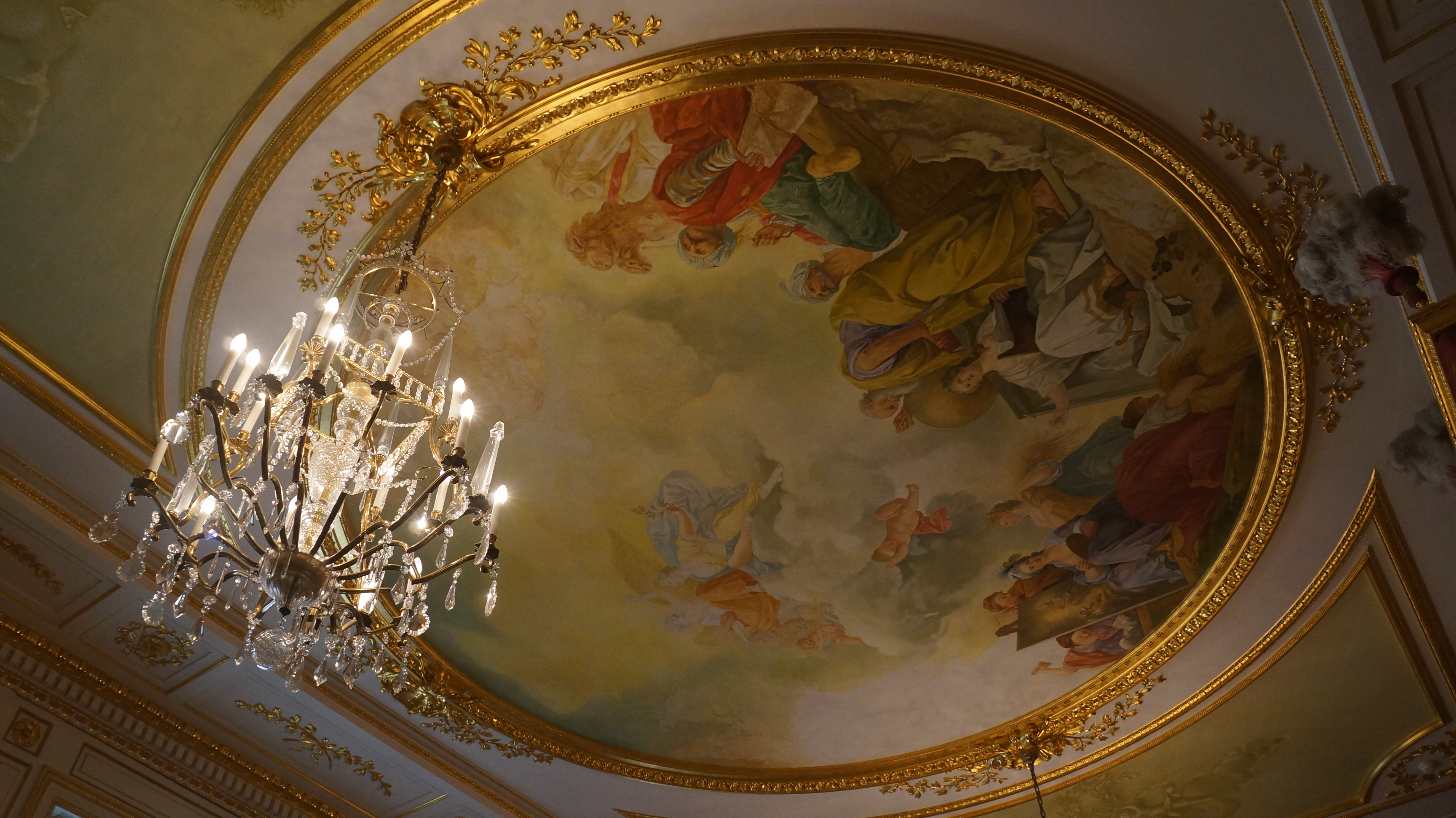
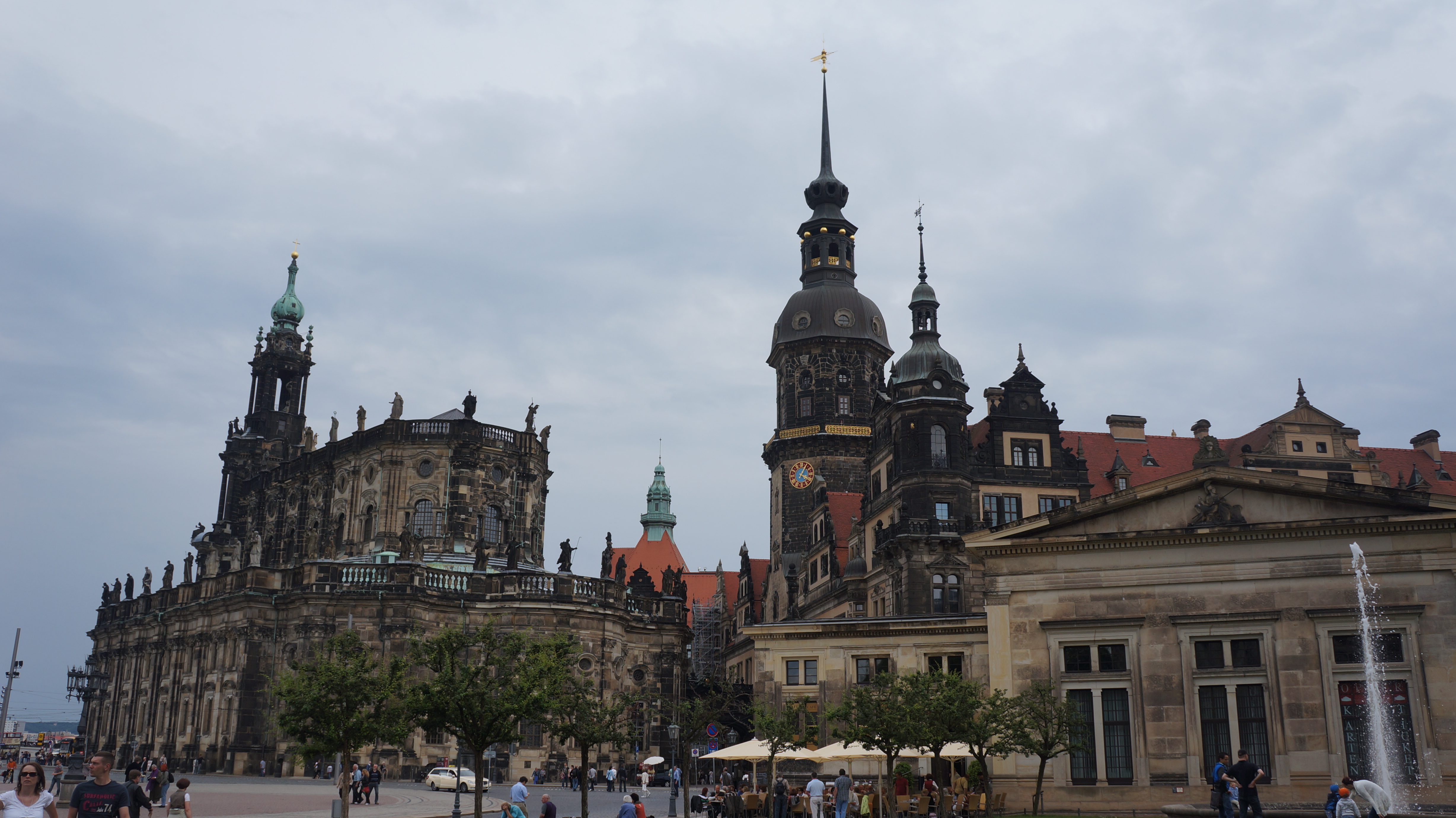
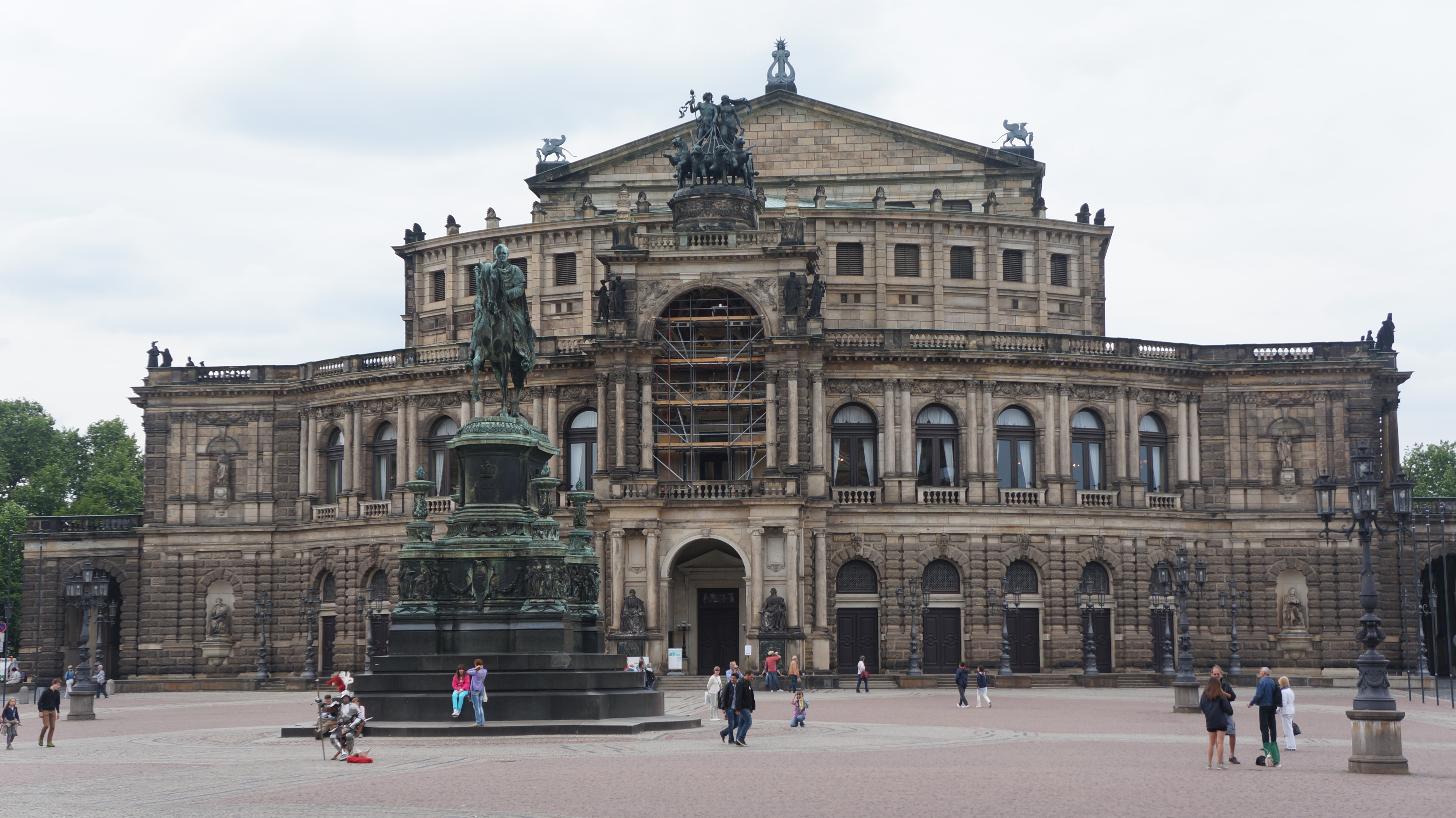
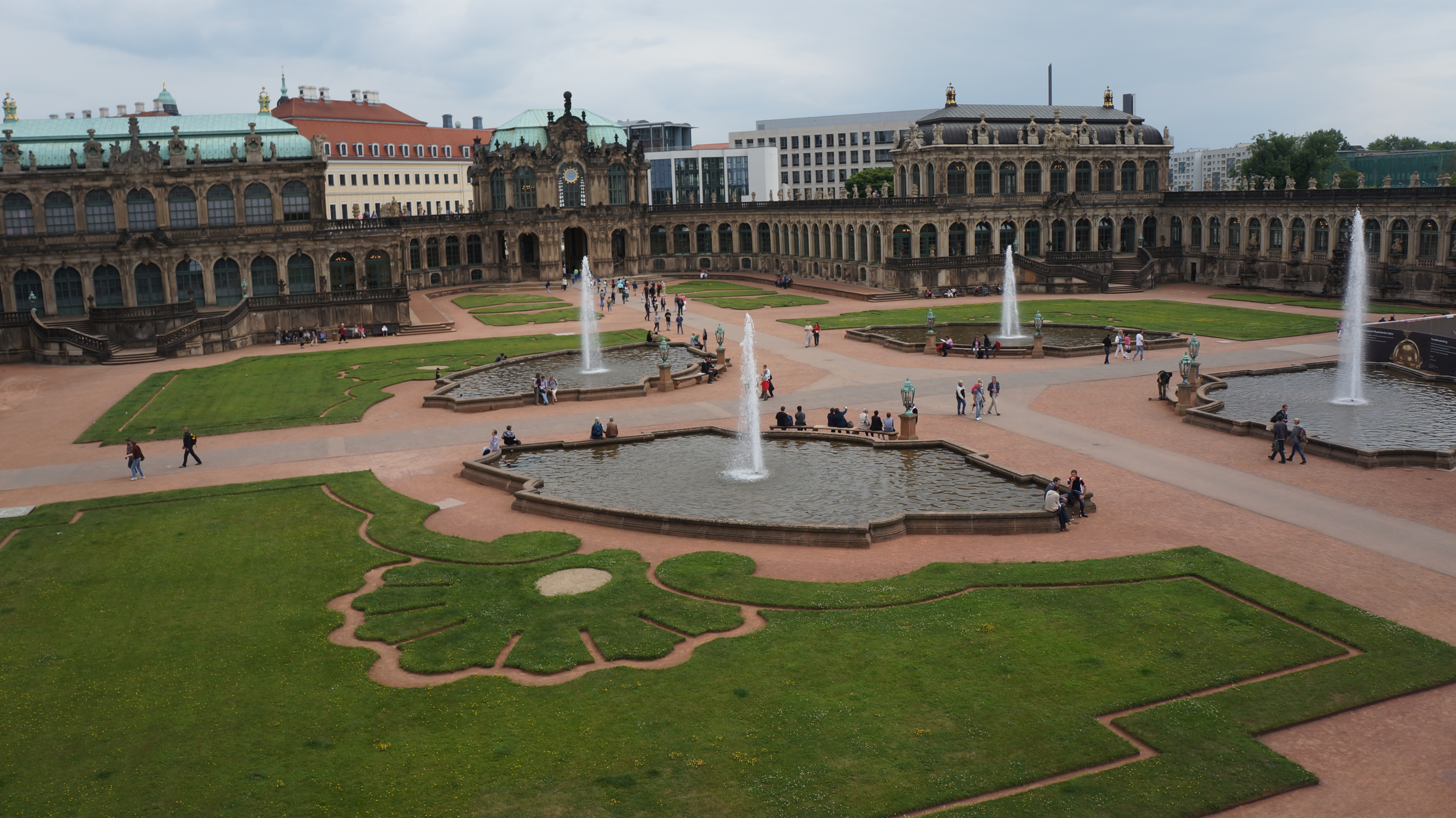
DSC00354Almost entirely flattened by the Allied bombing raids in 1945, this Baroque jewel along the banks of the Elbe has risen from the ashes to become one of Europe’s most charming cities. Compact enough to explore on foot, Dresden makes for an easy day trip out of Berlin, or a quick stopover en route to Prague.

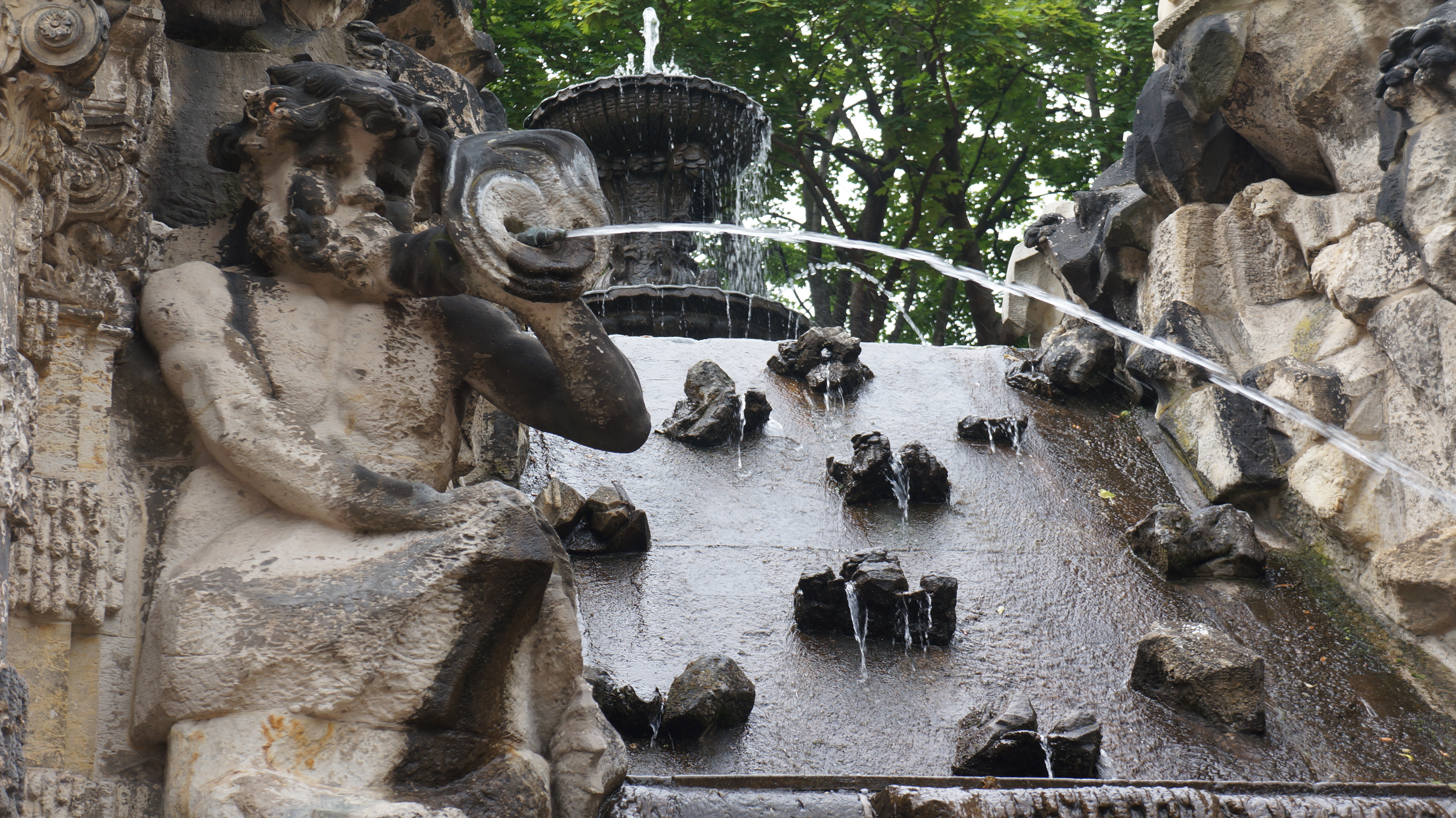
Do not expect a lot of fanfare or a vibrant nightlife though. The best way to appreciate Dresden is take it slow and let yourself be immersed in the arts, music and architecture – whether in the Zwinger Palace, the Frauenkirche and the Semperoper. Here, you can find works by Raphael, Titian, Botticelli, Rubens, Van Dyck, Rembrandt, Giorgione, Vermeer, van Eyck, Veronese… In other words, Dresden is an art fanatic’s debauchery tea party!

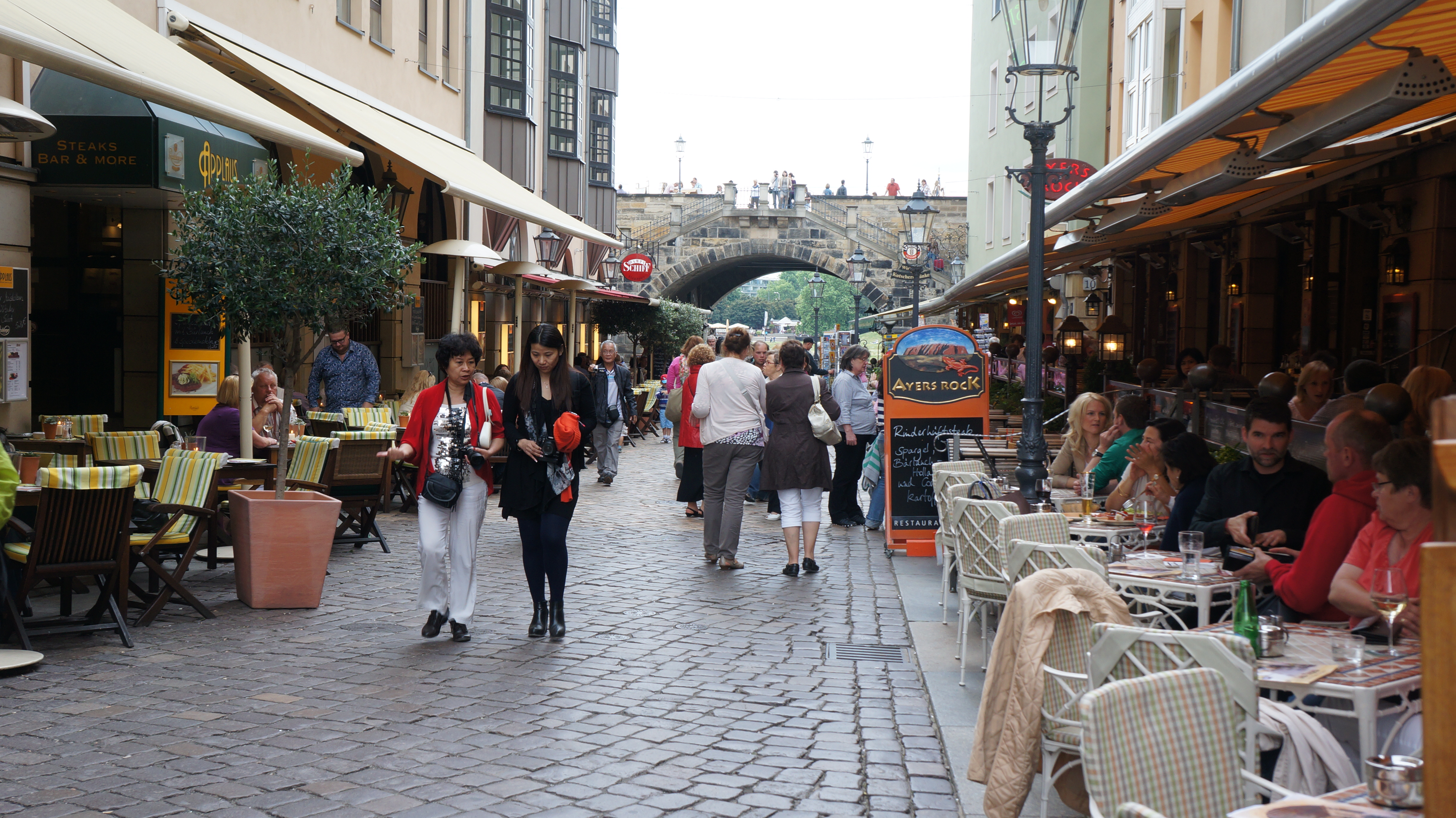
Spend an afternoon with a book and coffee (or just people-watch) on the Brühlsche Terrasse. It’s easy to appreciate why this city bags the moniker of “Florence of the North”. Dresden is a feast for the eyes and soul. And after you’ve had your fill of the cultural spirit, it’s time to head to Altmarkt (Old Market) to satiate more earthly pleasures – and I mean, your stomach.  LS
DSC00279 DSC00284DSC00271 DSC00274

DSC00273 DSC00334 DSC00344 DSC00327DSC00362DSC00360DSC00316 DSC00363 DSC00255 DSC00402DSC00303

A Bungling Makeover

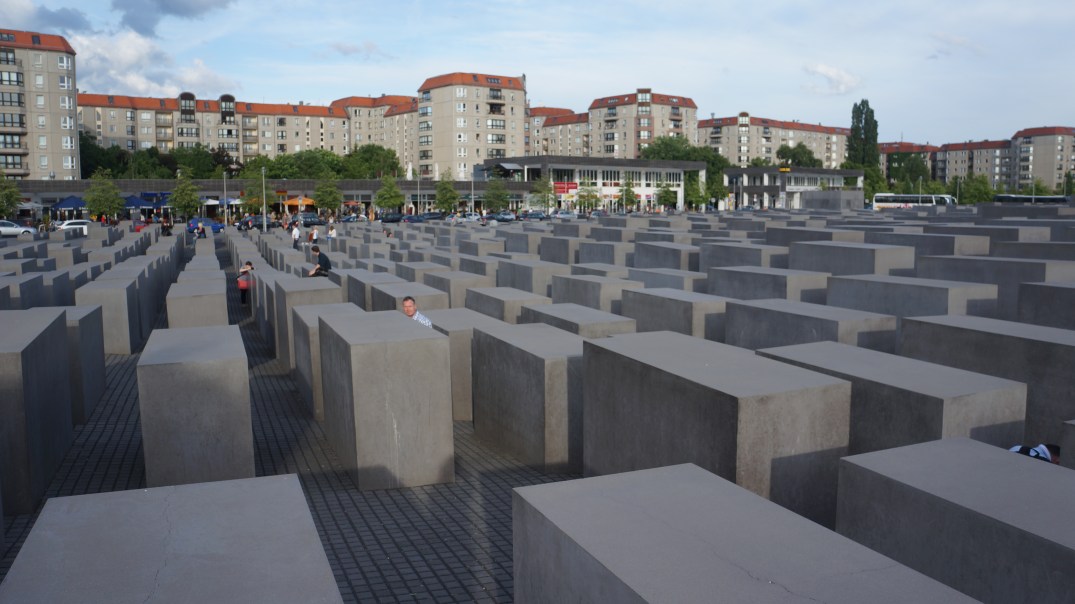
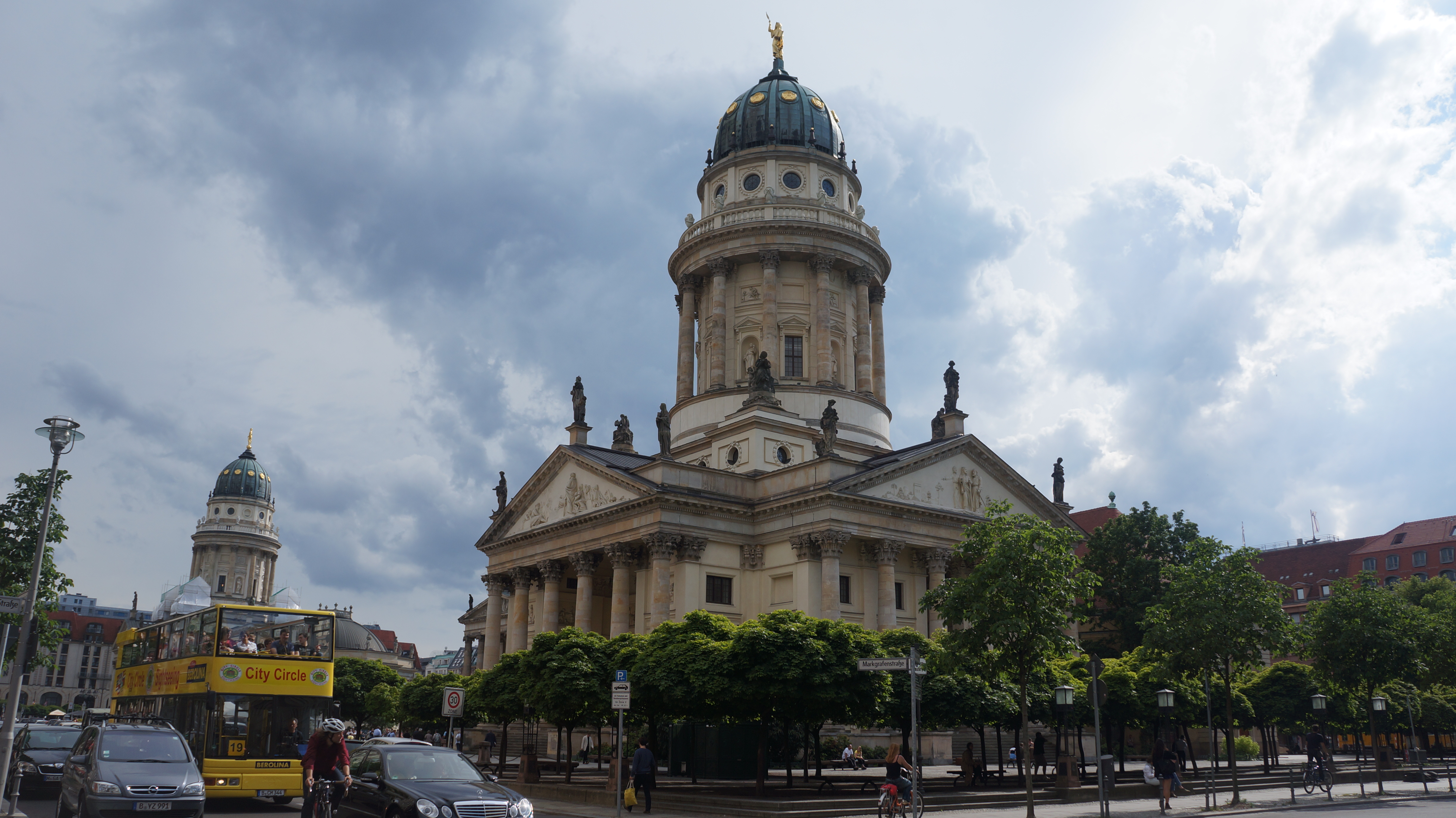
You don’t need to remind Berliners of their dark past during the Second World War or of Adolf Hitler and Nazi Germany – because these reminders are scattered all around Berlin. The city is chock full of these poignant epitaphs. Interestingly though, these are the same reasons why tourists are drawn to this historic city built out of swampland. A wave of optimism now surrounds Berlin as numerous construction projects are transforming the city.

The greatest transformation, though, is in the arts and entertainment scene. The city’s clubbing scene draws exuberant crowds from all over Europe. On the streets, artists / artisans are a thriving (and blooming) species in Berlin, and the streets are their open canvas.

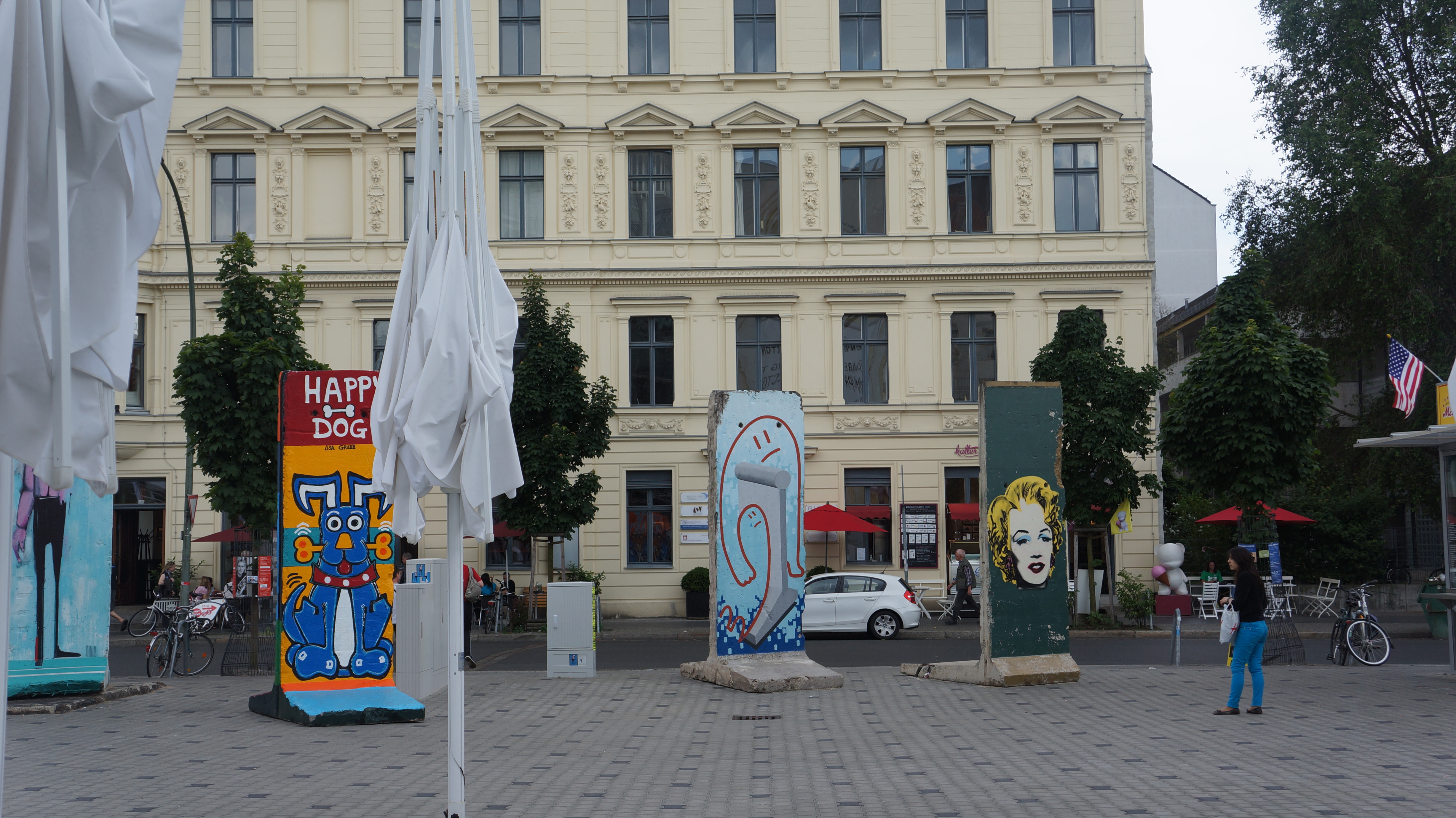
Along certain sections of what remains of the infamous Wall, the government is having a hard time trying to preserve a historical blight (a major tourist draw) that Berliners from both sides zealously sought to tear down a little more than a quarter century ago. Desperate to shed its post-war shackles, Berliners have indeed come a long way. Today’s Berliners are progressive, liberal and they know how to have fun!

However, the city’s ever-evolving physical landscape seems to be struggling to keep pace with its cultural evolution. As we speak, the new Berlin Brandenburg Airport – intended to replace both the Schönefeld and Tegel Airport – has become somewhat of a misnomer for German efficiency. Plagued by numerous delays, poor planning and mismanagement, the airport’s opening has been pushed back to 2018 or 2019 from its original schedule of 2010. Until the afore-mentioned construction projects are completed, these now serve more as distractions than attractions. Berlin can best be described as a “city in transition”.  LS

DSC00037a DSC00056 DSC00044DSC00082DSC00091DSC00067 DSC00088DSC00070IMG_5481DSC00108DSC00106

More Chinese Than China

Forget the Great Wall of China, or the Forbidden City if you want to trace the ancestry of the Chinese race. These UNESCO World Heritage sites may have been legacies of the Ming dynasty (1368 – 1644 AD), often referred to as the greatest era of Han Chinese rule. However, do you know that much of ancient Chinese traditions and culture from the Tang dynasty (also known as the Golden Age of Chinese civilisation) reside in the Korean peninsula today? That’s a good 750 years before the Ming dynasty.

During the Three Kingdoms era of Baekje (백제), Goguryeo  (고구려) and Silla (신라), which pre-dates even the Tang dynasty, Buddhist and Confucian philosophies have become deeply entrenched in Korean society. The Tang dynasty, in particular, made Korea a vassal state during its reign. The Chinese written script was the de facto mode of communication and language until King Sejong (세종) the Great introduced the hangeul  (한글)  –  the script that you see in modern day Korea  – in 1446. Even then, much of the vocabulary had been preserved from an original Tang Chinese vernacular in hangeul.

Today, all Koreans still have two versions of their name – a hangeul version and one written using Tang Chinese script. Confucian traditions and rituals, including funeral and ancestral worship rites, are still religiously practiced and propagated in many Korean families, down to the very last detail. On the other hand, Confucian philosophies have almost disappeared from modern Chinese society, except perhaps in some of the less developed regions in China. No wonder the Koreans often refer to their country as Dae Han Min Guk (대한만국) – which literally translates to “The Great Han Nation”.  Indeed!   LS

DSC06372 DSC04689 DSC04644 DSC04649 DSC04648DSC04690DSC04635DSC06378DSC04626DSC04632DSC06387DSC06375DSC04708DSC04679DSC04710DSC06382DSC06464DSC04666

Jeju | When Nature Calls

Seogwipo (서귀포) is a mistake. Unless your idea of a holiday in Jeju (제주) is to stay in a five-star luxury resort and romp around kinky sex dioramas. Because you had really come here to soak in Jeju’s natural beauty. And that makes Seogwipo a mistake because Jeju’s “upmarket” area also happens to be furthest away from Jeju’s most captivating sights.

Subscribe to get access

Read more of this content when you subscribe today.