Have Beer, Will Travel

DSC08607One of the first things I penned down on my bucket list when doing my research on Sapporo was the Sapporo Beer Museum (札幌ビール博物館) and the Sapporo Factory (サッポロファクトリー). I’ve always enjoyed Japanese beer, and in particular, Sapporo (I prefer this over Asahi or Kirin). So how could I not make a pilgrimage to the Holy Grail when I am in Sapporo?

Let’s cut to the brew. To be honest, if time is of the essence for you in Sapporo, I suggest you can safely give both destinations a miss. I hear a gasp…

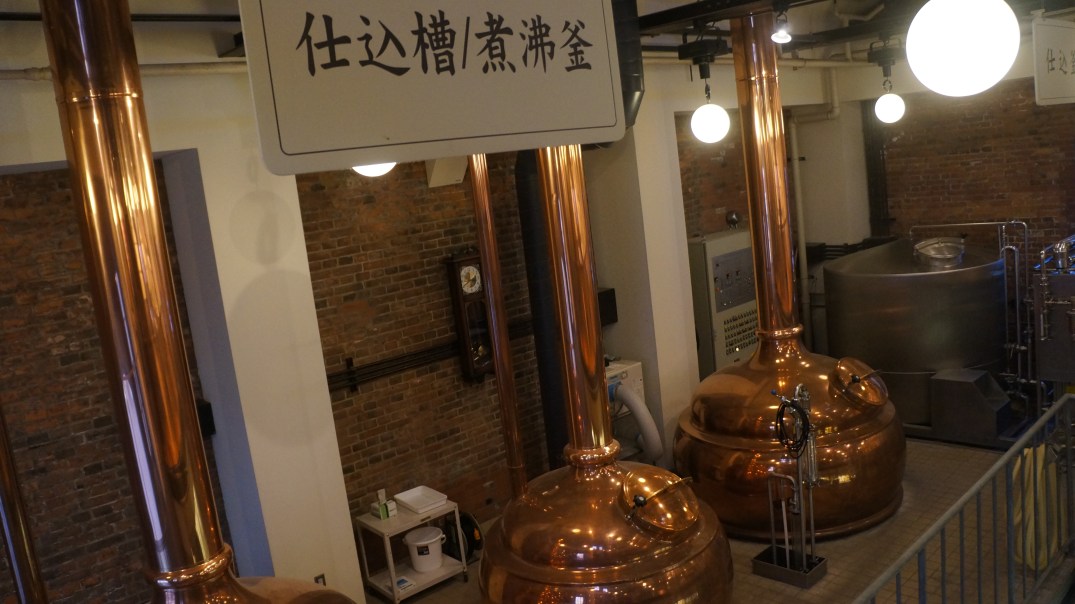
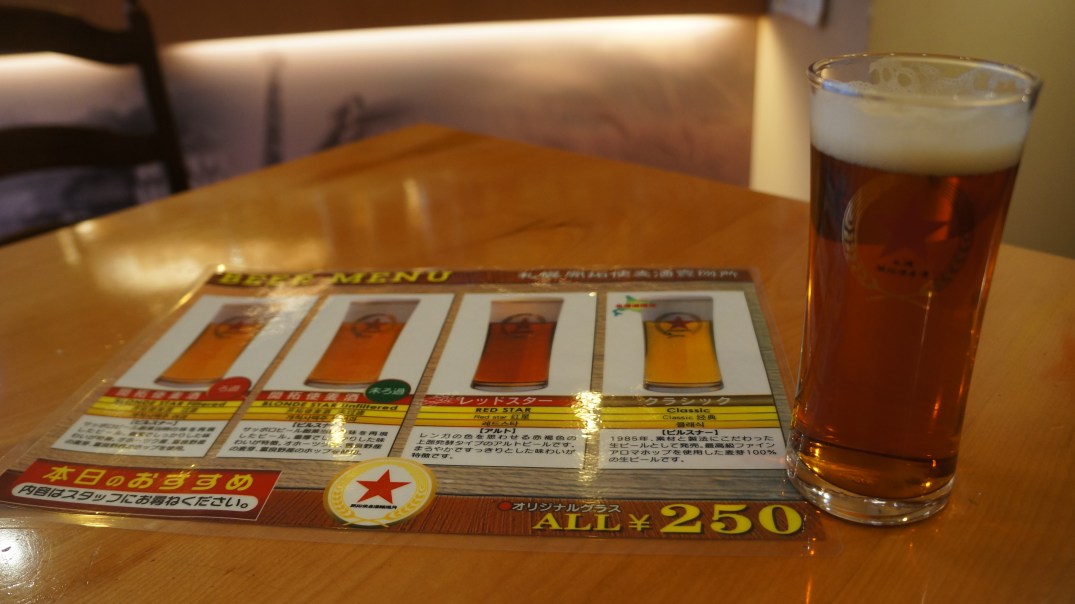
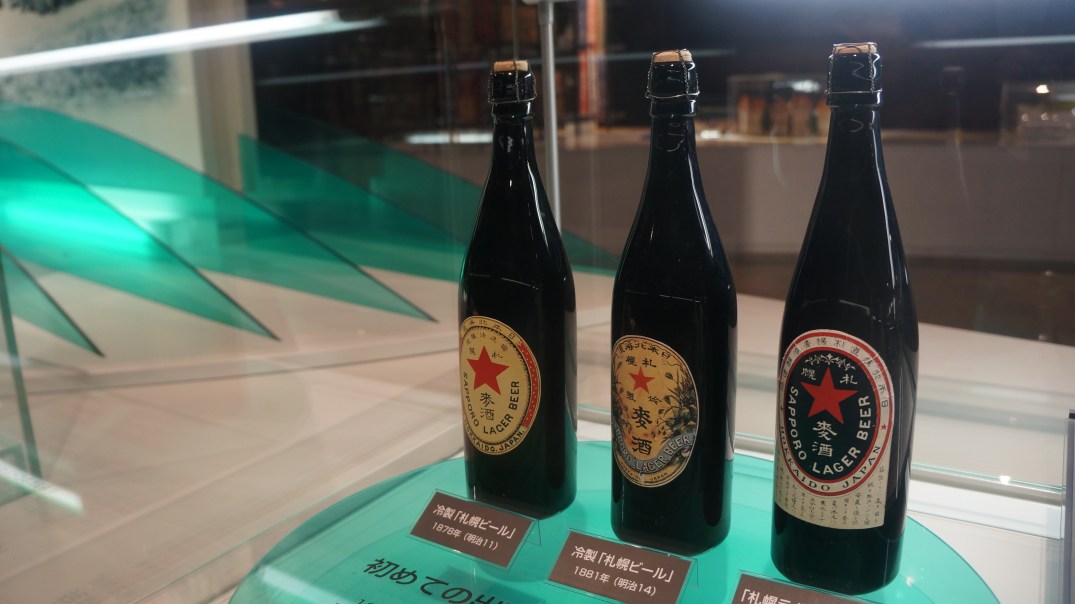
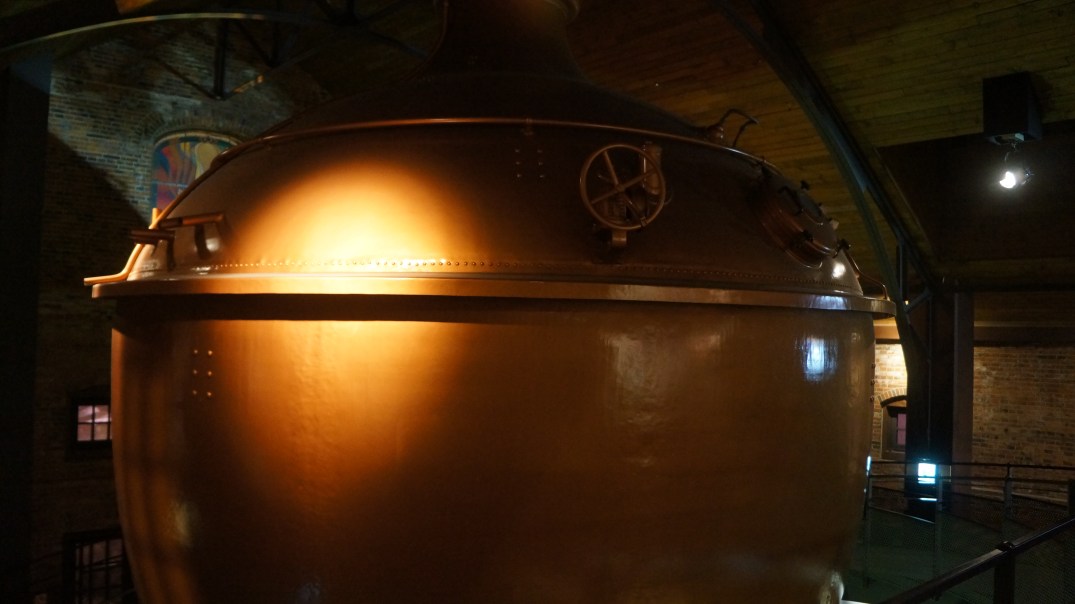
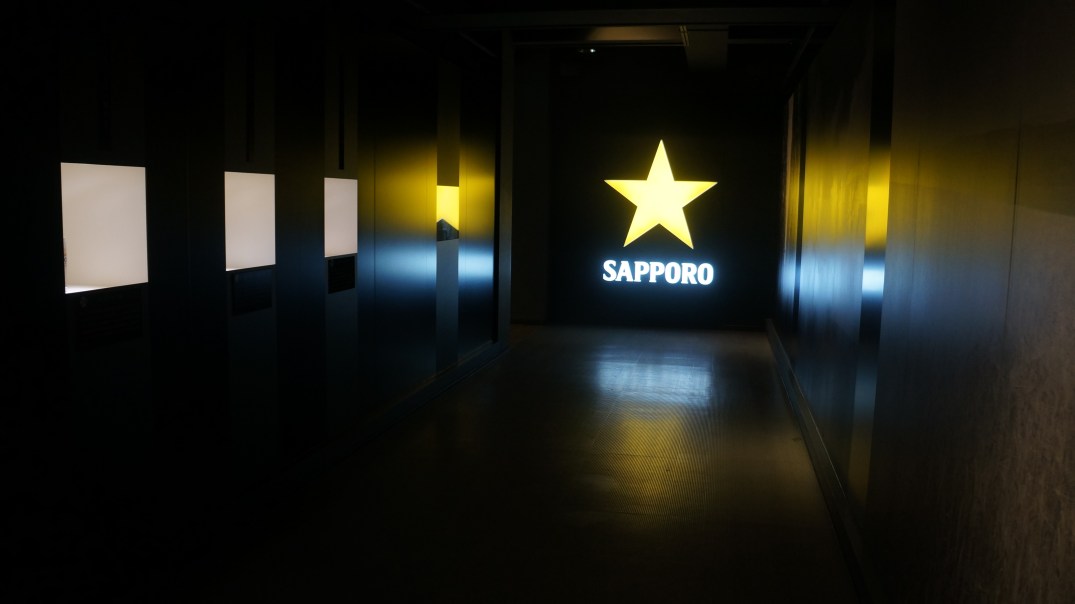
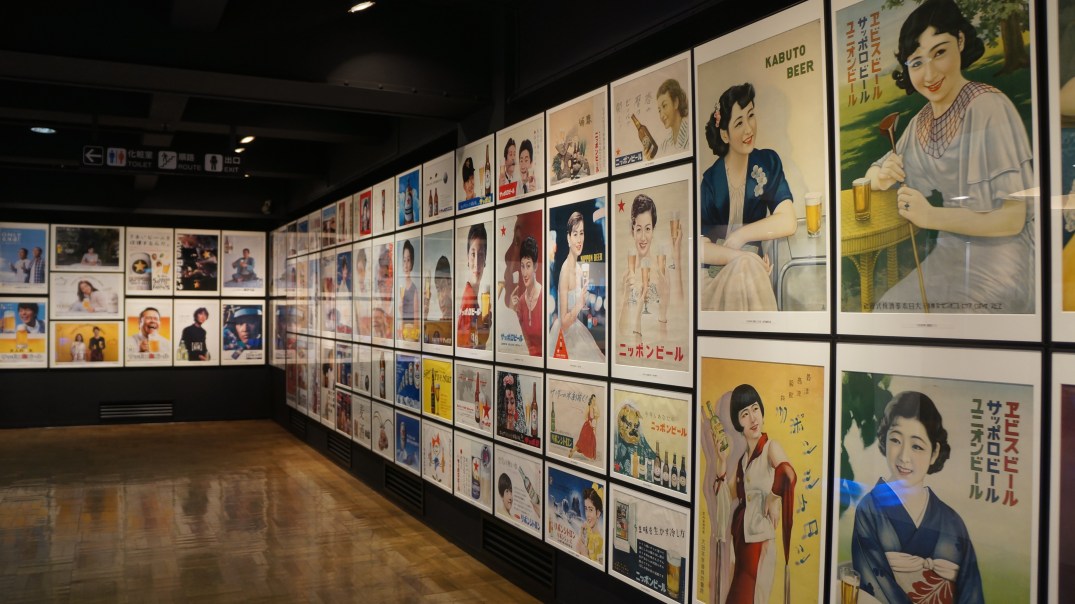
Yes I mean it! As much as I fancy a tipple from the sacred shrine, I would have to admit that besides the beer tasting (which you can actually experience without a tour of the museum), both destinations do not offer a truly interactive experience.DSC08610DSC08613 Take the Sapporo Factory for example. This former brewery is now a shopping centre, restaurant complex and tourist trinkets trap. The only reason I spent a good hour there – there’s a small tasting room at the corner of a miniscule “exhibition room” where you can taste 6 different kinds of Sapporo Beer for 250 yen each for half a pint.DSC08621DSC08605DSC08608Next, the Sapporo Beer Museum (札幌ビール博物館). It’s a shuttle bus ride from the Factory. The architecture is strangely European and the distinctive Sapporo red star that adorns every steeple and roof kind of reminds you of the former communist Soviet Union (or is it just me?)DSC08720Inside the Museum, there’s two floors of exhibits – both of which took me less than 5 minutes each. The exhibits cover the history of Sapporo Brewery and a special tribute to their bestselling Black Label. I would have preferred a more interactive experience, but sadly, the exhibits are mainly posters and Sapporo beer bottles from the different eras.DSC08647DSC08631Now if you have time, the beer tasting is the real deal. And the best part, you get to sample 3 half-pints of different Sapporo beers at a grand total of 500 yen. This almost makes the earlier price tag of 250 yen per half pint offered at the Factory seem exorbitant. In addition to the beer tasting, there’s an interesting souvenir shop where you can purchase beer flavoured chocolates, beer flavoured cookies, beer flavoured anything… Cheers to that!  LSDSC08724DSC08733DSC08621DSC08637DSC08640DSC08644DSC08602
In Search of A View

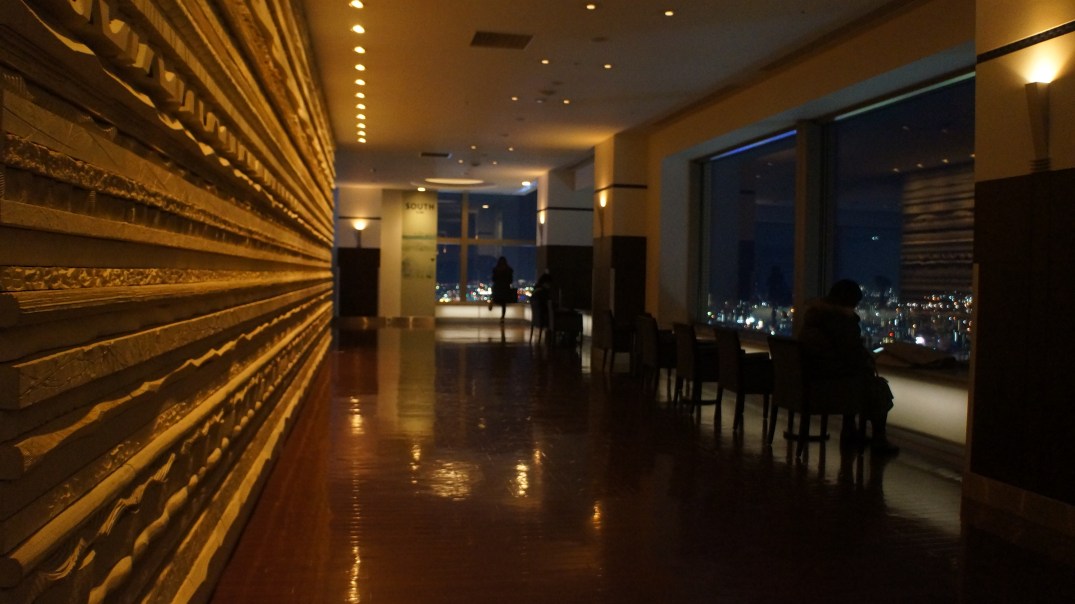
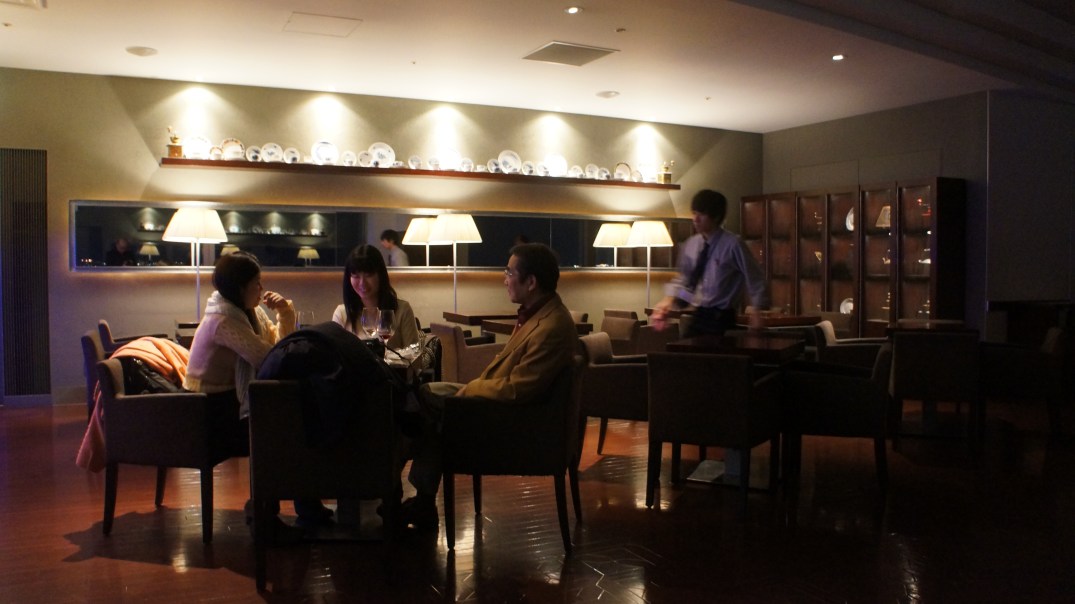
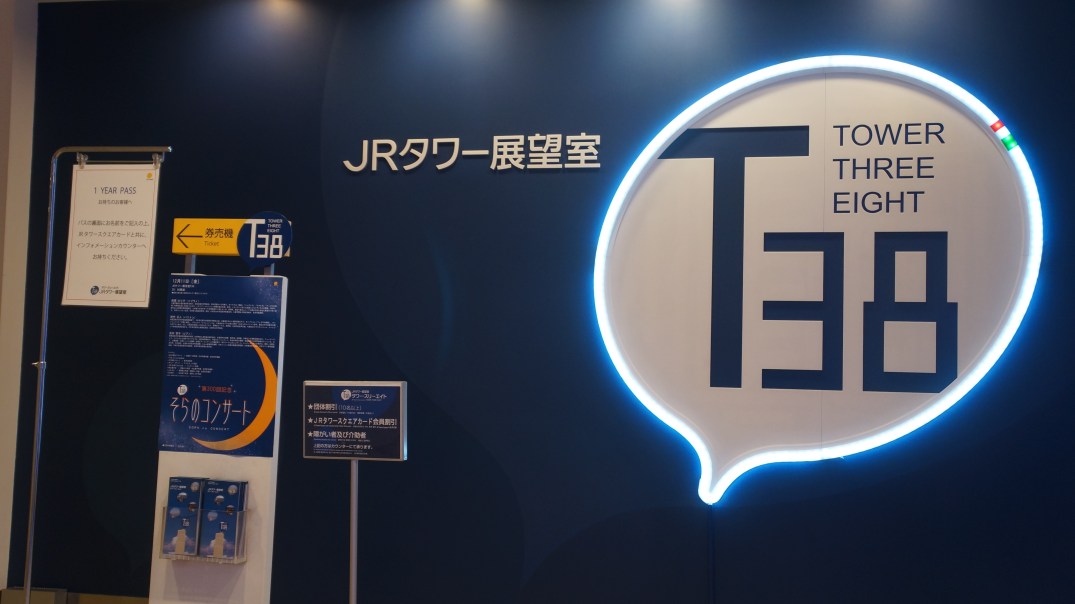
I present to you the night view of Sapporo 札幌 – I’m facing the same view as I write this at the cafe on the 38th level of the Sapporo JR Tower (札幌 JR タワー). With a cuppa, of course. I could vegetate here the whole night with this view before me.

Like any first-time visitors to a Japanese city, this is almost like an initiation ritual to the city – a money sucker definitely but it’s not like you do this everyday. Which reminds me, this must be my 5th tower-rite. Tokyo, Kyoto, Fukuoka…and now this! And if you count the views from the castles…well, who’s counting?

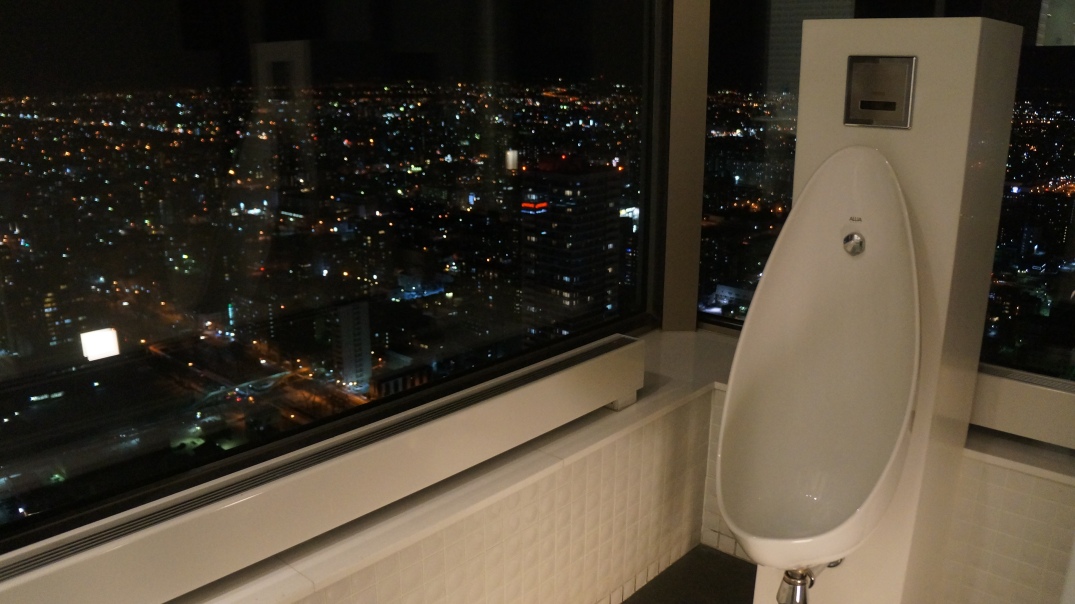
Oh by the way, did I mention this is the second ¥720 I spent in a single day. The first went to the Sapporo TV Tower. Hmm…consider the former ¥720 as a donation. Compared to the TV Tower, the vista (and ambience) here is so much better! And the kicker – you get to pee “over the city”!!

Sometimes I wonder if there’s more to the view that attracts people to part with their moolah. What do you think?  LS

DSC08685DSC08679DSC08681DSC08683DSC08692DSC08690

A Zen New World

These days I find myself increasingly reluctant to blog. Instead, from time to time, I like to browse through micah’s blog – she is one humorous (and kick-ass muay thai boxer and martial arts junkie) scribe – and just laugh my head off at her whimsical adventures and indulgent feastings.

I’m packing my bags again, ready to brave the cold and treacherous. Nope, I’m not going Alaska or attempting Everest. I’m returning to my favourite country – Japan! Don’t give me that look!

This time, I’m off to Hokkaido – think lots of snow, snow and more snow. I hope I won’t freeze my ass off there, so I’ve been frequenting Uniqlo lately to source for bargains. Truth be told, this is actually the first time I’m visiting Hokkaido, much to disbelieving scowls and “Not again…” jibes from my colleagues. Another first for me – skiing! God bless my bones!

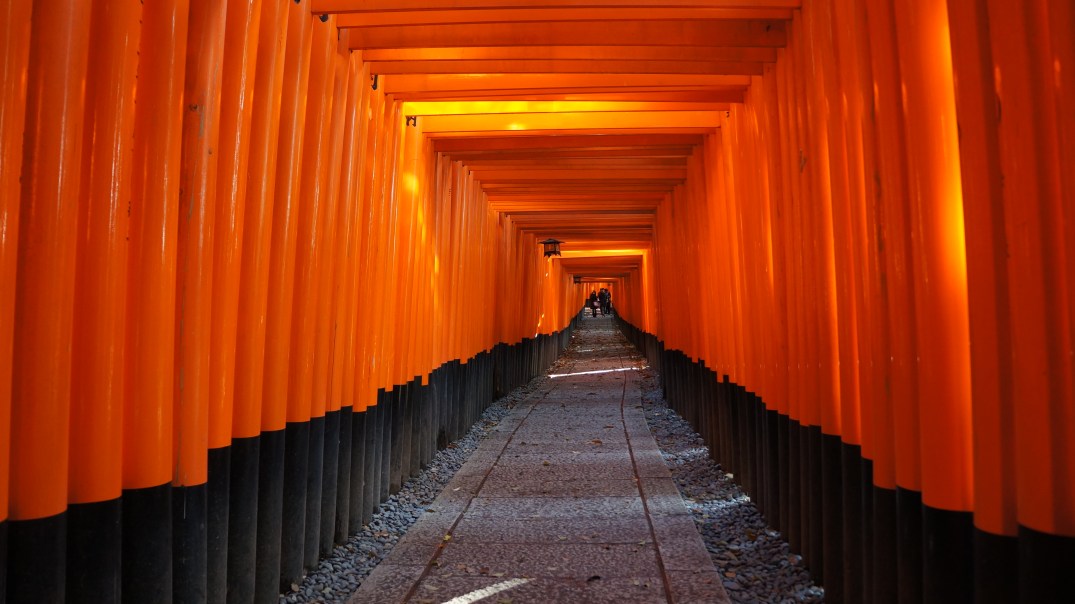
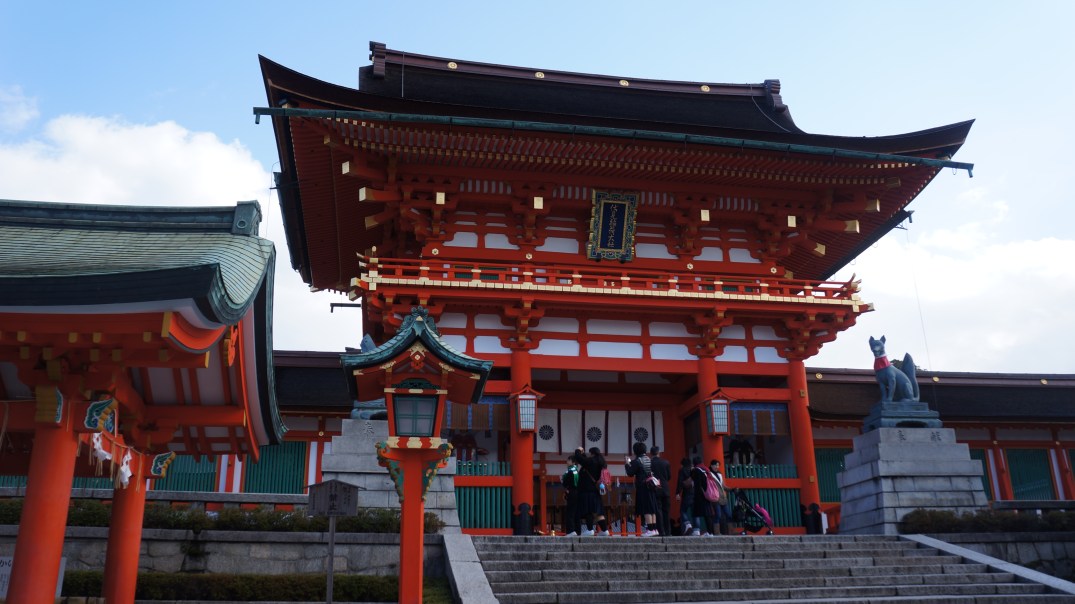
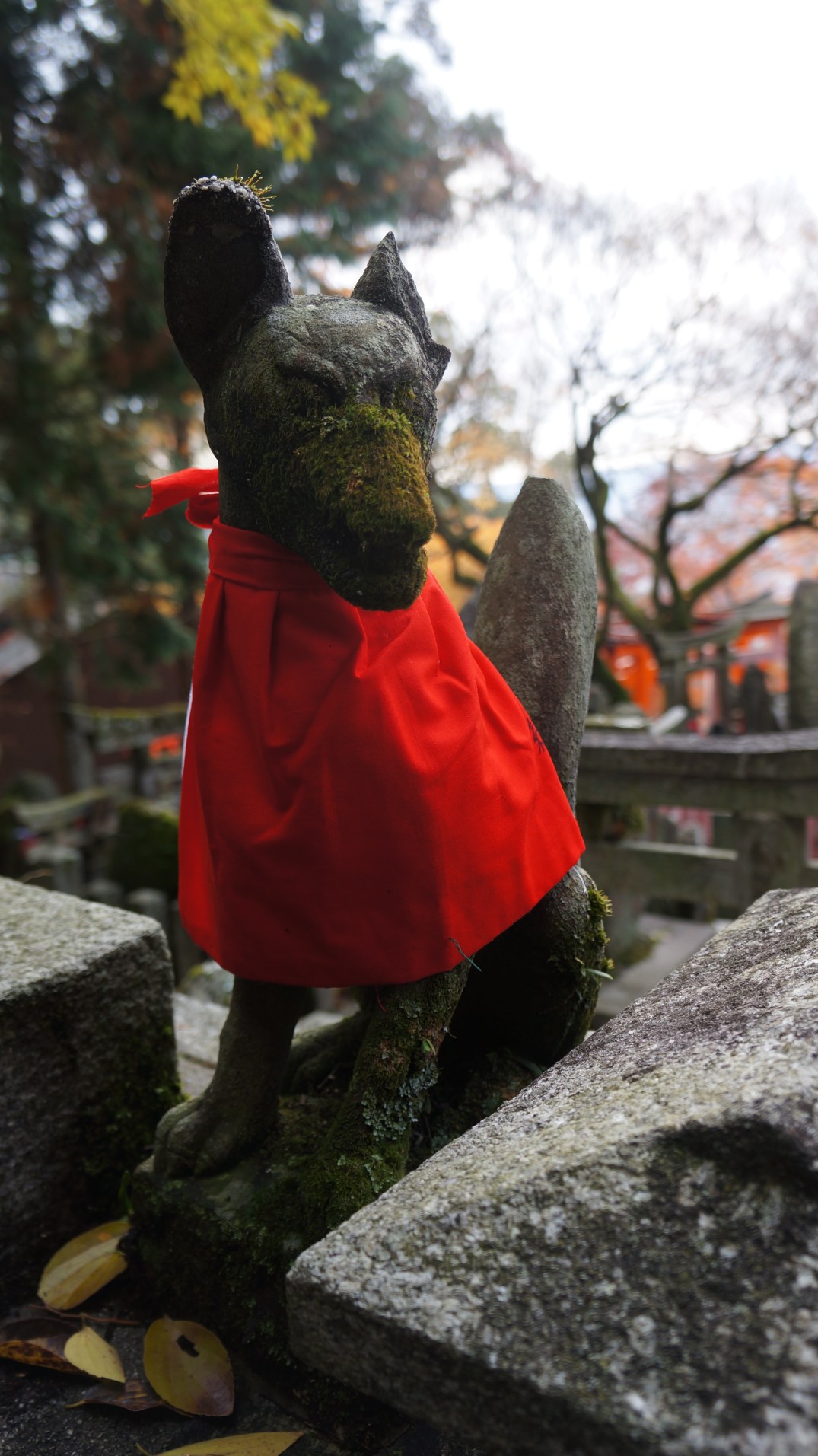
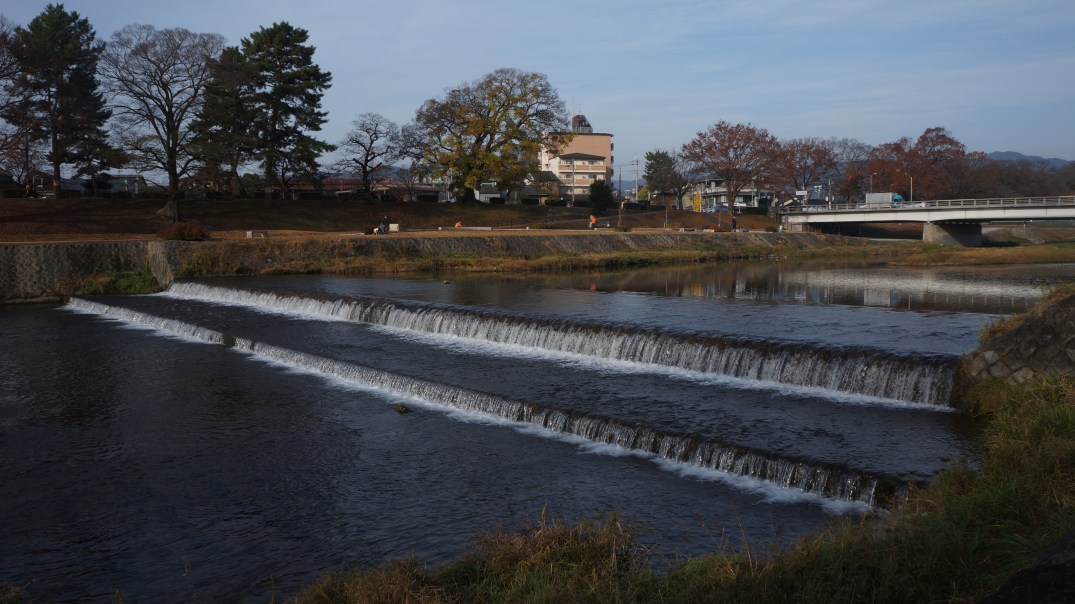
Think I left off in Vienna in my previous posts, and I was wondering if I should continue from there, or excite you with images of Japan from my previous trips. I think you know the answer.DSC03591So I’m going to accost your sights with Kyoto, one of my favourite cities in Japan. Mention Kyoto and one automatically associates with Buddhist temples and Shinto shrines. So if temples are not your thing, don’t bother visiting Kyoto.
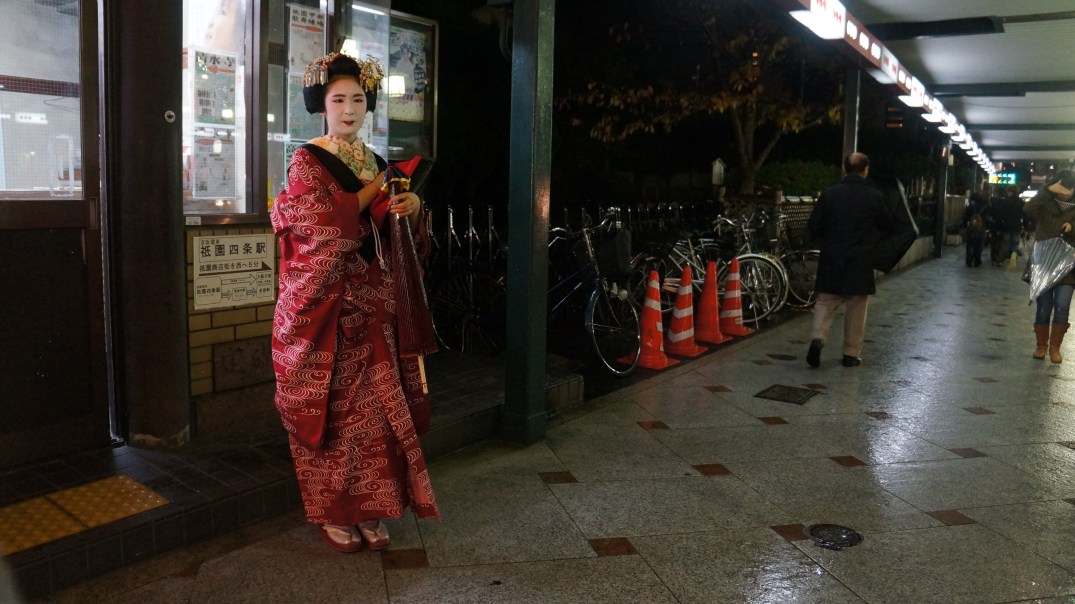
However, labelling Kyoto as temple-land doesn’t really do it justice. After all, this was the original capital of Japan for more than a thousand years before Tokyo took the crown in 1868.

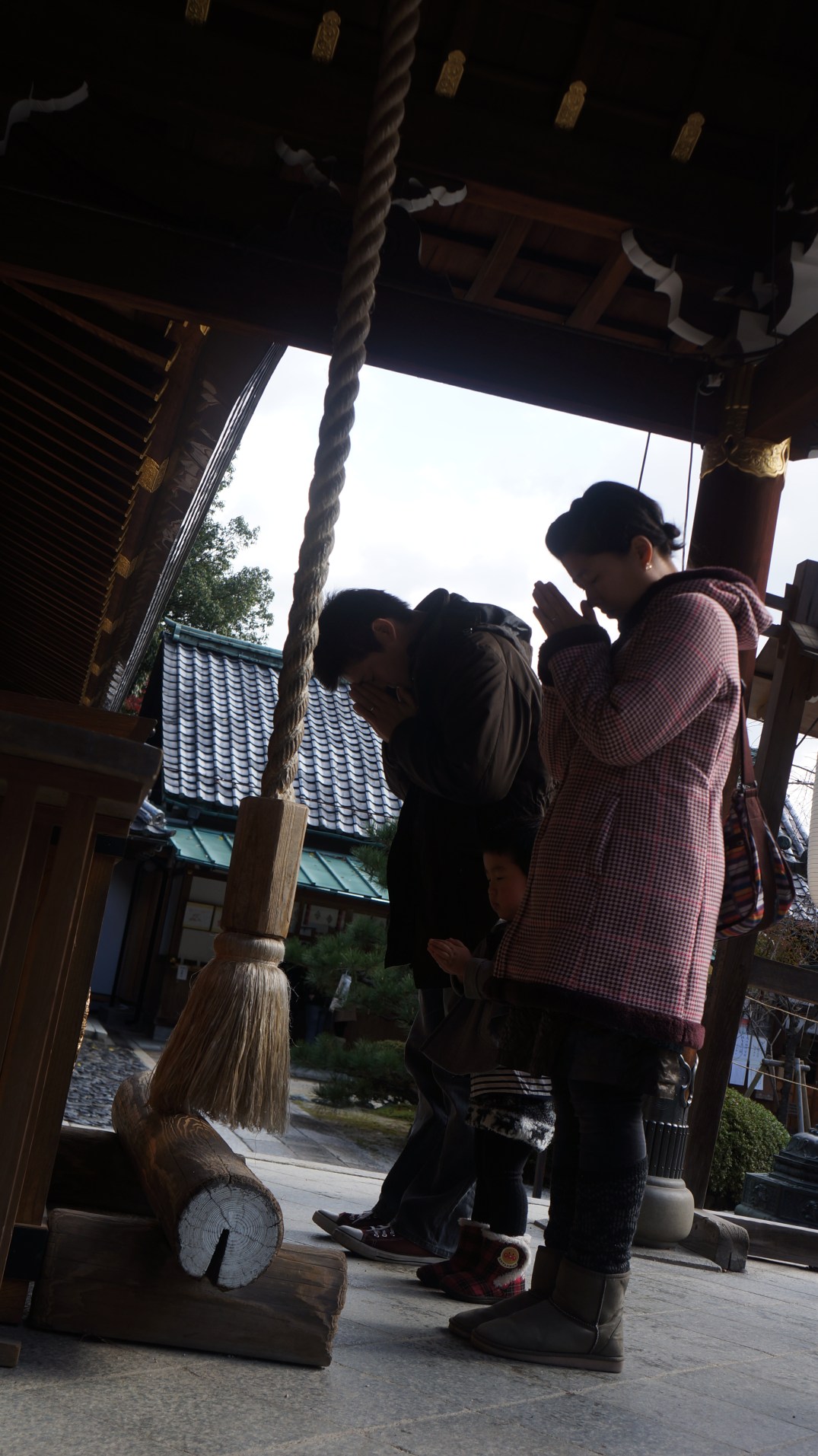
A friend who recently visited Kyoto commented on his Facebook that he had never witnessed such a confused city. I’m not sure if “confused” was the right word to use but I believe what he probably meant was that no other city in Japan challenges your notion of time, space and normality than Kyoto.DSC03731Here, geishas toting umbrellas totter in wooden clogs on the cobblestoned streets of Gion. Shrines pop up in the most unlikely of places (for example, in the middle of Teramachi, a bustling market and shopping arcade). And just a stone’s throw away from the shopping belt, mega temples built on hilltops instantly spirit you into a zen new world.
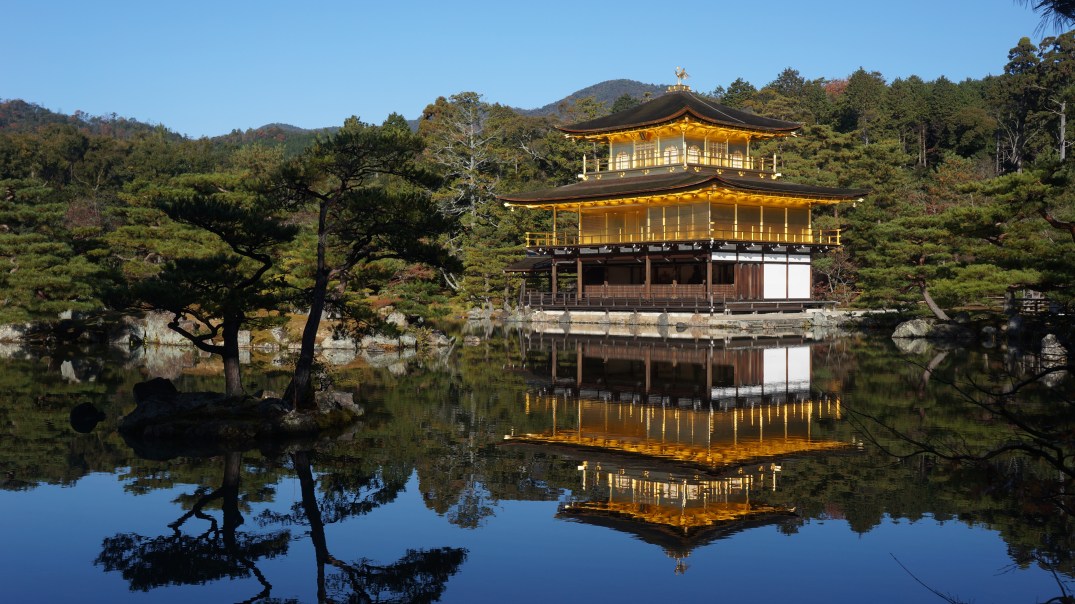
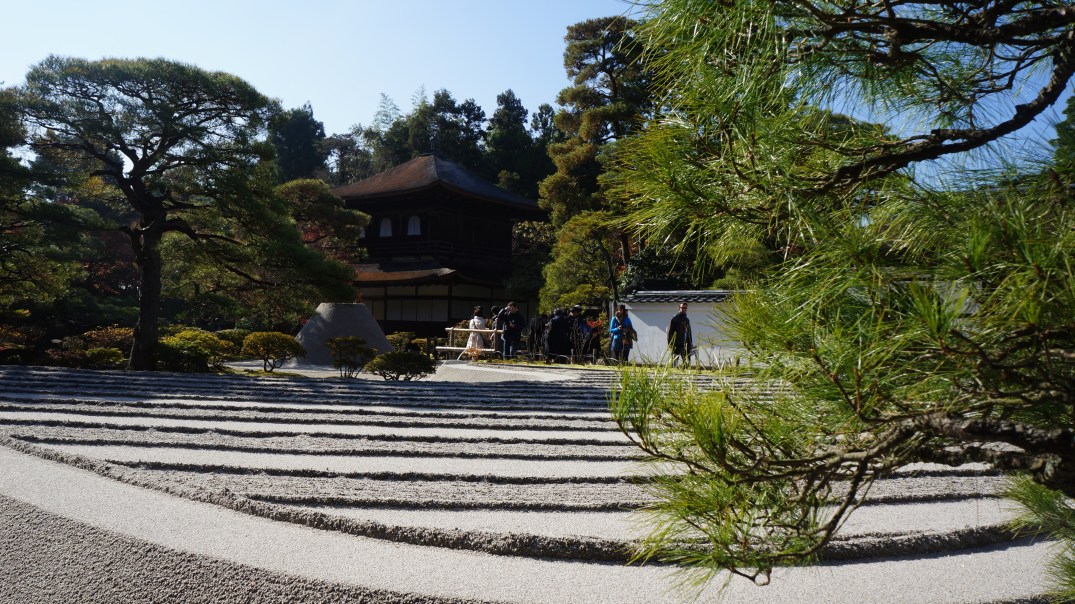
How can you not fall in love with this city?  LS

DSC03749DSC03780DSC03890DSC03796DSC03939DSC03482DSC03719DSC03486DSC03487DSC03489DSC03498Rice guardianDSC03459DSC03862DSC03583DSC03621DSC03610


Special Tribute: To The Faithfully Departed

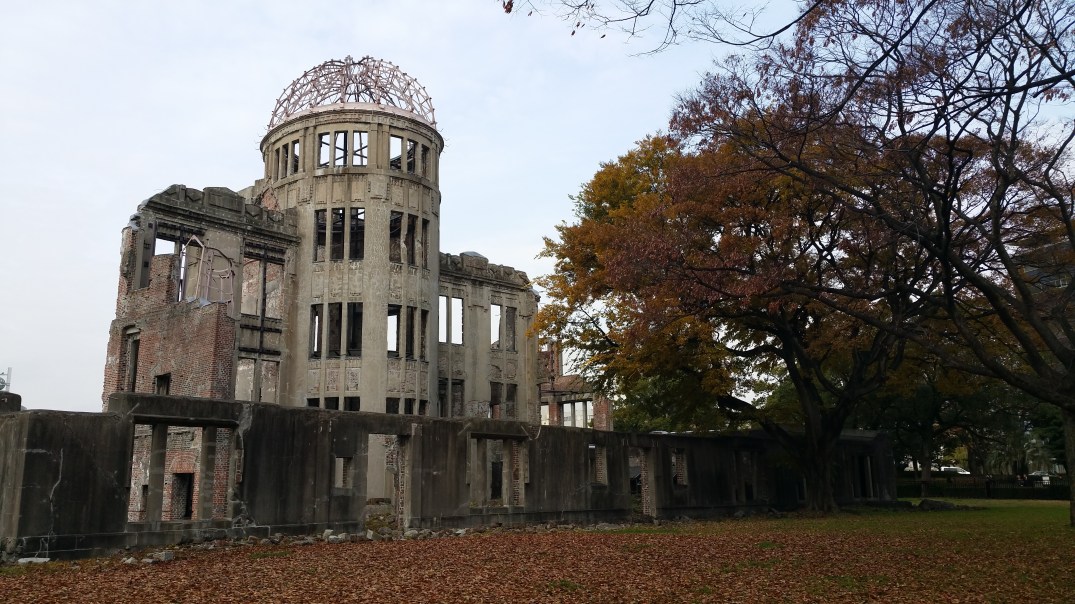
Watching the news on Hiroshima’s 70th anniversary of the atomic bomb brings back memories of my visit here last year. In Singapore, we have been brought up to hate the Japanese because of their atrocities during World War II. I grew up on a diet of stories of Japanese soldiers’ cruelty, the Sook Ching massacre in Singapore and other war crimes, vividly told to us through documentaries, television dramas and illustrated in history textbooks. However, I bet few of us knew the horrors caused by the atomic bomb on the residents of Hiroshima. These were ordinary citizens too – men, women, children and babies.

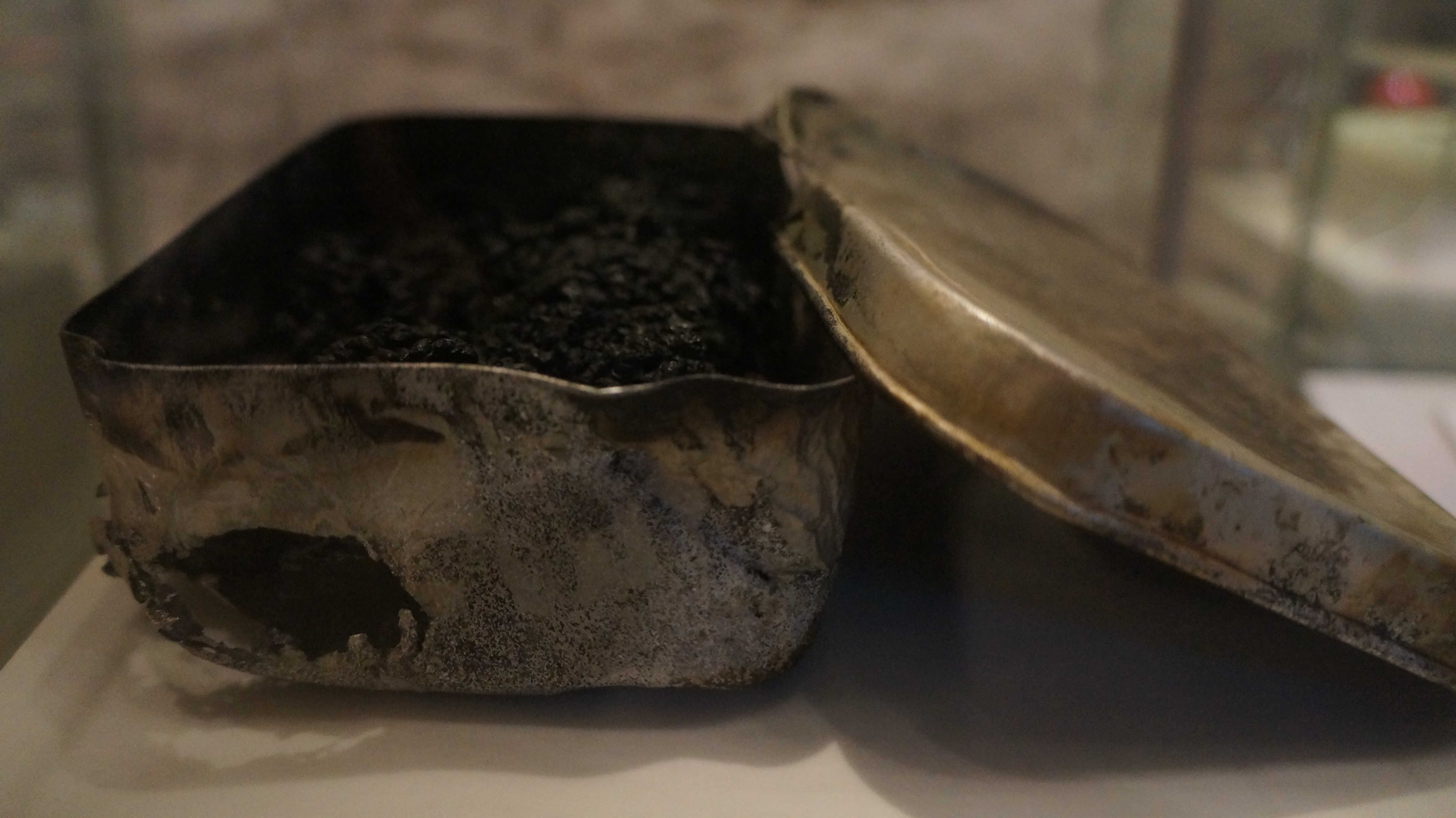
DSC06812DSC06874If what the Japanese did to us was abominable, what the Americans did to the Japanese (in the name of ending the Pacific War) was unpardonable. I recalled the solemn atmosphere at the Peace Memorial Museum, the silent weeping of Japanese visitors as they pored through the exhibits at the Museum – remnants of children’s clothes, locks of hair, a sandal, lunch boxes, school uniforms, a tricycle, even finger nails.

Many of the dead and wounded were children. Many were drafted to work in factories because all the men had been conscripted to fight for their nation in the Pacific War. Stories of survivors fleeing the city, suffering third degree burns, and with burnt skin hanging from their limbs like melted candle wax, were displayed inside the museum.

DSC06844On 6 August 1945, Hiroshima was flattened by a uranium bomb, dropped by a US B-29 bomber, and which exploded about 600 metres above the city. Nicknamed ‘Little Boy’, the bomb unleashed a gigantic fireball (370 metres in diameter) over the city when it detonated, measuring 6,000 degrees Celsius. Thousands caught in the hypocentre of the bomb instantly vaproised. The resulting firestorm from the blast swept across Hiroshima, incinerating everything in its path. 140,000 people perished. The radiation emitted by the bomb will continue to haunt the generations after.
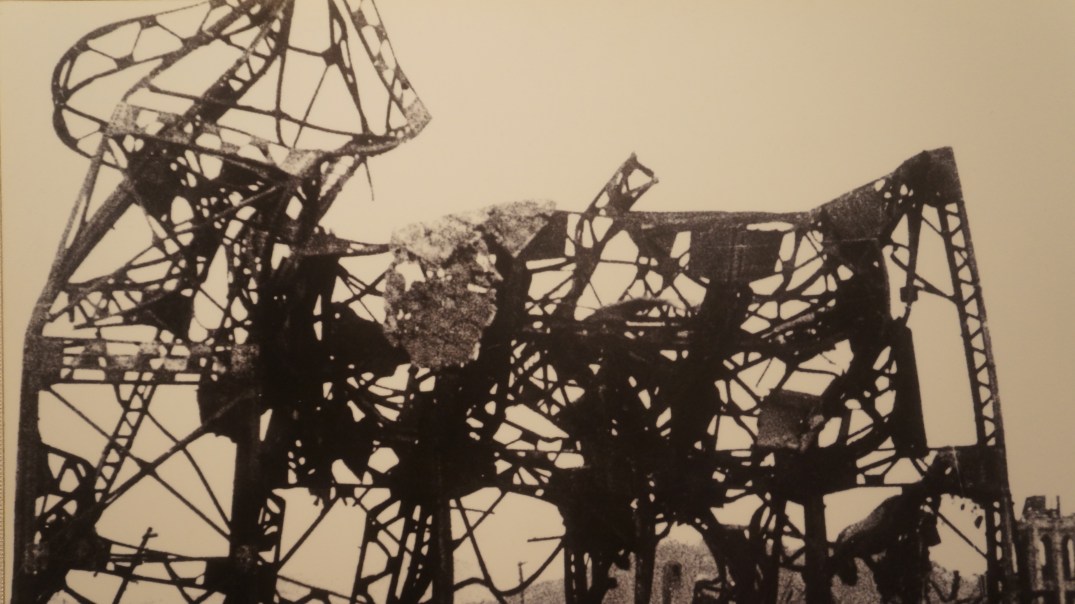
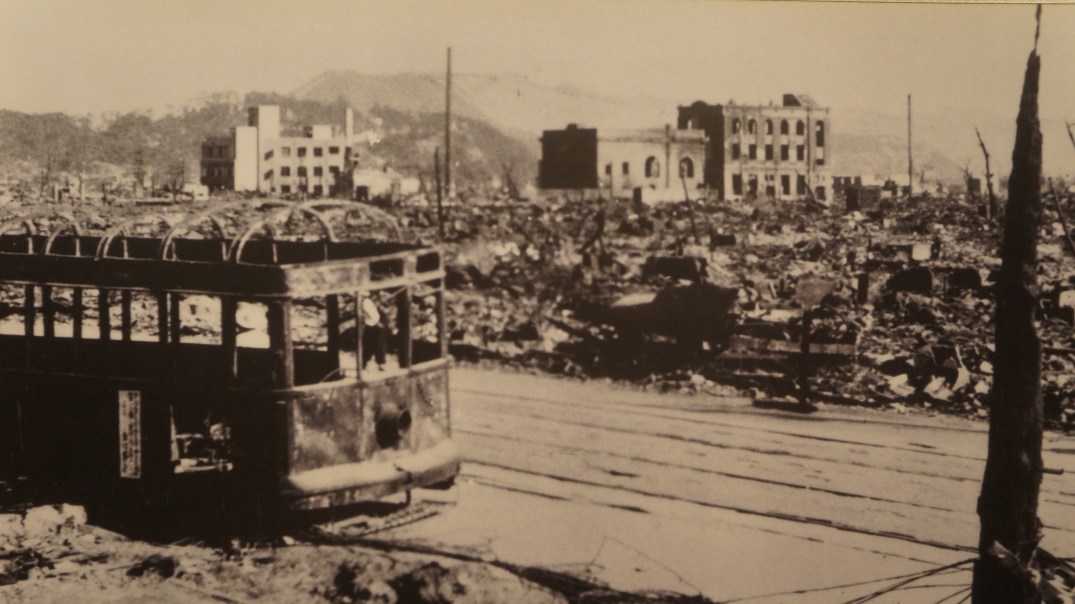
DSC06876DSC06875The Peace Memorial Park just outside the Museum had a dedicated section to the children who perished during the bombing. Thousands of colourful paper peace cranes, painstakingly folded and woven into Japanese kanji (or Chinese) characters symbolising Peace, dotted the Children’s Memorial Park. I stood in front of the Children’s Memorial, the statue of an angel, and said a silent prayer.

DSC06883DSC06887DSC06833DSC0689020141128_131112DSC0682720141128_132014DSC06845DSC06848DSC06849DSC06851DSC06854DSC06862DSC06871DSC06867DSC06877DSC06891DSC06893This year, Singapore celerbates 50 years of independence. On the same day 70 years ago, the Americans dropped a second atomic bomb, this time, on Nagasaki. If only you knew…   LS

20141128_125756

Feels Like Home

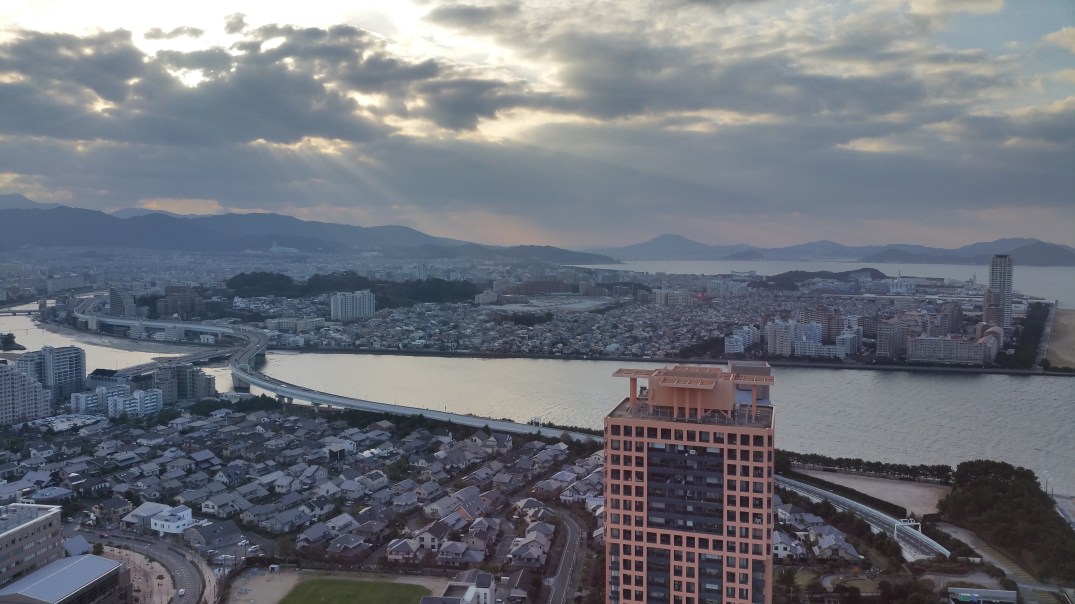
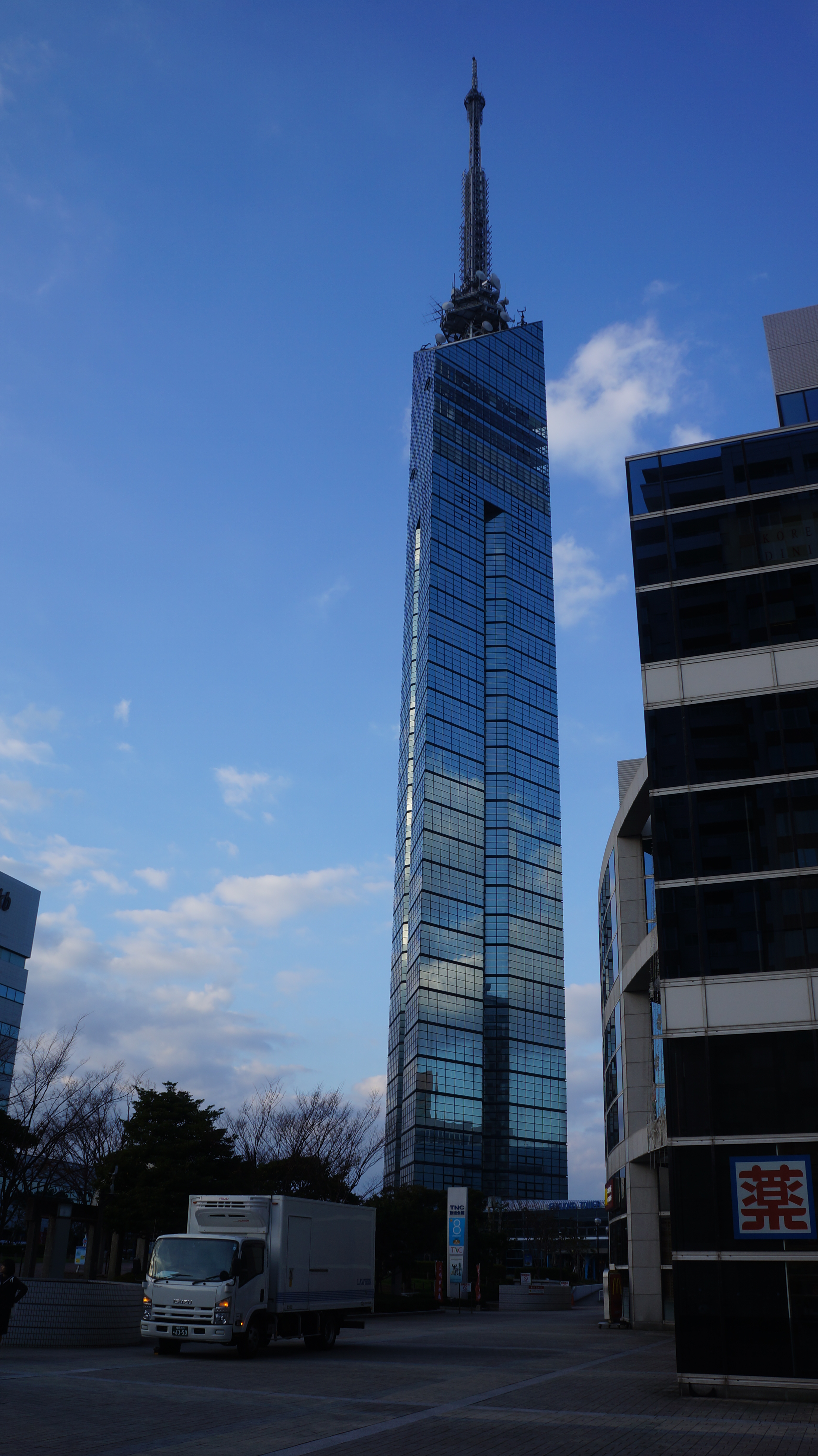
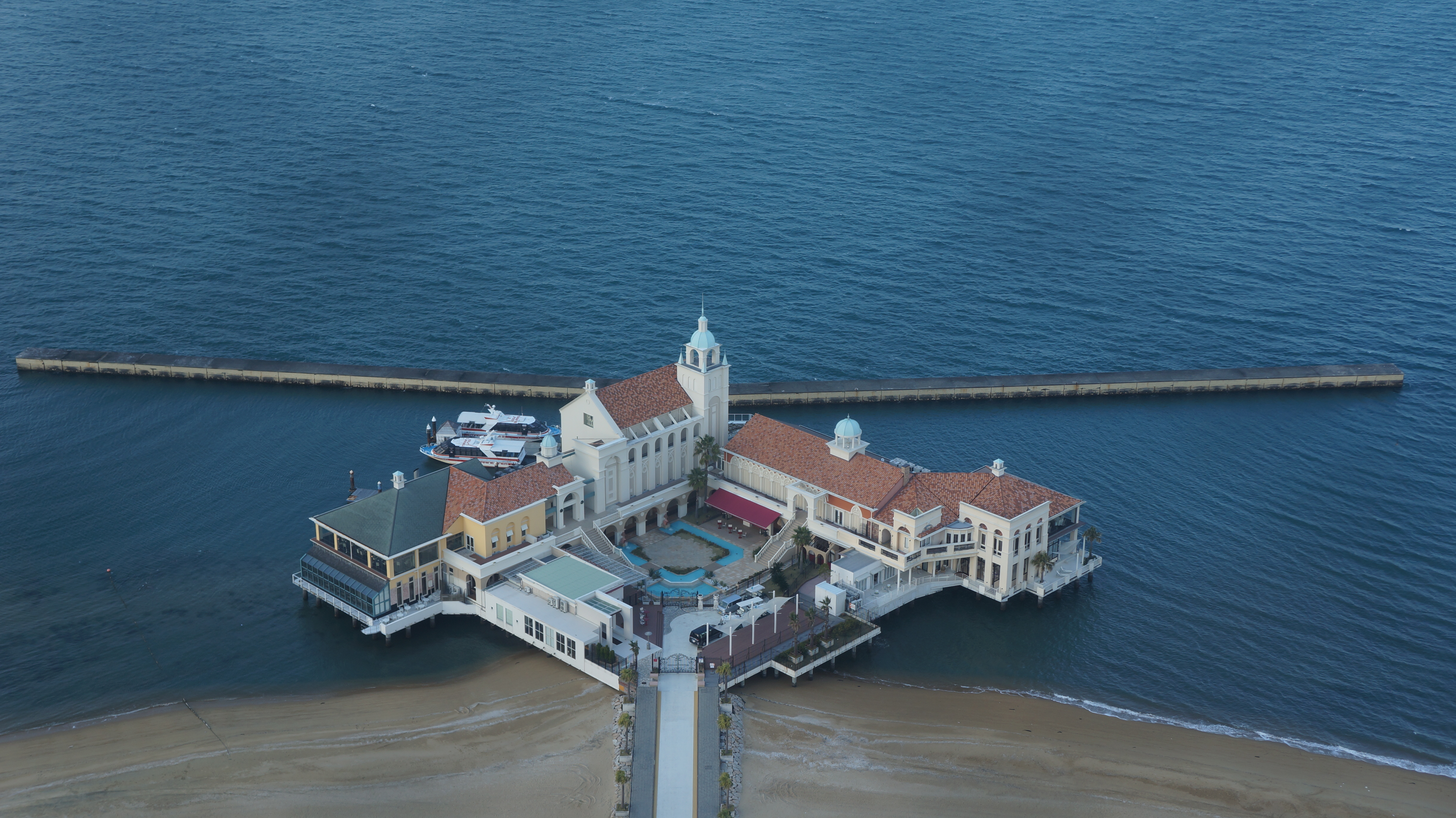
DSC07960Every major Japanese city boasts of some tower of sorts, the kind that gives you an adrenaline shot when zipping skywards in their shinkansen-esque elevator. Fukuoka is no exception. Standing at 234 metres, the city’s sentinel, the Fukuoka Tower is all gleaming blue glass, and looks like a slender glass shard from far. And if you visit at 7 p.m., you get to witness a dazzling lights display. Take a leisurely stroll along the Momochi Seaside Park (シーサイドももち, Shīsaido Momochi) and enjoy some lovely evening snaps.

As I took in a 360 degrees view of the city skyline, I thought about my experiences here over the past few days, and what this city meant to me. Many people see Fukuoka as nothing more than a transit hub (like a ‘Frankfurt’ of sorts), a base from which to explore the Kyushu region. “Functional Fukuoka”, some may say. True, Fukuoka may not have the diversity of attractions that Tokyo boasts of, or the cultural richness that Kyoto exudes. Yet, Fukuoka combines a cosmoplitan vibe with the laid-back charm of a coastal city. It’s a curious mix that makes a city-dweller like me feel, almost, at home.  LS

DSC0797520141209_160324DSC07973DSC07963DSC07978DSC07981DSC07992

The Best Ramen in Town is Black

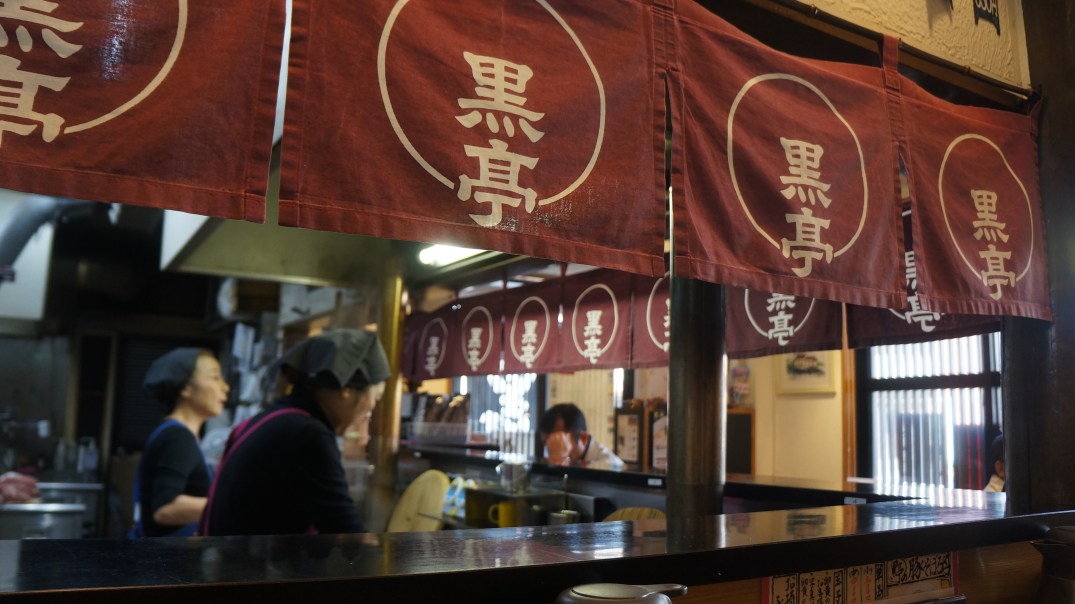
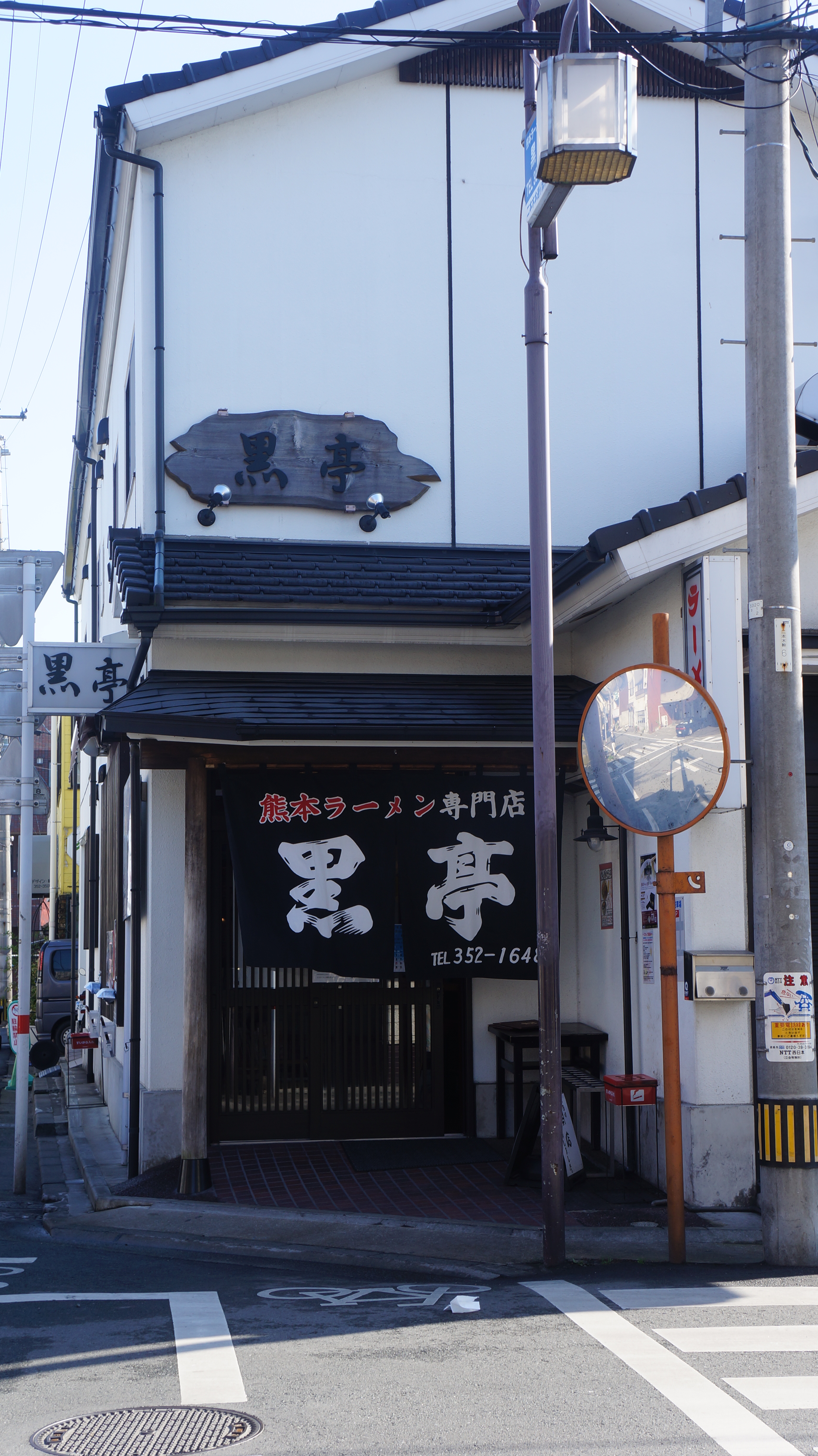
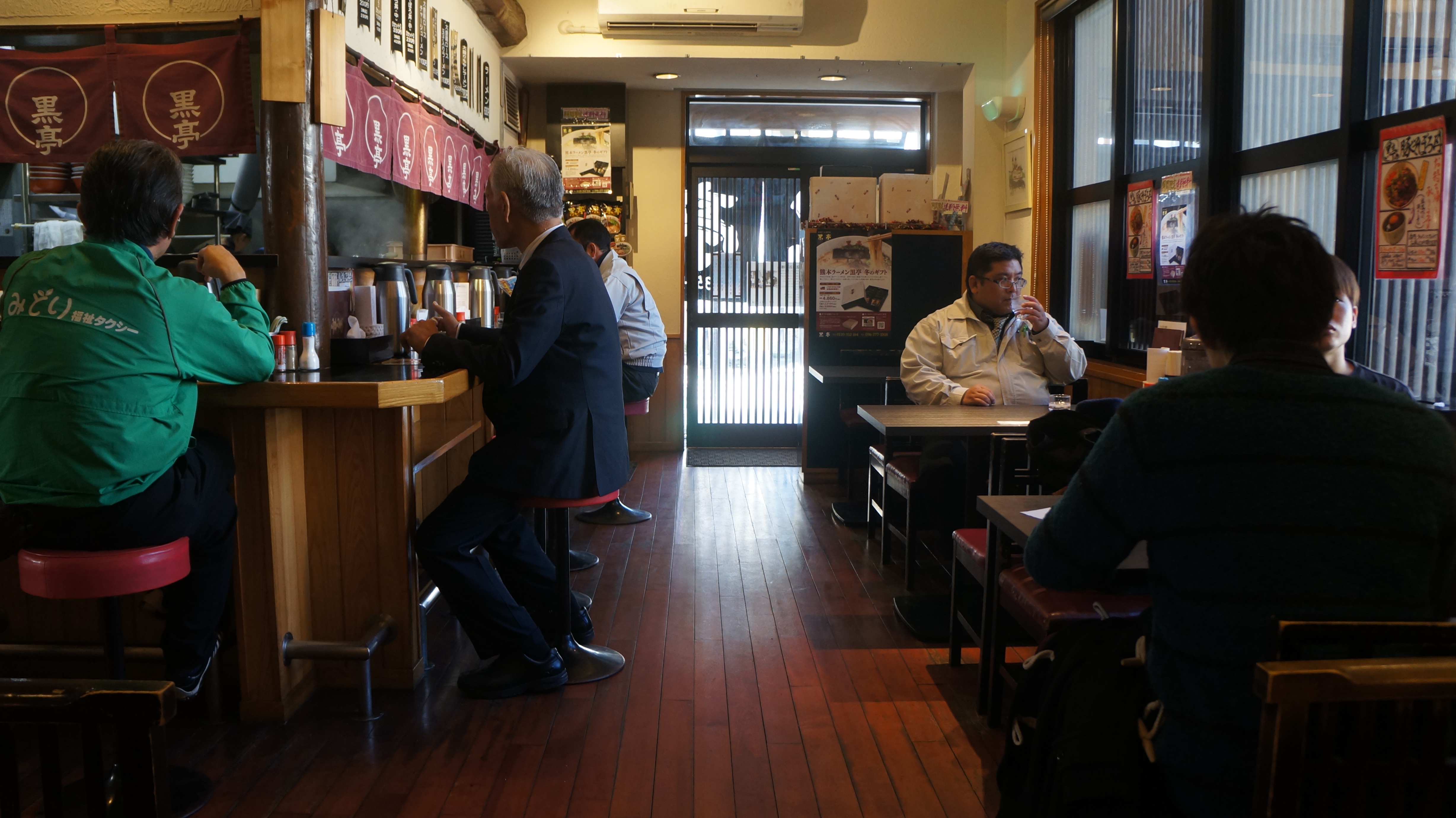
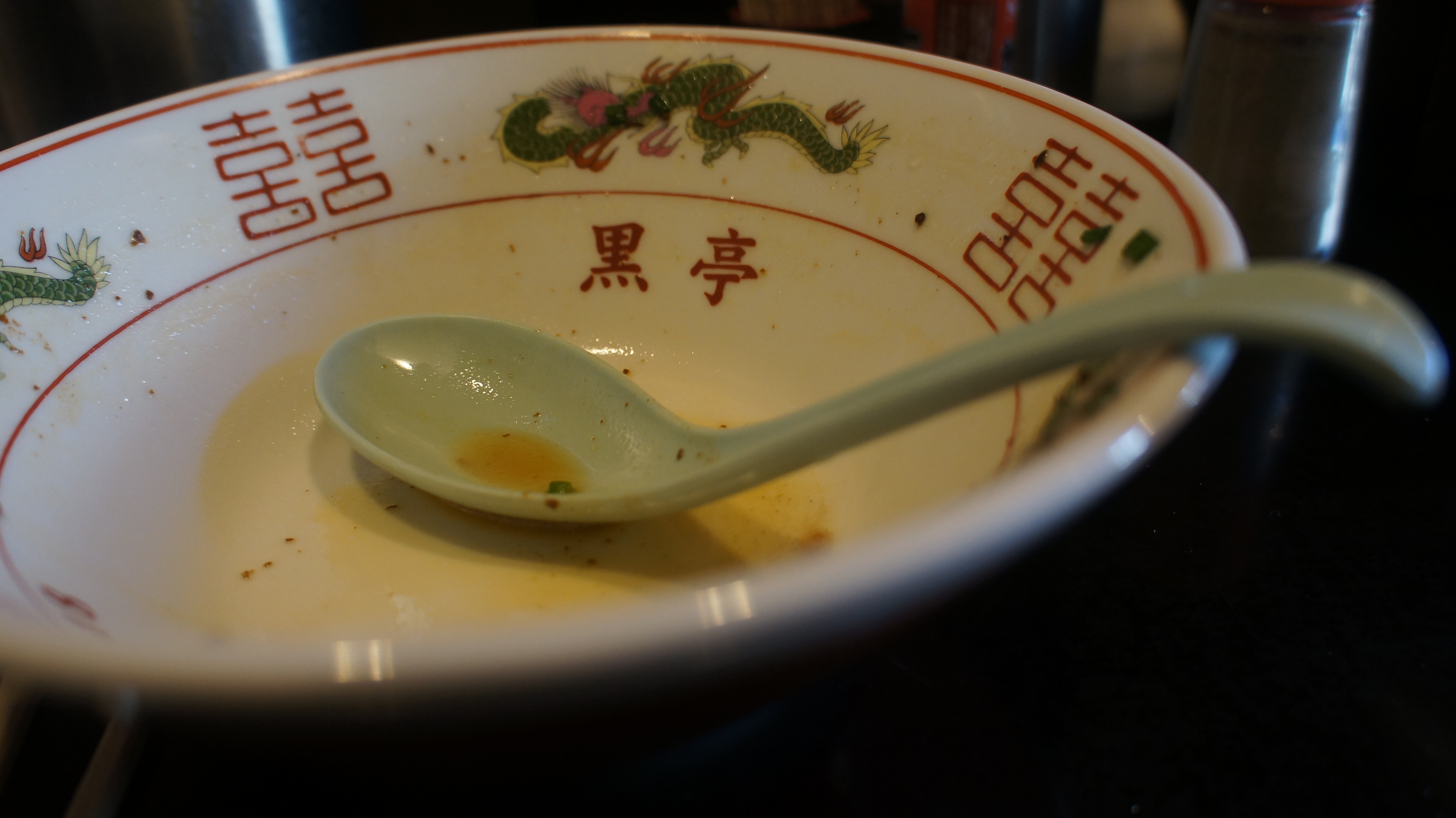
Before leaving Kumamoto for Hakata, there’s just one final pilgrimage I had to make – and that was to Kokutei (黒亭). If Hakata has its Holy Trinity of Ippudo, Ichiran and Ikkousha, then Kumamoto’s Kokutei is its undisputed King (of ramen).

Tucked away in a nondescript neighbourhood across from Nihongi-guchi Tram Stop (二本木口電停), Kokutei doesn’t strike one as the Holy Grail of Ramen in Kumamoto. But wait till you check out the lunchtime crowd that snakes around the restaurant. Even at night, there’s no glitzy neon sign that points the way to this ramen shrine. In fact, don’t even bother dropping in after dark (as I found out the hard way). Kokutei’s ramen sells out everyday by 4 p.m. The good news is that you can find Kokutei’s signature tonkotsu (とんこつ) broth in almost every Japanese supermarket worth its salt. As for me, nothing tastes better than the real McCoy.  LS

DSC07936 DSC07938 DSC0794220141209_113547DSC07943

Uma Umai? 馬 うまい?

One of the highlights of travelling alone is the opportunity to meet new people, some of whom later became my friends along the way. There’s so much to learn from such interactions, whether it’s the exchange of language, culture, societal norms, etc. And these interactions often happen when you least expect them.

That was how I met Ruriko (淵 ルリ子), a Nagasaki native who happened to be in Kumamoto to meet up with a friend. She was happily chatting with her friend when I accidentally knocked over a pint of beer while browsing the menu at this restaurant called Uma Sakura (馬桜) in the Shimotori shopping arcade (下通り ショッピンアーケード) that specialises in horsemeat. There’s of course no lack of restaurants in this shopping arcade but I just wanted to try a full horsemeat course that day. And this restaurant looks pretty decent.

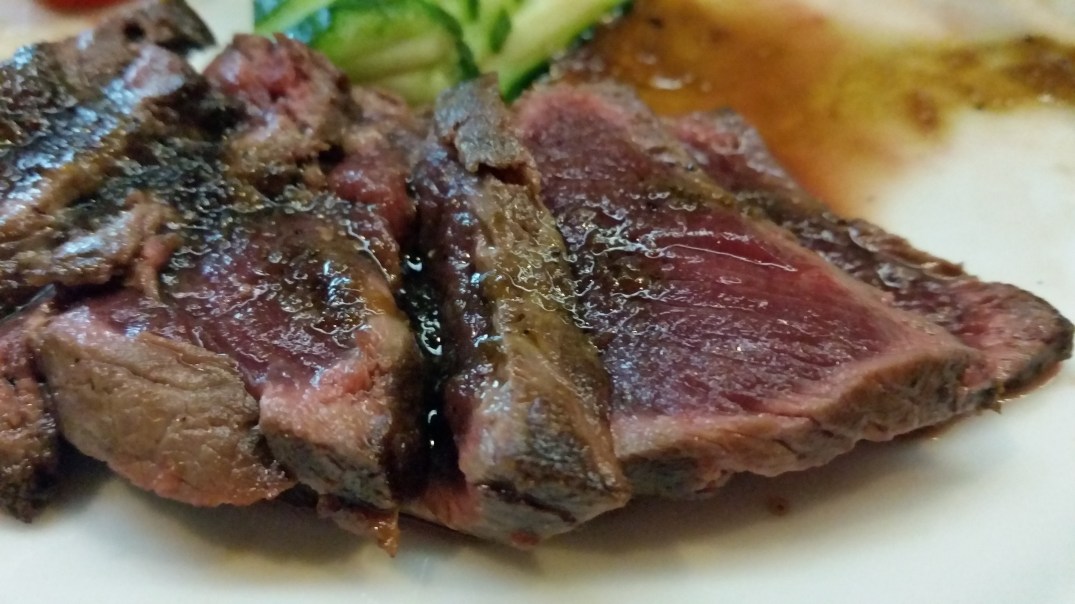
Back to Ruriko and my beer accident. Sensing that I may have some difficulty understanding the menu or ordering the food, she offered her assistance. And the next thing I know, the three of us (including her friend) started chatting like long-time friends. We exchanged contacts, and till today, we still kept in touch. I had promised her I would definitely visit Nagasaki the next time I go to Japan. Coincidentally, my original itinerary had included Nagasaki but I changed it just 3 weeks prior to departure, in favour of visiting Beppu and Kumamoto after a colleague’s advice. There’s so much left to explore in Kyushu, and two weeks really don’t do this place justice. In case you’re wondering how the horse meat tasted, it wasn’t enough to blow my socks off. I would say it’s a little like beef, but on the fatty side, which is ironic because I had imagined these horses would have tough muscles from all that running. By the way, a full horsemeat course doesn’t come cheap, and expect to spend upwards of 80-90 USD. I opted for a humble horse steak instead. And a second pint of beer.  LS

DSC07846DSC07726DSC07718 20141207_20040620141208_223815DSC07887 20141208_221201 DSC07945 DSC07949DSC07897

Kumamoto | Of Castles and Black Bears

Mount Aso had just erupted over the weekend when I was making my way to Kumamoto. However, fears of volcanic ash blanketing Kumamoto were unnecessary as the volcanic crater had calmed down fairly quickly. Kumamoto’s main attraction is its majestic castle, which was built between 1601 and 1607 and housed the powerful Hosokawa clan (細川氏).

Subscribe to get access

Read more of this content when you subscribe today.

Gyozaaaaaaaaaaaaaaaaaaaaaaaaa!!!

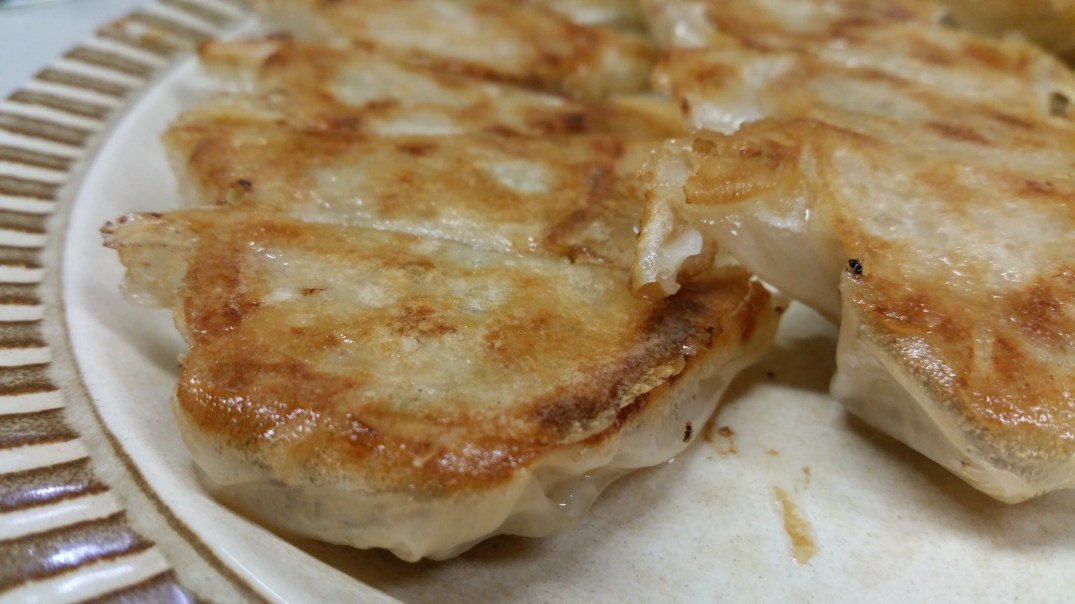
Beppu is not a culinary gem on Japan’s gastronomic map. But if there’s anything the Beppuites can boast about, in addition to Bungo-gyu (豊後牛) or local beef, it is their gyoza (餃子). Gyoza Kogetsu (餃子湖月), tucked away in a tiny alley of the covered shopping arcade across from Beppu Train Station, this mom and pop seven-seater counter shop has been frying some of the best and most crunchy gyoza you will ever find in Kyushu.

I had a hard time trying to locate Gyoza Kogetsu and it was only after circling the shopping arcade thrice and asking the proprietor of a spectacles store that I finally managed to spot this obscure establishment. It’s really tiny, and fitting six people is already a challenge, not to mention seven.

The gyozas are fried upon order, and a 1-person portion will reward you with 30 gyozas. Don’t freak out yet! Because the gyozas are small, an average person can easily polish off 1-and-a-half plate – that’s 45 gyozas!!! And in case you are worried about the oil, the gyozas are so daintily fried that they are crispy without the oil. Kick back on a couple of Sapporos and you won’t even feel the oiliness.

I gobbled down a double portion (i.e. 60 gyozas!!!) And while you’re there, drop by Toyotsune とよ常 (cross the small road in front of the train station, turn left and walk right to the end of the alley) for the abovementioned Beppu specialty – Bungo-gyu (豊後牛) and some superb lovingly fried tempura.   LS

20141206_19371020141205_18055520141205_18235020141206_14582720141206_15154720141206_191731

Bubbling Beppu

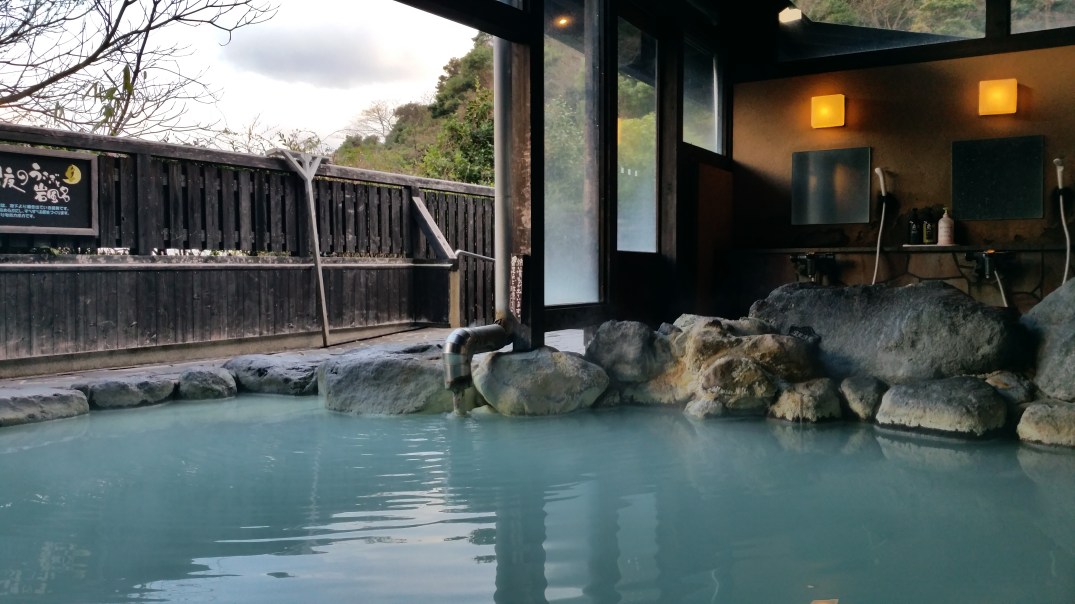
Beppu is synonymous with onsen, and the higher up you go into the highlands, you literally see steam rising from even drains by the roadside. Eight ‘Hells’ await you and while most of the more exclusive onsen are located in the highlands (i.e. the Myouban area 明礬), some are either too outdated or too exorbitant. For those conscious of budget but still desire a rewarding onsen experience in Beppu, check out Ebisuya Onsen (湯屋えびす), nestled midway between Yama no yu (山の湯) and the main bus stop at the foot of the Myouban hills.

Subscribe to get access

Read more of this content when you subscribe today.