
Image credit: Gaijinpot / https://travel.gaijinpot.com/destination/tohoku/
3/11 would forever be associated with the Tohoku (東北) region in Japan. It was the day that changed this once lush, pristine region forever. Once revered for its results rich agricultural produce (e.g. rice and apples), large swathes of land along the coast stretching from Miyagi (宮城), Iwate (岩手) and Fukushima (福島) were devastated by a 9.0 magnitude earthquake on 11 March, 2011 that triggered a massive tsunami. The radioactive fallout from the Dai-ichi nuclear power stations in Fukushima further rendered this zone a nuclear wasteland.
This year marks the 12th anniversary of the Great East Japan Earthquake. And the people of Tohoku have come a long way to rebuild all that they have lost – their homelands, their families, and their agricultural pride. And if you would like to help, there’s no better way to contribute to this region’s rejuvenation than to pay a visit.
Make Hollywood celebrity Ken Watanabe’s cafe K-PORT (https://lnkd.in/gheGhzmm) in Kesennuma (気仙沼), Miyagi Prefecture your first port of call. After a refreshing cup of Joe, trace your way along the coast northwards, and pay tributes at the memorials in Kamaishi (釜石), and Otsuchi (大槌町).
Once you are done with your shopping at the local farmer’s or seafood markets, it’s time to journey inland into the ski slopes and fine powder at the Tazawako Ski Resort (https://lnkd.in/gpWuc6G8). End your day with a rewarding soak at one of the many onsens scattered around beautiful Lake Tazawa (田沢湖).
If you’re feeling adventurous, drive up all the way to the “Gates of Hell” at Osorezan or Mount Osore 恐山 (literally translated as Scary Mountain) and Bodaiji Temple (恐山菩提寺), located at the “blade’s edge” of the axe-shaped Aomori Prefecture (青森県) and explore a landscape that is as other-worldly as it is enchanting. Incidentally, Aomori is also the host city of the Tohoku-Kizuna Festival (https://lnkd.in/gCYYj29v) this year – an initiative that dates back to 2011 to the rejuvenation of the Tohoku region. LT
#travel#japan#japanese#japaneseculture#onsen#tohoku


 It’s 35 degrees just after three as the train slowly chugged into


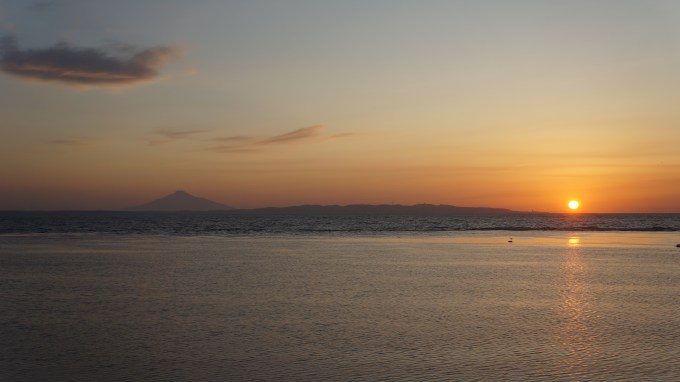 Winter used to be my favourite season when I was working as a professional teacher in Singapore. This is because in Singapore, we have no winter. More importantly, as a teacher in a public school, winter marks the start of the “travel season” as the academic calendar draws to a close by mid-November. The “luckier” ones would have already jetted off by the last week of November.
 It feels great to be able to pen a few words again and as some of you may have noticed, I have not posted anything new since my last adventure in
  For the uninitiated (i.e. me), Shiraoi is famous for its beef, and though normally a sleepy town with pretty much nothing but a derelict Ainu village as its main tourist draw, the town’s cows have gained quite a reputation here in Hokkaido.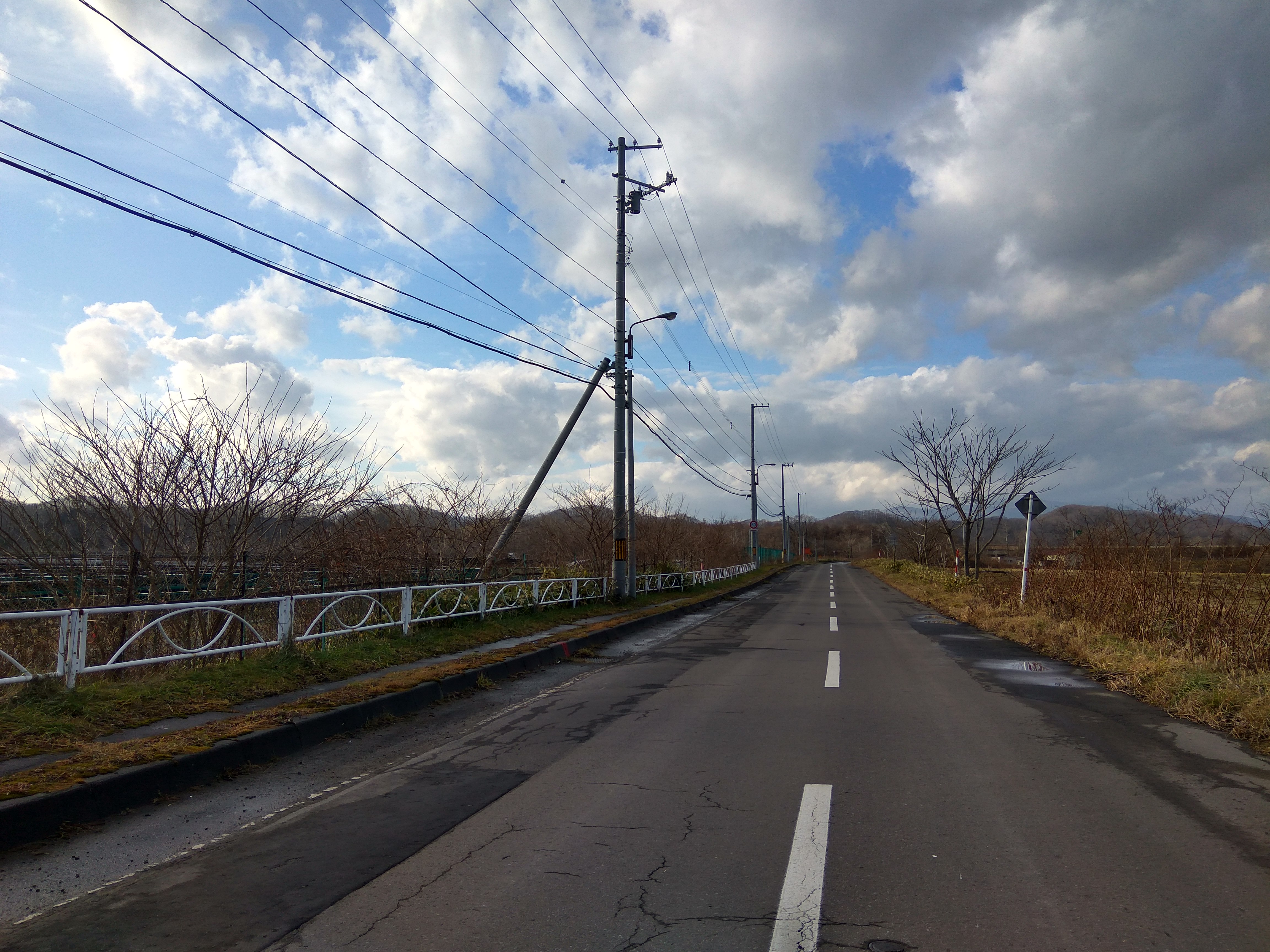
 The walk turned out to be not as bad as I thought, and the weather stayed ‘relatively’ warm at 5 degrees. Five degrees may not seem like much but here in Hokkaido, 5 degrees qualifies as a ‘warm’ day – considering the past week had seen temperatures hovering around the minus 10-14 degrees mark.
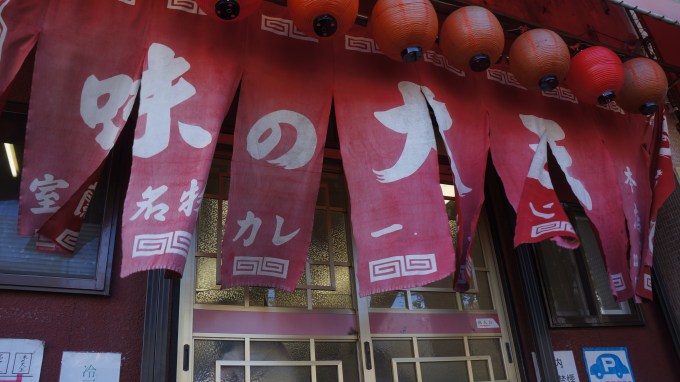 After a quick browse through Tripadvisor, I decided to check out Cape Etomo (絵鞆岬) and seek out one of Muroran’s specialty dishes – curry ramen. I must say this had to be one of the best decisions I’ve made on this trip. If there’s one place you ever need to try curry ramen, it’s
 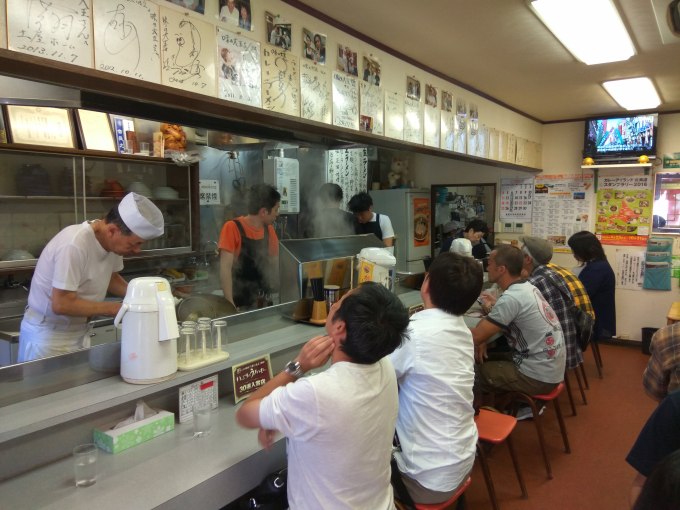 My belly folks were humming a tune, and I hopped along to it as I made my way to Cape Etomo (絵鞆岬). Google Maps informed me that the trek to the cape would take about an hour on foot, but this time round, I decided to try my luck and just board any bus that would take me as close as possible to the cape. Last night’s misadventure told me that bus no.14 might be my best shot. And so it proved to be, though I had to ride my luck and guess the stop to alight. From my alighting point, it was just another 300 metre walk to the cape, which took less than five minutes.
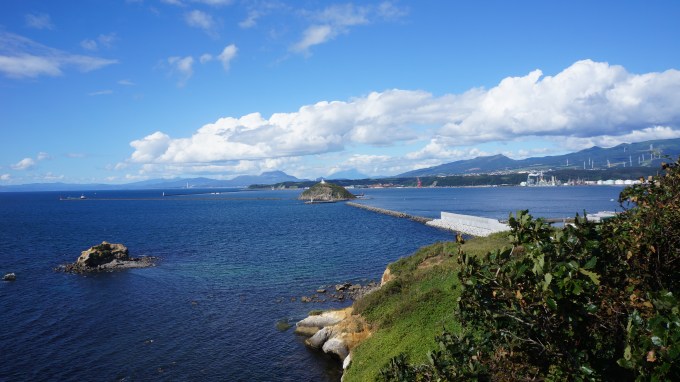 Although less celebrated than Cape Chikyu (judging by the fact that besides me, there were only three others), Cape Etomo, in my opinion, has more to offer. Not only can you enjoy a panoramic view of the Pacific, but also a perfect vista of the majestic Hakucho Bridge that spans the port of Muroran and its marina. I spent a good half an hour just taking in the scenery.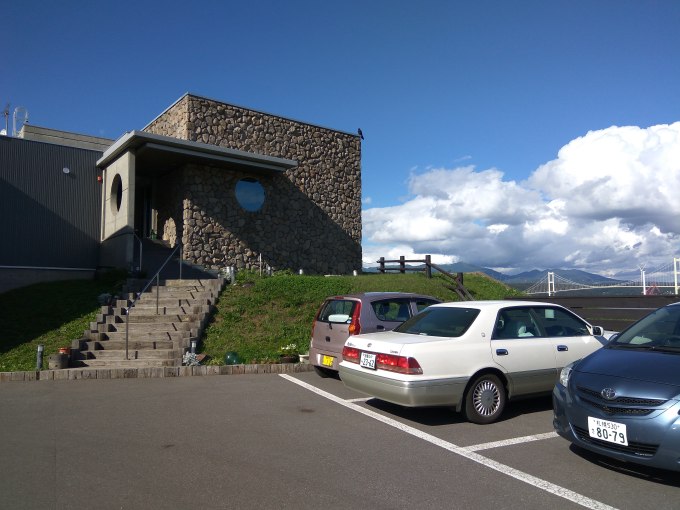
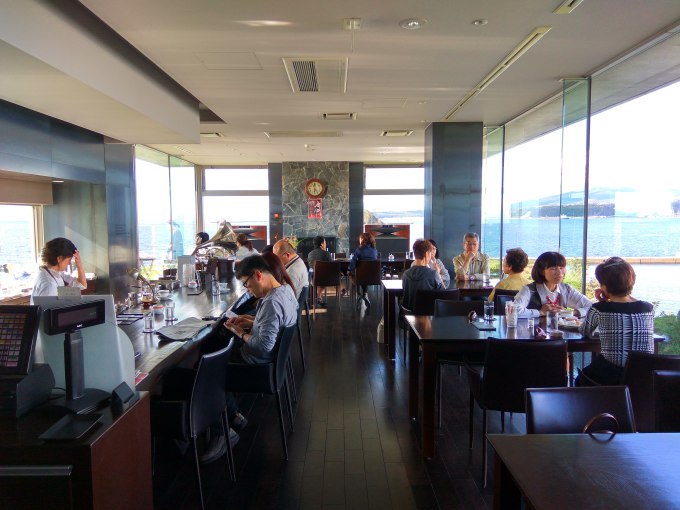 However, the best find had to be
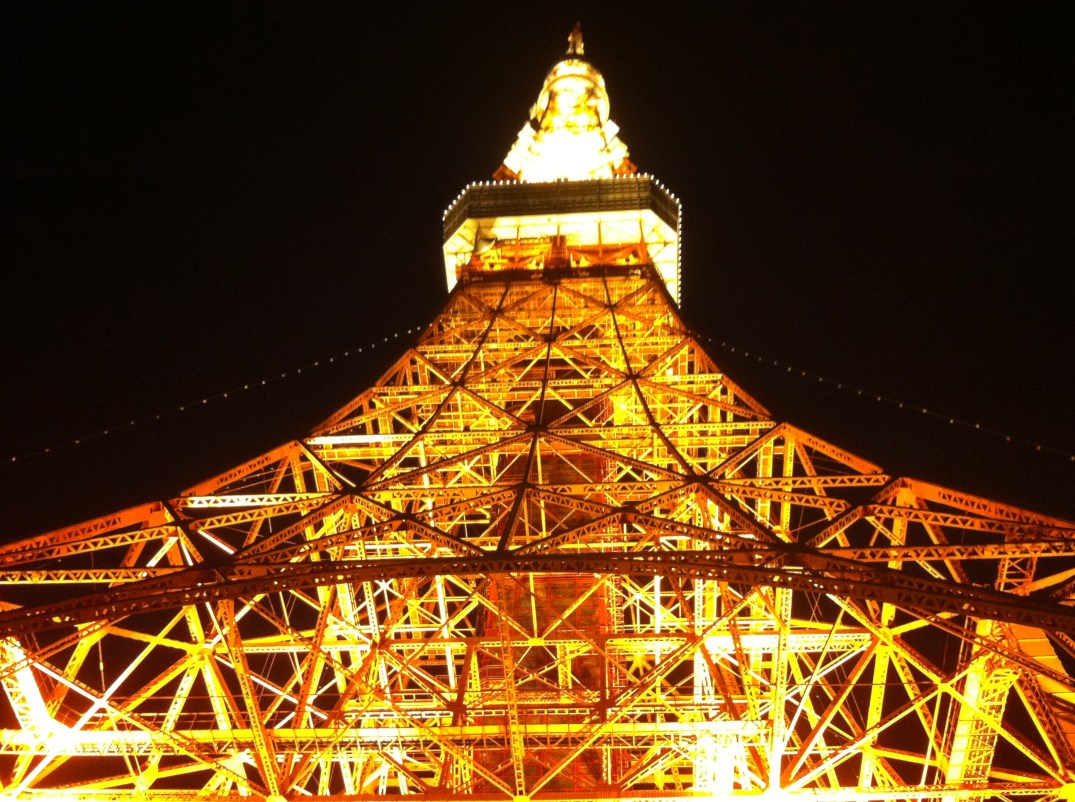
 I could still remember vividly my first trip to Tokyo. Well, why couldn’t I? After all, it was only about five years ago, to be honest. No big deal, you may think.
 Japan today is a modern democracy, celebrated for its cuisine and culture, and revered for its natural beauty. Its economy may have stagnated for more than two decades in recent times. Yet, the Land of the Rising Sun is still recognised as one of the most influential economies in Asia, and even the world.
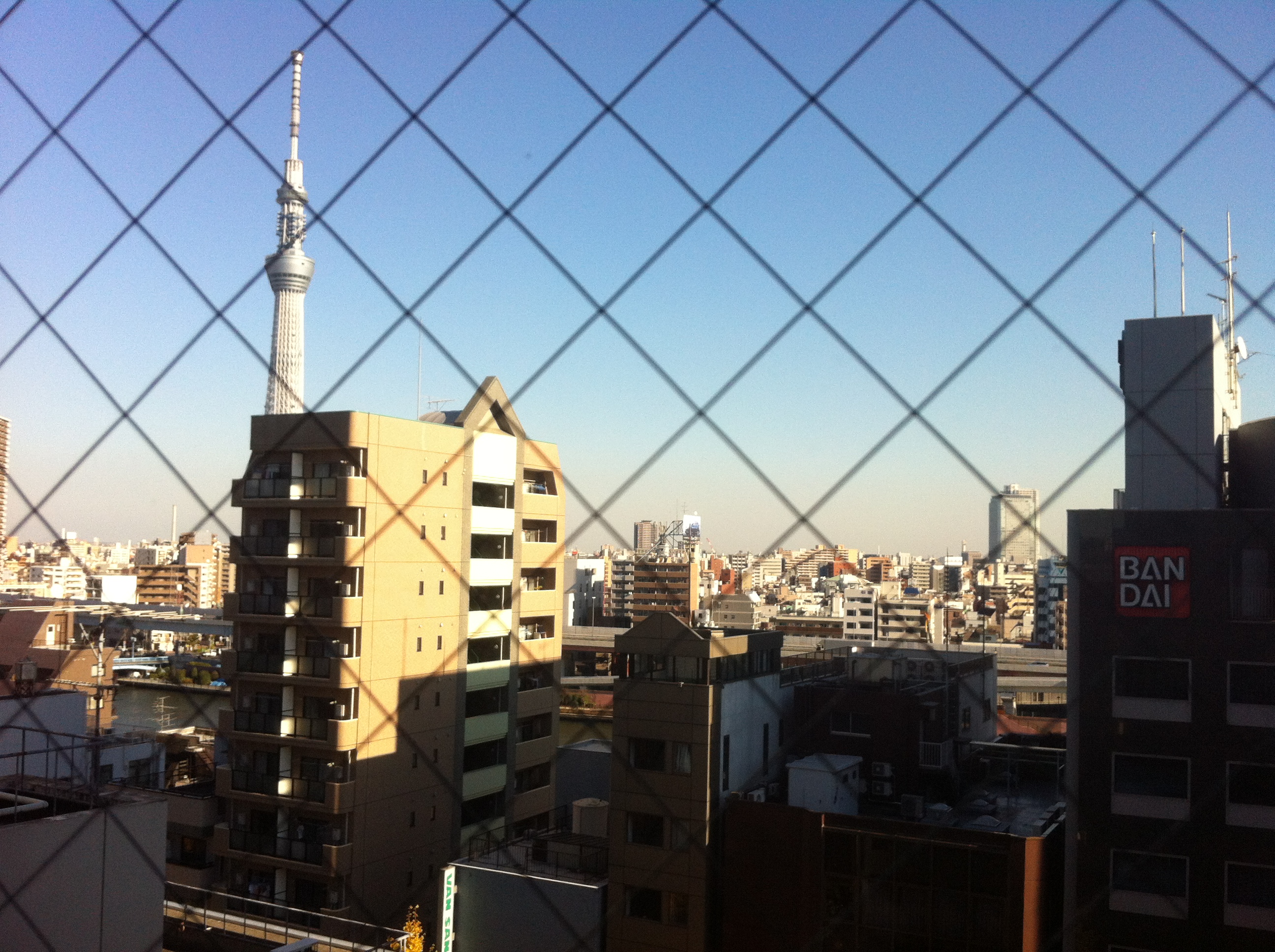 I returned from that trip to Tokyo in December 2011 with a new determination and conviction to take up the Japanese language again. I use the word ‘again’ because I had previously taken Japanese as a language elective module during my varsity years. I had lasted merely two semesters then because I found myself spending more time studying and revising Japanese than the other core modules, which affected my grades. This time, however, I am determined to master it, I tell myself. And when I do, I want to return to Japan, to find a job and experience living in Japan for a couple of years. I am on the verge of realising my dream come August this year.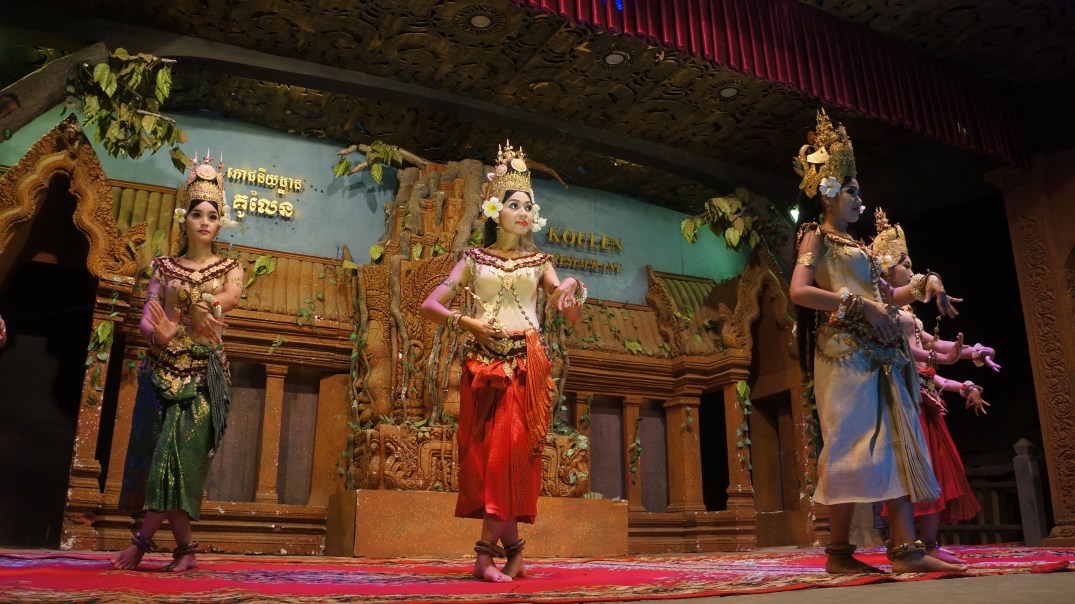
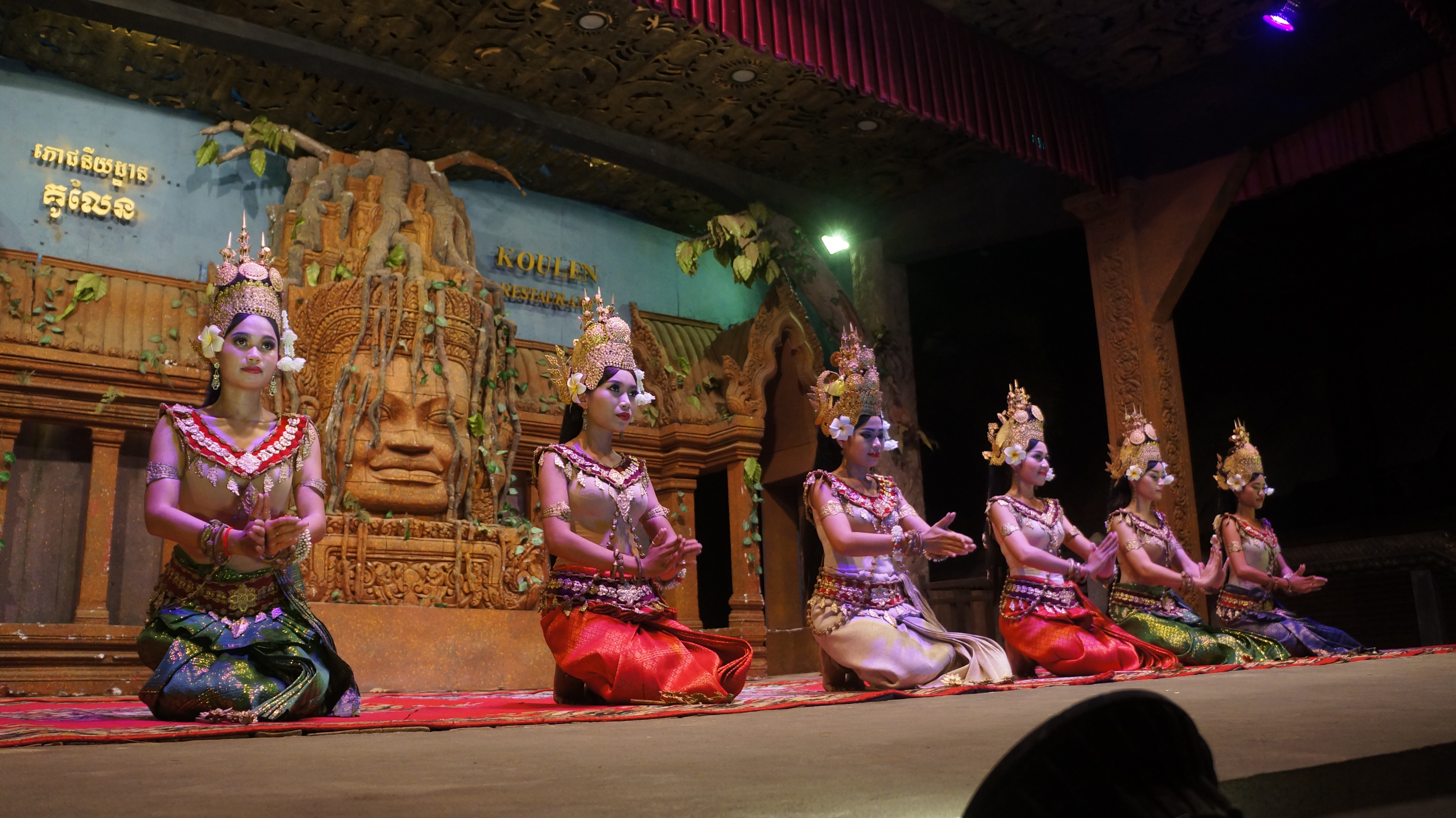
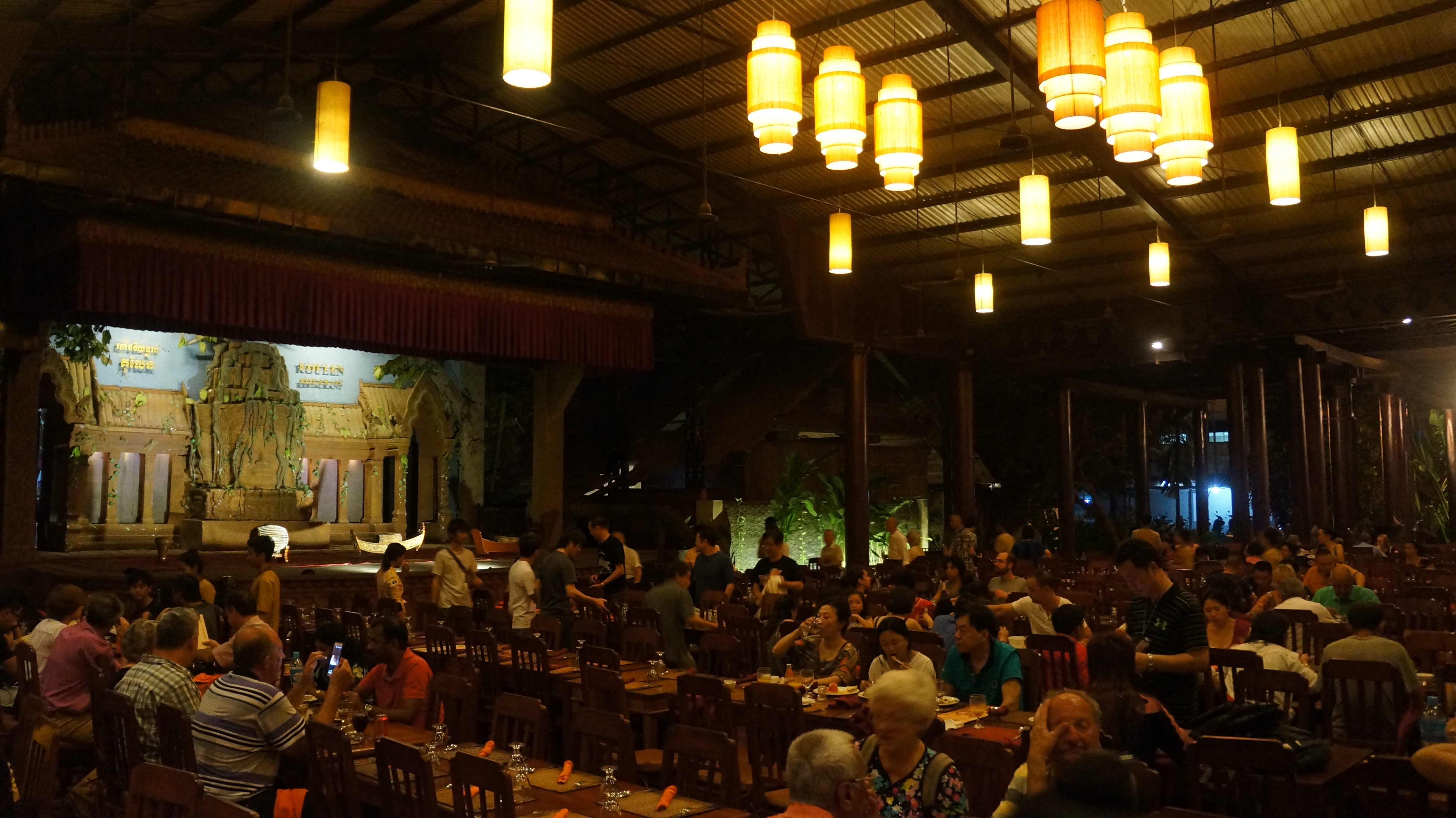 Frankly though, your trip to Siem Reap or Cambodia will never be complete without catching an Apsara performance. Many restaurants in Siem Reap offer this traditional dance performance, although prices vary markedly, so it’s good to check with your hotel before you make a reservation. You can find a relatively affordable meal with accompanying Apsara dance for US$12 at the Koulen II Restaurant. The best part of the deal – it’s a buffet!
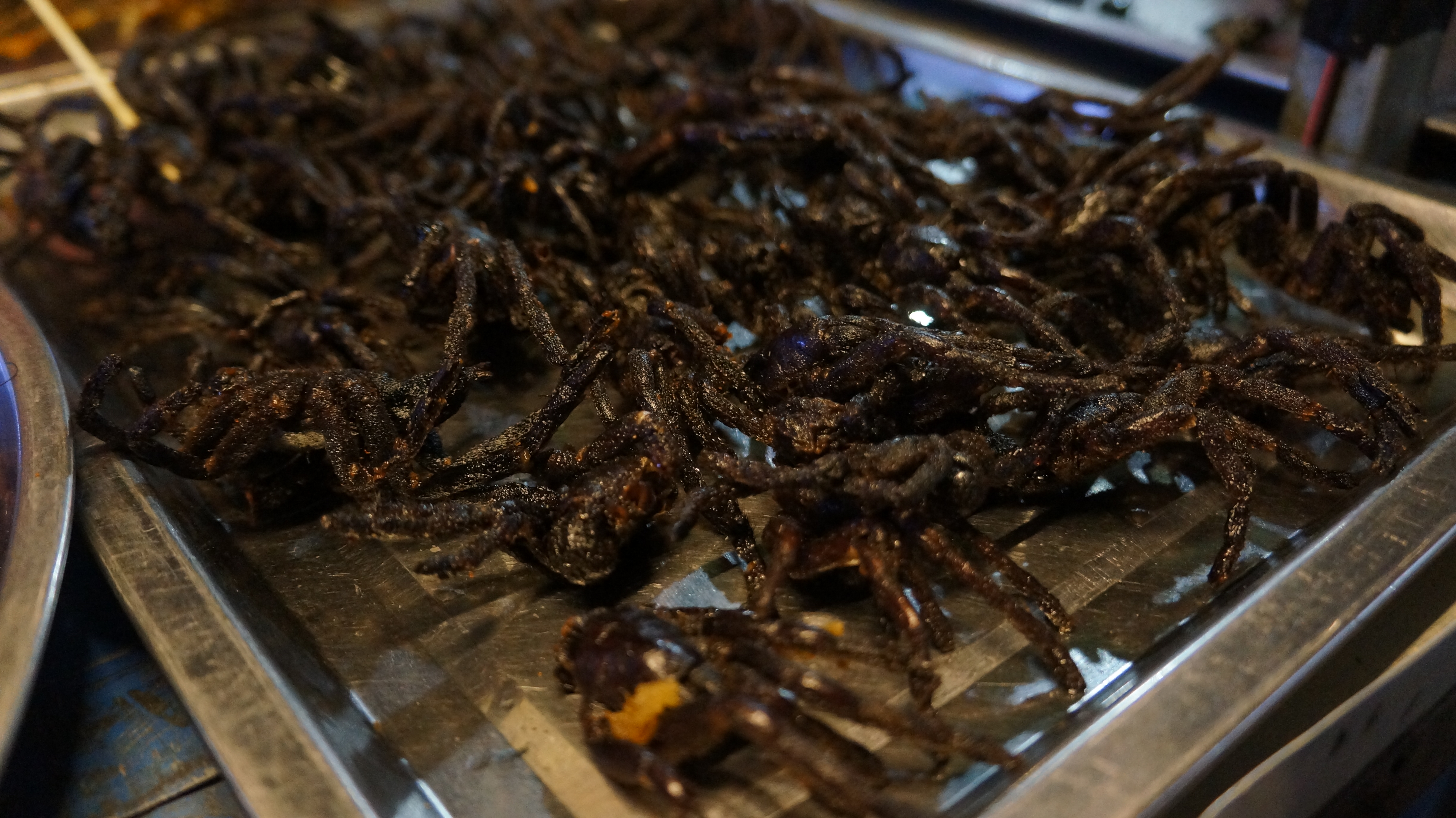
 After your Khmer debauchery, head for the night markets for some bargain hunting. Or indulge your own Fear Factor fantasies by taking on some traditional Khmer street food – fried spiders / scorpions / crickets / baby frogs!





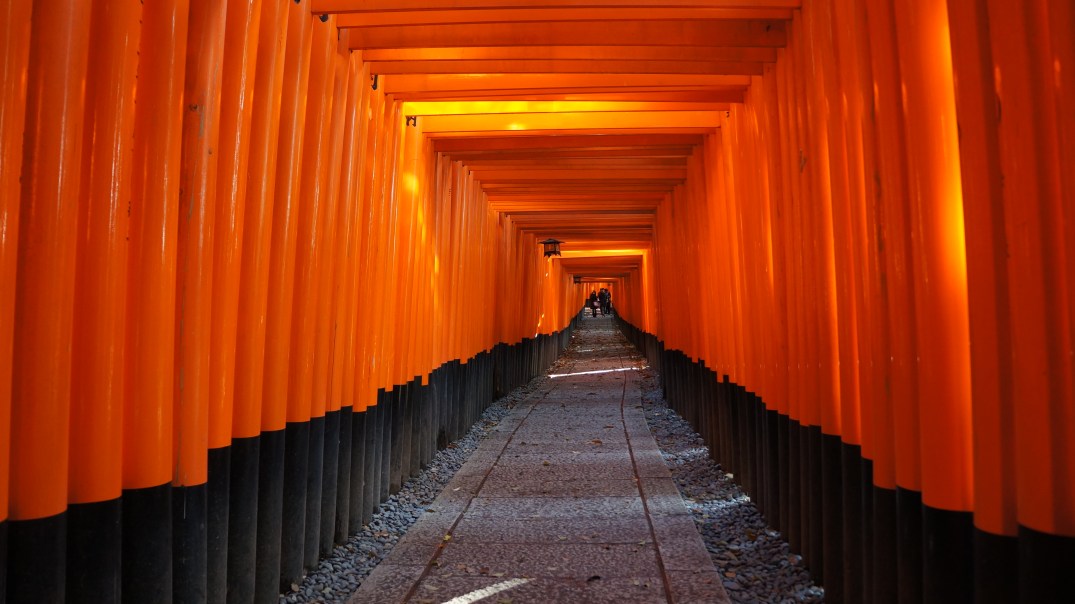
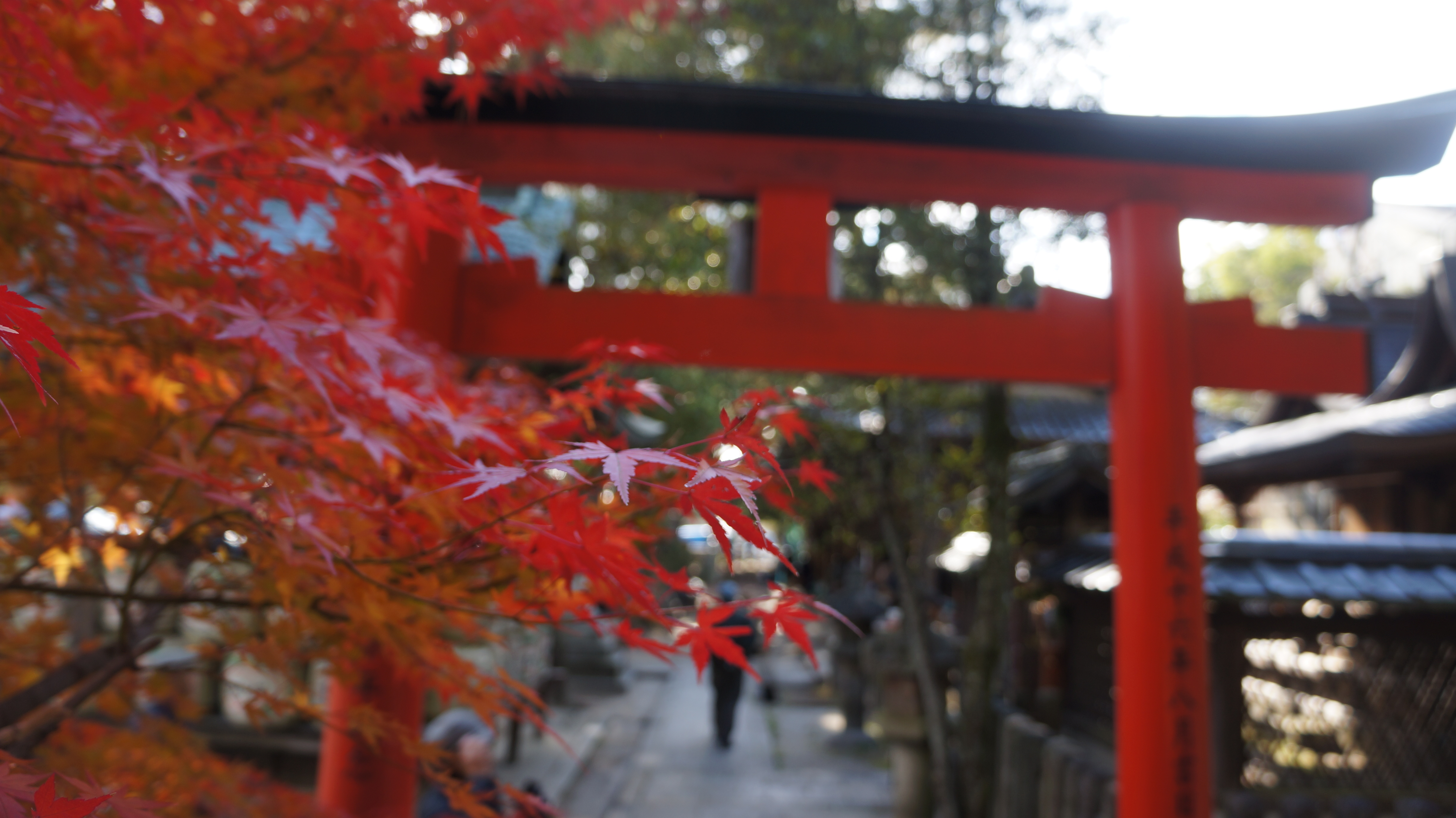 So I’m going to accost your sights with
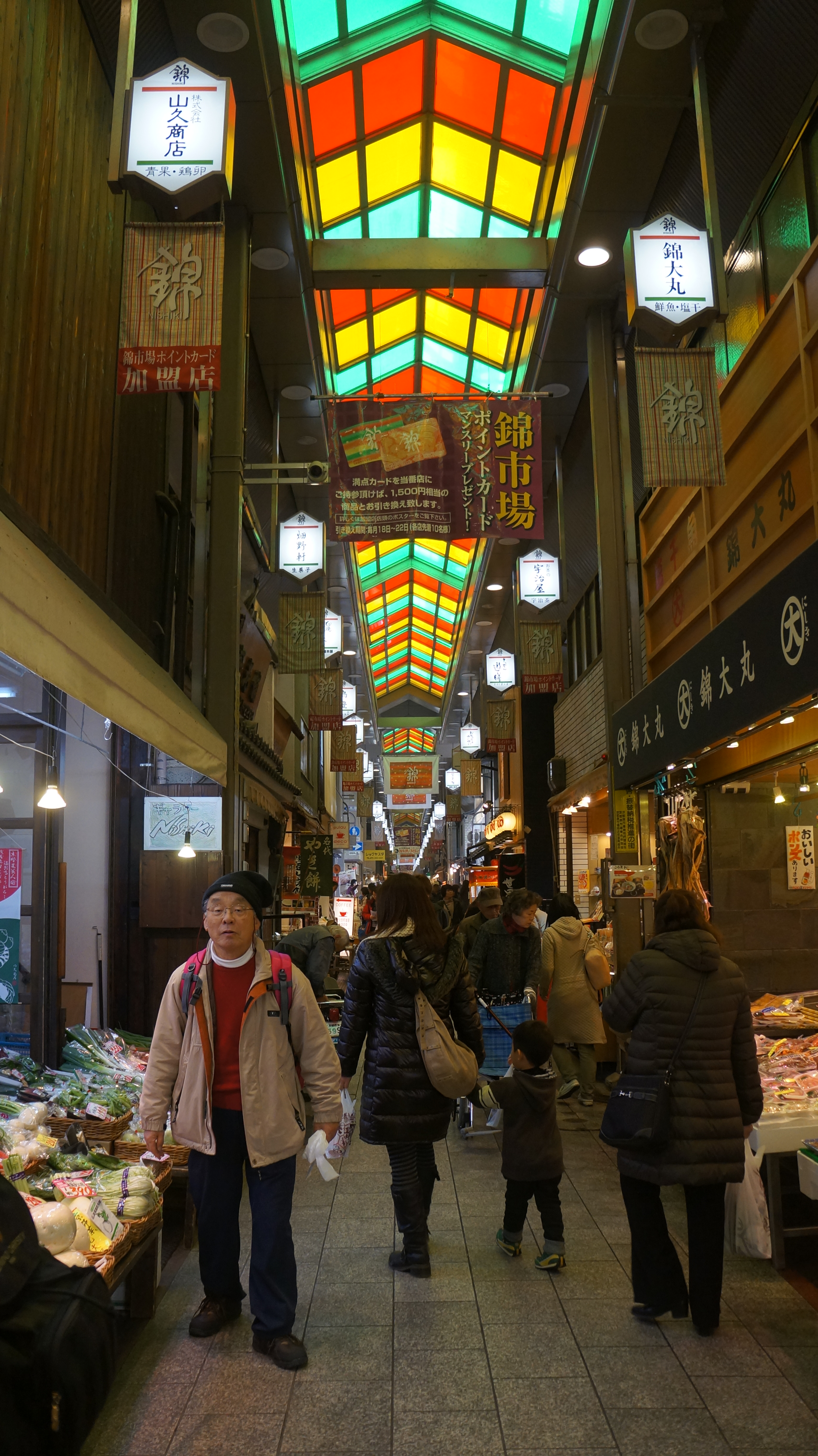
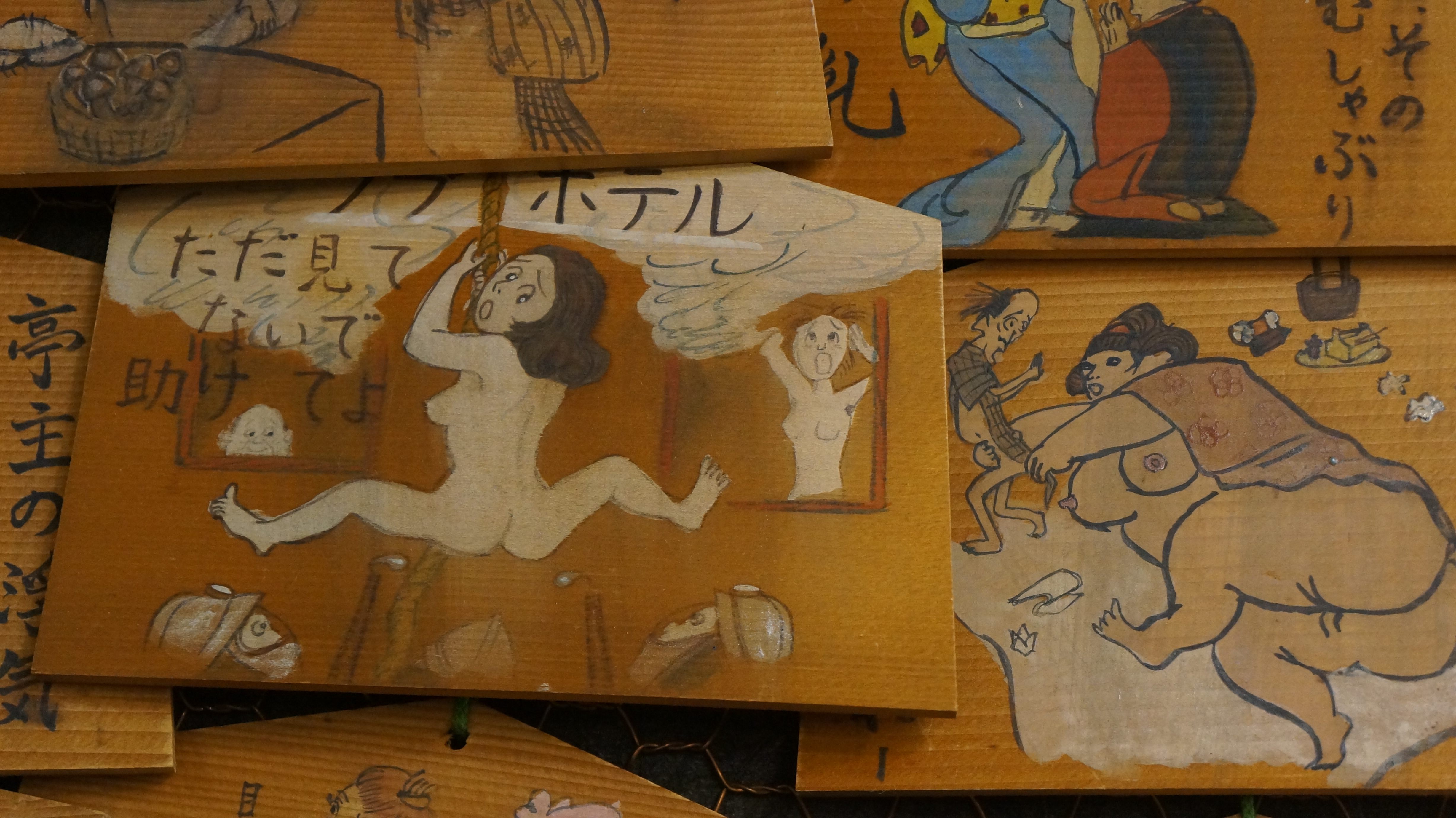
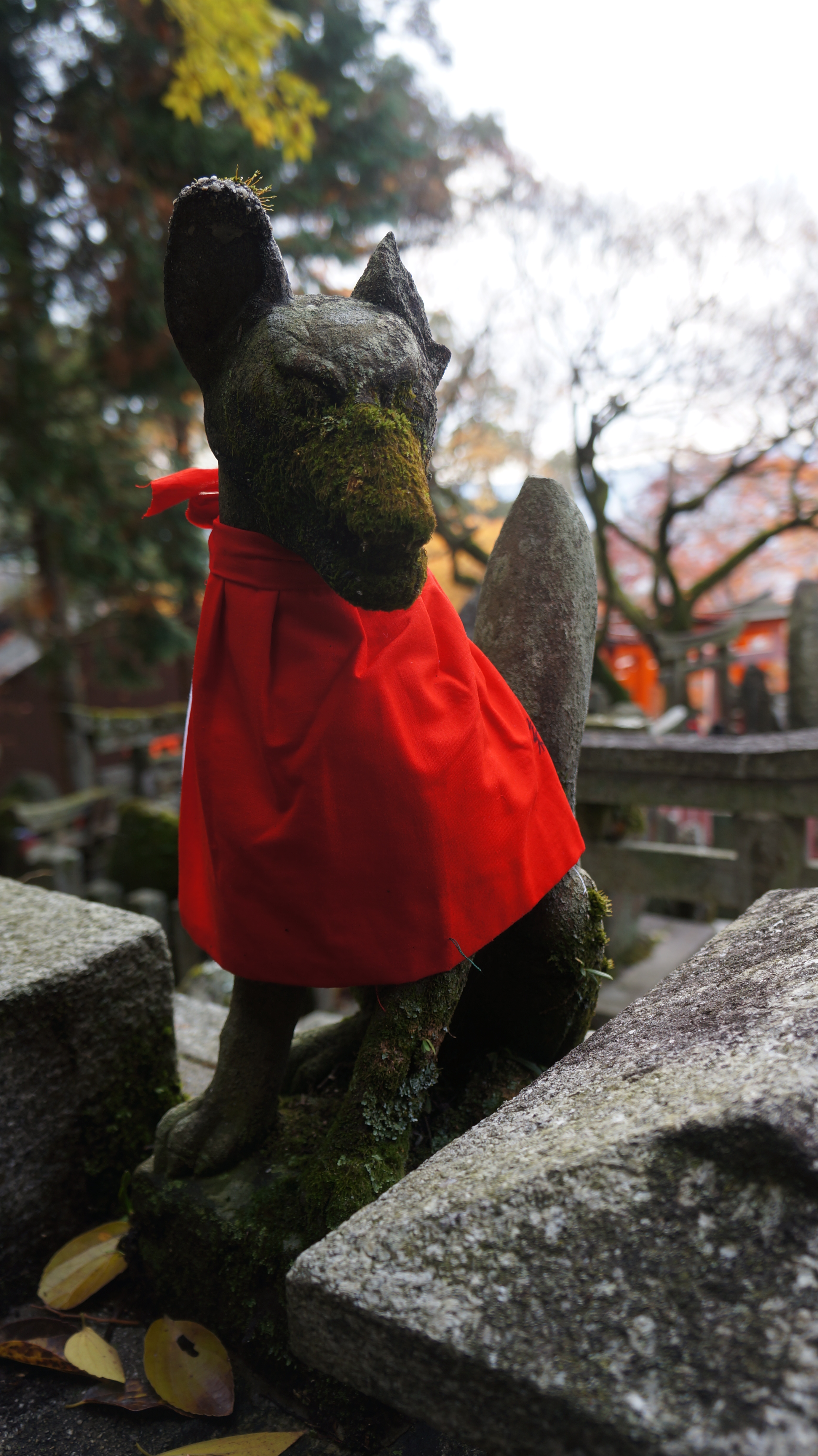
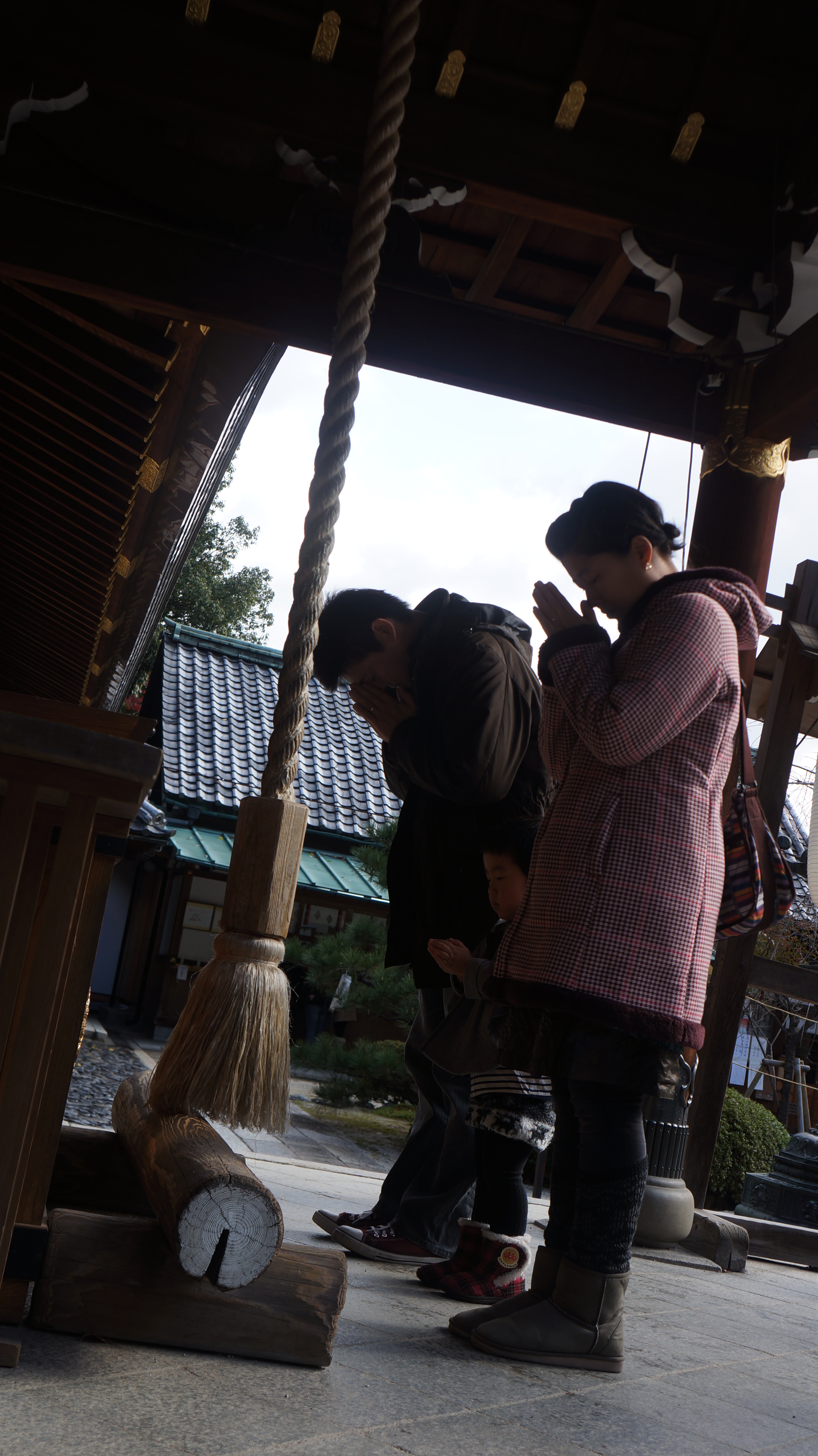
  Here, geishas toting umbrellas totter in wooden clogs on the cobblestoned streets of Gion. Shrines pop up in the most unlikely of places (for example, in the middle of Teramachi, a bustling market and shopping arcade). And just a stone’s throw away from the shopping belt, mega temples built on hilltops instantly spirit you into a zen new world.








 lonesojourns