
Happy New Year Everyone!! It’s 2022!!
I started this year with a new-found freedom. Jobless.
But hopefully, we will start to see the death of Omicron, Delta, Alpha and whatever Covid-19 variants there are out there.
And that means, a chance to return to travel, minus masks, PCR tests, ART tests, quarantines and all those other nonsensical protocols that have been slapped on for the provision of vaccinated travel. In other words, all the things that took the fun out of travelling.
Is it possible to return to pre-covid travel? I’m not sure, to be honest. We can only hope.
In place of regular travel-themed blog posts, I have mostly been writing on LinkedIn, commenting on news or features relating to my interests and experiences in all things Japanese.
So, I thought I would share my latest LinkedIn post here, based on this travel feature on the website Japan Today. However, unlike my post on LinkedIn, I’ve added photos from my own visits from yesteryear and previous blogs about the places.
Here’s what I wrote in my LinkedIn post:
Might be too much of a stretch to compare Otaru to Venice, because unlike Venice, Otaru only has that ONE canal, lined on one side with Showa-era warehouses that have since been converted to restaurants, cafes, music box / glassware “museums” (read “tourist traps).
But, if you are currently in Japan, and have the luxury to travel up north to Hokkaido, may I propose an alternative itinerary – one that is less touristy, perhaps even less trodden among the locals.

1) Rishiri & Rebun Islands 利尻島と礼文島 (the two islands off Wakkanai). Fun fact: The snow-capped peak that features on Hokkaido’s representative omiyage, Ishita Shiroi Koibito 白い恋人 is actually Mount Rishiri, that anchors the island of Rishiri. It’s also most famous for ウニ (sea urchin) & 昆布 (konbu – a type of seaweed commonly used in high-grade Japanese soup stock).

2) Lake Toya / Toyako 洞爺湖. Because it’s not everyday that you get to visit the ruins of a town, preserved in its pristine entirety after the volcanic eruption of Mount Usu (有珠山) in 1977. Expect to see lots of abandoned buildings, some of which are partially buried in hardened volcanic lava. Part Chernobyl-esque, part apocalyptic. If you get too freaked out, retreat to your dig on the shore of Lake Toya, and you are safely back in Winter Wonderland.
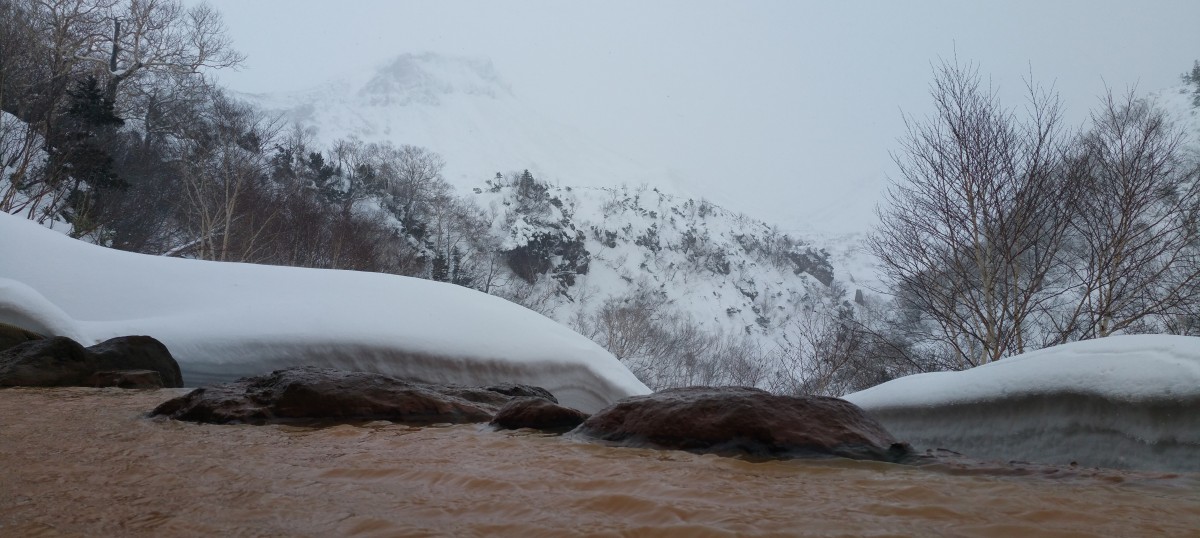
3) Daisetsuzan National Park 大雪山国立公園. Accessible from Asahikawa 旭川, Hokkaido’s 2nd largest city but much less frequented by tourists or locals, save for Asahiyama Zoo. Soak in the view of the snow capped peaks in the company of octogenarians and snow monkeys in an onsen perched near the summit. Oh, and did I mention that it’s free and communal (i.e. men & women share the same tub). LS
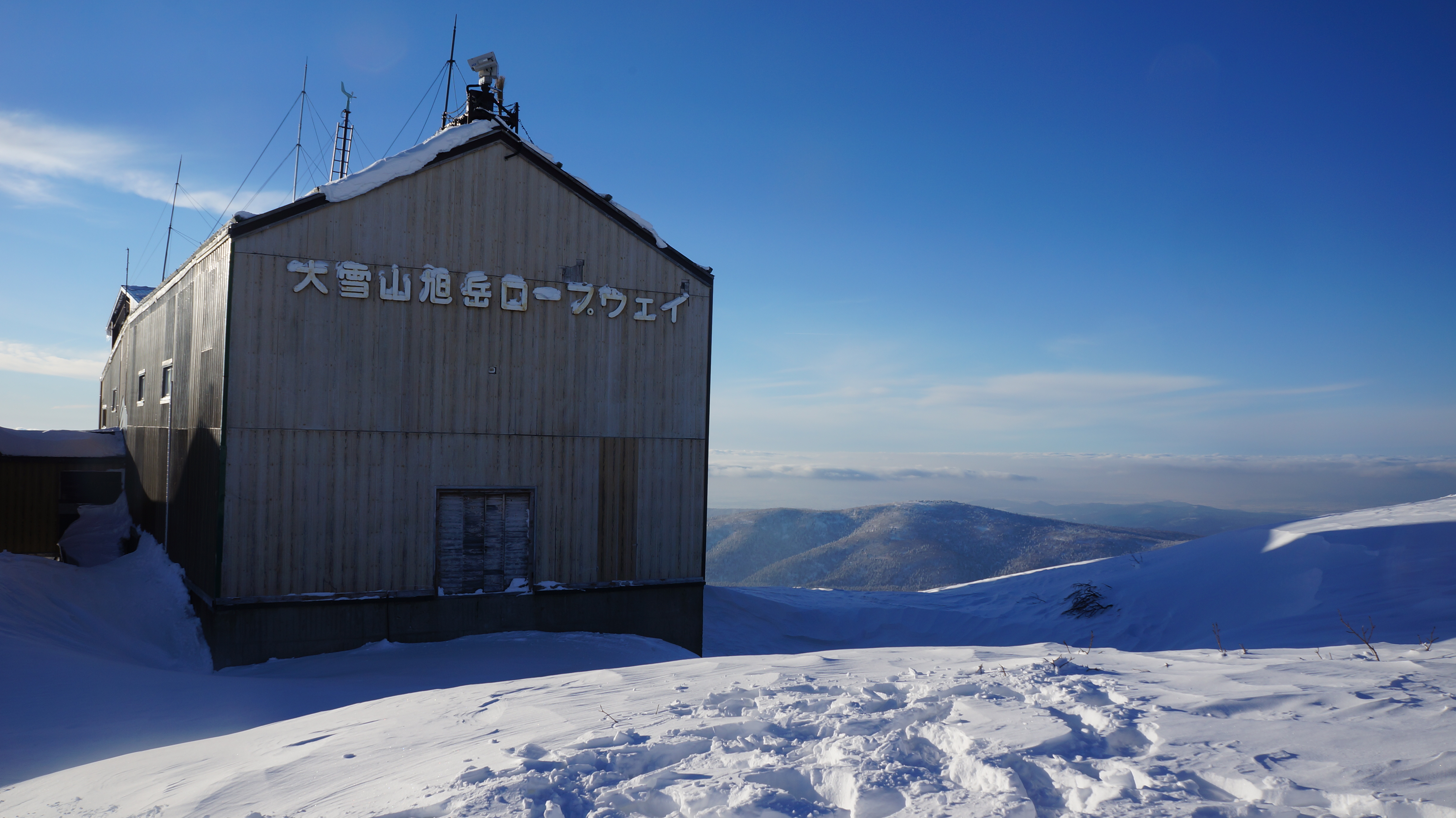
 It’s that time of the year again, when winter puts up a valiant fight with spring in a tenacious tug-of-war that manifests itself in the daily temperatures in Japan. Last week saw a violent blizzard pummel the whole of Hokkaido, forcing schools to close and kids to stay at home. (Teachers, of course, report for work as usual. Don’t ask me why, because this is Japan. Logic doesn’t hold much sway here).
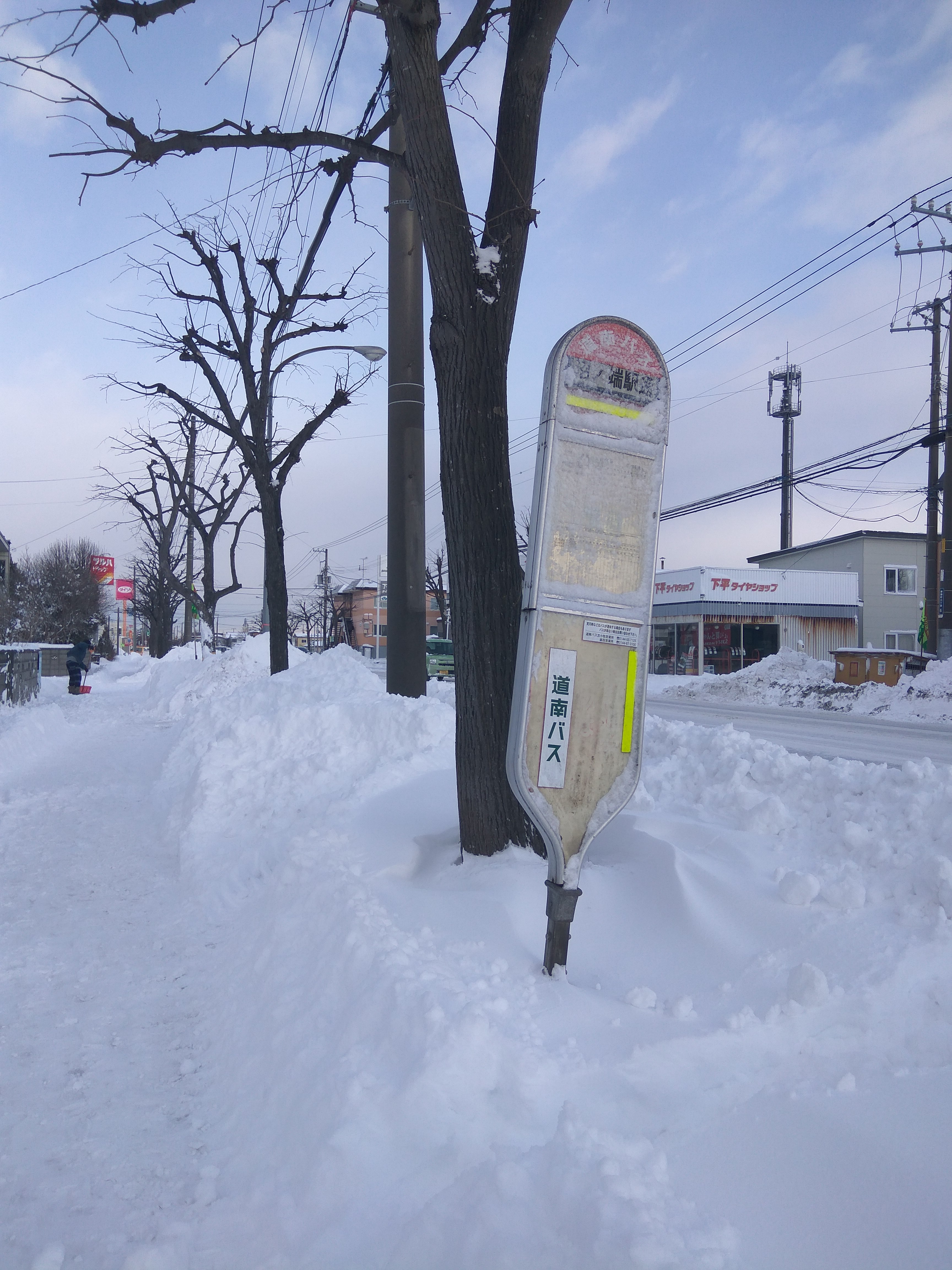 I can’t wait for winter to pass. Winter sucks. I hate being woken up by frozen toes in the early hours of the morning. I’m sick of having to do a merry dance to the toilet, which for some reason only the architects in Japan know, is situated next to the door to my apartment. I resent having to pile layer upon layer of clothing, and yet my fingers still freeze every time I head out. In a nutshell, I hate winter, and I’m more than happy to see the last of it. Yet, every evening when I watch the news on TV, I’m reminded that I live in Hokkaido, where winter lasts half a year. Even as daily temperatures rose across Japan, here in Hokkaido, we are still mired in sub-zero temperatures.
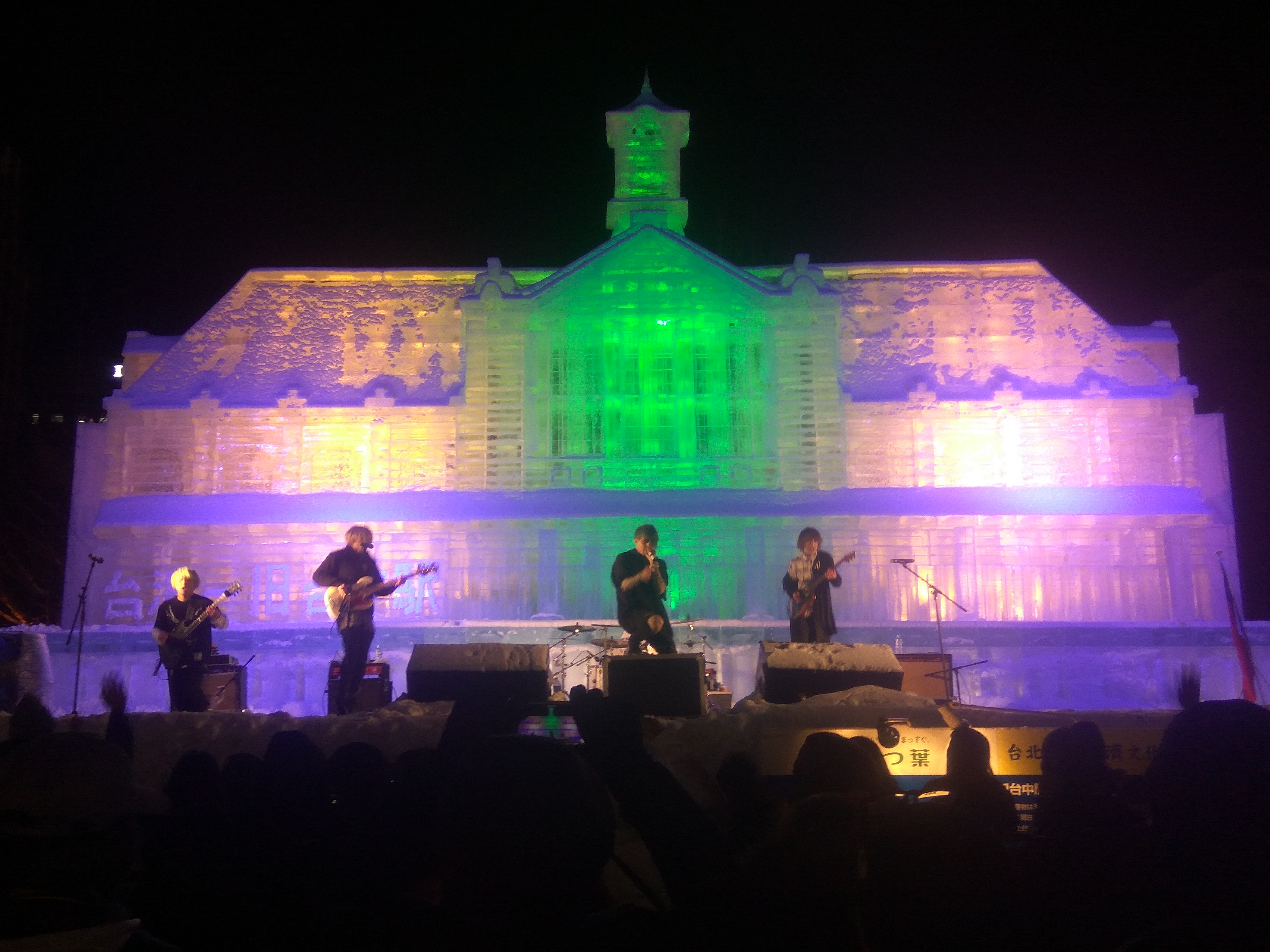 Its powder draws avid skiers and snowboarders around the world to its numerous ski resorts. The annual Sapporo Snow Festival is a top tourist draw, transforming Odori Park into a winter wonderland. Many cities and towns in Hokkaido, too, have their own mini version of snow / ice / winter festivals, not so much to celebrate the cold as to find an excuse for debauchery.
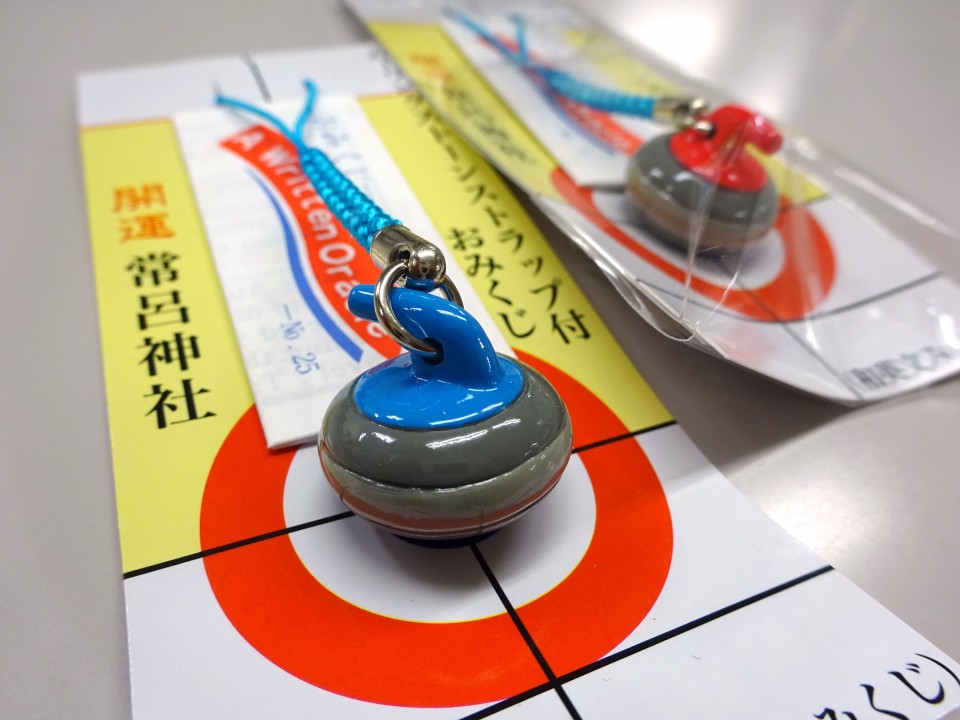
 In February this year, the Winter Olympics was held in Pyeongchang, South Korea. Olympic fever gripped Japan, its athletes dominating daily news headlines in a country that is always eager to celebrate and worship sporting excellence. The press hailed the graceful performances of male figure-skating champion Hanyu Yuzuru and praised female speed skater Nao Kodaira for her display of sportsmanship in embracing a tearful Lee Sang-hwa.
 Chinami Yoshida (second from right) celebrates with Japanese skip, Satsuki Fujisawa and other members of the Women’s Olympic Curling Team after edging Britain to the bronze medal at the Pyeongchang Olympics, South Korea. Source: Reuters Pictures.
 Source: Kyodo News.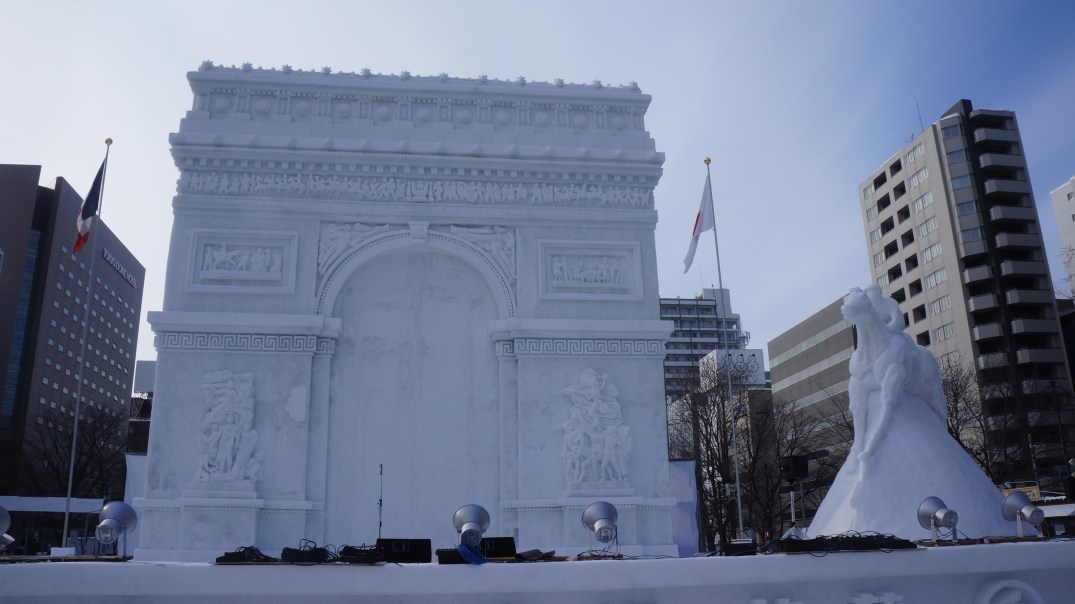

 lonesojourns