What is the first thing you would do if you have just reclaimed your kingdom that was plundered from you in a surprise attack? Arm yourself in preparation for a reprisal, of course!
This could have been the motivation behind Jayavarman VII (the Cambodian king responsible for Angkor Wat and many other magnificent temples) when he successfully regained Angkor from the Chams (from the Kingdom of Champa) of Southern Vietnam.
One of the first tasks that Jayavarman VII undertook after the recapture of Angkor was to construct a new fortified city – one that would cover a massive 10 square kilometres, surrounded by gigantic walls and a massive moat – the city of Angkor Thom.
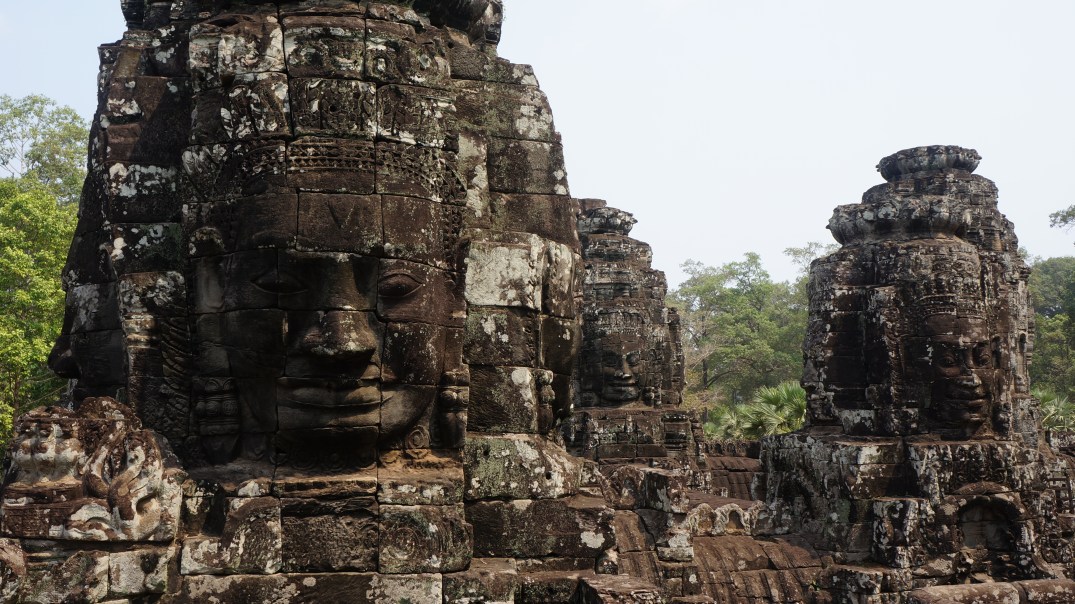
And Bayon was its crown jewel.
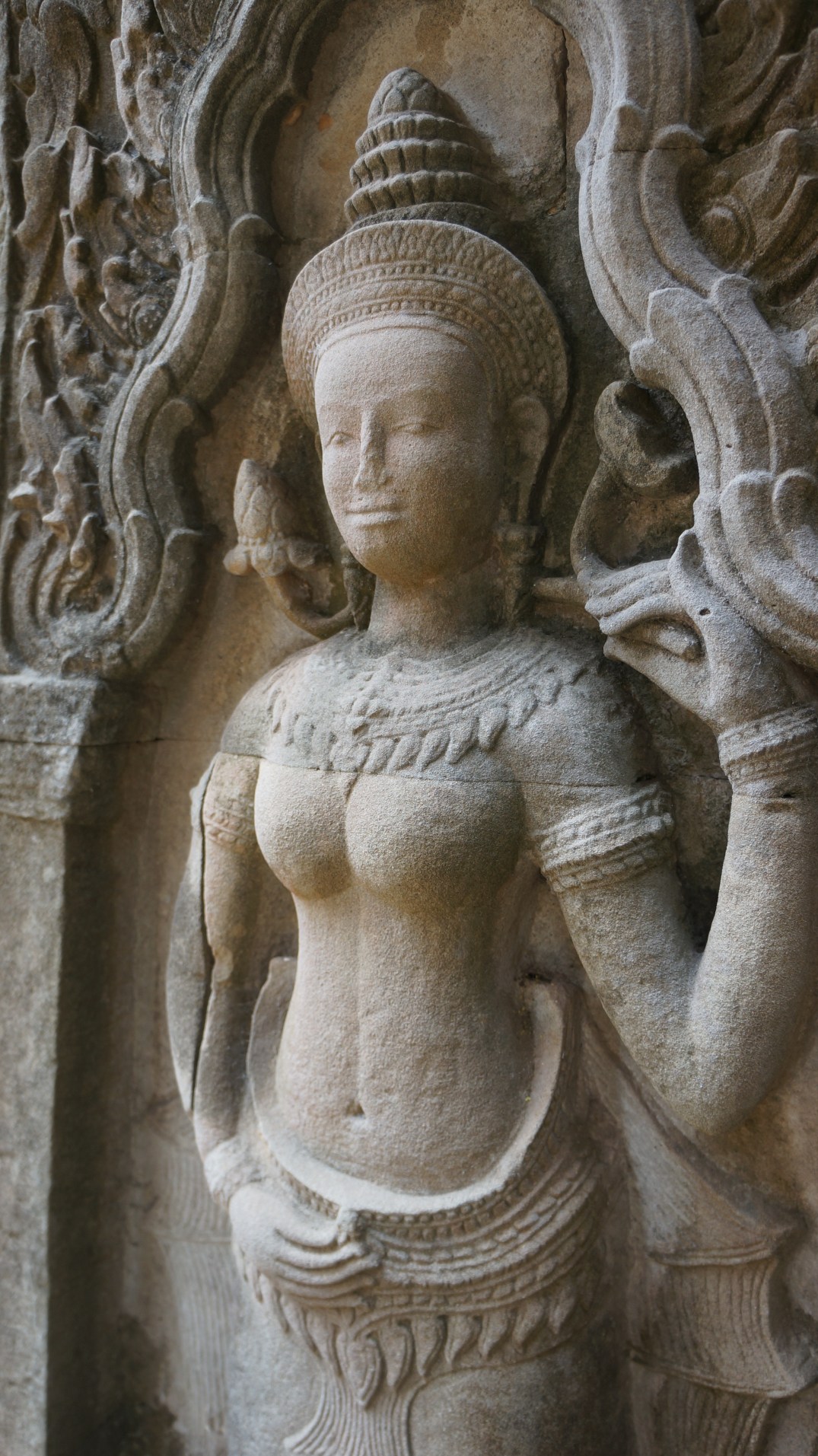
Constructed as a state temple of Jayavarman VII, the Bayon signified a great departure from the usual quincunx layout (imagine five dots on a dice) that you find in most other Angkor temples. Instead, 216 enormous square faces of Avalokiteshvara (which some say are ‘caricatures’ of the king himself) are spread out over 54 towers, looking in different directions.
 Archaeologists have debated the exact function and symbolism of Bayon, according to Lonely Planet. However, if you were trying to guard against a counterattack from your enemy, the scenario that Jayavarman VII found himself in at that time, the many faces of your own portrait, designed to pass off as similar to that of a Bodhisattva, makes perfect sense.
Because to the enemy, seen from a distance, it would appear as if the King (or Buddha) himself is watching over the city from every conceivable angle, exuding a mystical power and aura over the fortified city. It was also said that Jayavarman VII had adopted Mahayana Buddhism and the Avalokiteshvara was his patron ‘Buddha’.
Today, most of the 216 faces have been painstakingly restored, and quietly watch over the Angkor Wat to its south, Ta Prohm to its east, and Preah Khan to its northeast.
These faces are also the subjects of comic selfies and photo opportunities of countless tourists, all eager to stage a personal ‘attack’ on these faces.
You could ‘kiss’ the Buddha, ‘touch’ your nose with Jayavarman (Maori style), ‘hold’ Avalokiteshvara in the palm of your hands, or even ‘stick’ a finger up one of its nostrils, according to a local temple guide who grabbed my camera and enthusiastically showed me all the different possibilities, in exchange for a quick US$2 tip.
I politely declined his offer, and wistfully, wondered what Jayavarman VII would have thought of this. LS


 Everyday, at around half past four, a pilgrimage of sorts – comprising tuk tuks (a local motorcycle taxi), mini-vans, and tour coaches – descend in droves to a sandstone causeway. Here, the pilgrims (a veritable mixed bag of nationalities) disembark.
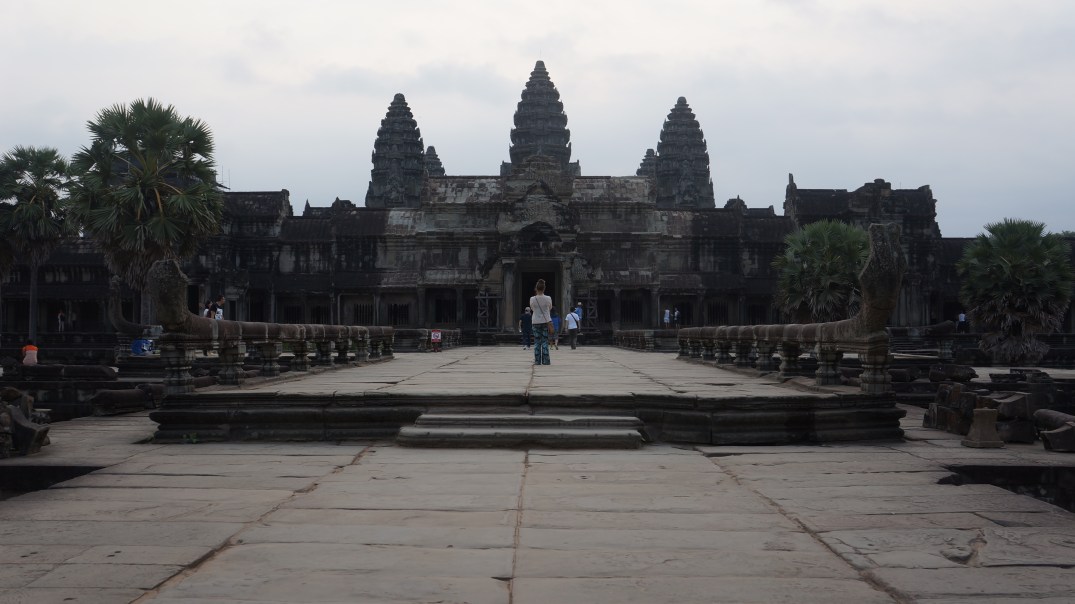
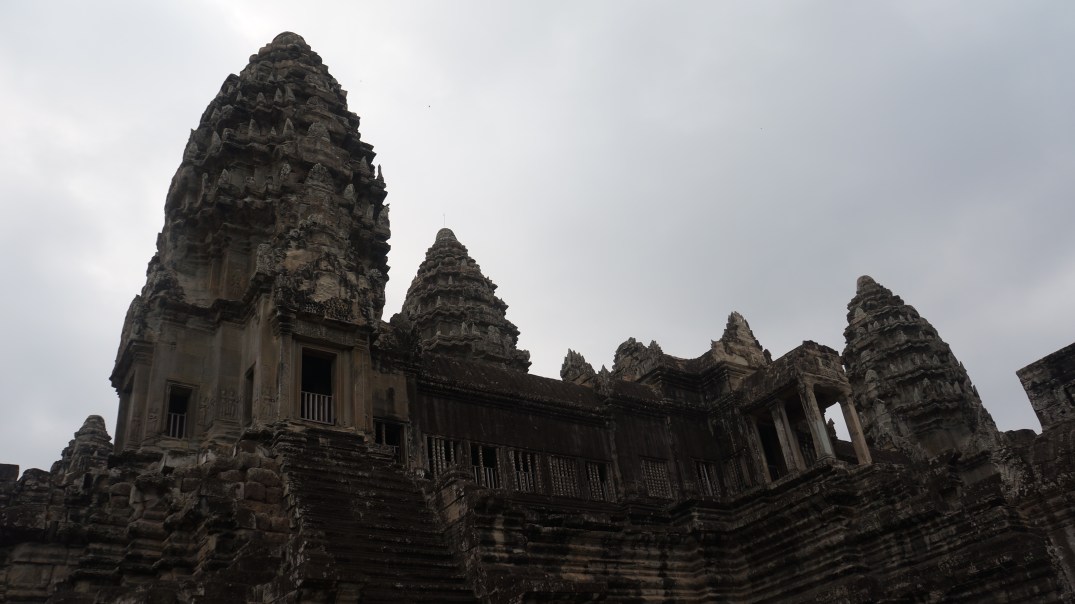
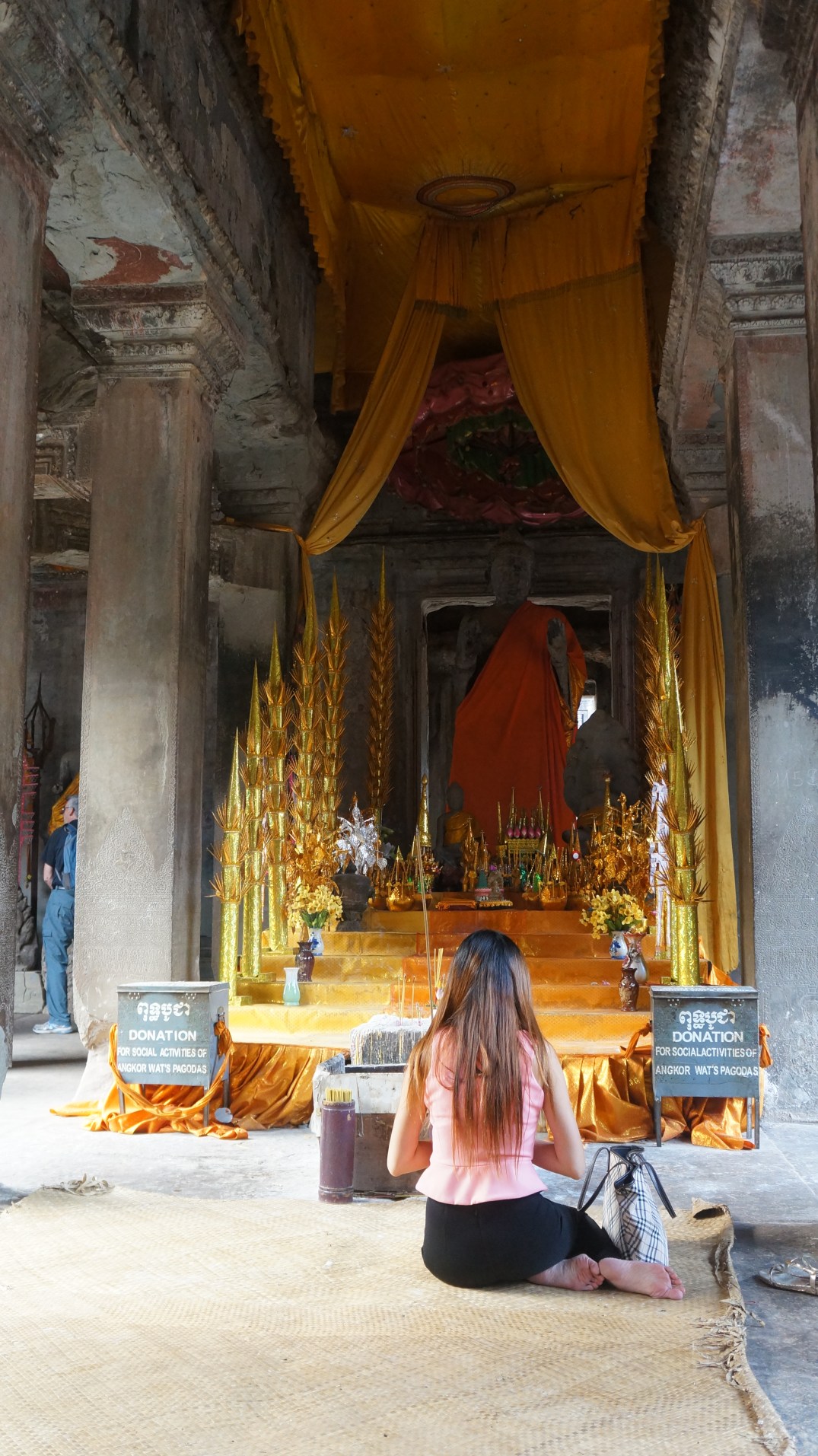

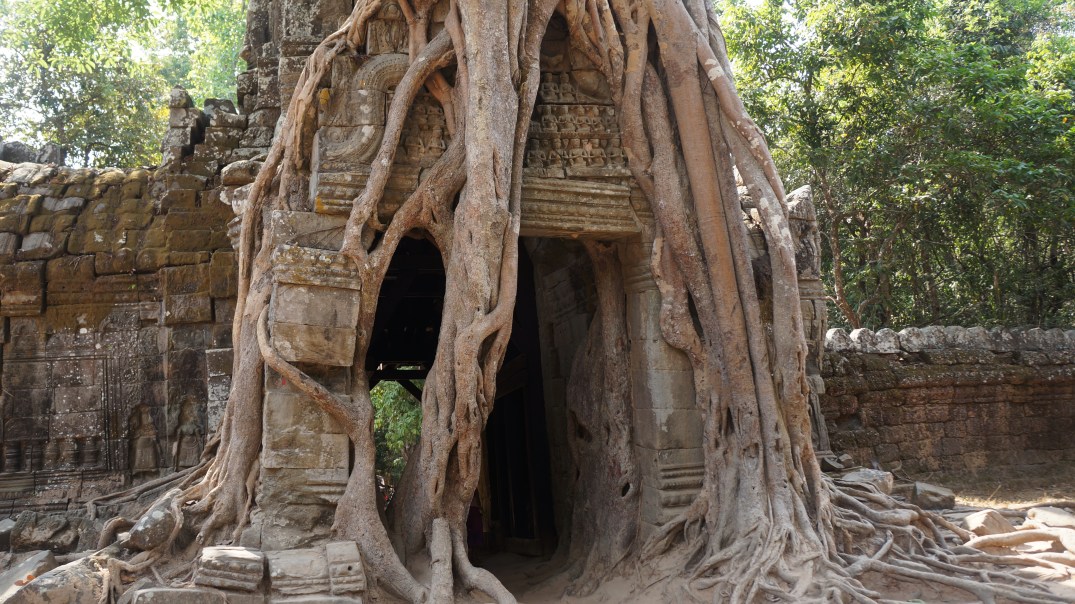
 Half the fun of exploring the architectural wonders of the Khmer kingdom lies in reading up the rich history of each shrine and monument. I know this sounds like a wet blanket but really, reading up on the history of the Angkorian period (AD802 – 1432) and the many kings that embarked on their own building fantasies – each, of course, with the view to leaving behind his own legacy (and hopefully outdoing its predecessors), allows you to appreciate these stunning behemoths. Without the historical context, it’s easy to get ‘temple fatigue’ after a day at Angkor, and all you may see are just piles of stone and rubble.
 Preah Khan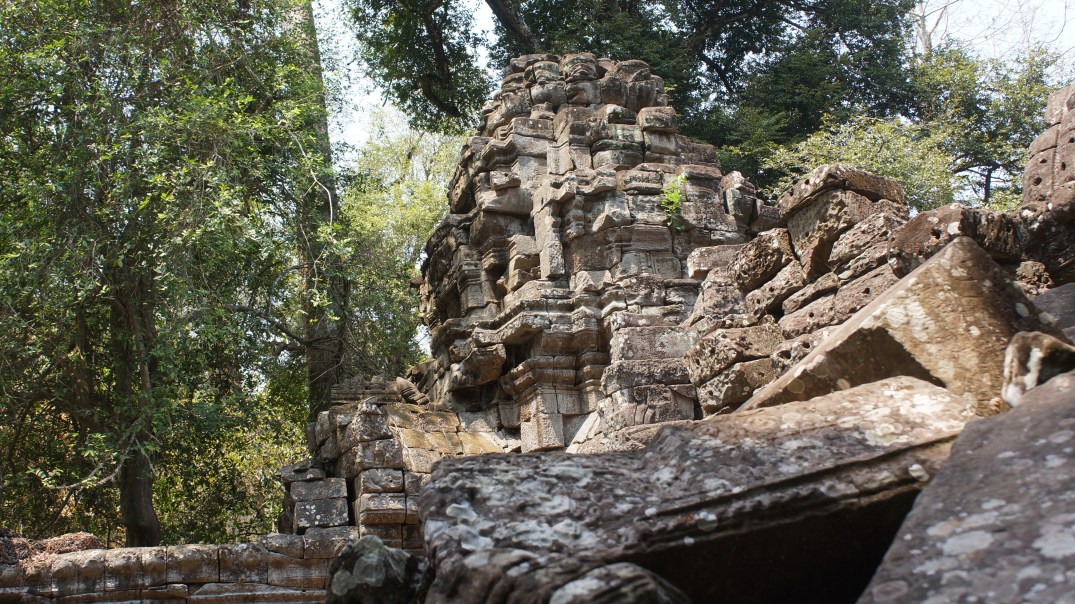


 East Mebon
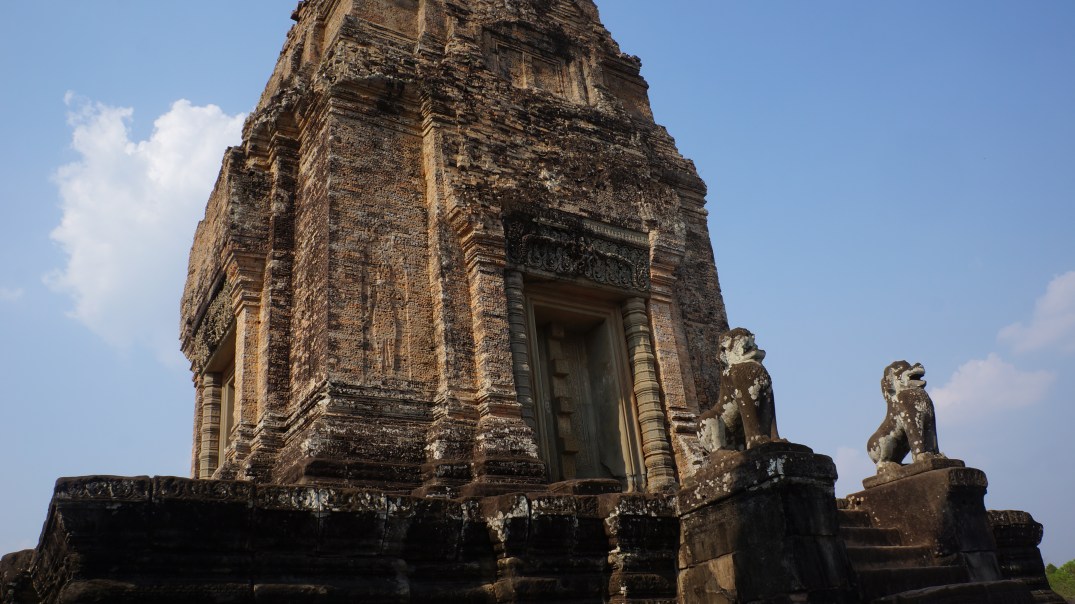
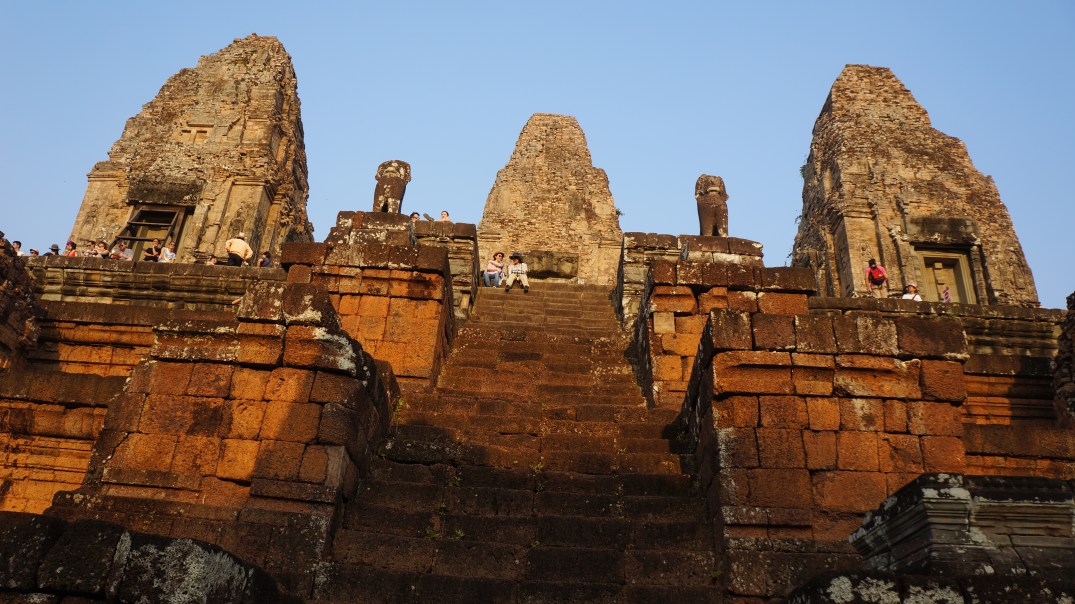 Pre Rup


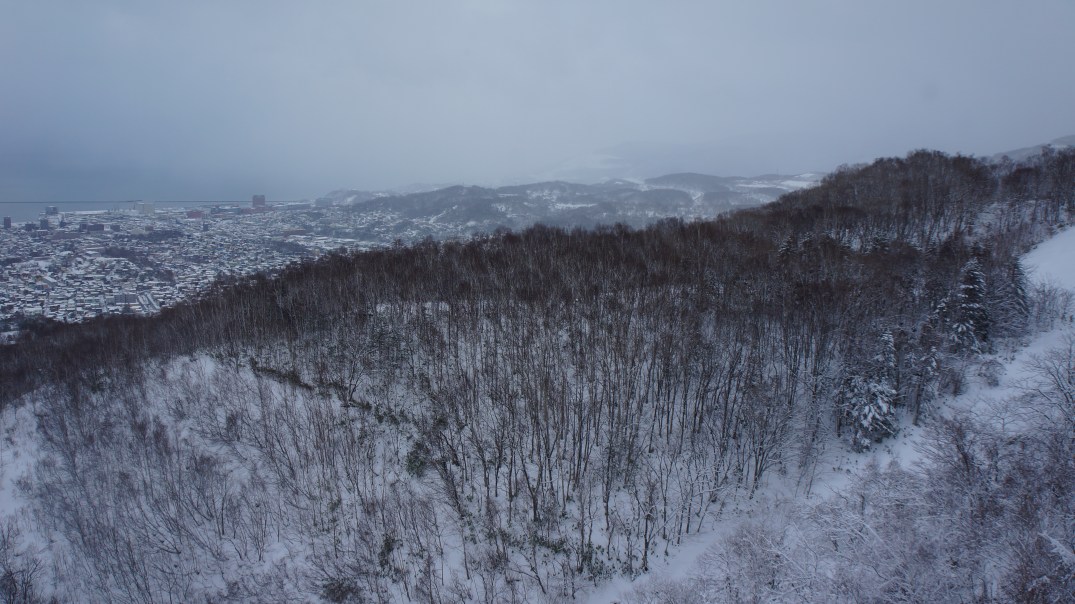
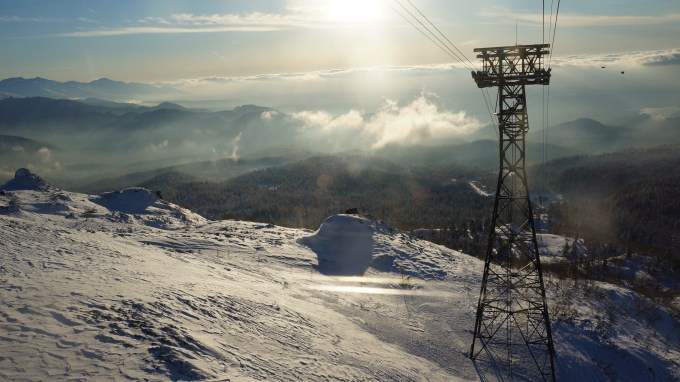
 And that’s not all. If you make the short hike up Nishiyama, you would be confronted by another view – on both sides. One side takes you to a baby caldera lake, the other opens up to the Sea of Japan.
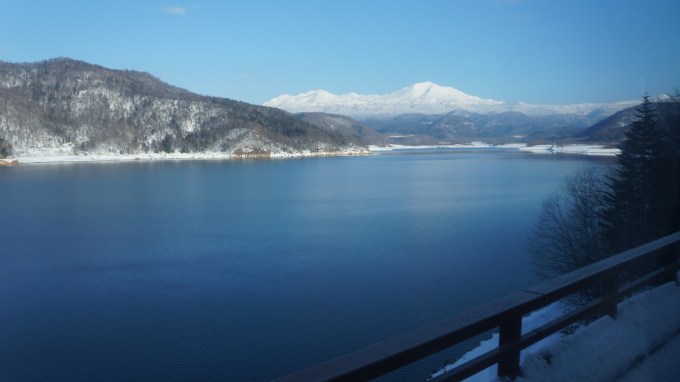
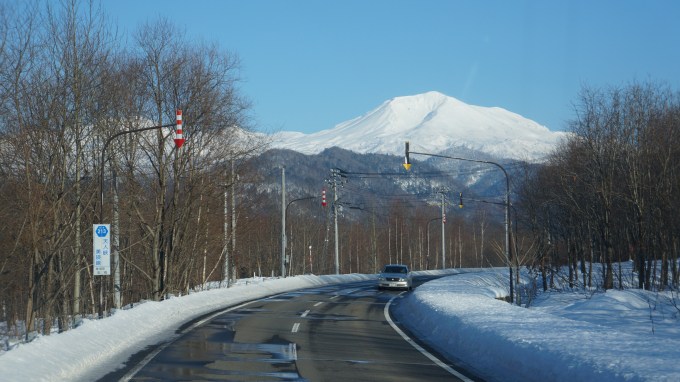
  One of my personal highlights on this trip to Hokkaido are the train rides. I know train journeys can be boring, monotonous, painful, even nauseating for some people. And some popped the sleeping pill almost as soon as they boarded the train. But I assure you that in Hokkaido (unless you’re a local of course), train rides are an excellent opportunity to marvel at the natural beauty of Hokkaido.
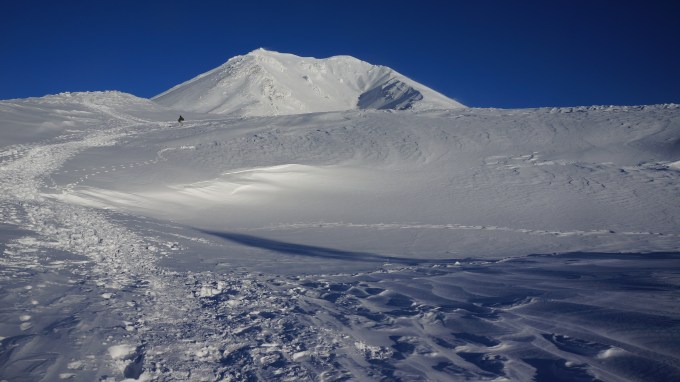
 Every time the train emerges from a tunnel, a new snow draped mountain unfolds before my eyes. And like the curtains on a stage, the peaks start to reveal themselves one after another. I zipped past endless rows of snow-spangled cones from

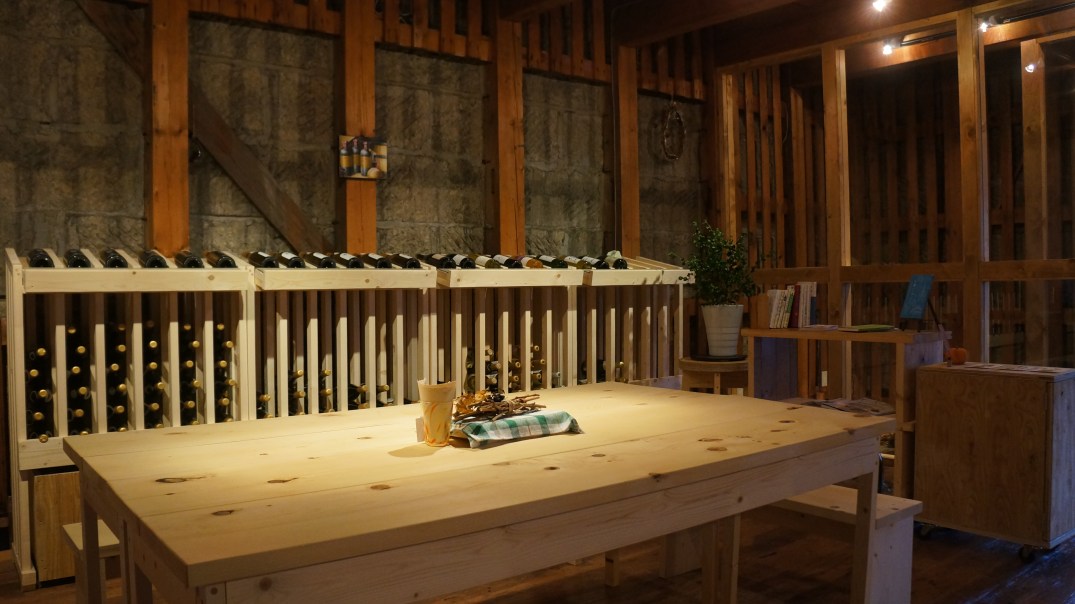

 Outside, the snow continued without any signs of calling it quits. On a day when I had decided to venture to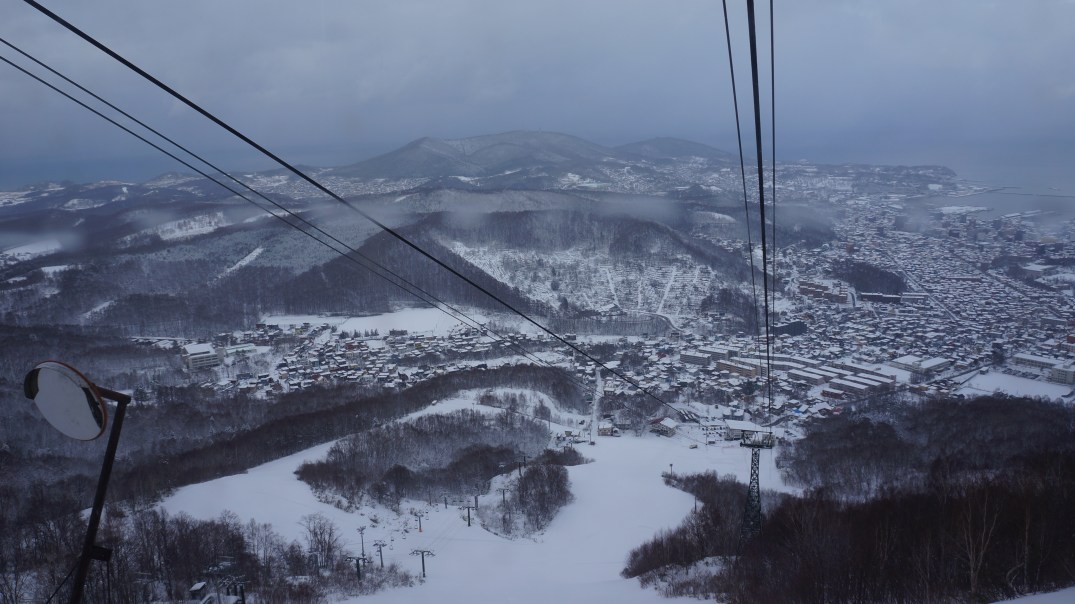

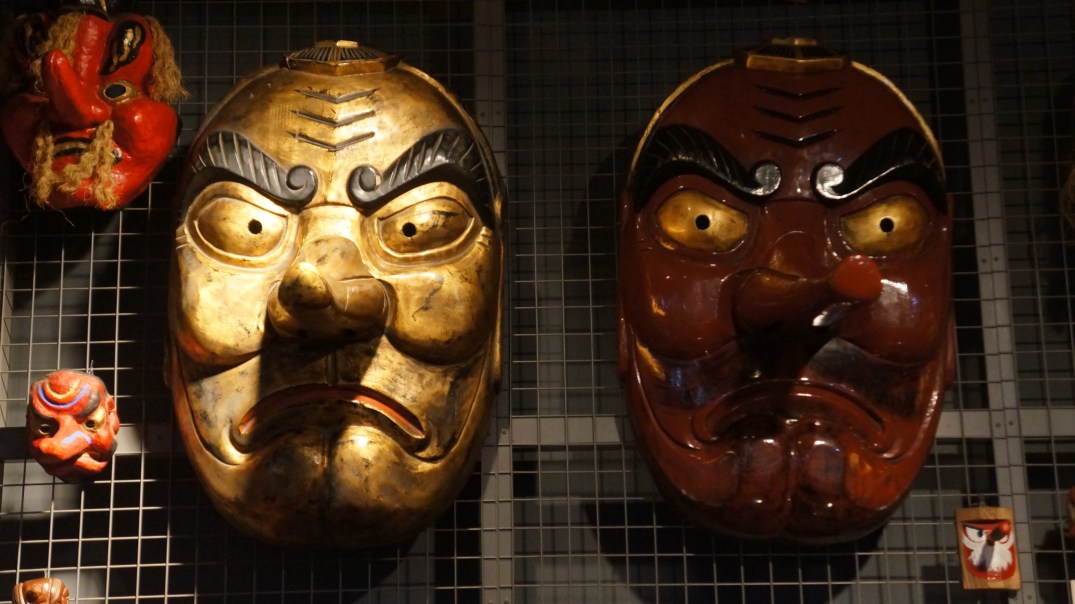


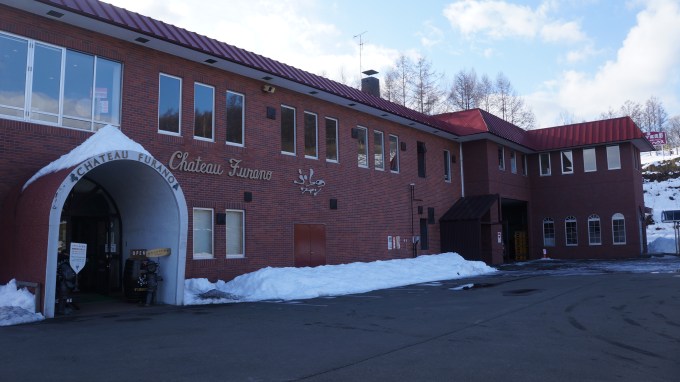
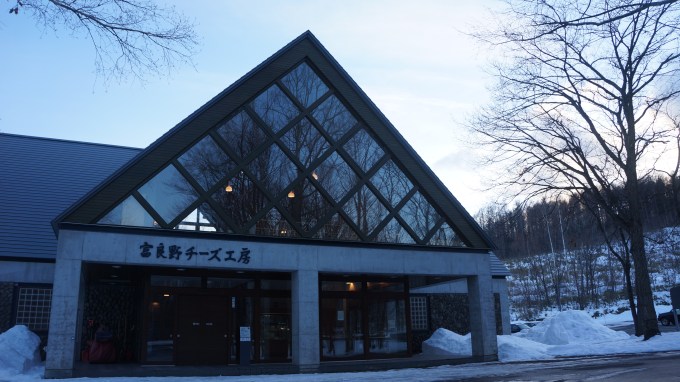 Anyhow, while reading up on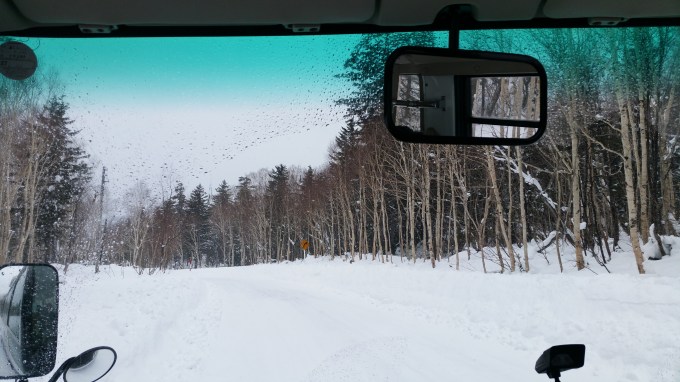

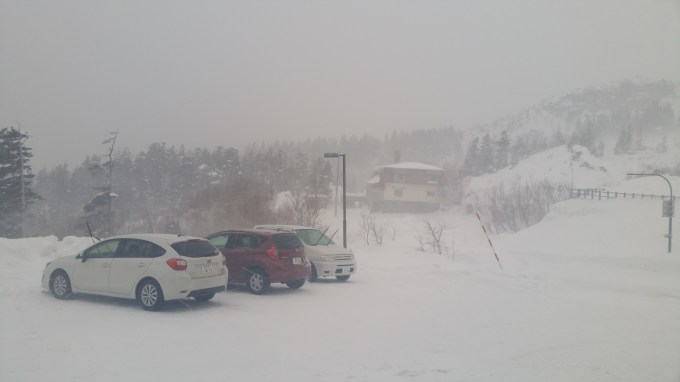 As it turns out, the journey to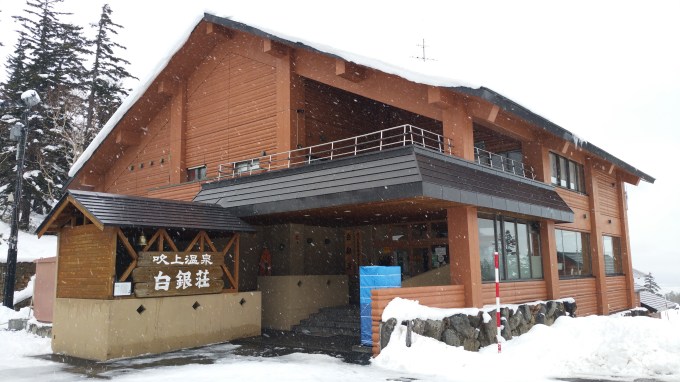
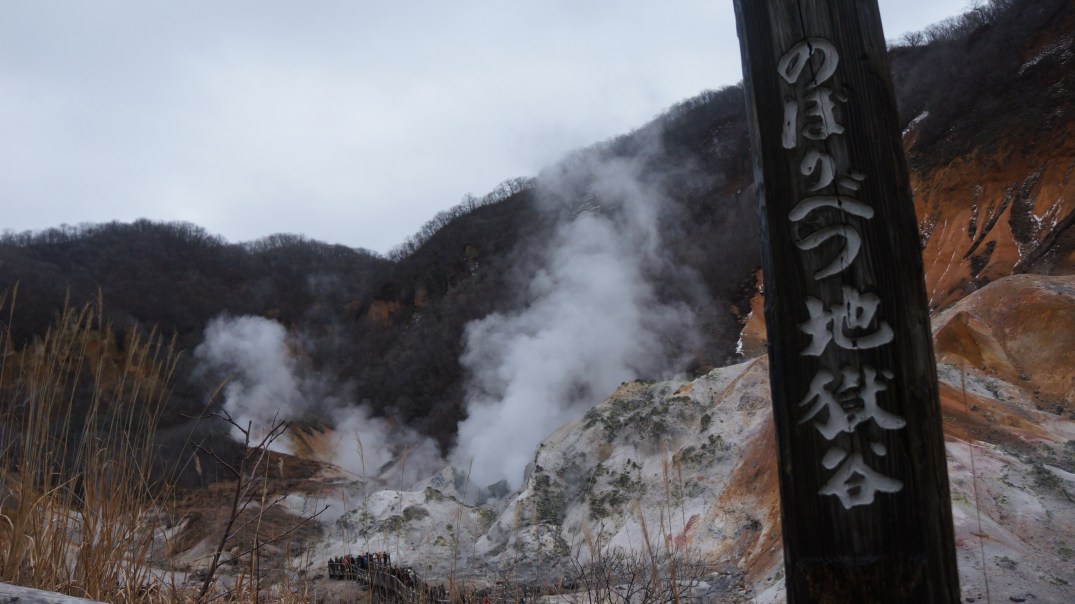
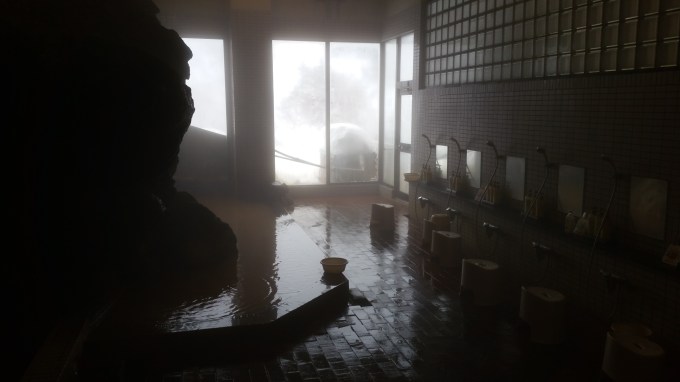
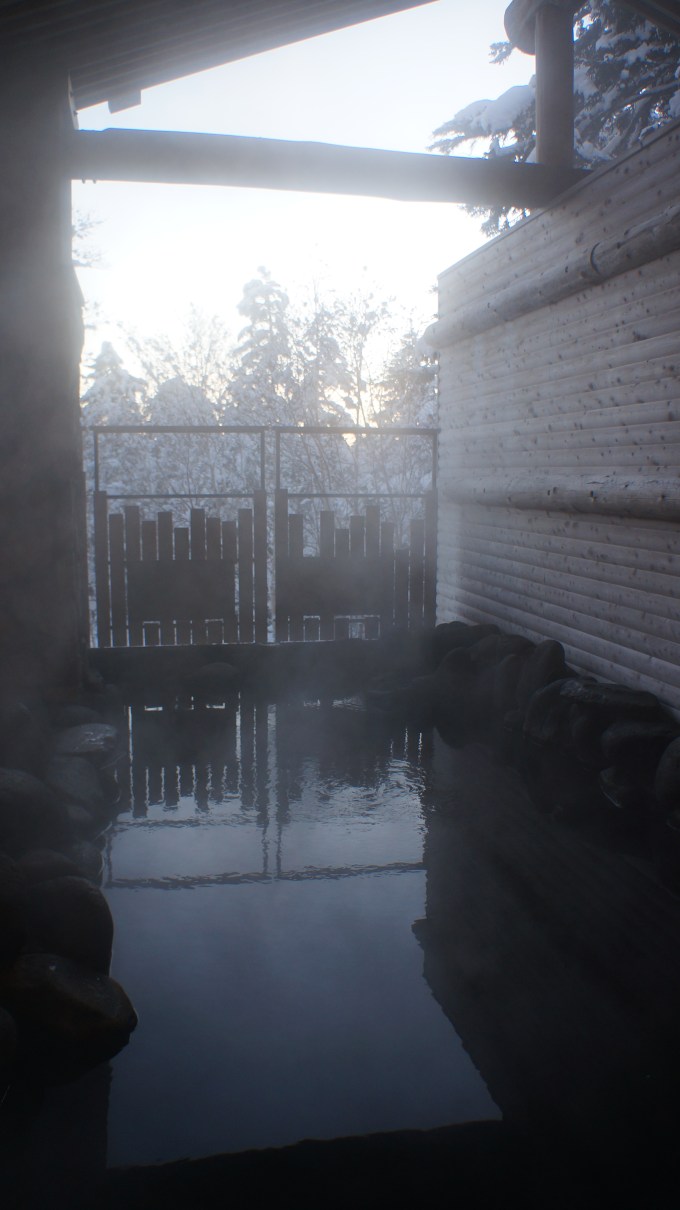
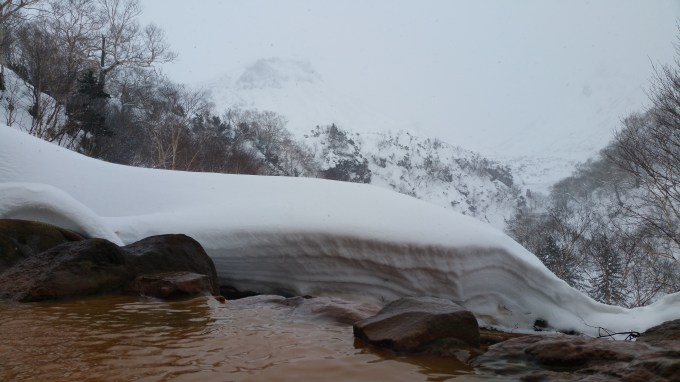 Thankfully, I made it alive, and soon found myself confronted with this stunning view before me! (see picture above) The water itself may put off some people because it’s actually reddish brown in colour due to the high iron oxide concentration. But if you buy into those healing properties that soaking in an onsen apparently brings, I guess you would dive head in even if the water is blood red. I mean, it’s not like you get a chance to soak in this view butt naked every day, is it?

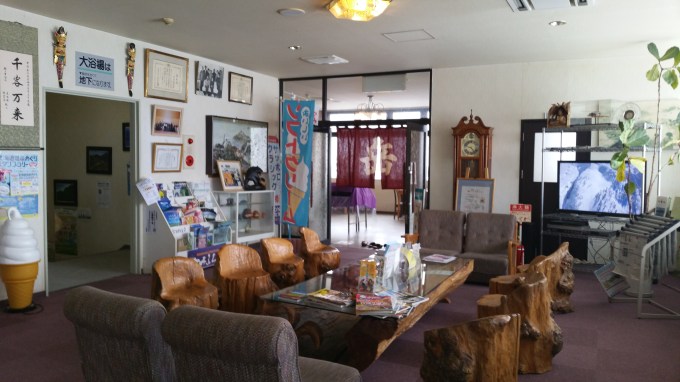
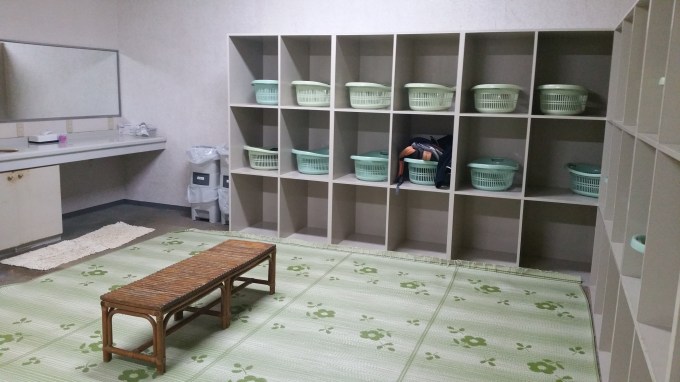











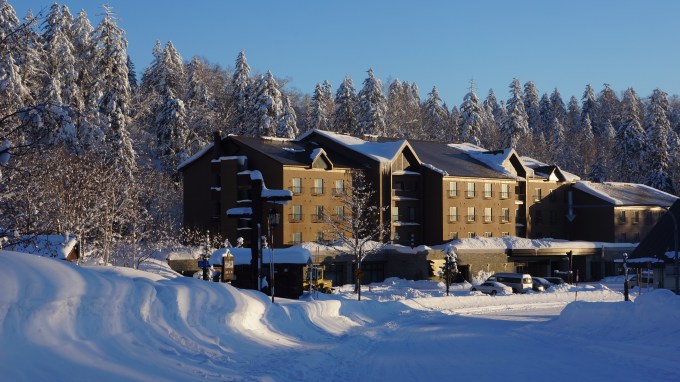

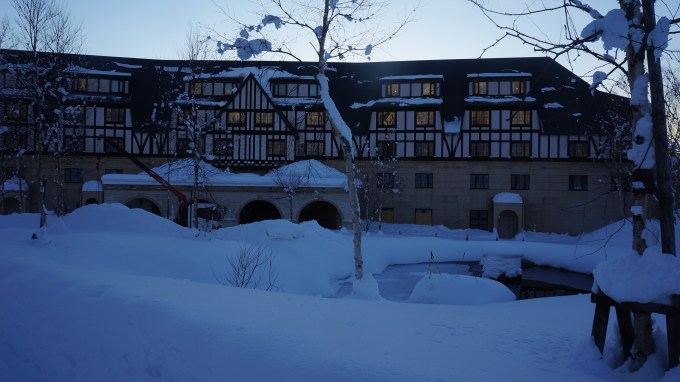

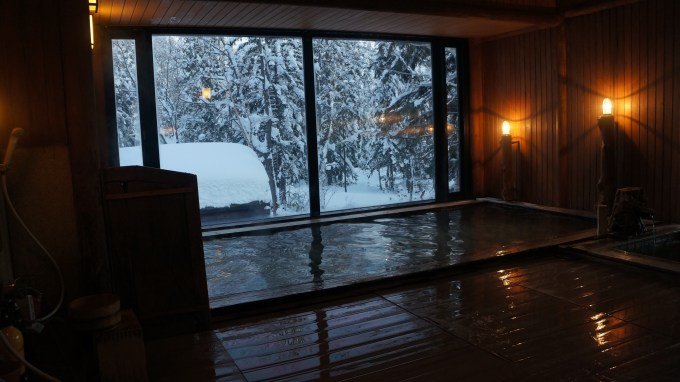
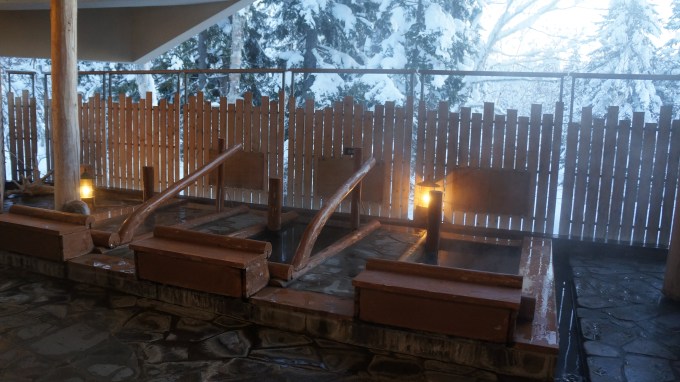
 One of the first things I penned down on my bucket list when doing my research on Sapporo was the
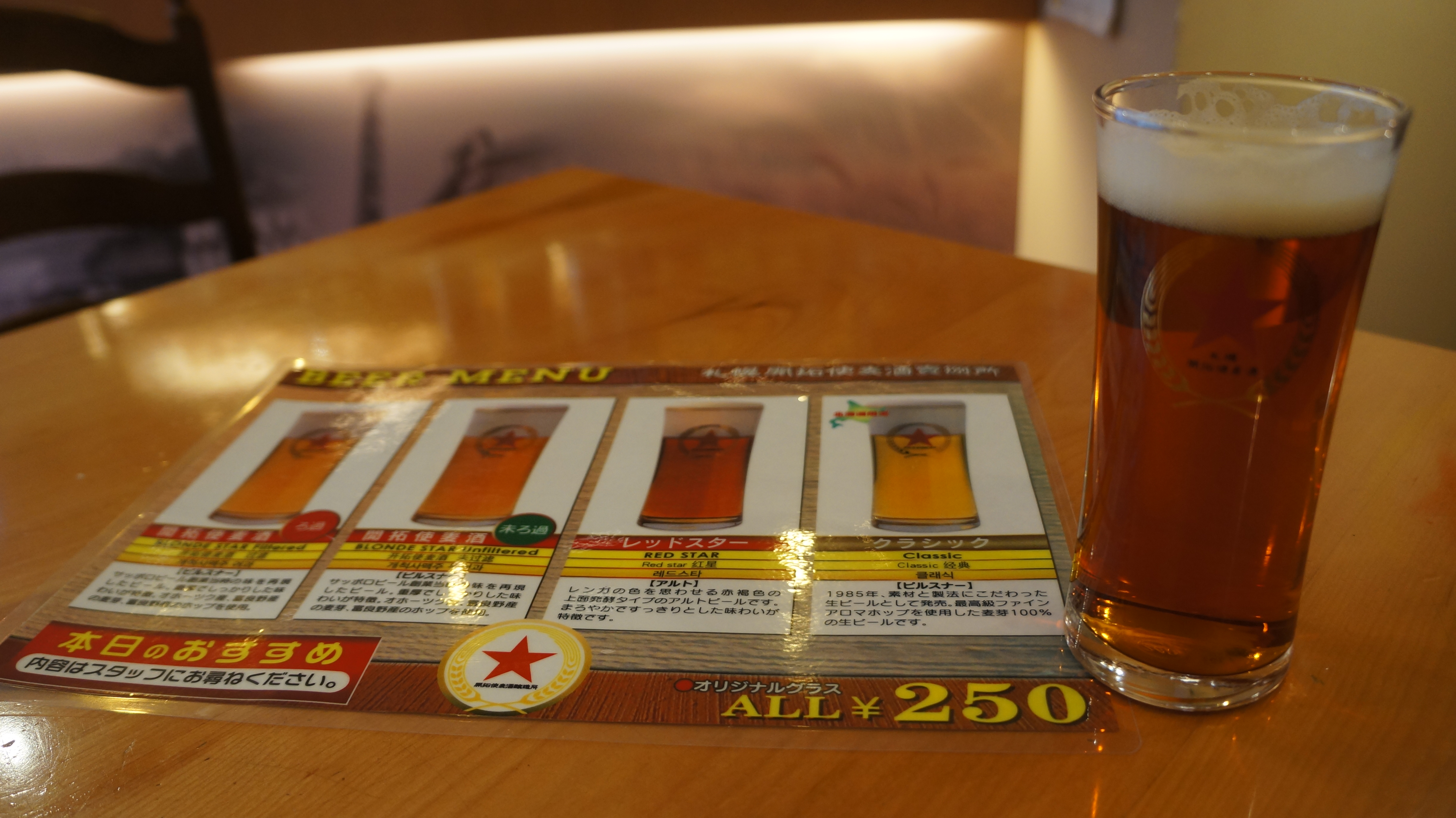
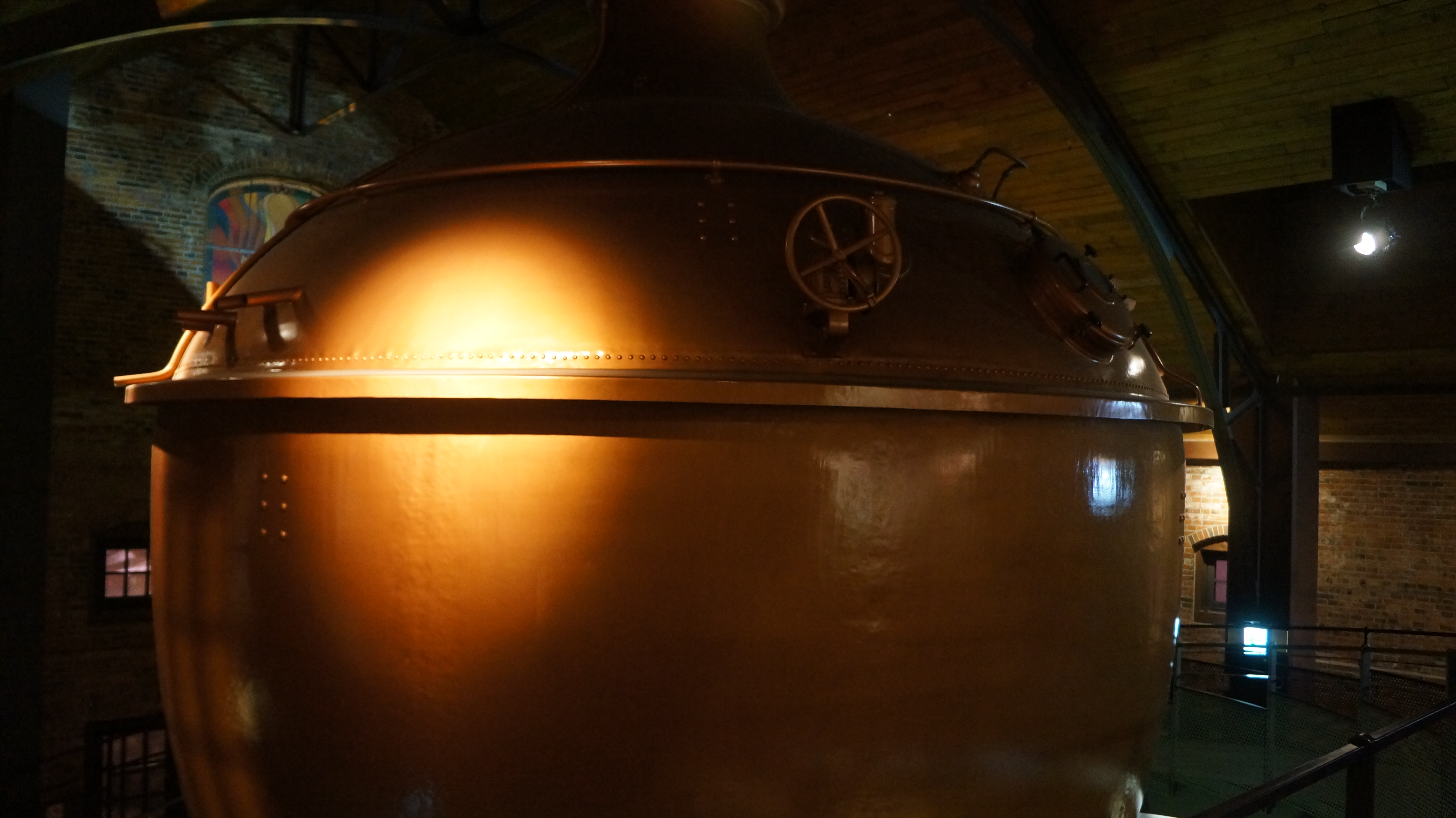
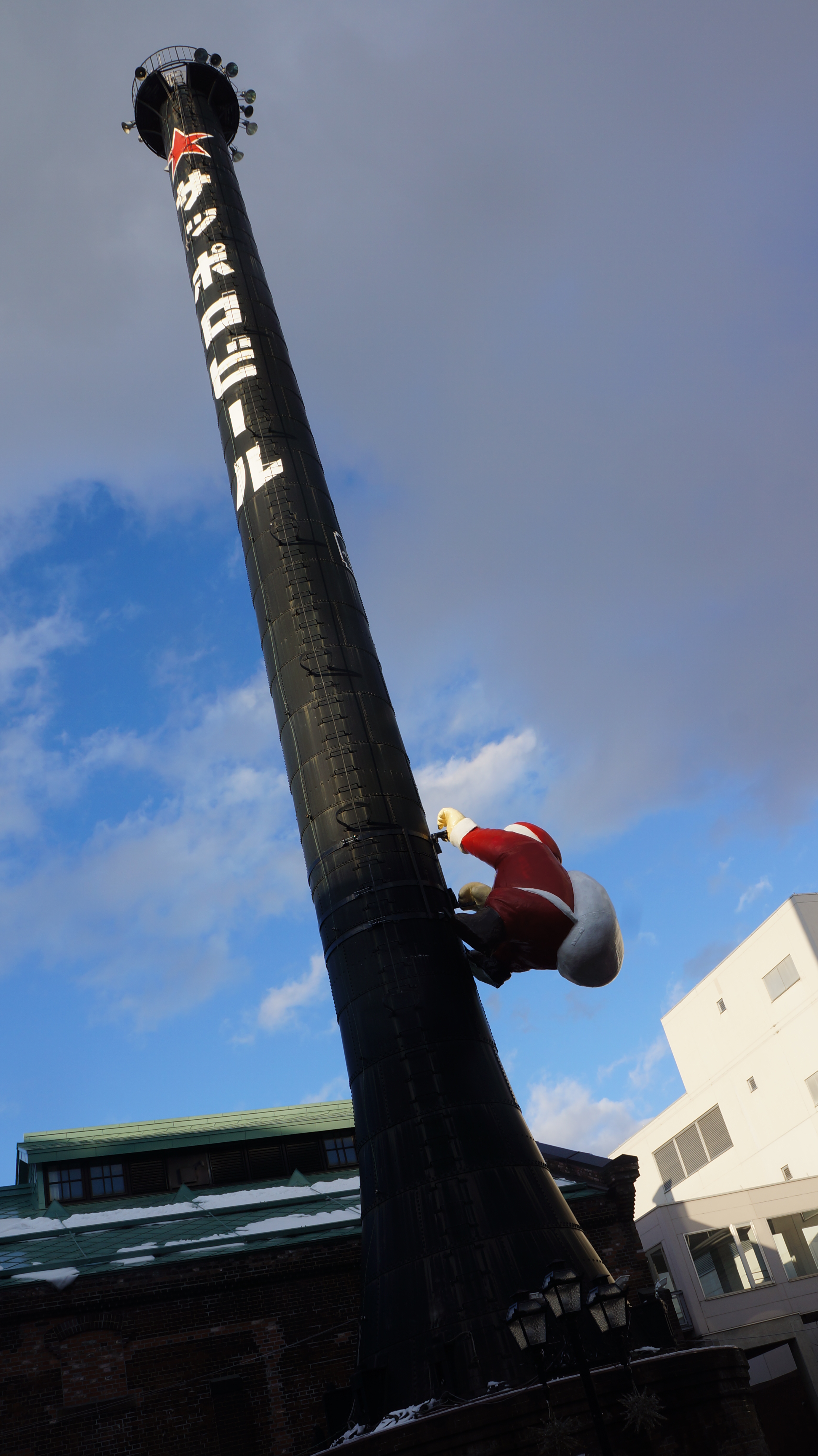
 Take the Sapporo Factory for example. This former brewery is now a shopping centre, restaurant complex and tourist trinkets trap. The only reason I spent a good hour there – there’s a small tasting room at the corner of a miniscule “exhibition room” where you can taste 6 different kinds of Sapporo Beer for 250 yen each for half a pint.
 Next, the
  Inside the Museum, there’s two floors of exhibits – both of which took me less than 5 minutes each. The exhibits cover the history of Sapporo Brewery and a special tribute to their bestselling Black Label. I would have preferred a more interactive experience, but sadly, the exhibits are mainly posters and Sapporo beer bottles from the different eras.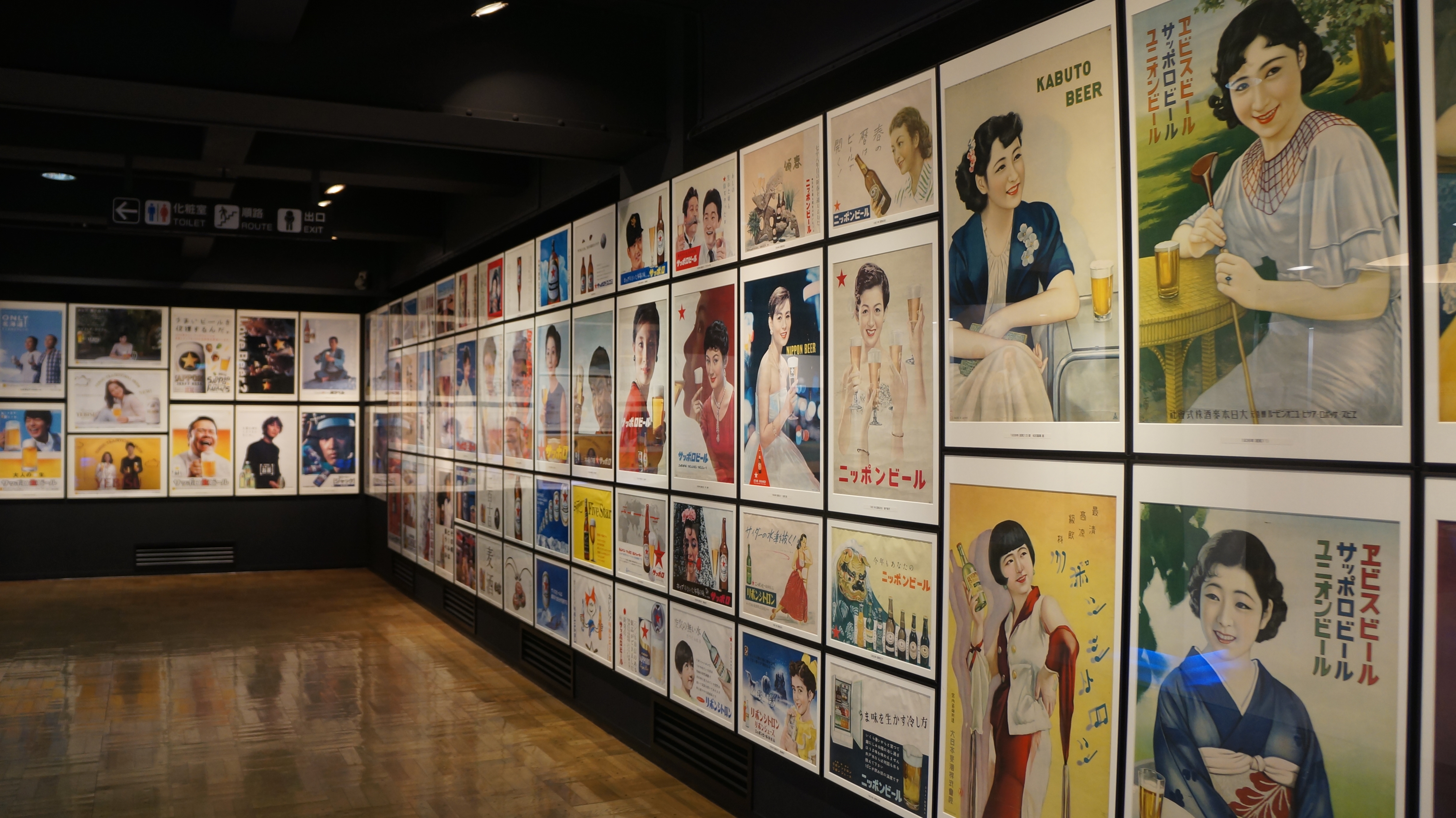
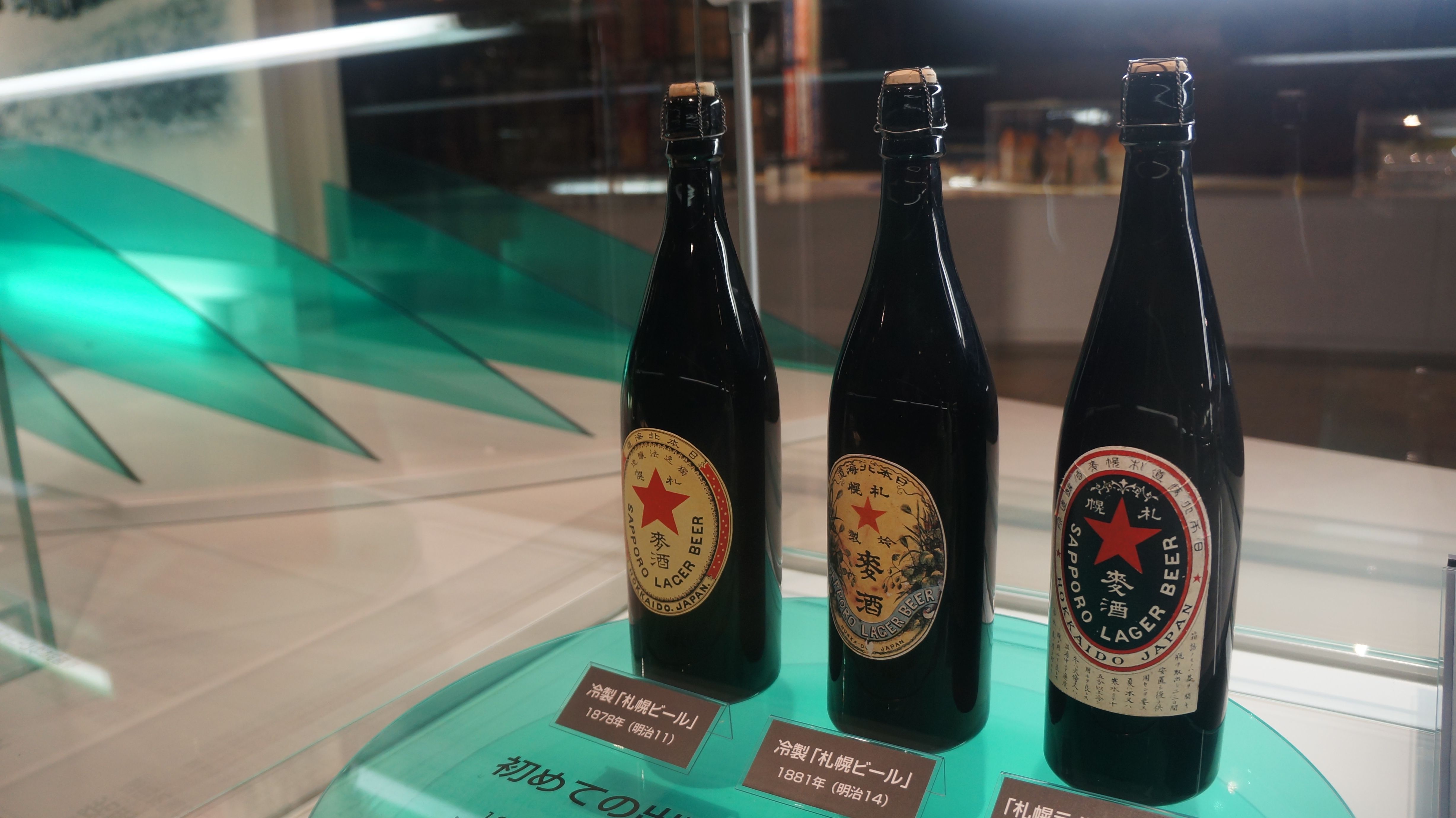 Now if you have time, the beer tasting is the real deal. And the best part, you get to sample 3 half-pints of different Sapporo beers at a grand total of 500 yen. This almost makes the earlier price tag of 250 yen per half pint offered at the Factory seem exorbitant. In addition to the beer tasting, there’s an interesting souvenir shop where you can purchase beer flavoured chocolates, beer flavoured cookies, beer flavoured anything… Cheers to that!





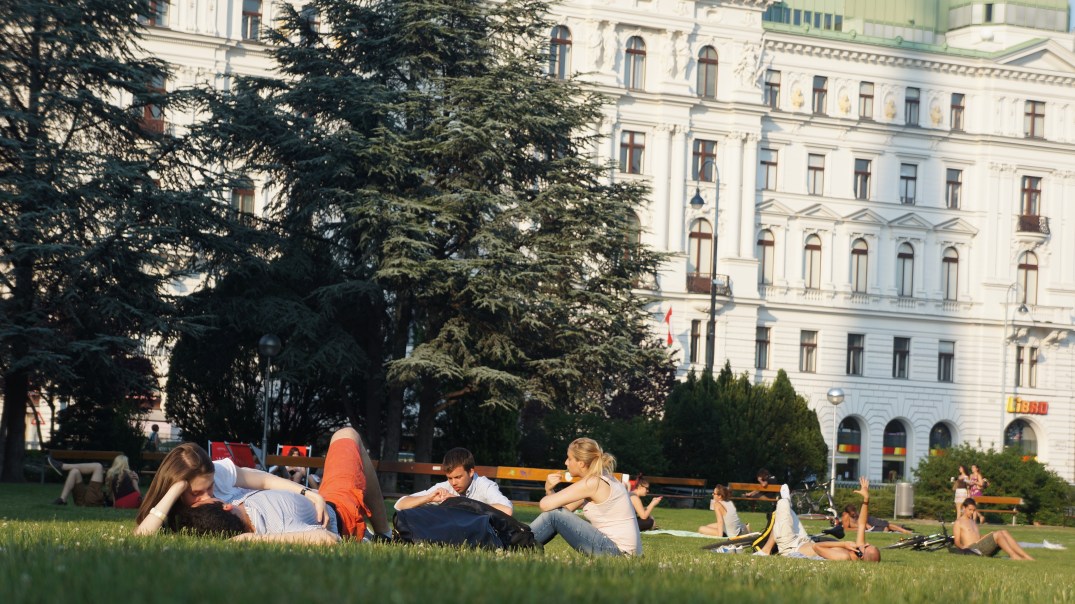
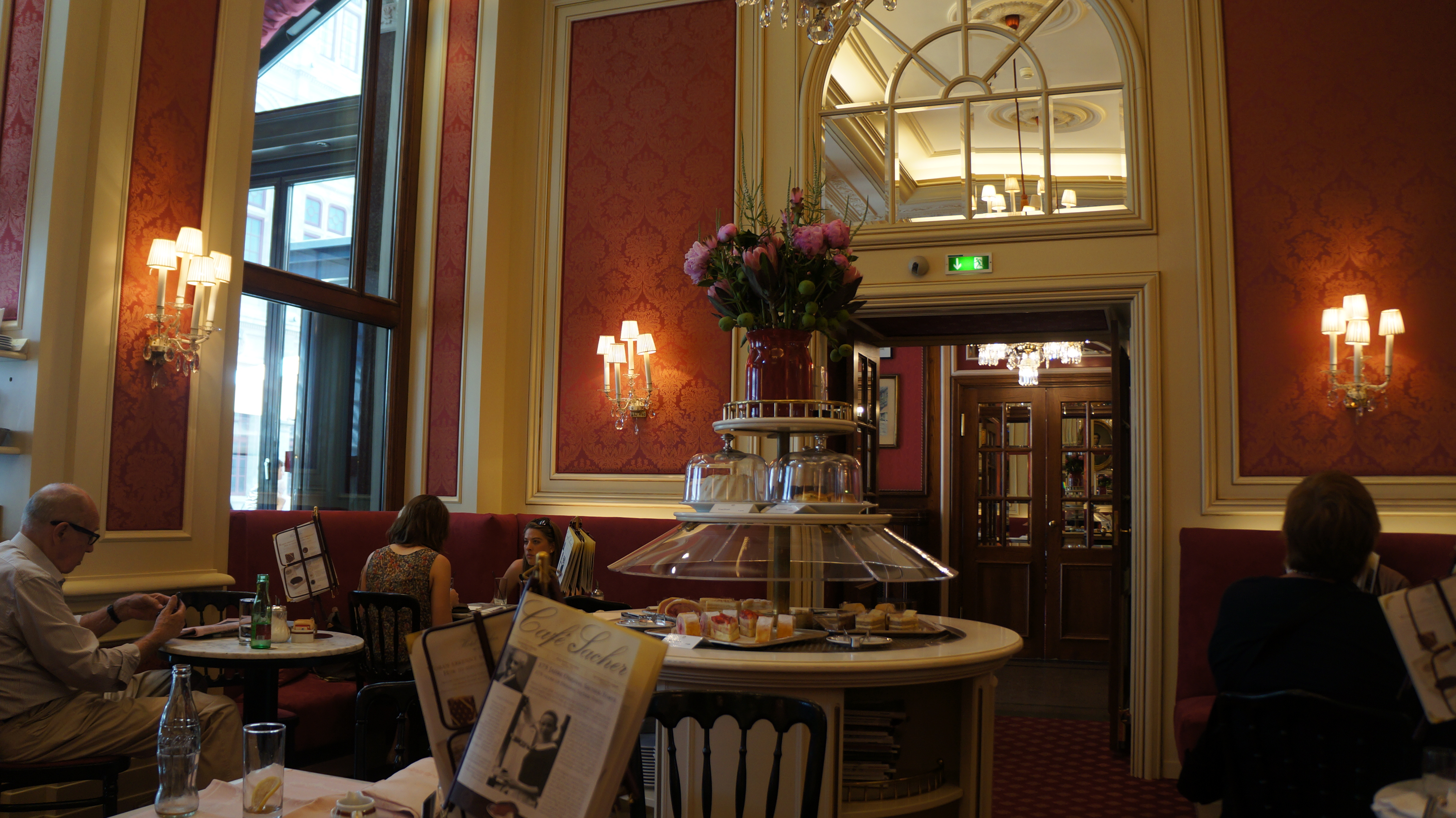
 At the same time, I’m suffering from “church fatigue”. At first, you just snapped at every single one you see. You admired the ornate interiors, the intricate carvings, the awe-inspiring sculptures of Jesus and his disciples. By this time, however, even the majesty of St Stephen’s Cathedral has lost its draw on me. I just stood in front of the cathedral, wilting in the Viennese summer heat. I decided I needed another round of iced coffee.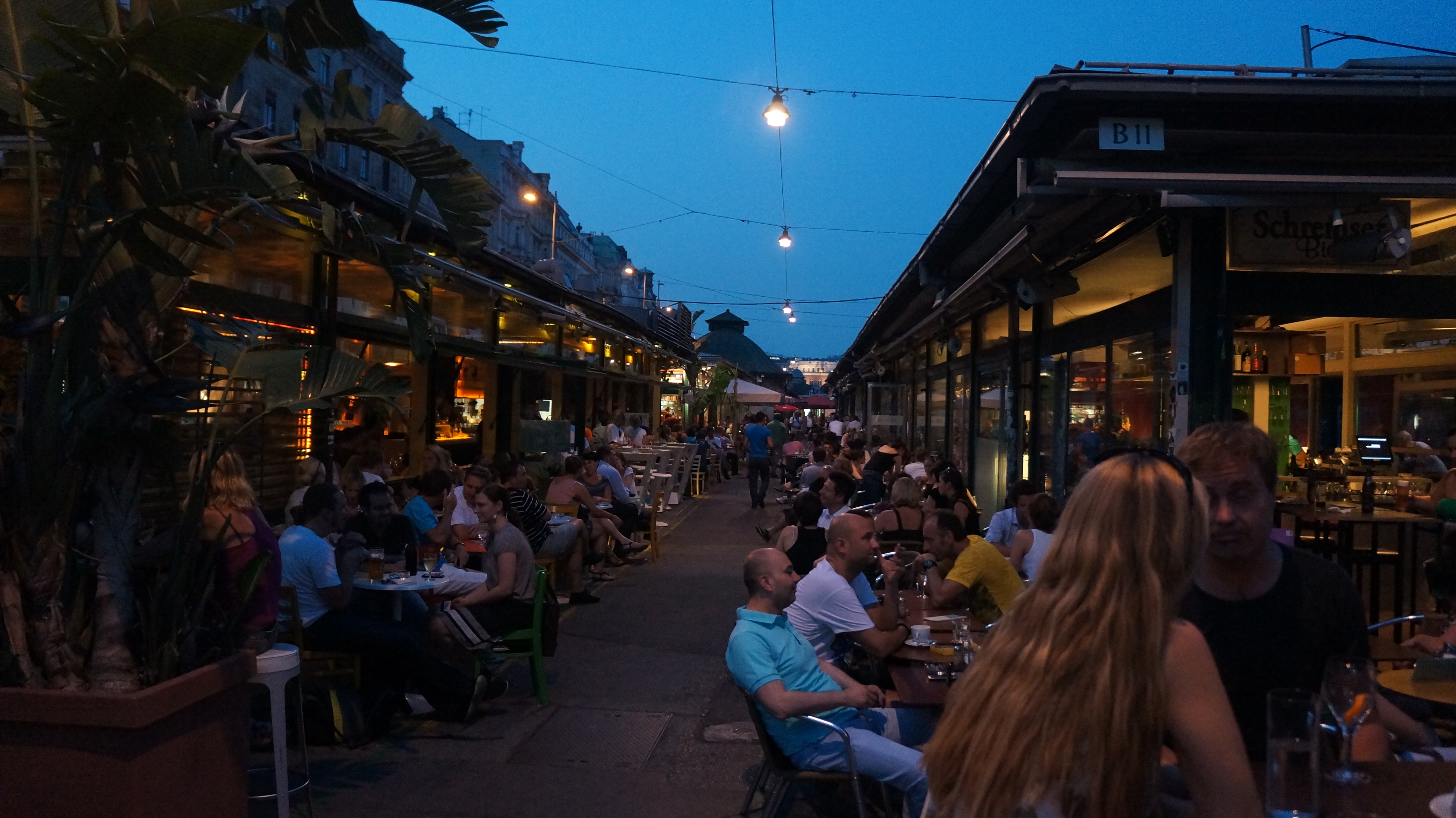

 lonesojourns