
Exhausted from our pre-dawn excursions, including a two-hour maroon at a train station, we decided to sleep in on New Year’s Day, and woke up for lunch. It had been an eventful New Year’s Eve for us, having started the day as early as 8 a.m. The original plan that day had been to visit Okayama Castle (岡山城), bright and early so we could avoid the crowds.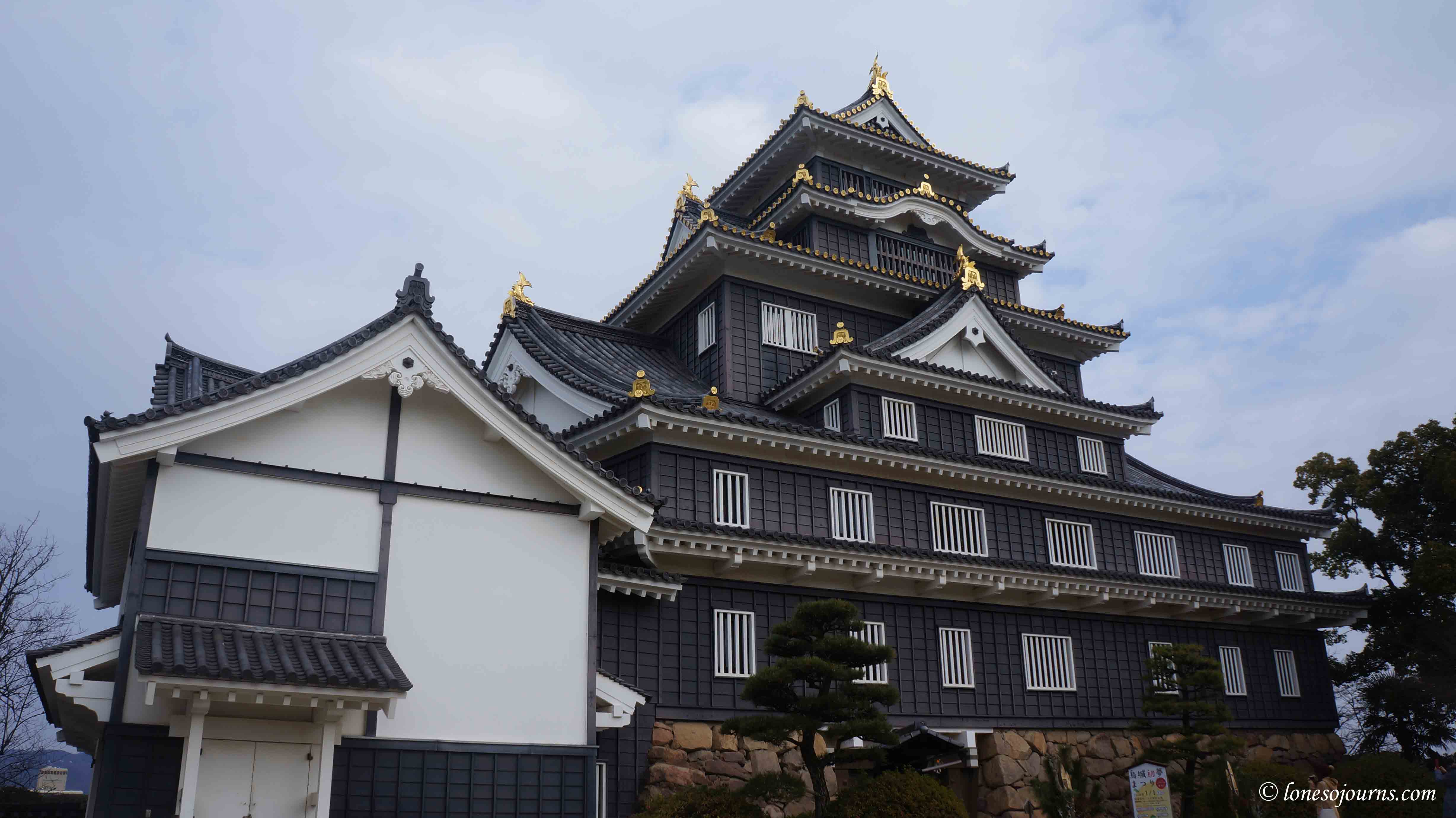 Standing majestically over the Asahi River (旭川), Okayama Castle (like many castles in Japan) is a reconstruction, the original structure having been almost totally destroyed during the Second World War. Only the Tsukimi Yagura (月見櫓), which translates literally as the “moon viewing turret”, remains from the original 1620 construction. However, what separates Okayama Castle from the others is that it is one of only two jet-black castles ever constructed in Japan, the other being Matsumoto Castle in Nagano. Their black facades have earned them the moniker “Crow Castle”.
Subscribe to get access
Read more of this content when you subscribe today.
Photo Gallery
For access to the photo gallery, please subscribe or log in.

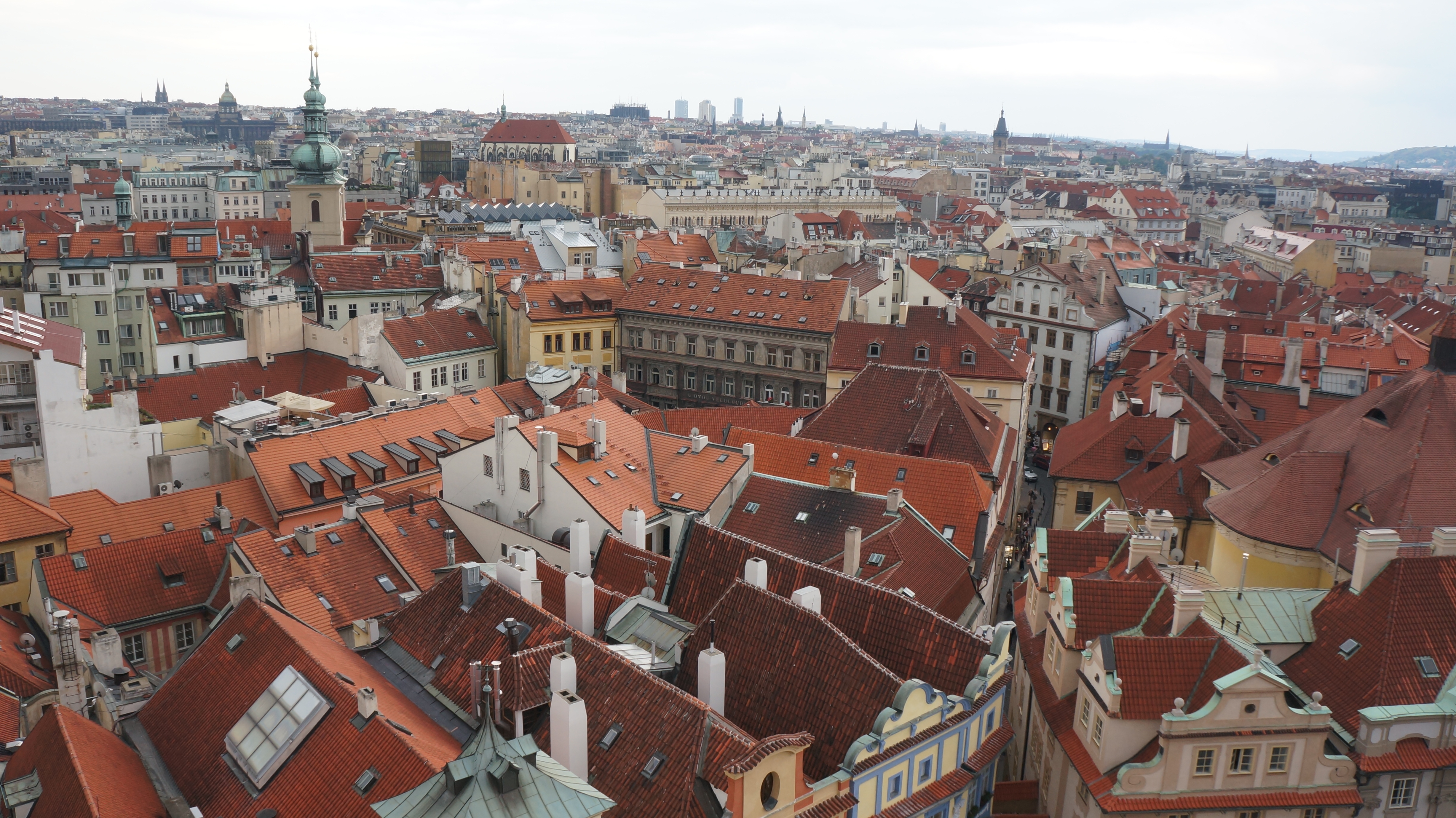 Prague may have lived past its post-Velvet Revolution tag of the “Paris of the East”. Tourist arrivals since the turn of the century have driven up living standards and costs, and made this once affordable city on par with its more illustrious West European neighbours. However, these have done little to diminish the city’s allure. Even on a weekday,
  Thankfully, there are pockets of Prague to call your own. And you can find them in the less crowded neighbourhoods of Vinohrady and Vršovice, or the rustic back alleys of Provaznická and Karlin. But if you desire to do nothing, just pick a good spot in one of the many alfresco restaurants at Malá Strana (or the ‘Little Quarter’) and watch the world go by, with a Pilsner.


 lonesojourns