Saying goodbyes is probably the toughest part of any trip. Some cities leave you desiring for more. Other places leave you feeling relieved that you are getting the hell out of that place. Some cities leave you caught in between.
I found myself pondering over what Seoul meant to me. Before this trip, I had studiously made a list of the places I wanted to go, restaurants I wanted to check out, and things I wanted to do. While I had managed to tick most of the boxes, I also felt kind of short-changed when some of the places I had been looking forward to visiting didn’t quite pan out the way many over-zealous bloggers had described. Of course, travelling is a mixed bag of hits and misses, and I’ve long come to accept that as part of the package.
Despite the disappointments (my excessive walking has left me walking with a limp), what I really treasured the most is the friendship that I made along the way (or in the past). I am thankful for the chance to meet up with my Korean friends again and catch up on each other’s lives.
It’s easy to see Seoul as a city of cafes, of restaurants, of Joseon dynasty palaces, and perhaps even cosmetic surgery. The Korean language is daunting to the visitor who had absolutely zero knowledge of Korean. I know some would disagree and say that many foreigners, especially those from English-speaking / European countries, get by just fine without any inkling of Korean. But do you know that Koreans themselves are similarly daunted by the English language? The younger generations in general fare better, due to the emphasis on the teaching of English in mainstream schools these days. But by and large, most Koreans stil prefer to communicate in their native language.
And that is the secret to enjoying Seoul, or even Korea, for that matter. Today’s younger Koreans are more forward-looking and they open up to foreigners more easily. And they would be very happy to offer a helping hand to you – especially when you speak to them in Korean. You do not have to be fluent. You just have to learn simple Korean greetings and useful phrases that could help you get around and order your food. Even with my rudimentary grasp of the language and spitter-spatter of Korean, I realised it opened doors and allowed me to appreciate Seoul, and Seoulites from a different perspective.
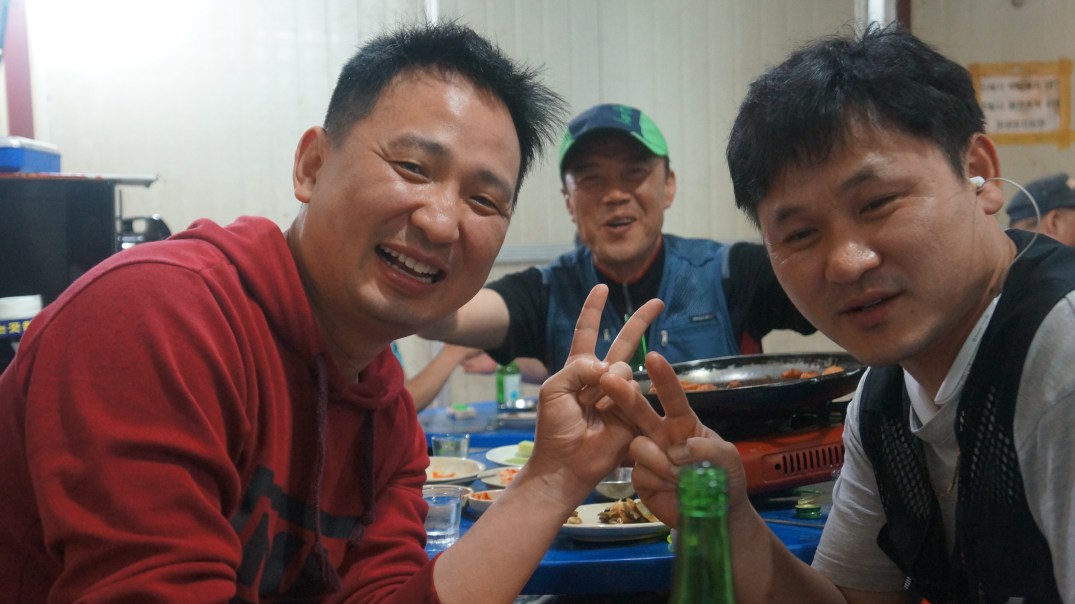
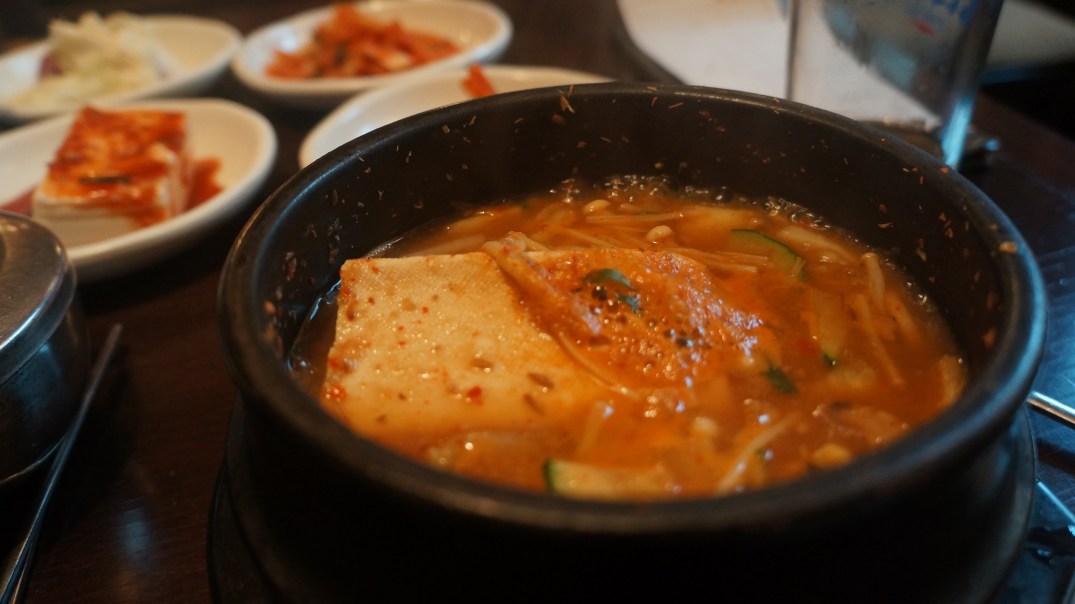
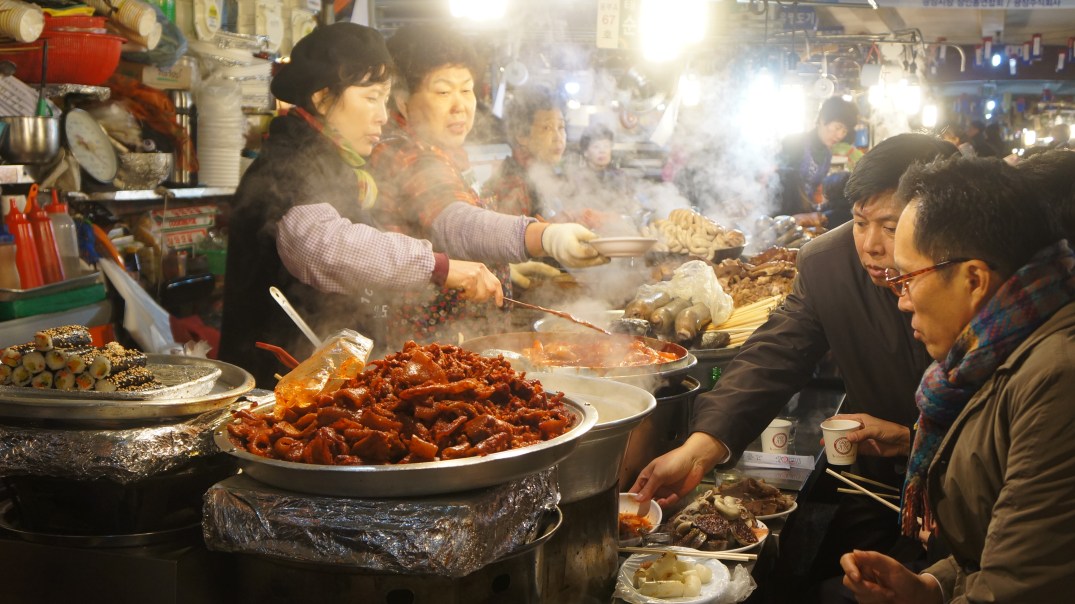
 I appreciated the advice given to me by this wholesaler at Noryangjin market (노량진 수산시장) on how to enjoy wriggling “live octopus” and raw sea cucumber. (He happened to be enjoying an early lunch and round of soju with his fellow colleagues at an adjacent table). I felt the warmth and dedication of the ahjumma who placed a bowl of hot piping kimchi stew on my table. I thanked the couple who told me that it was okay to order “half and half” when I couldn’t decide between having original or spicy fried chicken.
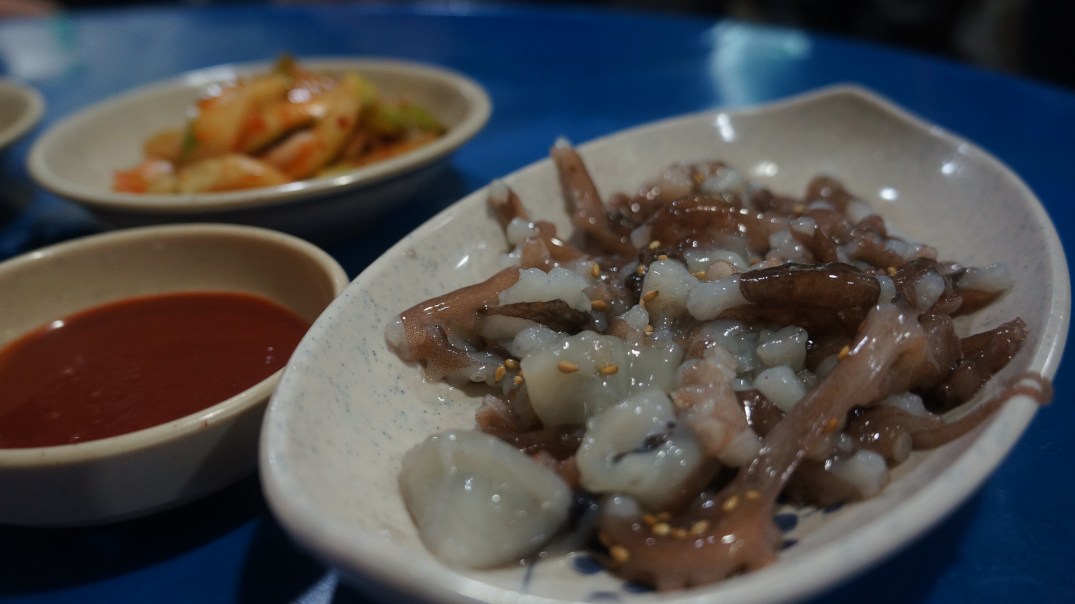
 At the end of the day, what I found most comforting about Seoul is its people. Seoulites, young and old, work hard. Very very hard. And they drink even harder. Working life is tough and stressful here because of the rigid social hierarchy that still dominates many companies. So drinking helps Koreans to forget their troubles, their stress, their bosses. And when tomorrow comes, they fight another battle at the office.
There’s a saying that Seoul never sleeps. Literally. There’s probably no other city in the world where you can order a bowl of hot piping tofu stew, fried chicken, pizza (in fact, almost any kind of food you can think of) at 3 – 4 a.m. in the morning, and have your orders delivered to your doorstep in minutes. That’s because some Seoulites work around the clock to provide that delivery service, and even that service itself sees some serious competition. Many also balance several part-time jobs to eke out a living in a city with a phenomenally high cost of living. Well, at least alcohol here is cheaper than coffee! LS
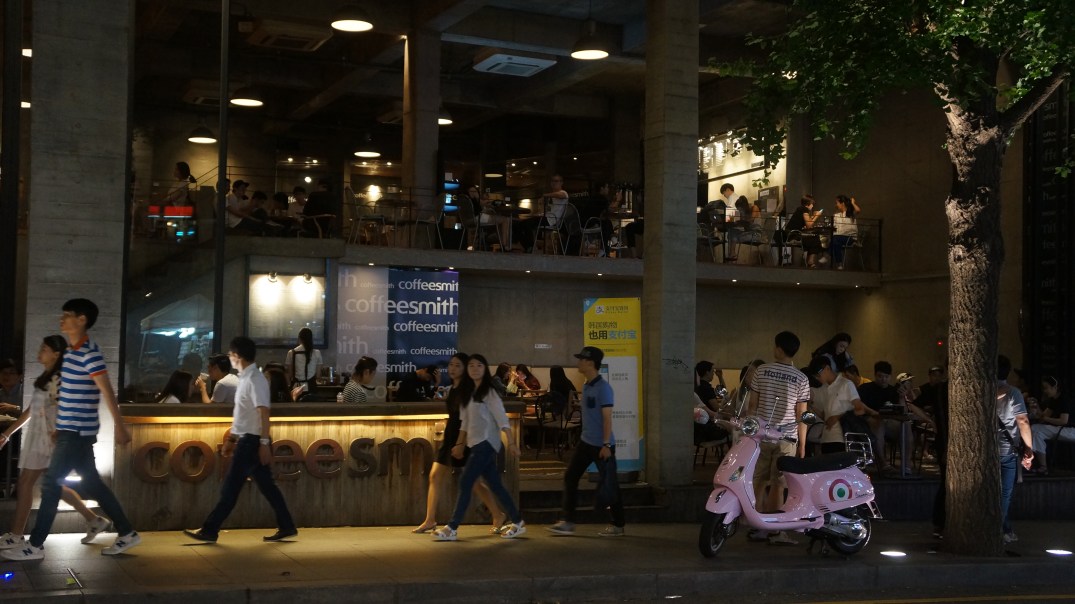
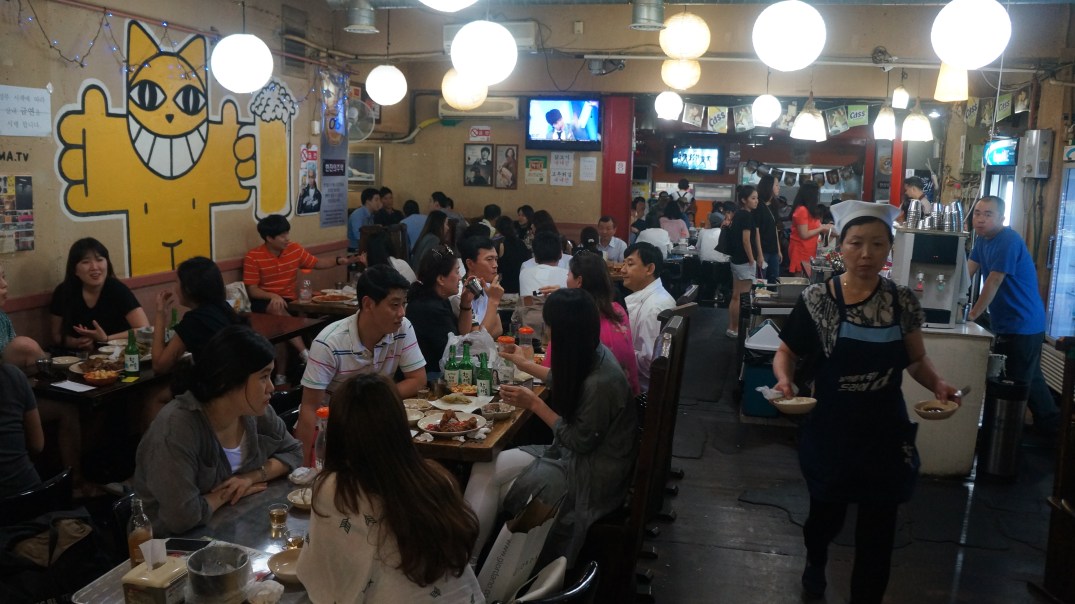
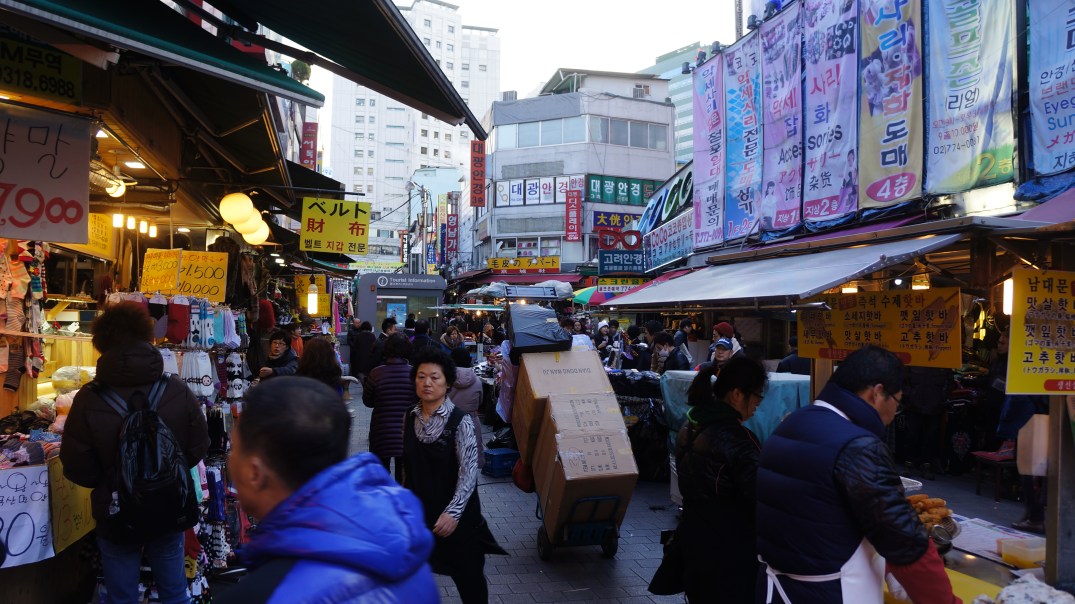
 Final reporting from Incheon International Airport, South Korea.
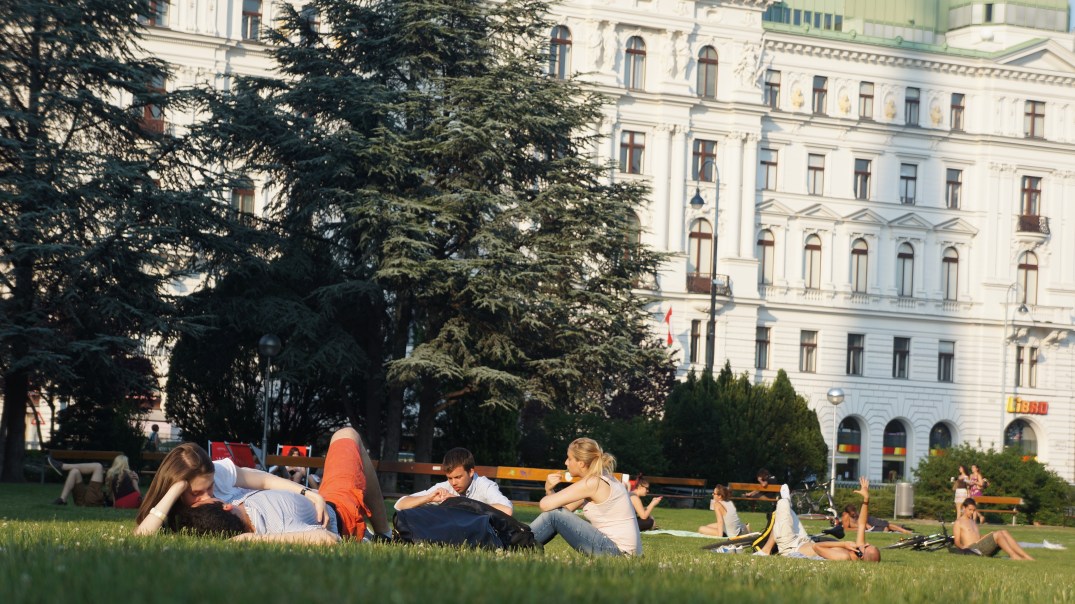
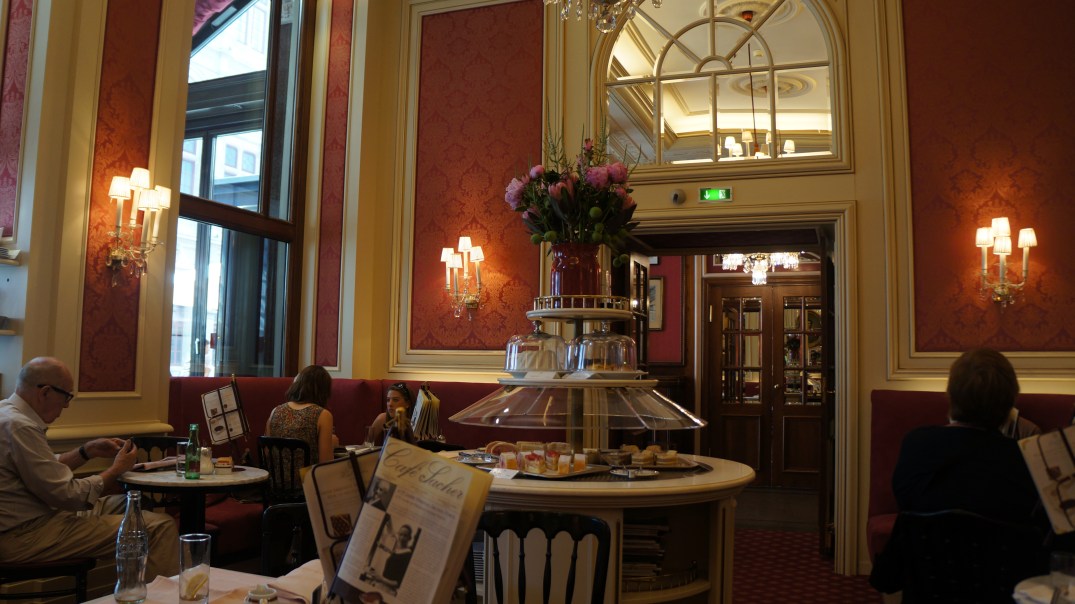
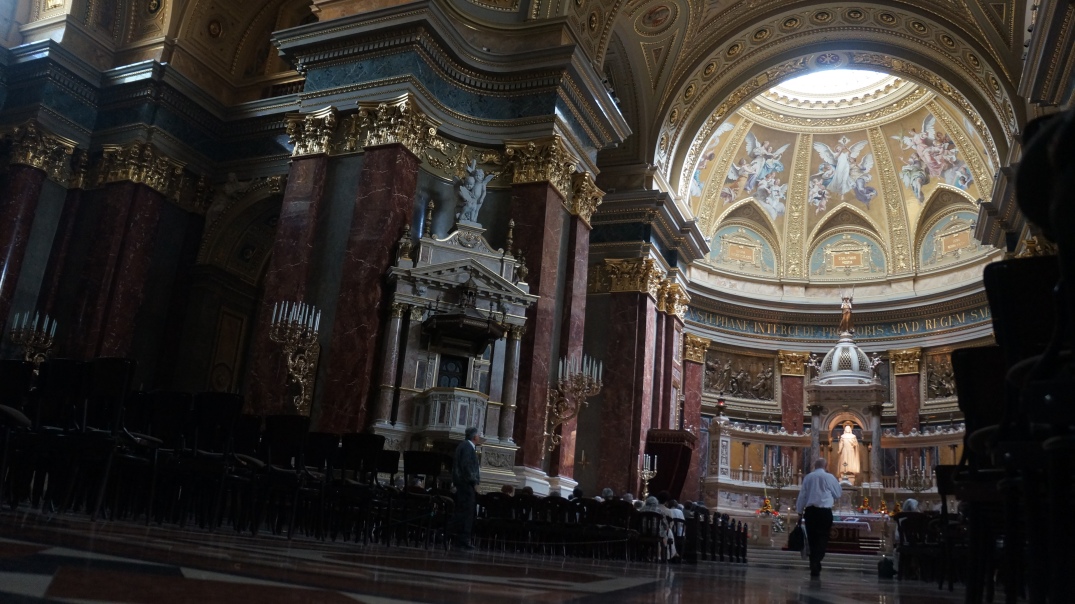
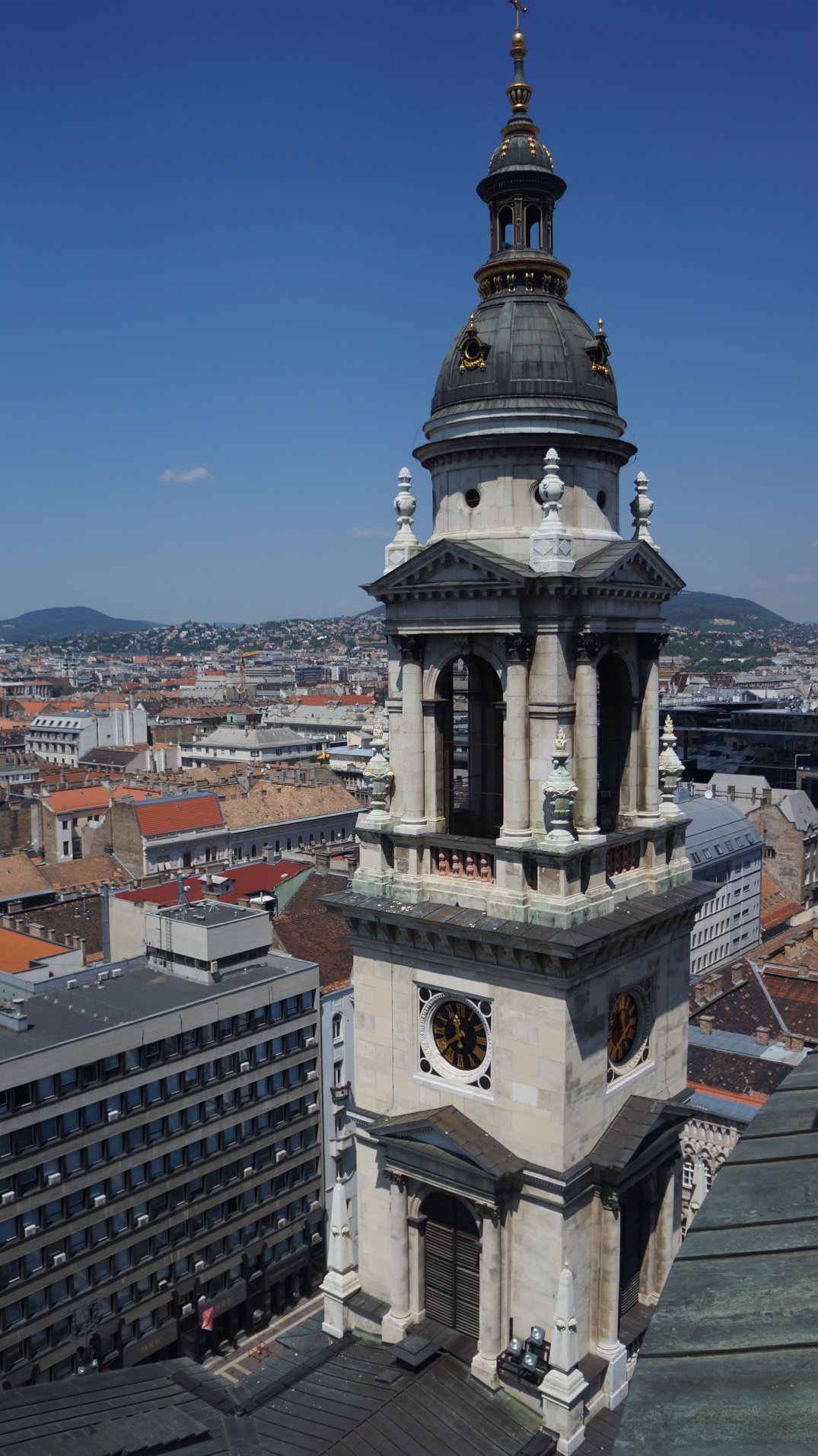
 At the same time, I’m suffering from “church fatigue”. At first, you just snapped at every single one you see. You admired the ornate interiors, the intricate carvings, the awe-inspiring sculptures of Jesus and his disciples. By this time, however, even the majesty of St Stephen’s Cathedral has lost its draw on me. I just stood in front of the cathedral, wilting in the Viennese summer heat. I decided I needed another round of iced coffee.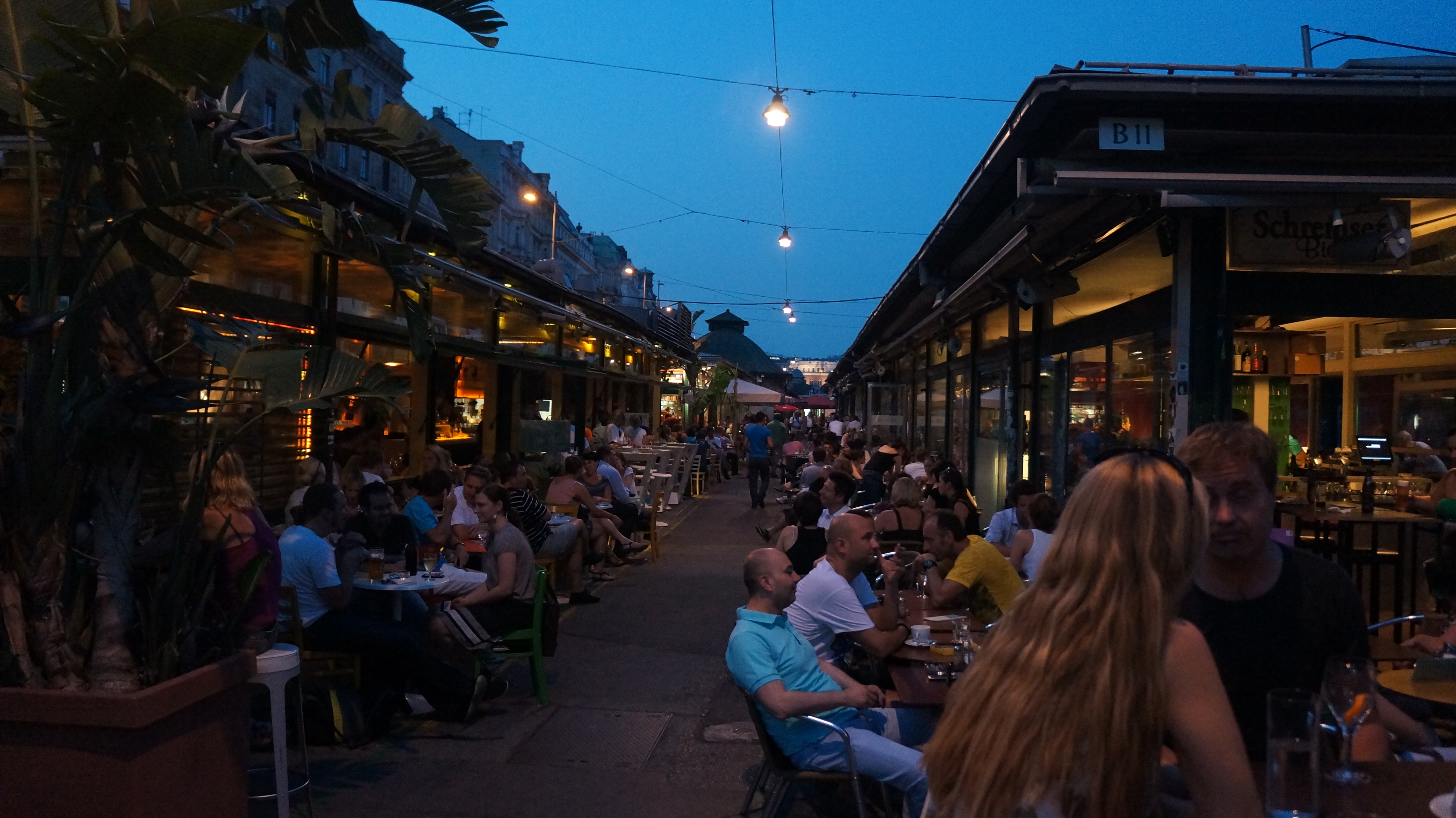
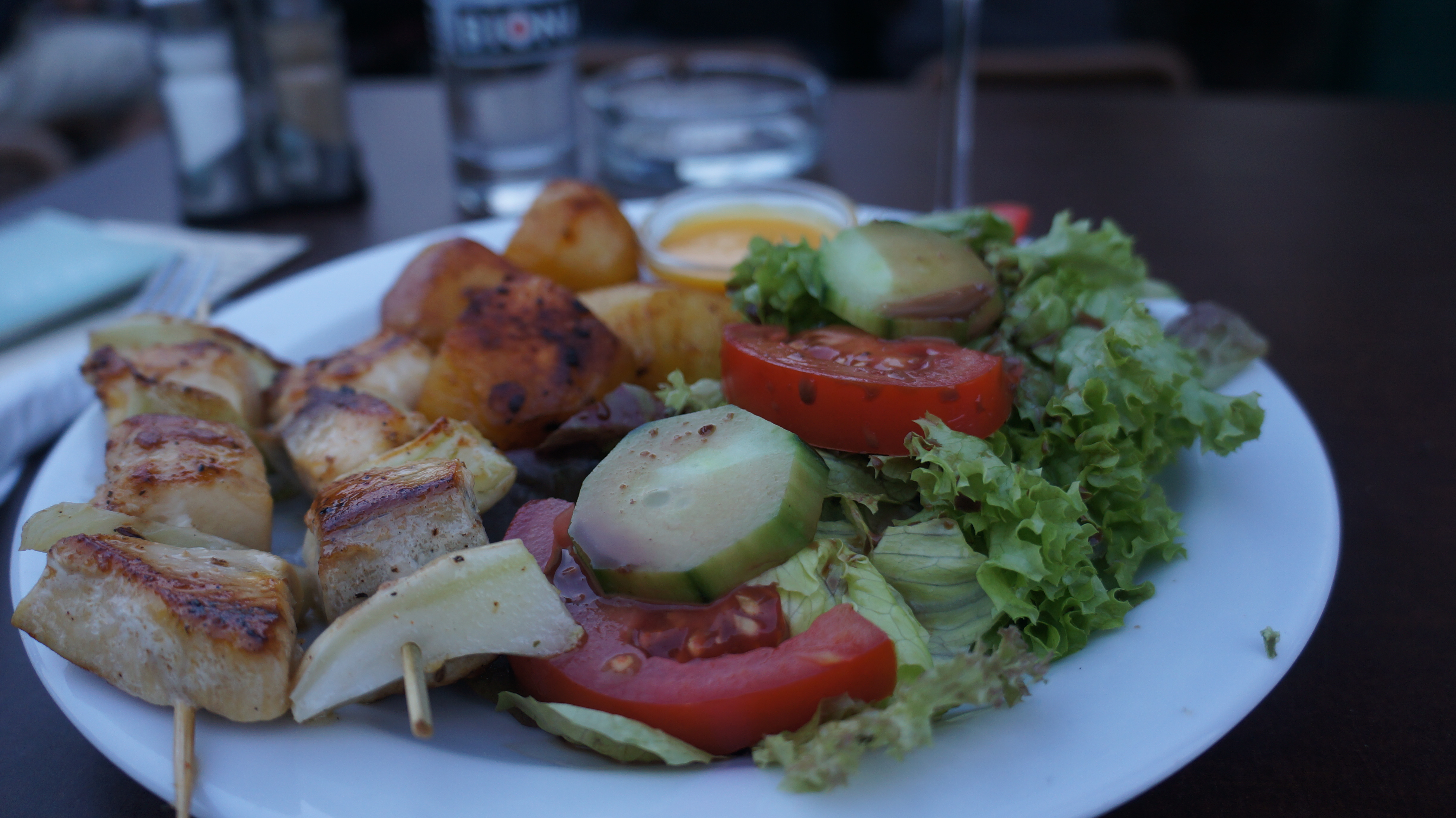

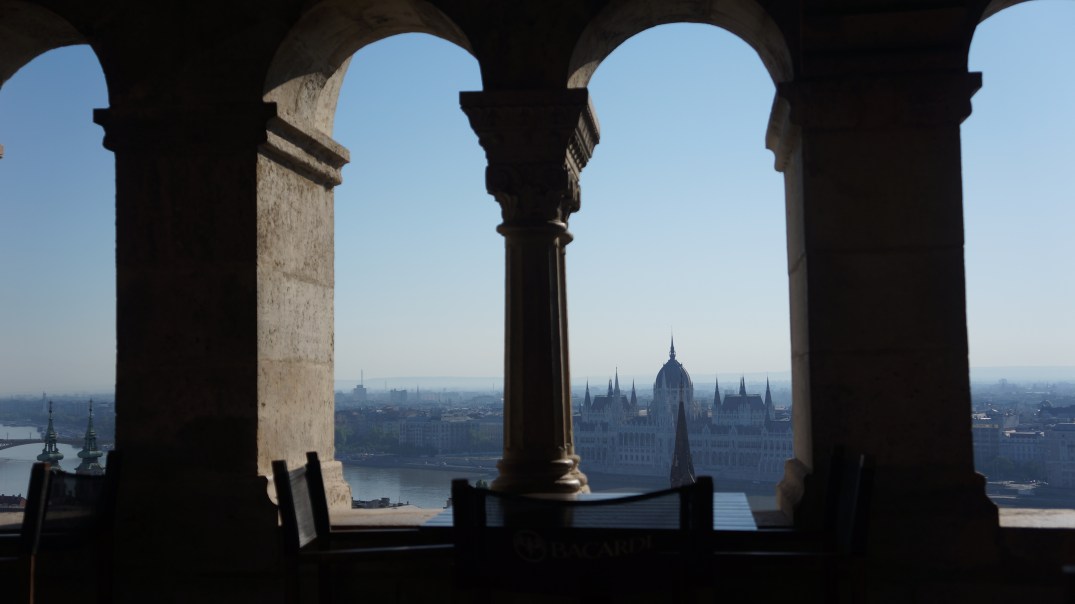

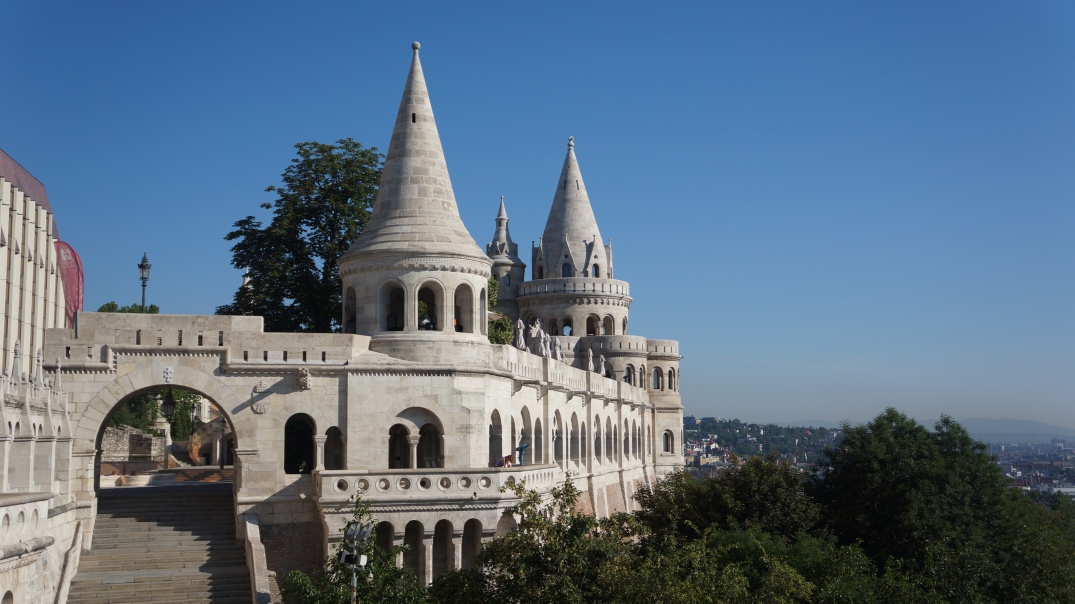



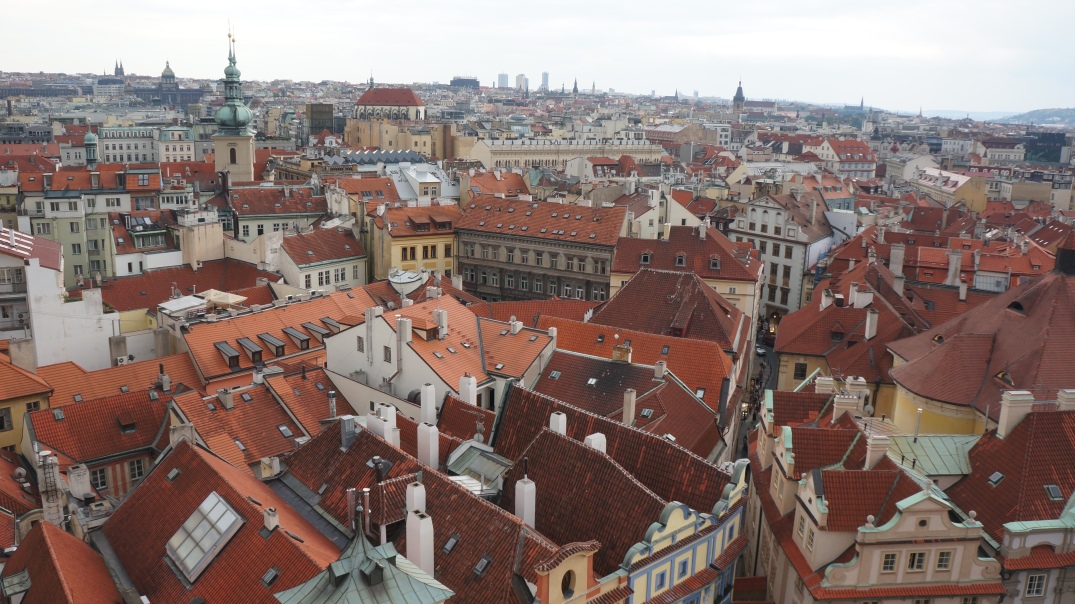 Prague may have lived past its post-Velvet Revolution tag of the “Paris of the East”. Tourist arrivals since the turn of the century have driven up living standards and costs, and made this once affordable city on par with its more illustrious West European neighbours. However, these have done little to diminish the city’s allure. Even on a weekday,
  Thankfully, there are pockets of Prague to call your own. And you can find them in the less crowded neighbourhoods of Vinohrady and Vršovice, or the rustic back alleys of Provaznická and Karlin. But if you desire to do nothing, just pick a good spot in one of the many alfresco restaurants at Malá Strana (or the ‘Little Quarter’) and watch the world go by, with a Pilsner.













 lonesojourns