Uma Umai? 馬 うまい?

One of the highlights of travelling alone is the opportunity to meet new people, some of whom later became my friends along the way. There’s so much to learn from such interactions, whether it’s the exchange of language, culture, societal norms, etc. And these interactions often happen when you least expect them.

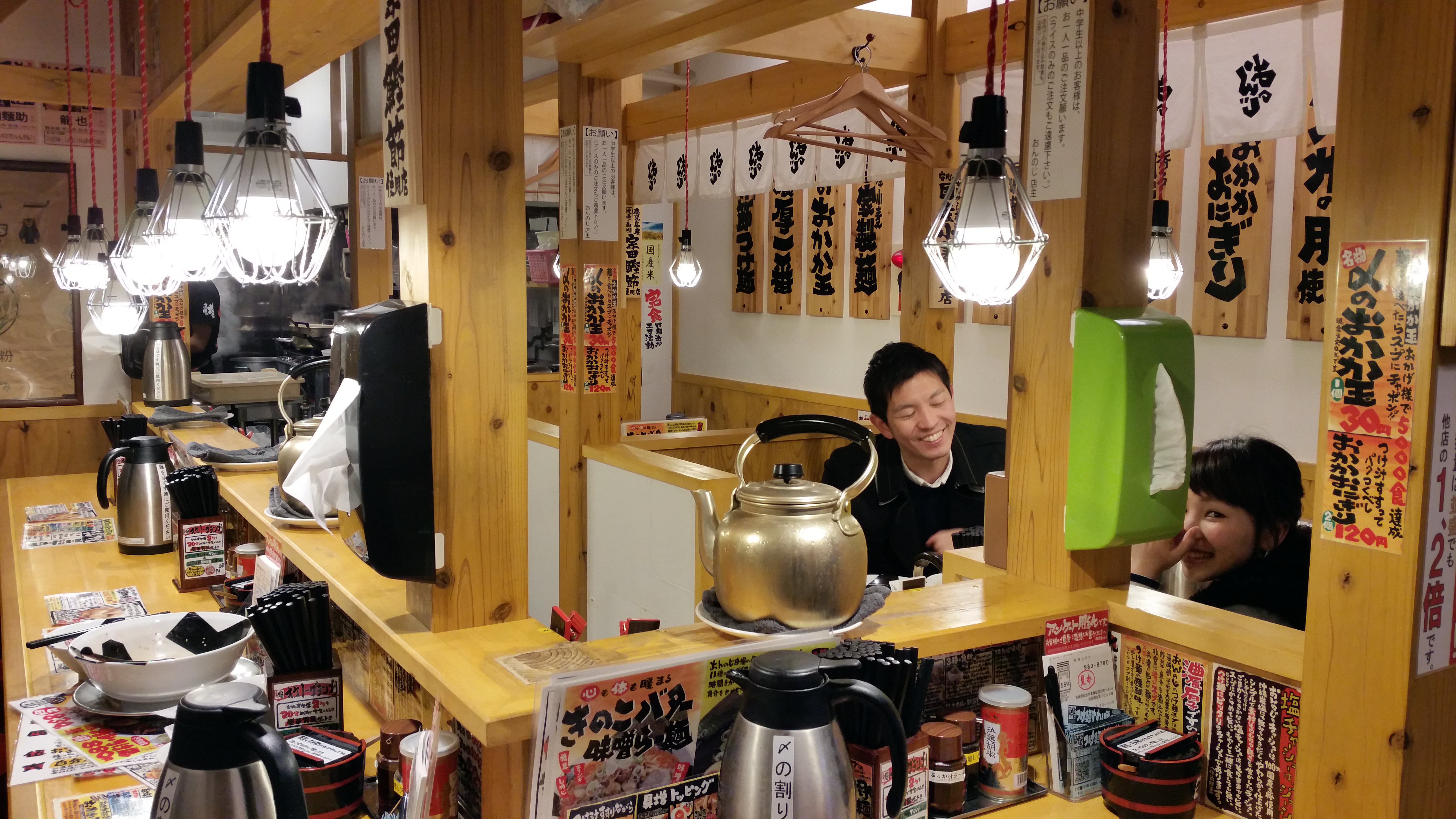
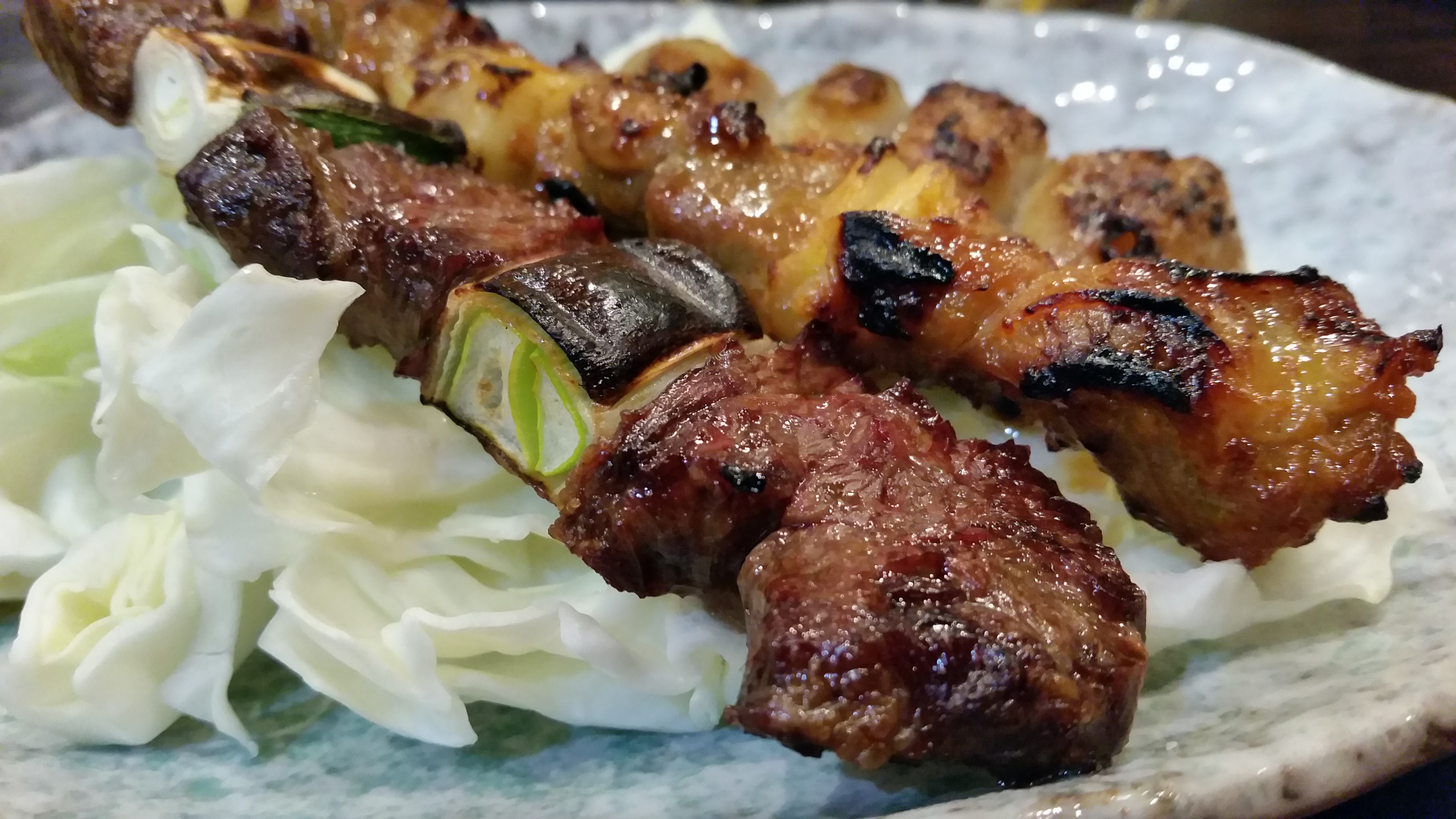
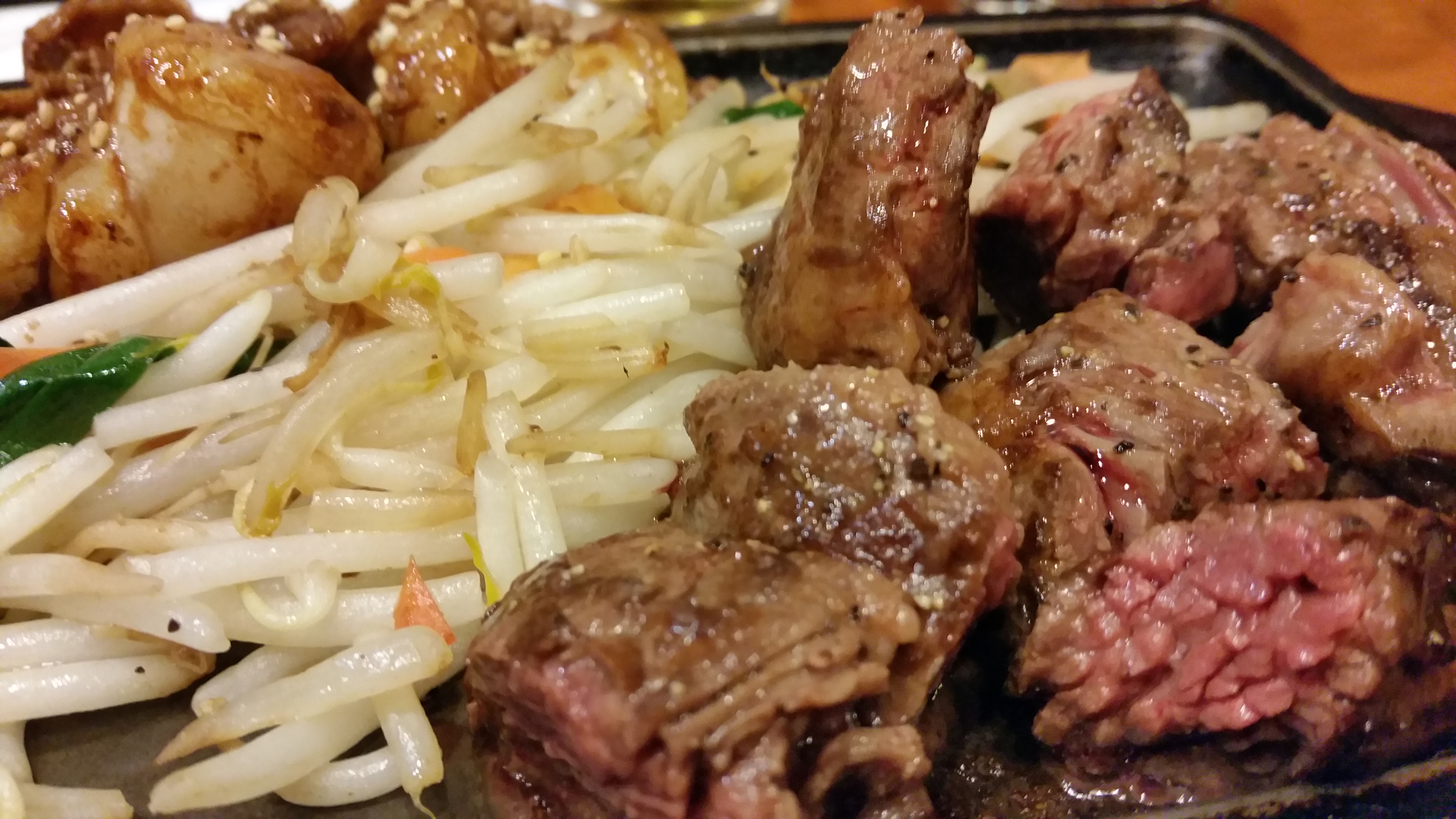
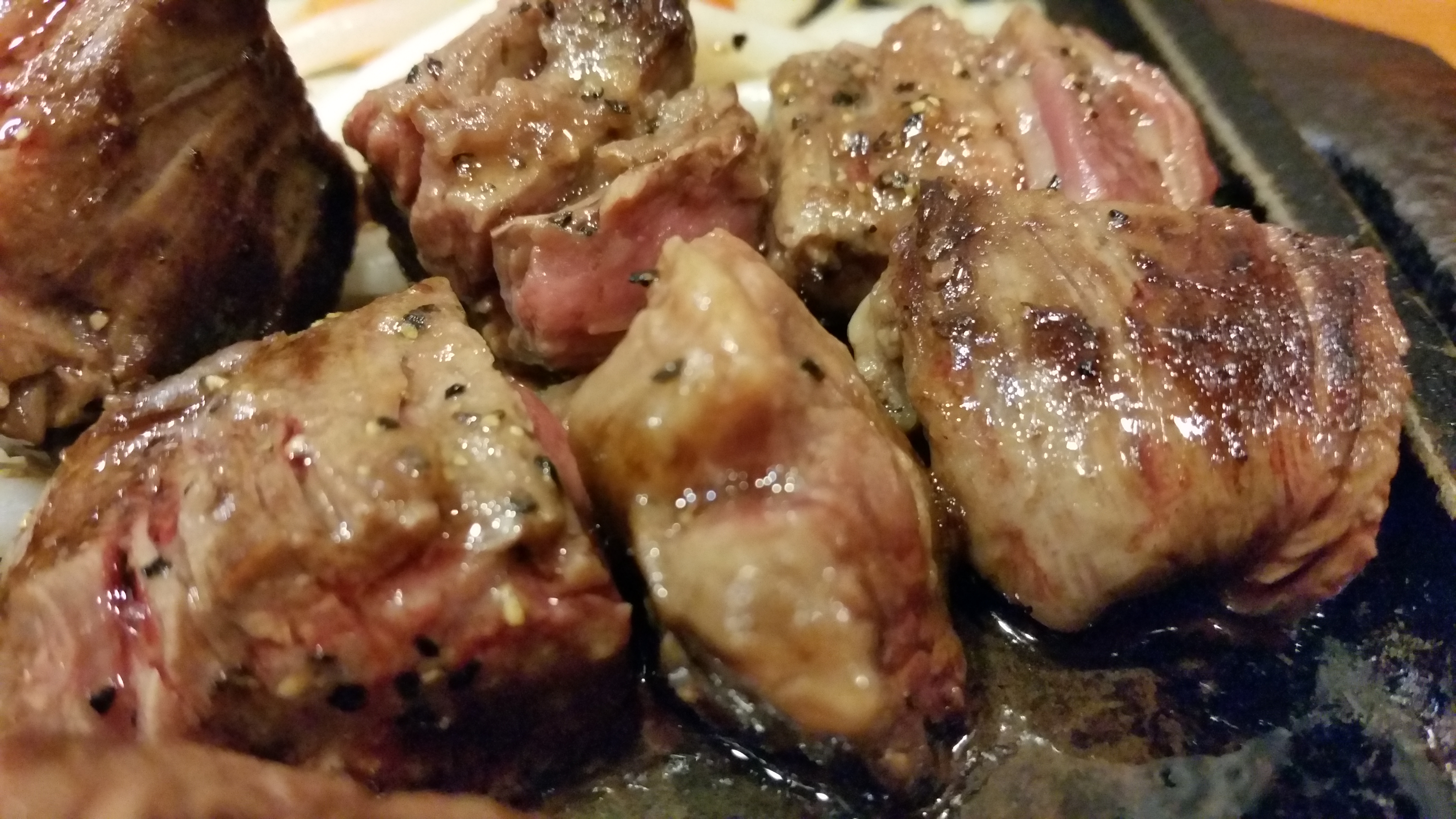
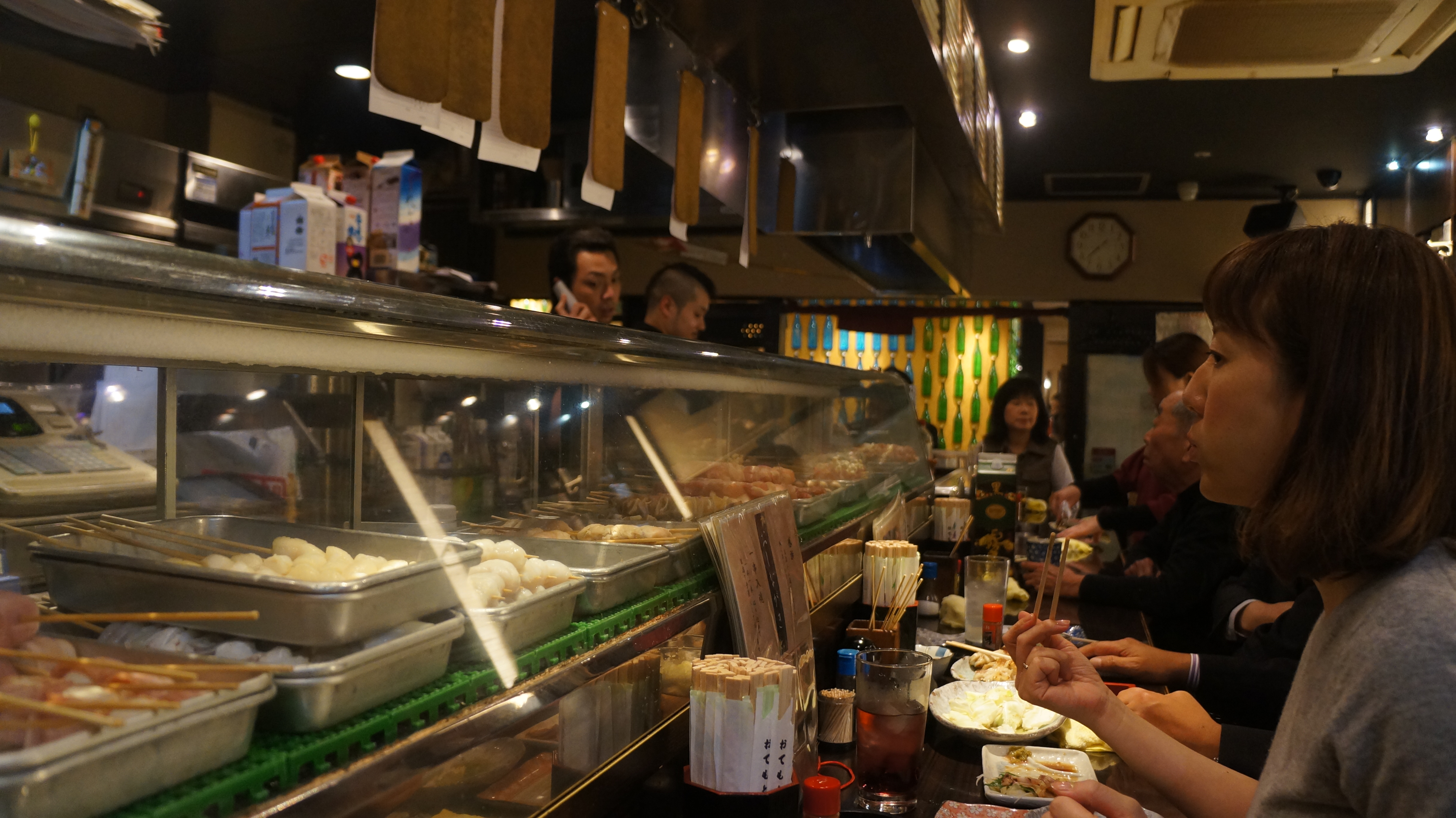
That was how I met Ruriko (淵 ルリ子), a Nagasaki native who happened to be in Kumamoto to meet up with a friend. She was happily chatting with her friend when I accidentally knocked over a pint of beer while browsing the menu at this restaurant called Uma Sakura (馬桜) in the Shimotori shopping arcade (下通り ショッピンアーケード) that specialises in horsemeat. There’s of course no lack of restaurants in this shopping arcade but I just wanted to try a full horsemeat course that day. And this restaurant looks pretty decent.

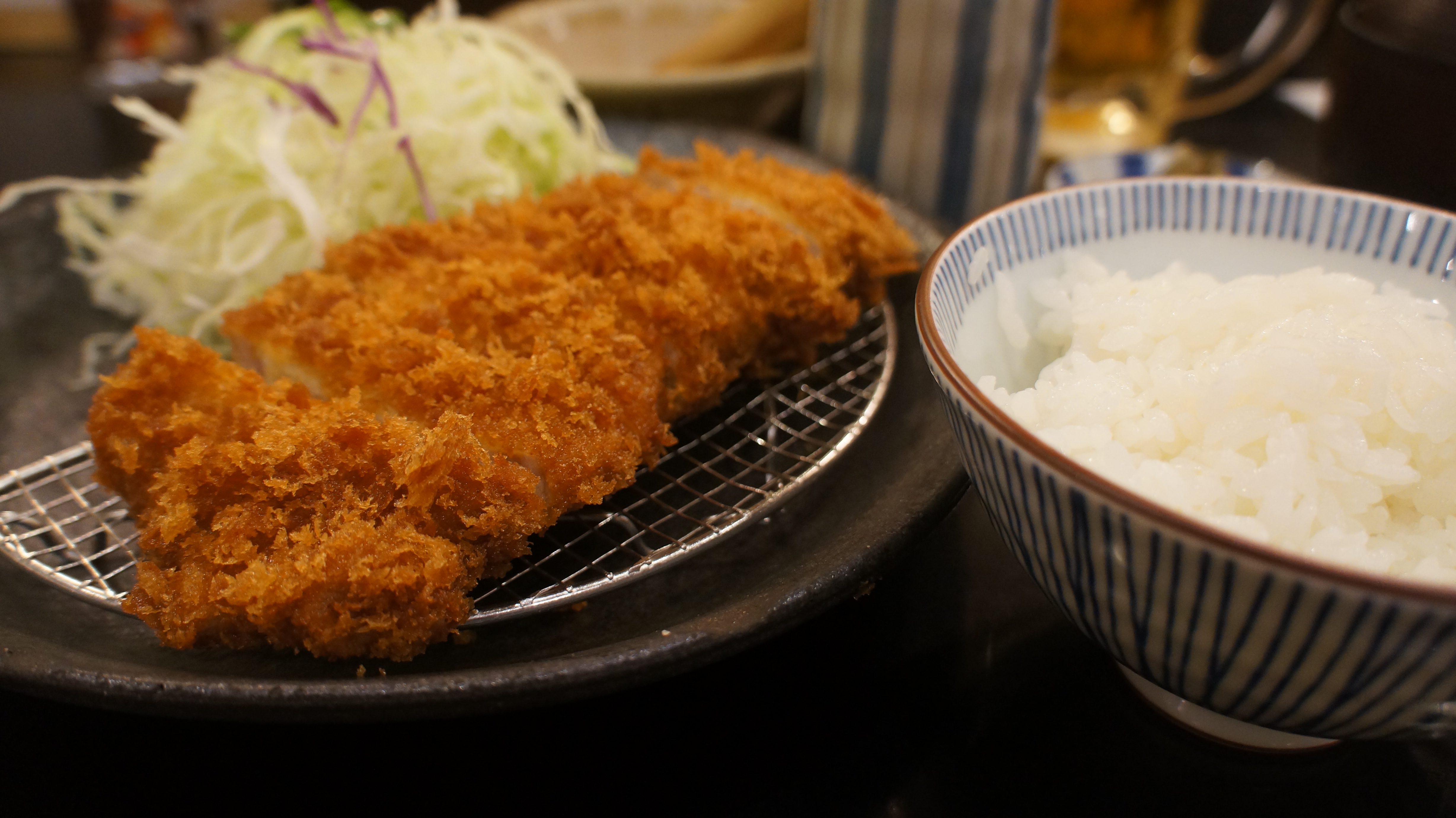
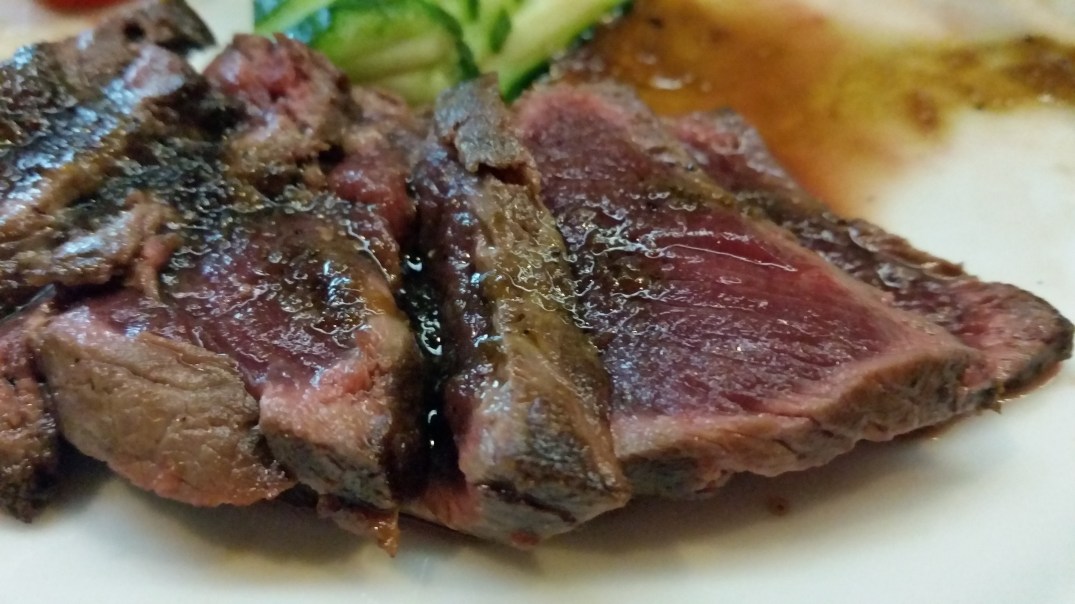
Back to Ruriko and my beer accident. Sensing that I may have some difficulty understanding the menu or ordering the food, she offered her assistance. And the next thing I know, the three of us (including her friend) started chatting like long-time friends. We exchanged contacts, and till today, we still kept in touch. I had promised her I would definitely visit Nagasaki the next time I go to Japan. Coincidentally, my original itinerary had included Nagasaki but I changed it just 3 weeks prior to departure, in favour of visiting Beppu and Kumamoto after a colleague’s advice. There’s so much left to explore in Kyushu, and two weeks really don’t do this place justice. In case you’re wondering how the horse meat tasted, it wasn’t enough to blow my socks off. I would say it’s a little like beef, but on the fatty side, which is ironic because I had imagined these horses would have tough muscles from all that running. By the way, a full horsemeat course doesn’t come cheap, and expect to spend upwards of 80-90 USD. I opted for a humble horse steak instead. And a second pint of beer.  LS

DSC07846DSC07726DSC07718 20141207_20040620141208_223815DSC07887 20141208_221201 DSC07945 DSC07949DSC07897

Kumamoto | Of Castles and Black Bears

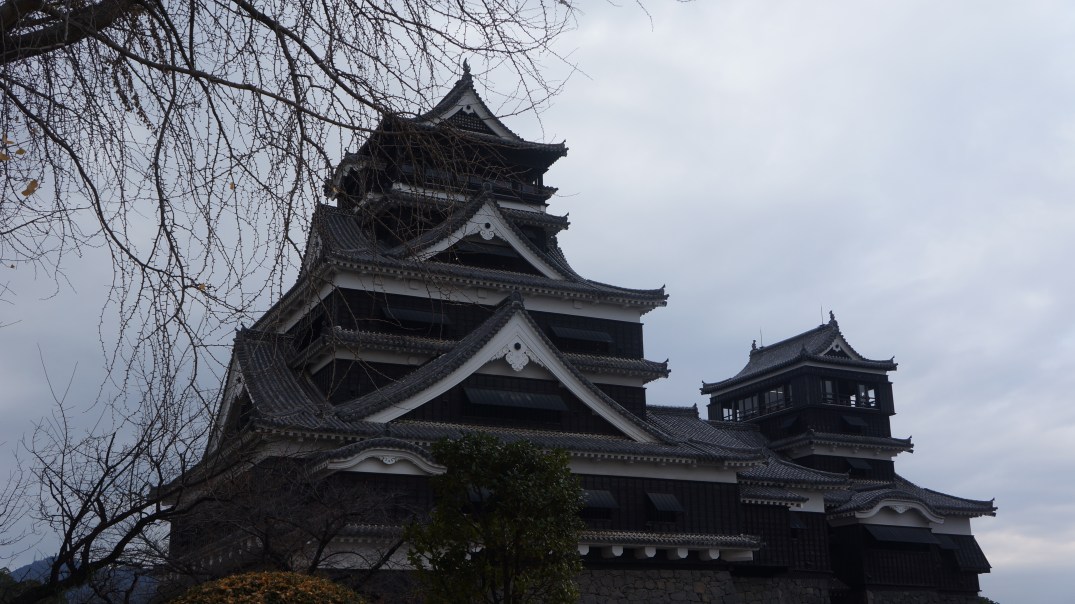
Mount Aso had just erupted over the weekend when I was making my way to Kumamoto. However, fears of volcanic ash blanketing Kumamoto were unnecessary as the volcanic crater had calmed down fairly quickly. Kumamoto’s main attraction is its majestic castle, which was built between 1601 and 1607 and housed the powerful Hosokawa clan (細川氏).

Subscribe to get access

Read more of this content when you subscribe today.

Gyozaaaaaaaaaaaaaaaaaaaaaaaaa!!!

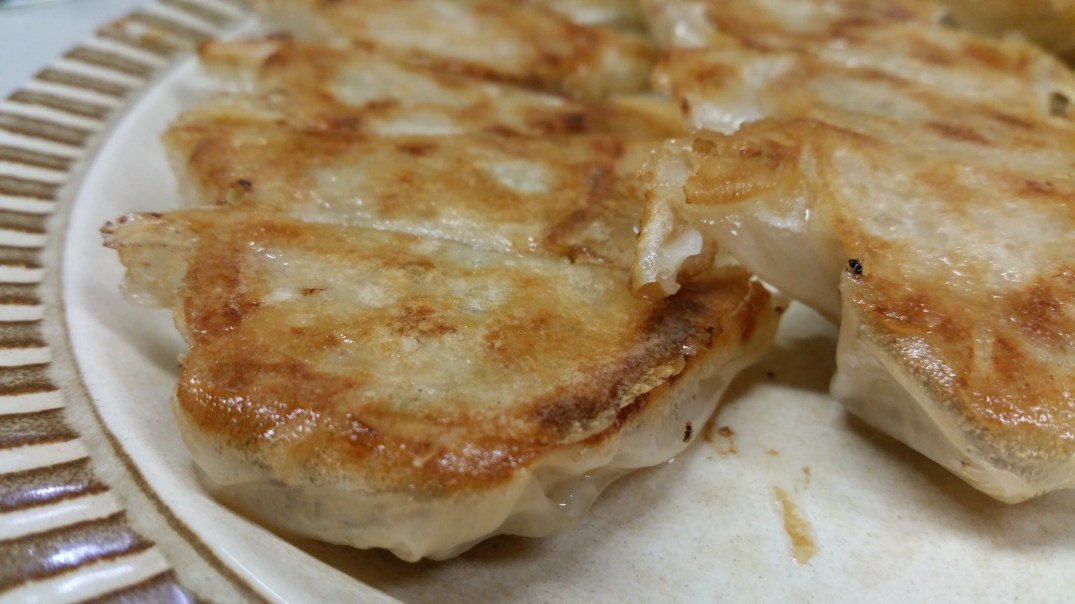
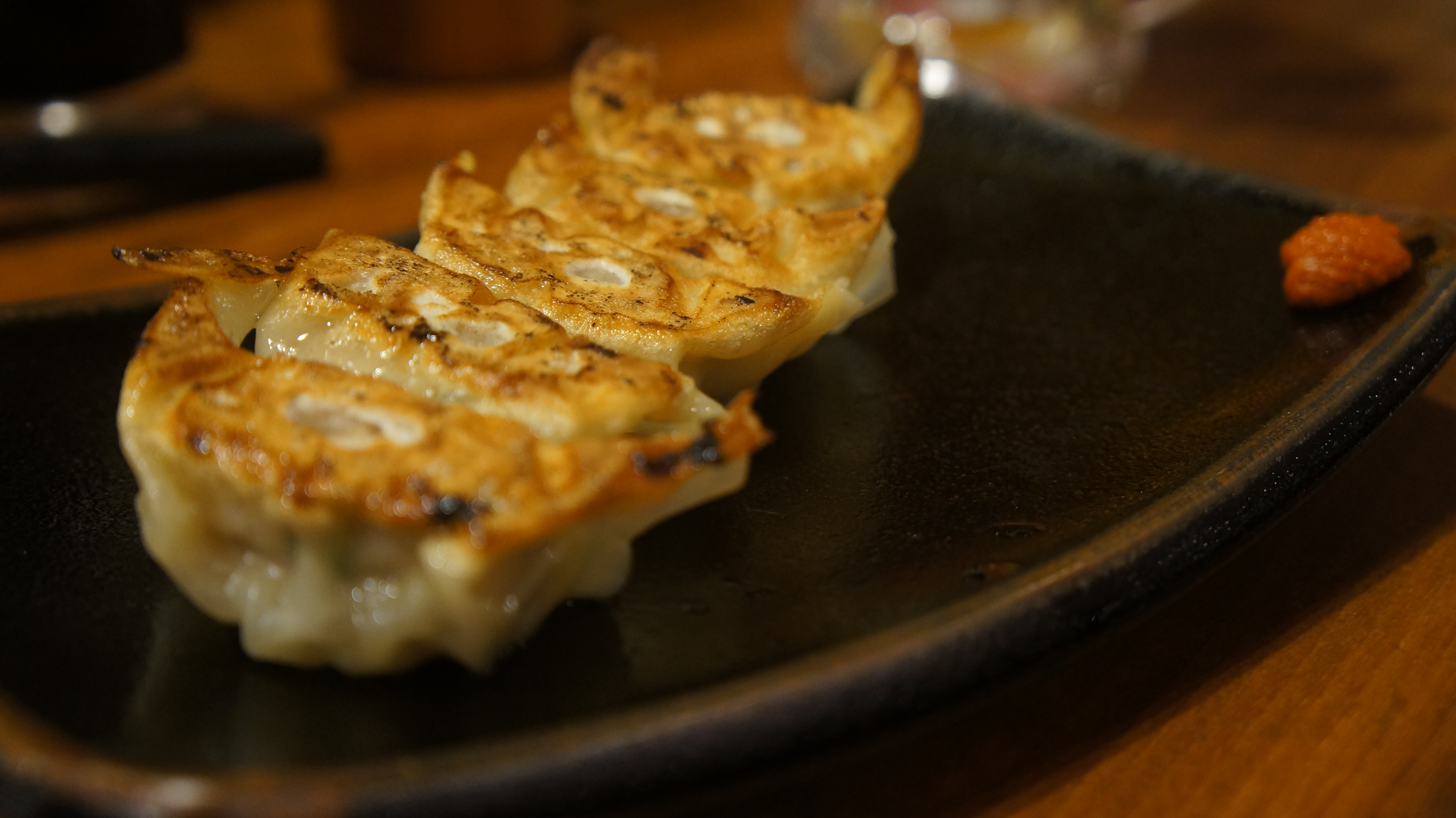
Beppu is not a culinary gem on Japan’s gastronomic map. But if there’s anything the Beppuites can boast about, in addition to Bungo-gyu (豊後牛) or local beef, it is their gyoza (餃子). Gyoza Kogetsu (餃子湖月), tucked away in a tiny alley of the covered shopping arcade across from Beppu Train Station, this mom and pop seven-seater counter shop has been frying some of the best and most crunchy gyoza you will ever find in Kyushu.

I had a hard time trying to locate Gyoza Kogetsu and it was only after circling the shopping arcade thrice and asking the proprietor of a spectacles store that I finally managed to spot this obscure establishment. It’s really tiny, and fitting six people is already a challenge, not to mention seven.

The gyozas are fried upon order, and a 1-person portion will reward you with 30 gyozas. Don’t freak out yet! Because the gyozas are small, an average person can easily polish off 1-and-a-half plate – that’s 45 gyozas!!! And in case you are worried about the oil, the gyozas are so daintily fried that they are crispy without the oil. Kick back on a couple of Sapporos and you won’t even feel the oiliness.

I gobbled down a double portion (i.e. 60 gyozas!!!) And while you’re there, drop by Toyotsune とよ常 (cross the small road in front of the train station, turn left and walk right to the end of the alley) for the abovementioned Beppu specialty – Bungo-gyu (豊後牛) and some superb lovingly fried tempura.   LS
20141206_19371020141205_18055520141205_18235020141206_14582720141206_15154720141206_191731

Bubbling Beppu

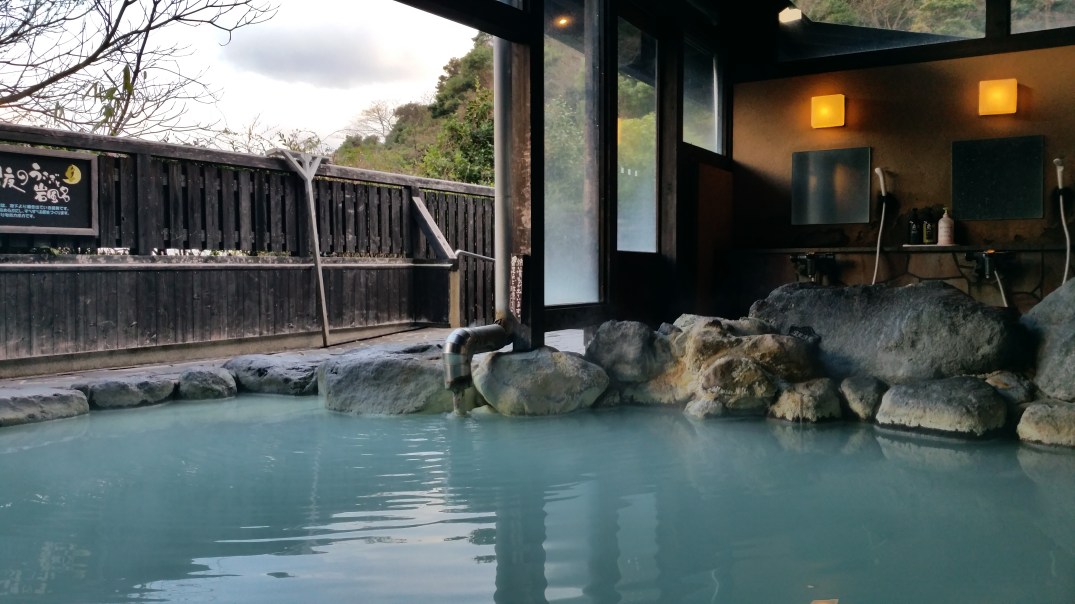
Beppu is synonymous with onsen, and the higher up you go into the highlands, you literally see steam rising from even drains by the roadside. Eight ‘Hells’ await you and while most of the more exclusive onsen are located in the highlands (i.e. the Myouban area 明礬), some are either too outdated or too exorbitant. For those conscious of budget but still desire a rewarding onsen experience in Beppu, check out Ebisuya Onsen (湯屋えびす), nestled midway between Yama no yu (山の湯) and the main bus stop at the foot of the Myouban hills.

Subscribe to get access

Read more of this content when you subscribe today.

Hello world!

After not blogging for the longest time (and still a little rusty and unsure if I want to get back into this to be honest), I’ve decided I would give it a shot. I was really inspired by this blog called mykoreaneats which I stumbled upon while doing some research on the best places to feast in Seoul. I’m sure all the foodies out there will fall in love with mykoreaneats.

However, for lonesojourns, I would let my images do most, if not all the talking. These have been captured and exhibited only on Facebook, so it seems like a massive waste not to share them somewhere else.

I’ve titled the blog “lonesojourns” because it is exactly what it says. These images have been snapped during my travels, and I hope you would like them.

I have a special fondness for both Korea and Japan, so many of the snaps you’re going to see came from my sojourns there. Instead of the usual Tokyo or Kyoto sights, we’re heading to Kyushu. In my opinion, this is the most underrated island of Japan but also one of the most beautiful. There are so many things to see and do here, check it out!

Fukuoka / Hakata

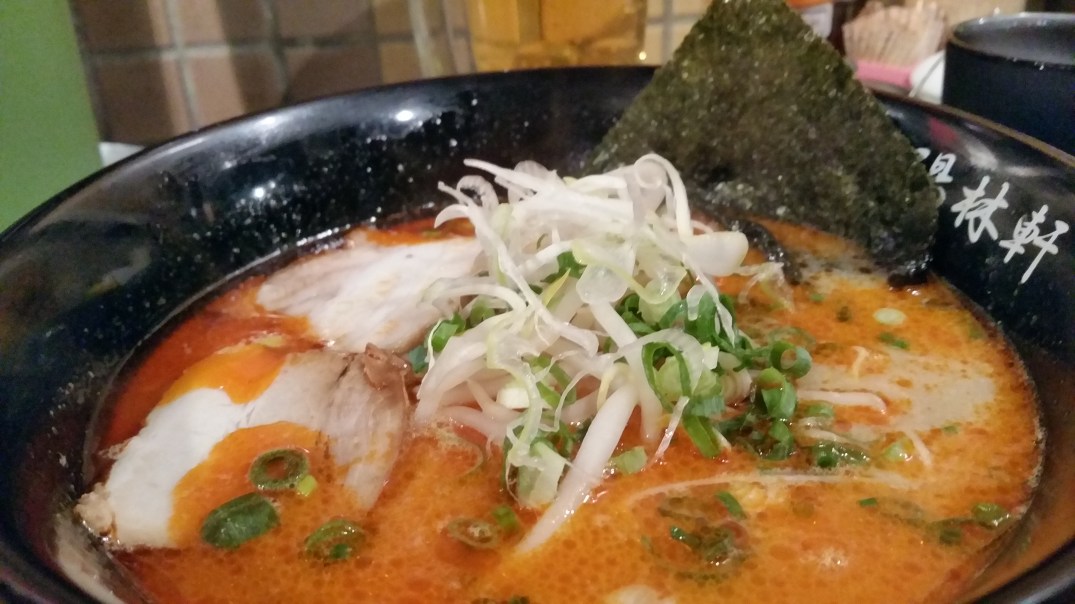
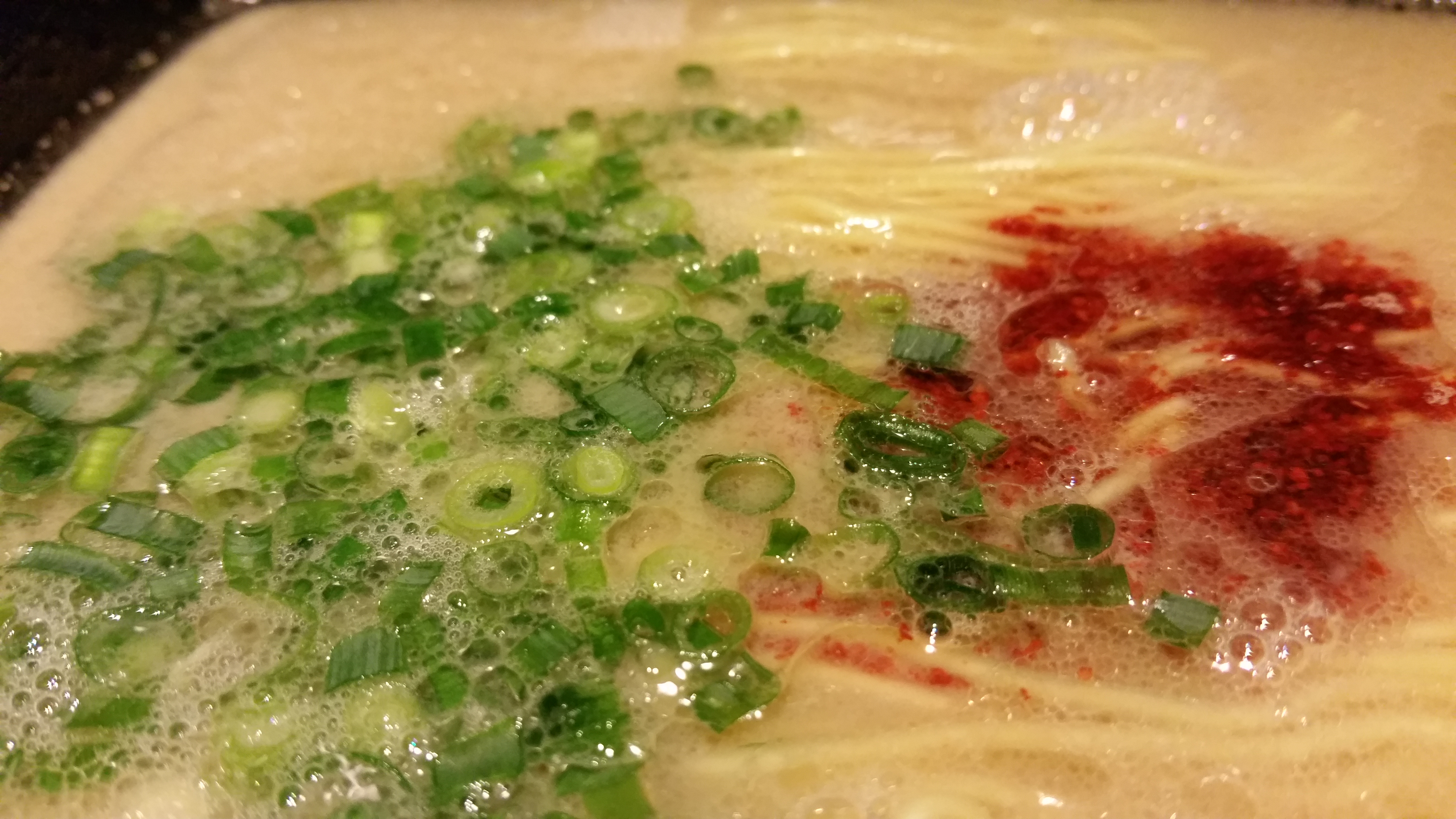
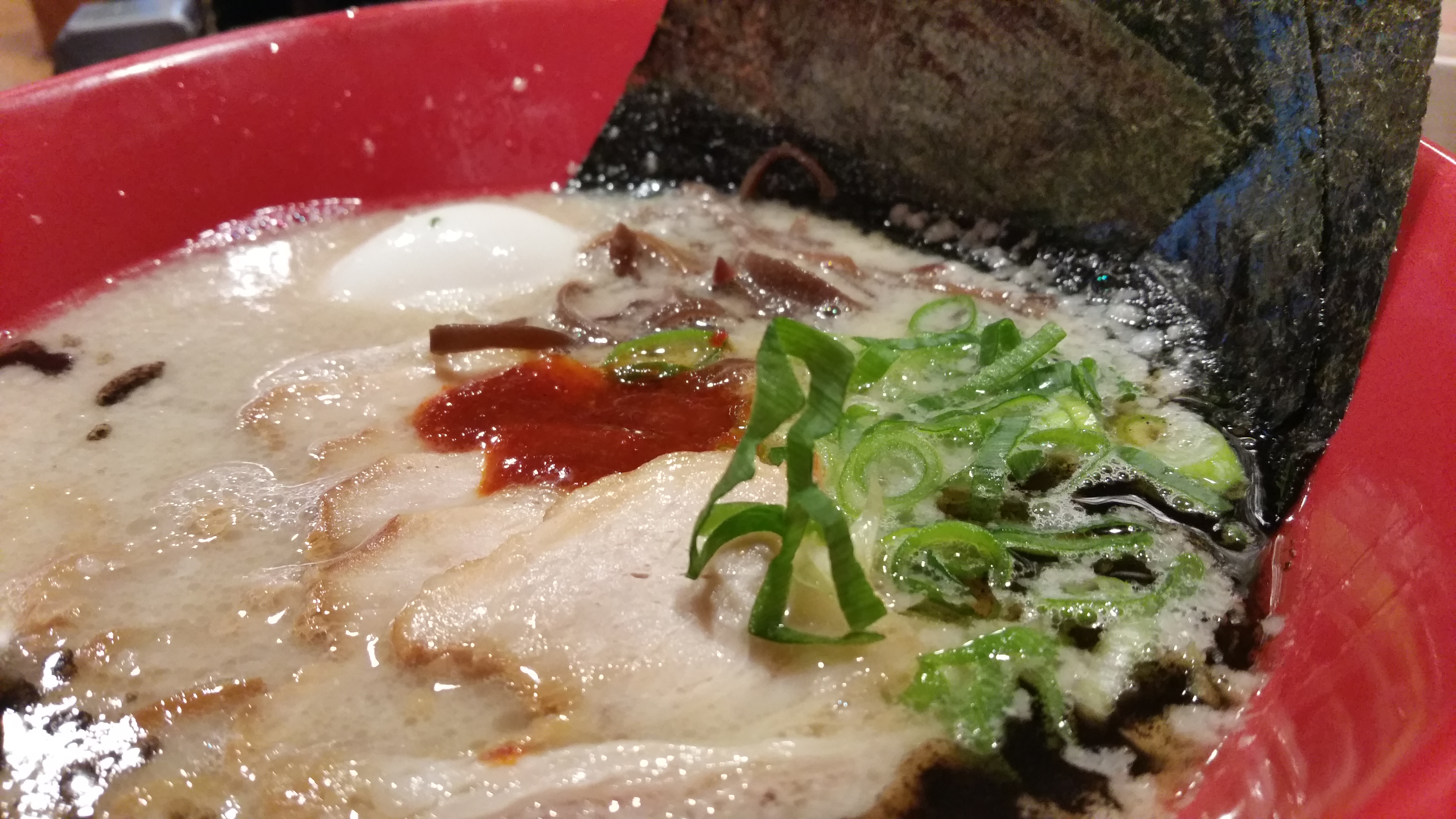
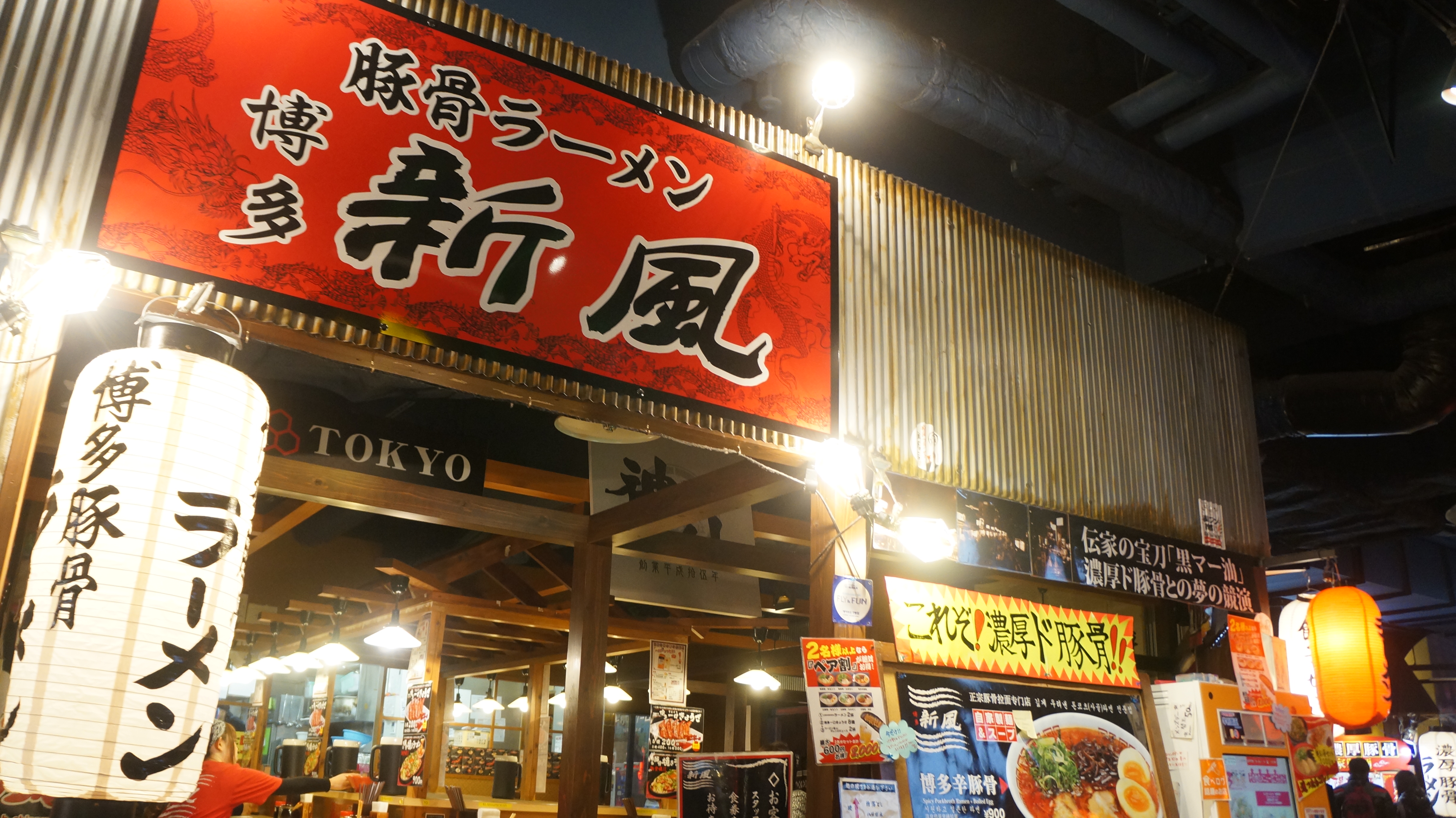
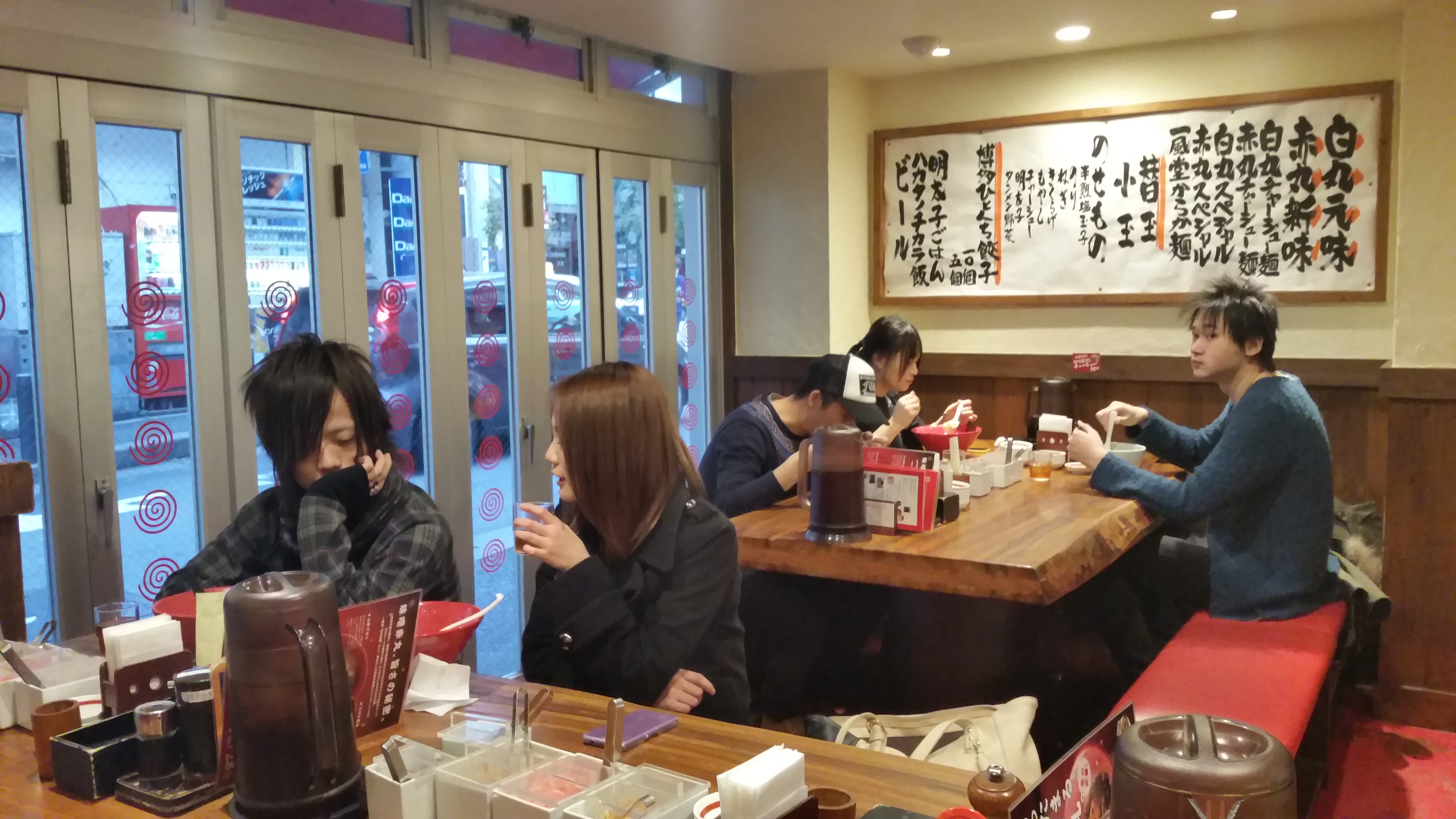
Fukuoka, or Hakata as it is more commonly known in the olden days, is Kyushu’s largest metropolis. Its cosmopolitan vibe can be traced back to more than 2,000 years ago when this part of Japan was a lively trading centre at a time when much of Japan is ‘closed’ to the world. The city is famed for its devotion to ramen (ラメン), whether all under one roof, or scattered along the banks of the Nakagawa (yatai or mobile hawker stalls along the streets).

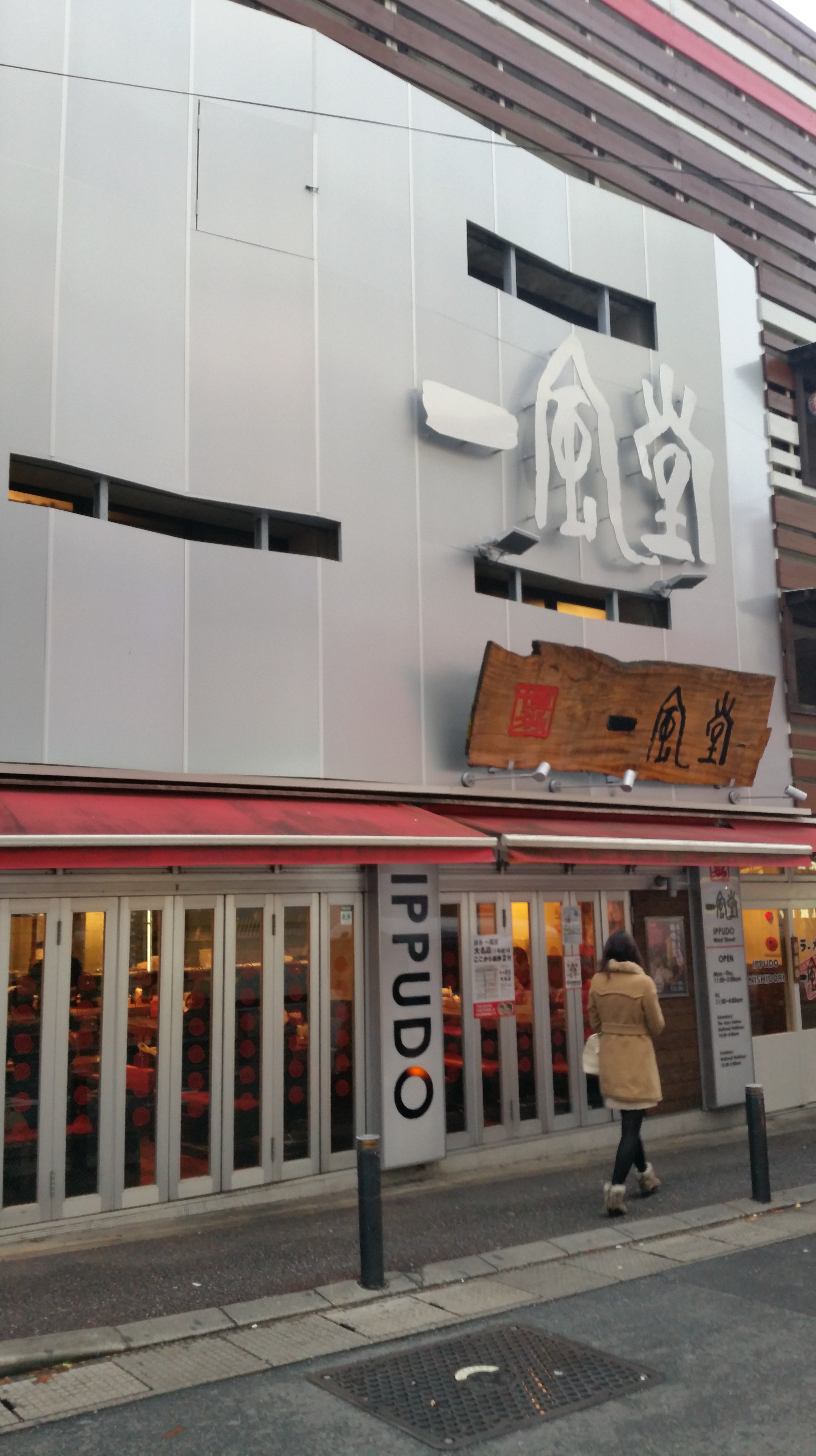
Sadly, when I visited, probably due to the cold weather, there are few of these. In any case, you wouldn’t be short-changed if you chose to dine at any of the famous ramen establishments – Ippudo, Ichiran or Ikkousha – yes, this Holy Trinity of Ramen all originated from Hakata.

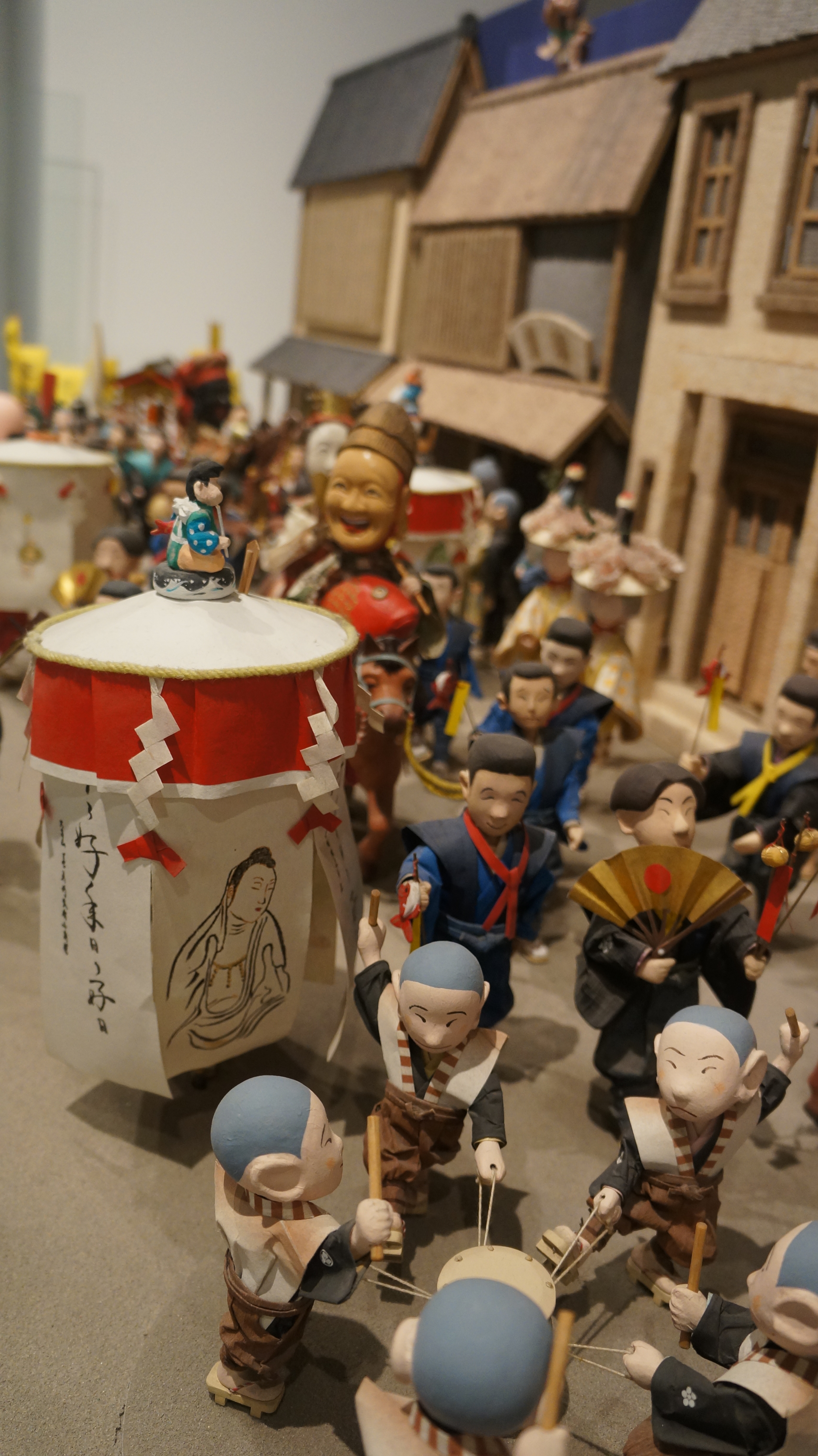
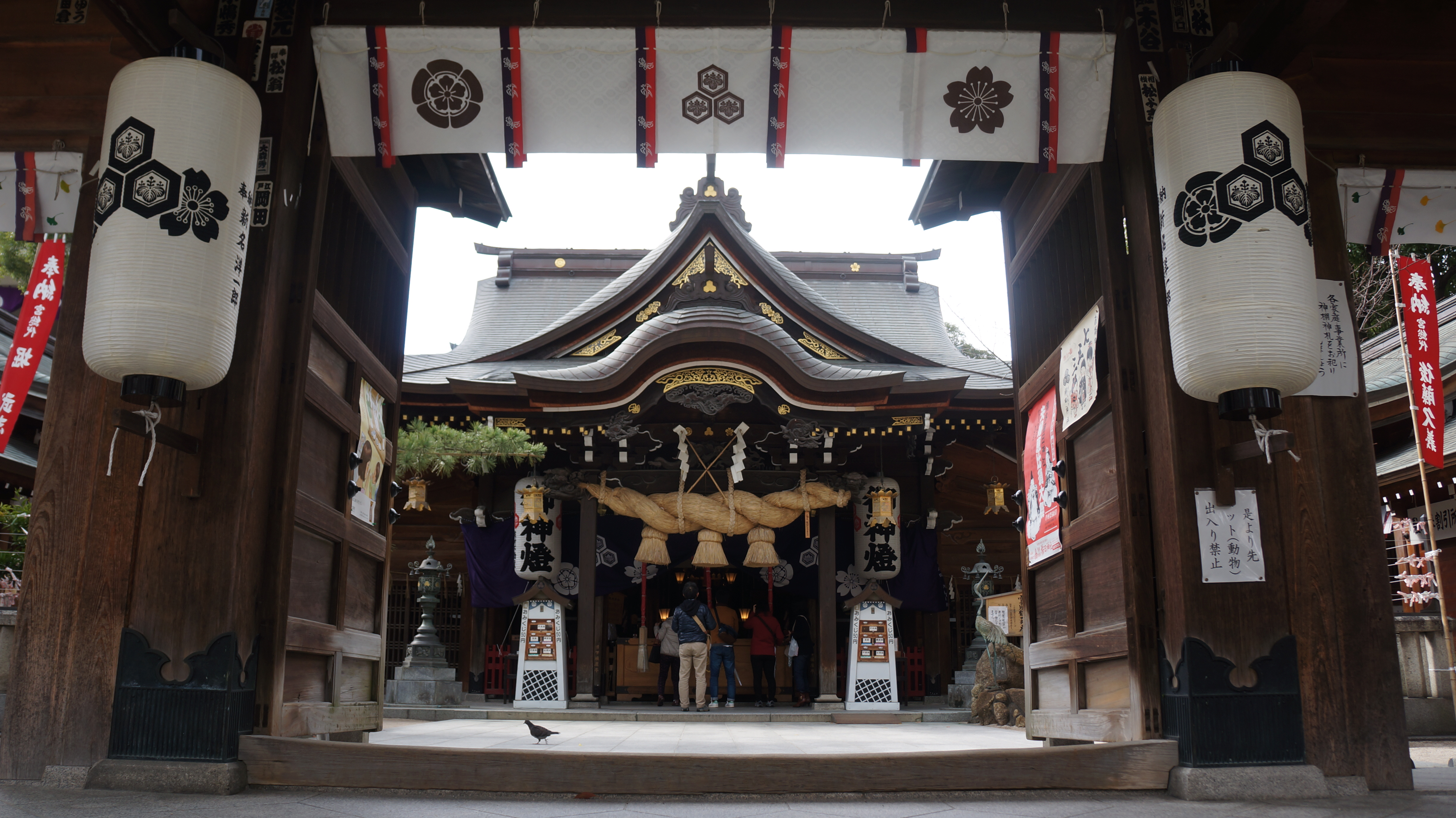
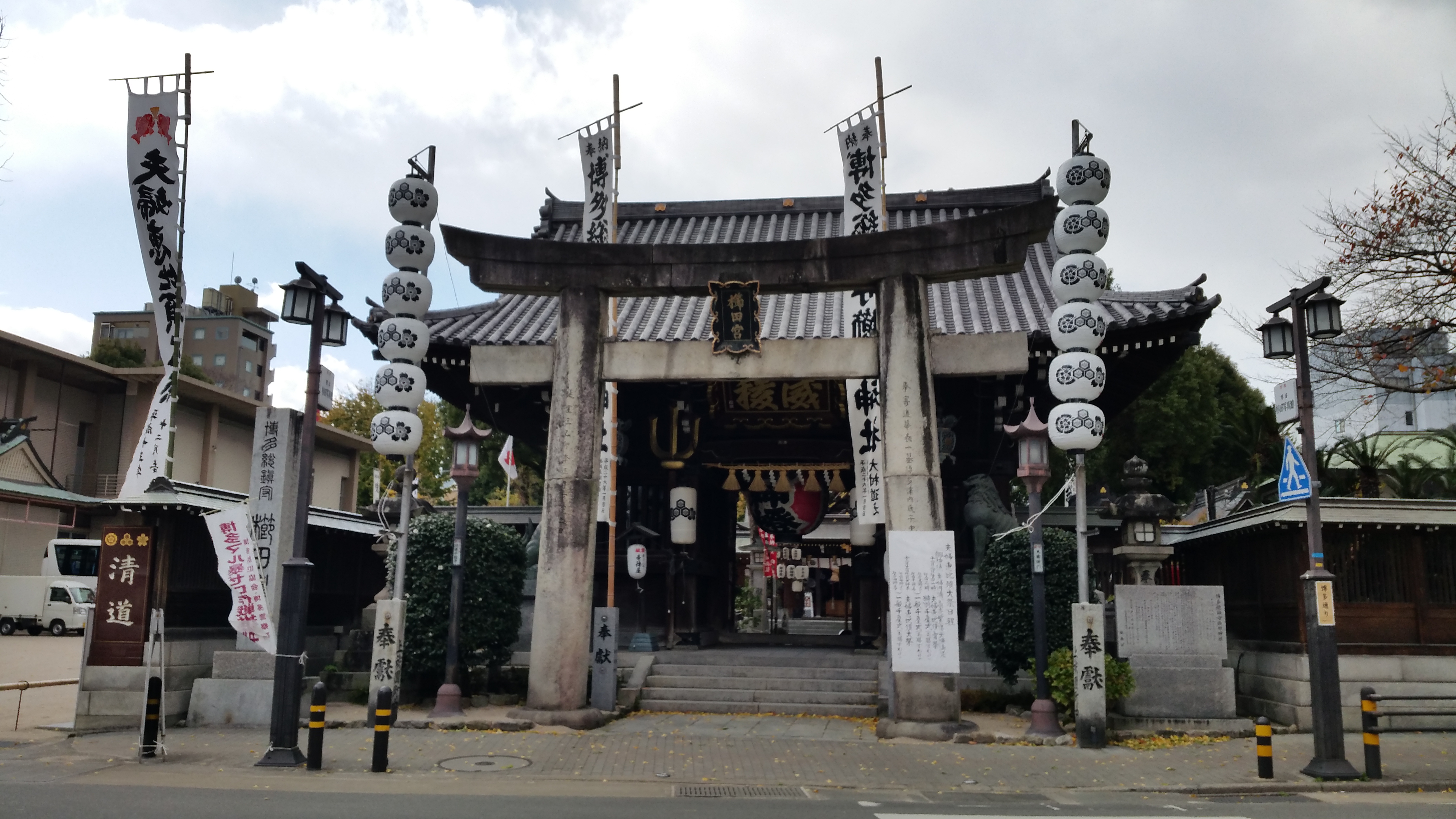
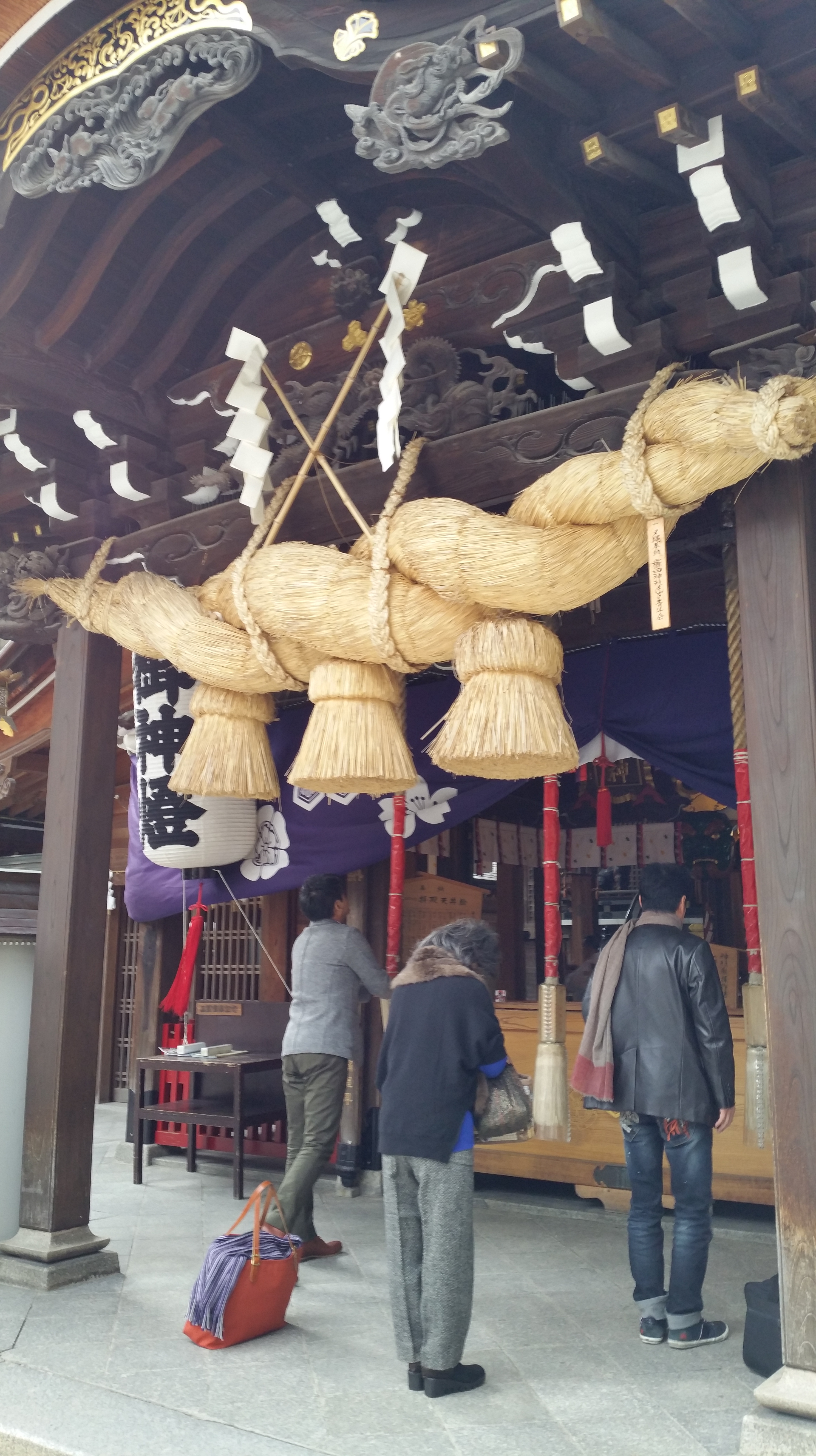
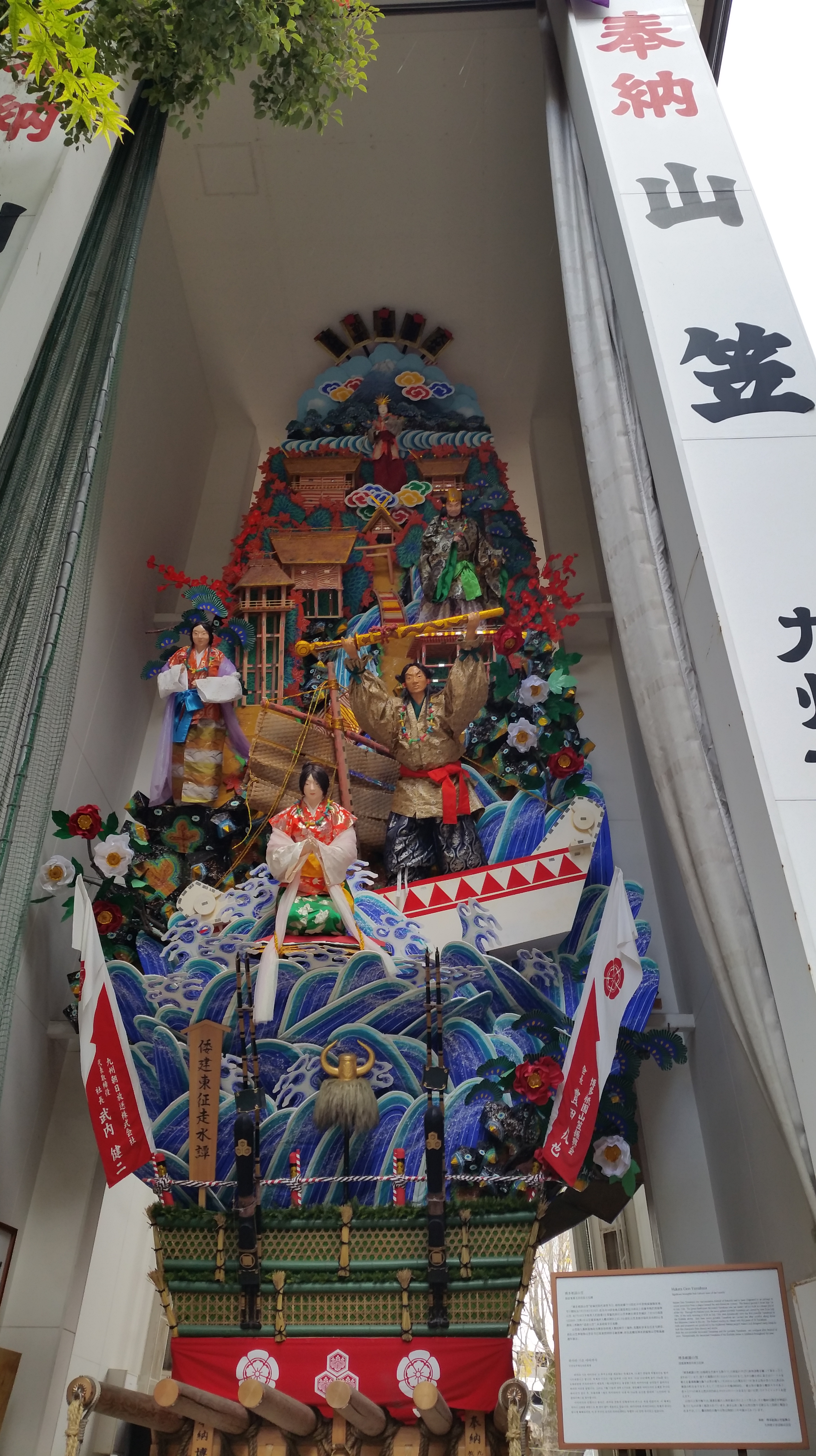
Hakata has a lively matsuri calendar, which culminates in a mikoshi (gigantic portable shrines) race through the city (also known as the Hakata Gion Yamakasa Matsuri 博多祇園山笠) from 1- 15 July. Other matsuri include the Hakozaki-gu Tamatorisai (筥崎宮 玉取彩 – 3 January) and Hakata Dontaku Matsuri ( 博多どんたく港祭 – 3 & 4 May).  LS
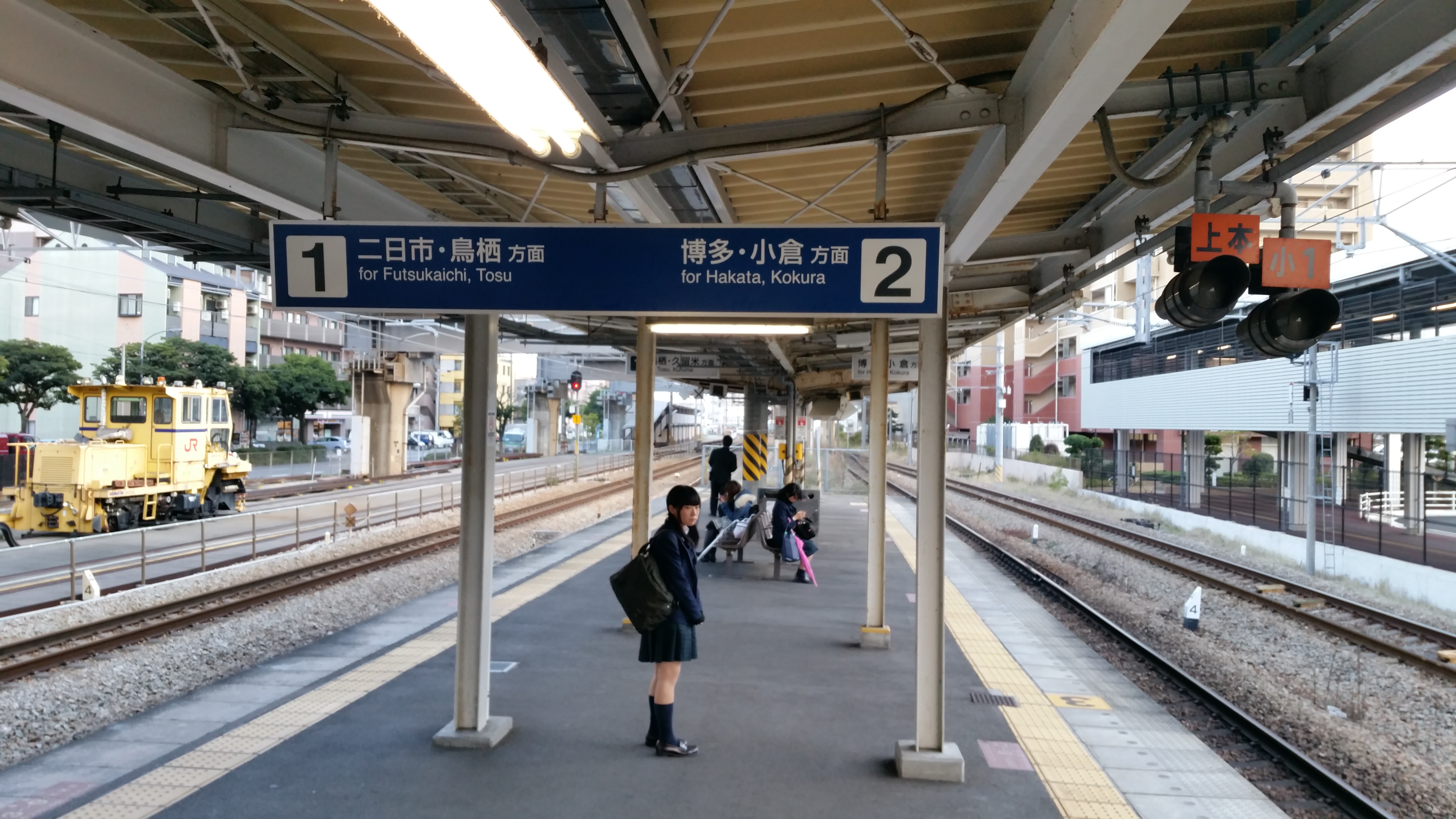
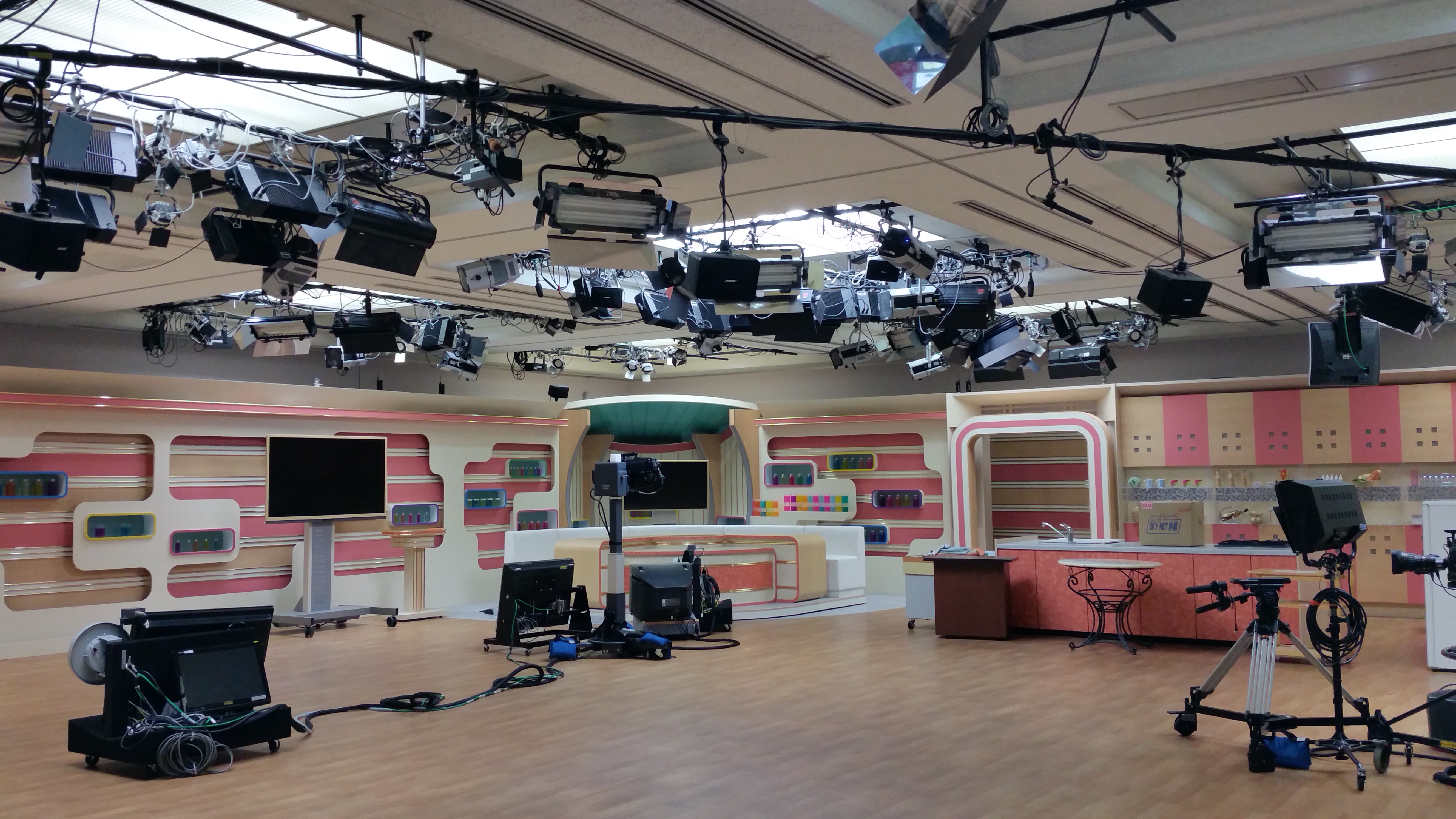
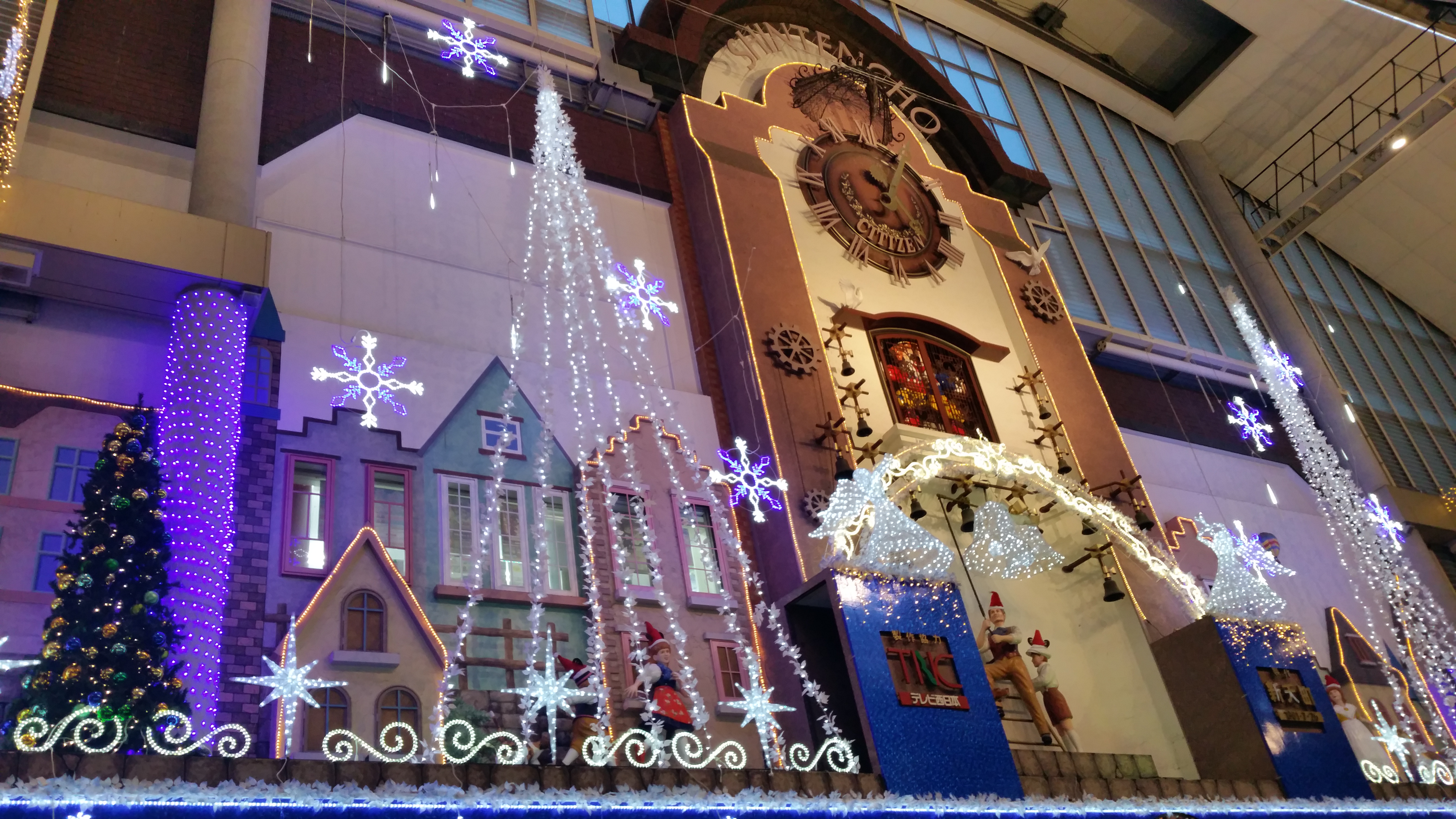
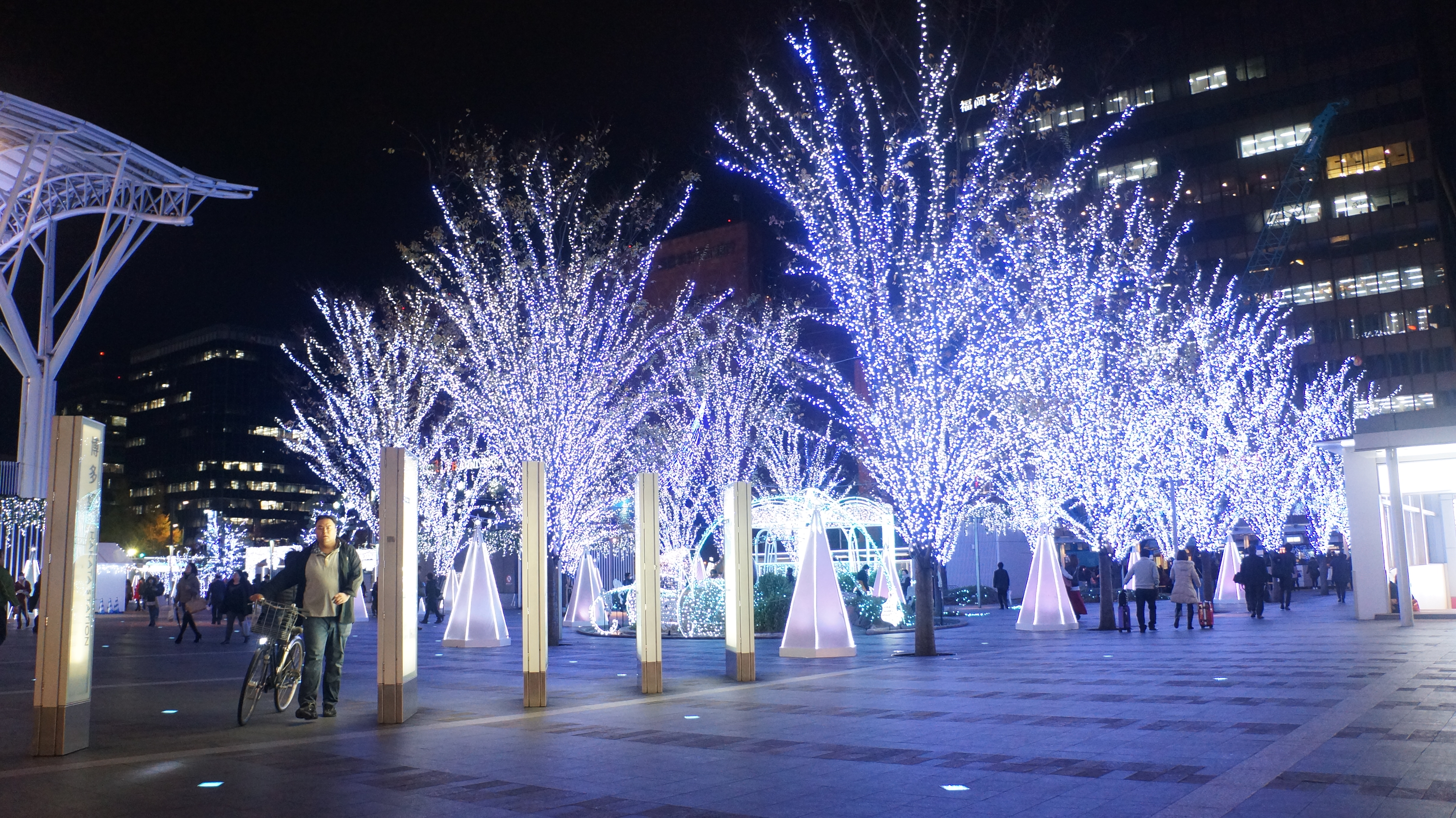
DSC07292 DSC07299 20141202_120113 20141202_120648 20141202_120713 20141202_121554 DSC07202 20141202_203428 20141203_155135 20141203_154640 20141203_124244 20141203_124037 20141203_170142 20141203_170254 20141204_202844 20141203_171846